Cyberpunk VR mods have really changed how people experience Night City. Even though Cyberpunk 2077 never got official VR support, fans and tech companies have stepped up with all sorts of creative ways to bring the game’s world closer to reality. I’ve spent hours reading about these mods, and honestly, some of them sound wild. From giant warehouse-sized VR arenas to mods that let you walk the city streets with friends, there’s a lot going on. If you’re looking to get the most out of Cyberpunk in VR in 2026, here’s a list of the top options making waves right now.
Key Takeaways
- Zero Latency VR Experience brings Night City to life in massive, real-world arenas with full-body movement.
- Luke Ross VR Mod was popular but faced a DMCA takedown because it was paywalled, sparking debate in the modding community.
- R.E.A.L VR Framework supports multiple games and lets players experience Cyberpunk and others in VR, though legal issues can arise.
- RTX 4090 VR setups make running Cyberpunk in VR much smoother, giving better visuals and higher frame rates for those who can afford it.
- Wireless VR headsets and free-roam tech now let you move around freely, making the VR experience feel less restricted and more natural.
1. Zero Latency VR Experience
Alright, let’s talk about Zero Latency VR. If you’re looking to really step into the world of Cyberpunk 2077 without being glued to your PC, this is the ticket. They’ve teamed up with CD Projekt RED to create something pretty special. This isn’t just a game you play at home; it’s an actual physical experience you go to. Think big, open spaces where you can actually walk around, duck, and move your whole body. It’s designed to be played with friends, too, which is a big plus.
They’re using their own free-roam VR tech, which means no wires holding you back. You get a headset and some gear, and then you’re dropped into a virtual arena. It’s built from the ground up for this kind of setup, so it feels different from just playing a game on your monitor. They’ve got over 150 locations worldwide, so hopefully, there’s one near you.
Here’s a quick rundown of what makes it stand out:
- Warehouse-Scale Arenas: Plenty of room to move, unlike a small living room setup.
- Untethered Freedom: No cables to trip over, so you can really get into the action.
- Social Experience: Designed for groups, making it a fun outing with friends.
- Dedicated Design: Built specifically for VR, not just a port of the original game.
It’s a cool way to experience Night City in a way that feels more real. Keep an eye out for when it officially drops at Zero Latency VR locations.
2. Luke Ross VR Mod
When it comes to getting games like Cyberpunk 2077 into VR, one name keeps popping up: Luke Ross. He’s the guy behind the R.E.A.L. VR mod framework, which has been adapted for a bunch of popular titles over the years. Think Grand Theft Auto V, Red Dead Redemption 2, and even Elden Ring. Basically, if you want to experience a game in a whole new way, Ross’s mods are often the first place people look.
His work has been pretty groundbreaking for VR enthusiasts. However, it’s not always been smooth sailing. CD Projekt Red, the makers of Cyberpunk 2077, recently issued a DMCA takedown notice against Ross’s mod for their game. The reason? The mod was available behind a paywall on his Patreon page. CDPR stated that this violates their fan content guidelines, as they don’t allow monetization of their intellectual property without permission. Ross, on the other hand, argues that his mod isn’t a derivative work and doesn’t use any of their code or assets. He’s even suggested working with developers in the past to make mods official or sanctioned.
Here’s a quick look at the situation:
- The Mod: Luke Ross’s R.E.A.L. VR framework allows players to experience supported games in virtual reality.
- The Controversy: CD Projekt Red issued a DMCA takedown for the Cyberpunk 2077 VR mod due to it being a paid product on Patreon.
- The Argument: Ross claims his mod is independent IP, while CDPR cites fan content guidelines against monetizing their game.
- The History: Ross has faced similar DMCA issues before with other games, like GTA V and Red Dead Redemption 2.
It’s a tricky situation, balancing fan creativity with developer rights. Ross has been charging around $10 a month on Patreon for access to his mods, and it’s clear there’s a big demand for his work, with reports of him making significant income from it in the past. Whether a compromise can be found for future mods remains to be seen, but for now, the legal back-and-forth highlights the complex relationship between modders and game studios.
3. R.E.A.L VR Framework
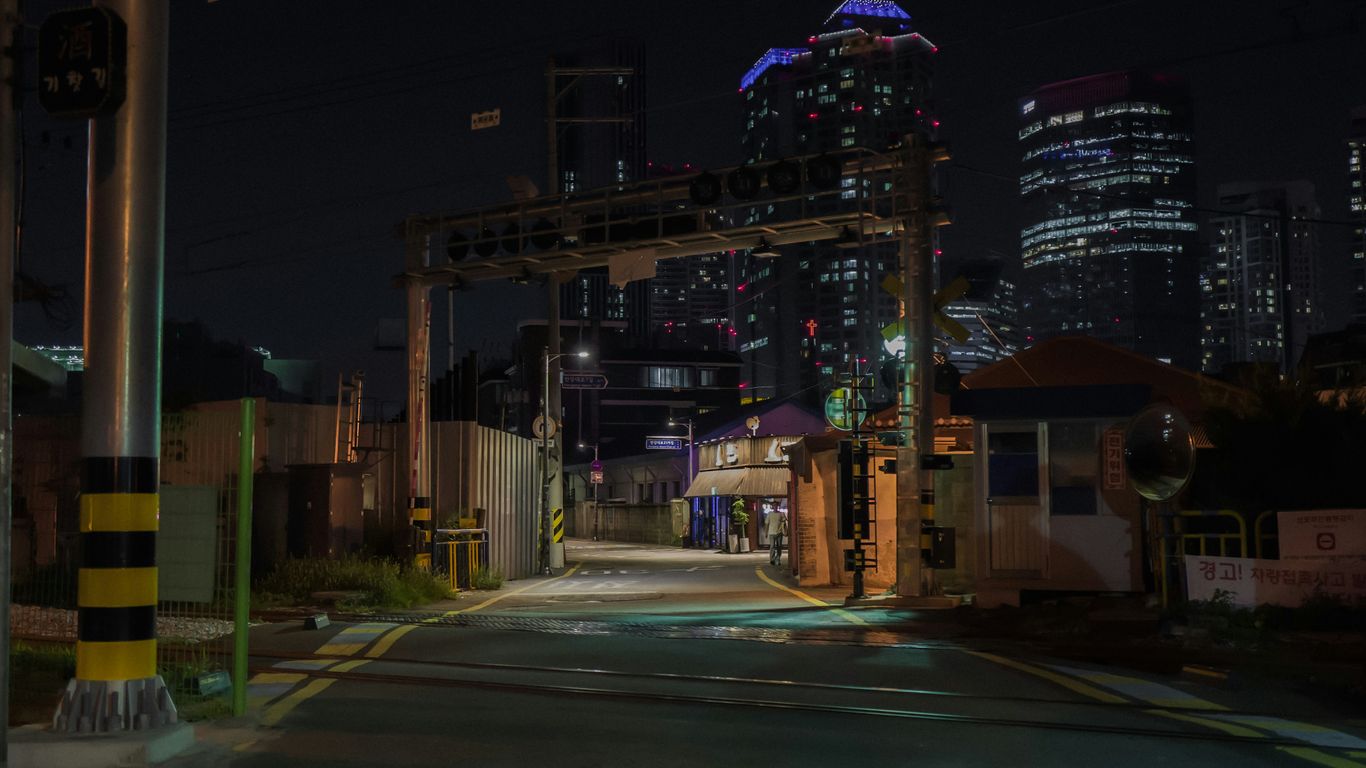
Alright, let’s talk about the R.E.A.L. VR Framework. This isn’t just some simple overlay; it’s a pretty involved piece of tech that aims to bring games, especially ones not built with VR in mind, into a virtual reality space. Think of it as a translator, taking a flat game world and making it feel like you’re actually in it.
The R.E.A.L. VR Framework was designed to offer a more authentic VR experience for games that didn’t originally support it. It’s not about just slapping a VR headset on and looking around; it’s about trying to get you to feel present in the game world. This means things like proper head tracking, aiming with your actual hands, and generally making the game feel like it was made for VR from the ground up, even if it wasn’t.
Here’s a breakdown of what makes it tick:
- First-Person Immersion: It really focuses on putting you directly into the character’s shoes. You see the world through their eyes, and interactions feel more direct.
- Hand Presence: Instead of just seeing virtual hands, the framework tries to make your real-world hand movements translate into the game. This is a big deal for feeling like you’re actually interacting with the environment.
- Scale and Depth: It works to get the sense of scale right. When you look at a skyscraper in Night City, it should feel massive, and when you look down from a height, it should feel genuinely dizzying.
Now, it’s important to note that this kind of modding can get a bit tricky legally. Game developers own their intellectual property, and making unauthorized modifications, especially ones you charge for, can lead to issues. The R.E.A.L. VR Framework, while impressive, has run into these kinds of roadblocks. It’s a reminder that while the tech is amazing, respecting copyright and licensing is part of the deal when you’re playing in the digital world.
4. DreamPunk Mod
Alright, let’s talk about the DreamPunk Mod. This one’s a bit of a different beast compared to some others we’ve covered. It’s not just about slapping VR onto an existing game; it’s about a specific vision for how that experience should feel. Think of it as a curated journey into a cyberpunk world, but with a VR twist that aims for something more profound.
The core idea behind DreamPunk is to create a deeply atmospheric and believable virtual reality presence within the game’s universe. It’s not just about seeing the world in 3D; it’s about feeling like you’re actually there. This means a lot of attention to detail, from how you interact with objects to the way the environment reacts to your presence.
Here’s what makes it stand out:
- Enhanced Immersion: DreamPunk focuses on making the virtual world feel more tangible. This includes better object interaction, more responsive environments, and a general sense that your actions have weight.
- Atmospheric Focus: The mod really leans into the cyberpunk aesthetic, using lighting, sound design, and environmental details to build a strong mood. It’s less about pure action and more about soaking in the world.
- Player Agency: While not strictly a gameplay mechanic, the mod aims to give players a greater sense of control and presence, making their choices and movements feel more impactful within the game’s narrative.
It’s important to note that mods like DreamPunk, especially those that aim for this level of polish and immersion, often come with a development cost. While the spirit of modding is usually about free sharing, sometimes creators need support to keep the lights on and continue their work. This can lead to discussions about how these projects are funded, which is a whole other can of worms we’ve touched on elsewhere.
5. Night City Arena
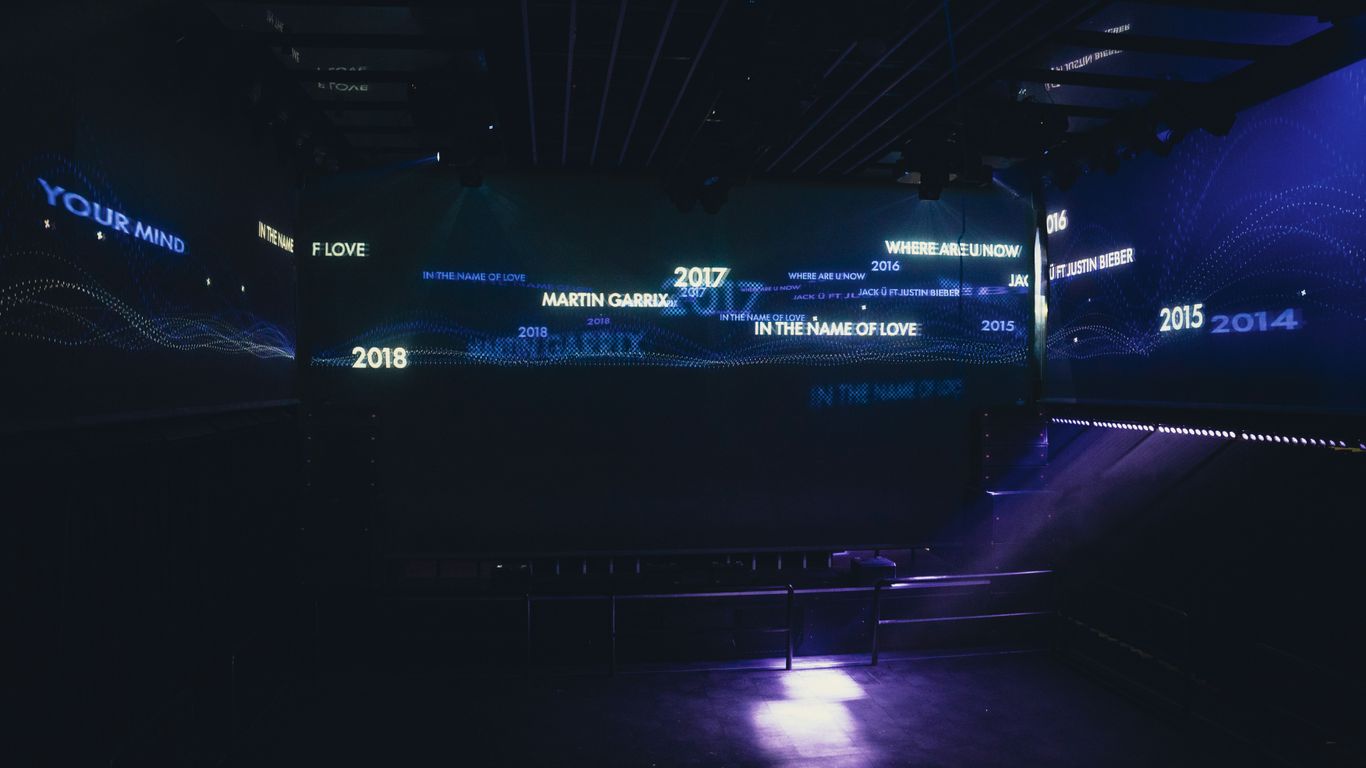
Alright, so let’s talk about Night City Arena. This isn’t some little mod you can just slap onto your PC at home. Nope, this is a whole different beast. Zero Latency VR, the folks who do those massive, free-roam VR setups, have teamed up with CD Projekt Red to bring the world of Cyberpunk 2077 to life. Think huge, open spaces where you can actually run around, not just sit in a chair. It’s built from the ground up for their arenas, so you’re talking about wireless headsets and full-body tracking.
It’s not a direct copy of the game, mind you. They’re taking the vibe, the style, and the general feel of Night City and making a new adventure specifically for this kind of physical VR experience. So, you’ll be moving through these big spaces, probably doing some missions or whatever they’ve cooked up, all while feeling like you’re actually in that dark, futuristic city.
Here’s what makes it stand out:
- Location-Based VR: You have to go to a Zero Latency VR venue to play this. It’s a social, in-person thing.
- Free-Roam Design: No wires holding you back. You can move around a large physical area.
- Cyberpunk Atmosphere: Captures the look and feel of Night City, but in a new way.
- Shared Experience: Designed for multiple players to jump in together.
They haven’t spilled all the beans on exactly what you’ll be doing in there yet, but if you’ve ever checked out their other experiences, like the ones based on Far Cry, you know it’s going to be pretty wild. This is probably the closest you’ll get to truly stepping into the Cyberpunk universe without a screen in front of your face. It’s all about that physical immersion, you know?
6. RTX 4090 VR Setup
When it comes to running VR mods for cyberpunk games in 2026, the RTX 4090 really is in a league of its own. You can expect average frame rates of 60fps with ray tracing turned on, which means buttery-smooth visuals, crisp details, and motion that feels much more like the real world. Every neon sign, rainy street, and hologram in Night City pops right out at you, and the overall immersion takes a big leap compared to older hardware.
Alright, so if you’re thinking about going down the RTX 4090 road for VR (and you’ve got a strong enough power supply to actually run the thing…), here’s what the typical setup needs:
- An RTX 4090 graphics card (yes, they’re still expensive, but you won’t look back).
- At least 32GB of RAM, just to keep everything running smooth in VR.
- A VR-ready CPU, like an Intel i7 or Ryzen 7 (newer models always help).
- A high-end VR headset like the Valve Index or Quest Pro—otherwise, you’re not getting the full experience.
If you’re a numbers person, here’s a quick breakdown:
| Component | Recommended Spec |
|---|---|
| GPU | RTX 4090 |
| RAM | 32GB DDR5 |
| CPU | Intel i7/Ryzen 7+ |
| VR Headset | Index/Quest Pro |
| Avg. FPS in VR | ~60 (with RT ON) |
Some quick notes from my own headaches (and eventual triumphs) setting this up:
- Cooling is super important. The 4090 can get hot, so make sure your case has plenty of airflow.
- Update your GPU drivers before launching any VR mod. Trust me, troubleshooting mid-game is not fun.
- Be ready for big downloads—high-res VR mods pull a ton of textures.
If you snag all the right parts and don’t forget the basics, the RTX 4090 setup will make you feel like you’re really strolling those cyberpunk streets. If you want the best visuals and near-zero stutter, this is the card to beat.
7. Wireless VR Headsets
Let’s talk about going wire-free—because playing cyberpunk mods with a chunky cord attached is not my idea of immersive. Wireless VR headsets have finally carved out their spot in 2026, letting us wander through digital city streets without tripping over cables or pausing to untangle ourselves every five minutes. The freedom to move around your room (or even across your living room) makes everything feel a lot more natural.
If you’re wondering what advantages wireless brings to the VR mod table, here’s a shortlist of why they’re becoming the go-to option for a futuristic setup:
- No cables to fuss over means less distraction and more time actually gaming
- Full-body movement becomes possible—you can actually duck, spin, or dash, not just stand awkwardly in one spot
- Setting up the device is less of a headache, especially compared to the old days of extension cords and cable management nightmares
Not all wireless VR headsets are created equal, though. Take the SteelSeries Arctis Nova Pro Wireless for example—while it’s mostly hyped as a gaming headset, a lot of people in the VR space swear by its smooth connectivity and low latency. That’s huge, especially when you’re in the thick of fast-paced cyberpunk action.
Here’s a super quick table with typical wireless VR specs for 2026:
| Headset Model | Battery Life | Weight | Connection Type |
|---|---|---|---|
| Nova Pro Wireless | 18 hours | 335g | 2.4GHz/BT |
| VR Vision Ultra | 12 hours | 320g | Wi-Fi 6E |
| FreeRoam Air Pro | 15 hours | 350g | Wi-Fi 6/BT |
With battery life stretching past 10 hours on most new headsets, there’s way less worry about your VR session fizzling out mid-game. As more mods optimize for untethered hardware, wireless VR gear is shaping up to be a must-have for anyone who wants digital freedom—and honestly, once you’ve tried it, going back just feels wrong.
8. Free-Roam VR Tech
Forget just sitting in a chair; free-roam VR tech is where things get really interesting for that 2026 cyberpunk vibe. This isn’t about a small play space anymore. We’re talking about large, open areas where you can actually walk around, duck, and move your whole body as if you were in Night City itself. It’s a big step up from just looking around with your head.
Think about it: you’re not tethered to a single spot. You can physically move through the environment, which makes the immersion so much deeper. This kind of setup uses wireless headsets and often involves tracking your entire body, not just your hands and head. It really makes you feel like you’re in the game world.
Several companies are pushing this forward. One notable example is the collaboration between Zero Latency VR and CD PROJEKT RED. They’re creating experiences specifically for these large-scale venues, letting players step into the world of Cyberpunk 2077 without being stuck in one place. It’s designed for multiple players too, so you can explore the neon-drenched streets with friends.
Here’s what makes free-roam VR stand out:
- Unrestricted Movement: You can walk, run, and physically interact with the virtual space.
- Full-Body Tracking: More advanced systems track your entire body, adding another layer of realism.
- Social Experiences: Many free-roam setups are built for groups, making it a shared adventure.
- Large-Scale Arenas: These aren’t small rooms; they’re often warehouse-sized spaces designed for expansive virtual worlds.
The goal is to make you forget you’re wearing a headset at all. It’s about truly stepping into another reality, and free-roam tech is the key to making that happen for games like Cyberpunk 2077.
9. Patreon VR Access
So, you’re looking to get your hands on some of the coolest VR mods out there, especially for games like Cyberpunk 2077. It turns out, a lot of these mods, particularly the really in-depth ones like Luke Ross’s, are often found behind a Patreon paywall. This is how creators get paid for their hard work, which makes sense, right? They’re putting in serious hours to make these games playable in VR, and that takes a lot of skill and effort.
This model allows developers to continue working on these complex projects without having to rely solely on donations. It’s a way to ensure ongoing development and support. For example, the creator of the R.E.A.L VR framework has used Patreon to fund the development of VR mods for a bunch of different games, not just Cyberpunk 2077. It’s a pretty common setup in the modding community these days for high-quality, ambitious projects.
Here’s a quick look at why this setup exists:
- Funding Development: It provides a steady income stream for modders to keep improving their creations and develop new ones.
- Access to Latest Builds: Patrons often get early access to new features or updates before they’re released more widely.
- Supporting the Creator: It’s a direct way to show appreciation for the modder’s work and encourage them to keep going.
While some might grumble about paying for mods, it’s important to remember the massive amount of work that goes into them. It’s not like they’re just tweaking a few lines of code; these are often complete overhauls that bring entire games into a new dimension. Plus, it’s a way to get access to experiences that the game developers themselves haven’t officially provided, like shooting from inside vehicles in Cyberpunk 2077’s updated gameplay.
10. DMCA Takedown Mod
So, about that whole DMCA takedown situation with the Cyberpunk 2077 VR mod. It’s a bit of a sticky wicket, isn’t it? Basically, the mod, which was pretty popular for letting folks play the game in virtual reality, got pulled. The reason? It seems CD Projekt Red, the game’s developer, sent a notice. This whole mess really highlights the tricky line between fan creations and intellectual property rights.
From what I gather, the main issue wasn’t the mod itself, but how it was offered. The creator, Luke Ross, had it up on Patreon, which means people had to pay to access it. CDPR has rules about selling or paywalling mods, and it looks like this one crossed that line. They apparently said it could come back if it was free, with only optional donations allowed. Ross didn’t go for that, wanting compensation for his work. So, the mod is still offline.
It’s a tough spot for sure. On one hand, you’ve got developers who put tons of work into their games and want to control how their creations are used. On the other, you have passionate fans pouring hours into making these amazing additions, like this VR mod, that bring new life to games. It makes you wonder about the best way to support modders without stepping on any toes. For now, if you were hoping to jump into Night City in VR via that specific mod, you’re out of luck. It’s a good reminder to always check the developer’s fan guidelines before diving into a project like this.
The Road Ahead in Night City VR
So, that’s a look at how you can get your cyberpunk fix in VR. It’s been a bit of a bumpy ride, with some cool fan projects hitting roadblocks and official options finally showing up. Whether you’re diving into the official Zero Latency experience or exploring what’s possible with mods, the future of feeling like you’re actually in Night City is looking pretty wild. It’s exciting to see how these virtual worlds keep expanding, giving us new ways to experience these stories. Keep an eye out, because who knows what else will pop up next year.
Frequently Asked Questions
What is Zero Latency VR and how does it relate to Cyberpunk 2077?
Zero Latency VR is a company that creates real-life VR experiences you can do at their special locations. They’ve teamed up with the makers of Cyberpunk 2077 to make a new VR adventure based on the game’s world. It’s not exactly like playing the game, but more like being inside Night City for a big, shared VR adventure with friends.
What happened with the unofficial Cyberpunk 2077 VR mod by Luke Ross?
A talented person named Luke Ross made a cool mod that let people play Cyberpunk 2077 in VR. But, the game company, CD Projekt Red, asked for it to be taken down. This was because Luke Ross was charging money for access to his mods through a website called Patreon, and the game company’s rules say you can’t sell mods without permission.
Can I still play Cyberpunk 2077 in VR if I don’t have the Zero Latency experience?
While the official Zero Latency VR experience is one way to play, there used to be fan-made mods. However, due to the issues with Luke Ross’s mod being taken down for monetization, it’s unclear if other unofficial VR mods are available or will remain accessible. The game itself doesn’t have built-in VR support.
Why did CD Projekt Red take down Luke Ross’s mod?
CD Projekt Red said they took down the mod because it was being sold. Their rules for fans creating things based on their games say that you can’t charge money for them unless they give you special permission or make a deal. They did say that if the mod was offered for free, with only optional donations, it might be okay.
What does ‘DMCA Takedown’ mean?
A DMCA takedown is a legal request to remove something that might be breaking copyright rules. In this case, CD Projekt Red used it to ask for the VR mod to be removed because they believed it violated their rules about selling game-related content.
What kind of computer setup is good for playing VR games like Cyberpunk 2077?
To get the best VR experience, especially for demanding games like Cyberpunk 2077, you’ll want a powerful computer. This usually means a top-of-the-line graphics card, like an RTX 4090, a fast processor, and plenty of memory. This helps make the game look great and run smoothly in virtual reality.