Personalizing The Learning Journey

It’s pretty wild how we all learn differently, right? Some folks pick things up by seeing them, others by hearing, and some need to actually do it. For ages, classrooms kind of had to go with a one-size-fits-all approach. But now, with AI, things are changing. We can finally start treating each student as the unique individual they are.
Adapting Education to Individual Needs
Think about it: no two students are exactly alike. They have different speeds for learning, different ways of understanding things, and different interests. AI can actually track how a student is doing, what they’re struggling with, and what they’re acing. Based on that, it can adjust what’s being taught. This means a student who gets math quickly can move ahead, while someone needing more time on history can get that extra support without feeling left behind. It’s like having a personal guide for every learner.
Tailoring Content for Unique Learners
AI isn’t just about changing the pace; it’s also about changing the actual material. If a student is super into dinosaurs and also loves art, AI could create lessons that combine those two things. Imagine learning about prehistoric creatures through drawing them or creating a sculpture. This makes learning way more interesting and helps students connect different subjects in ways they might not have thought of before. It really sparks curiosity.
Virtual Tutoring for Constant Support
We all know that sometimes you just have a question, and you can’t wait until the next class. AI can act like a virtual tutor, available 24/7. It can answer questions, give examples, and even provide instant feedback on practice problems. This kind of constant support means students can keep learning and practicing whenever they need to, without having to wait for a teacher or a scheduled session. It’s a huge help for keeping momentum.
Empowering Educators Through AI
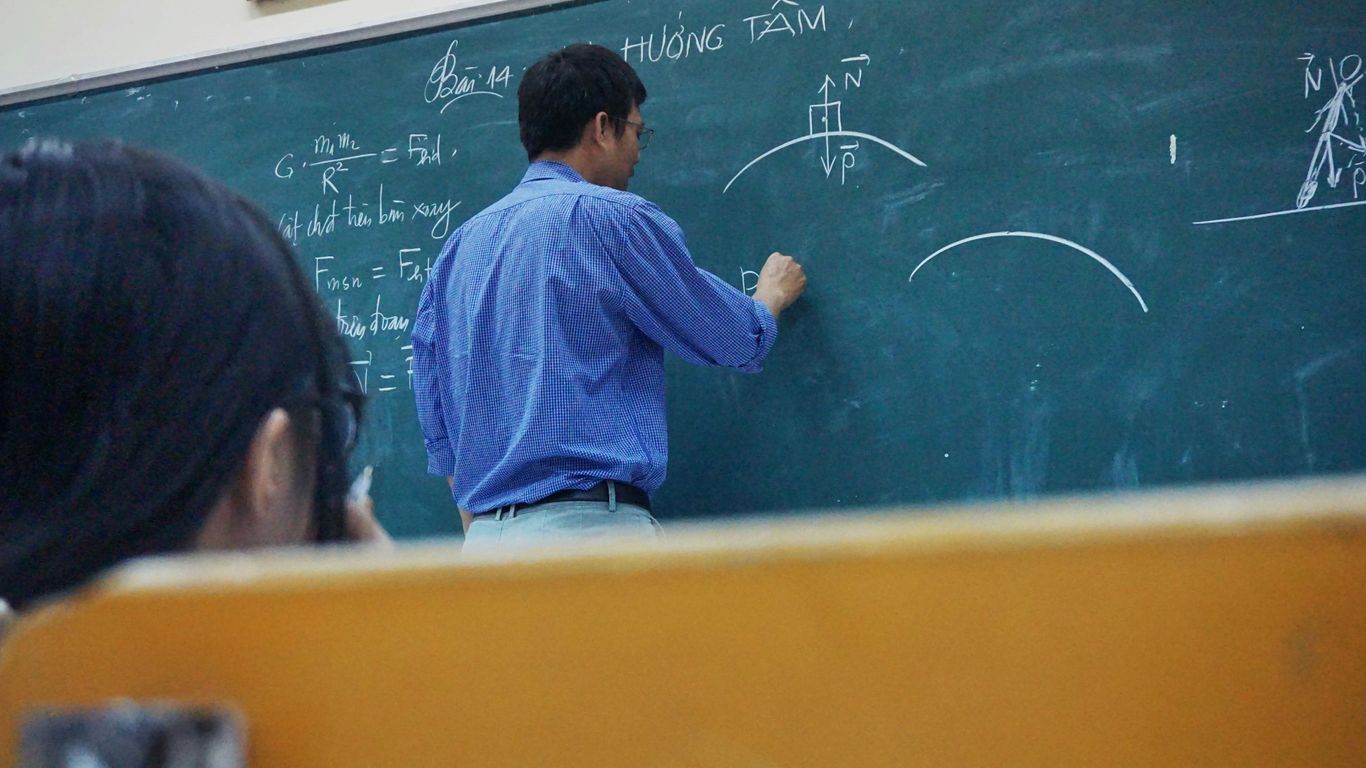
It’s easy to think of AI as something that just helps students, but honestly, it’s a game-changer for teachers too. Think about all the time spent on paperwork and grading – AI can really cut into that. This means more time for what really matters: actually teaching and connecting with students. AI tools are becoming sophisticated enough to handle many routine tasks, freeing up educators to focus on the human side of education.
Automating Administrative Burdens
Teachers are often buried under administrative duties. Grading papers, managing attendance, scheduling – it all adds up. AI can step in here. Imagine AI systems that can grade multiple-choice tests instantly or even provide initial feedback on essays. This isn’t about replacing teachers; it’s about giving them back valuable hours. Some AI can even help draft parent communications or organize classroom resources. It’s like having a super-efficient assistant for all those necessary but time-consuming jobs.
Identifying Students Needing Support
Sometimes, a student might be struggling, but it’s not always obvious. AI can help spot these students. By looking at patterns in how students interact with learning materials, their quiz scores, or even their participation in online discussions, AI can flag those who might be falling behind. This early warning system lets teachers intervene sooner, offering targeted help before a small issue becomes a big problem. It’s about using data to make sure no student gets left behind.
Enhancing Teacher-Student Interaction
With AI handling some of the grunt work, teachers have more bandwidth for meaningful interactions. Instead of spending hours grading, they can use that time for one-on-one check-ins, small group discussions, or developing more engaging lesson plans. AI can also provide teachers with insights into individual student progress, helping them tailor their approach. This allows for more personalized attention, making students feel seen and supported, which is pretty important for learning.
The Evolving Landscape of Educational Content
Remember when textbooks were the main way we learned stuff? It feels like ages ago. Now, AI is shaking things up, making learning materials way more interesting and useful. It’s like going from a black-and-white movie to a full-color IMAX experience.
Generating Personalized Learning Materials
Think about it: not everyone learns the same way. Some people need more examples, others prefer step-by-step guides. AI can look at how a student is doing and whip up materials that fit them perfectly. This means less struggling with confusing concepts and more time actually understanding things. It can create practice problems, summaries, or even different explanations of the same topic, all tailored to what a student needs right then and there.
Integrating Diverse Subject Matter
AI isn’t just about making one subject easier. It can also help connect different areas of study. Imagine learning about history and then having AI show you how it relates to science or art, all through interactive examples or curated readings. This makes learning feel more connected and less like a bunch of separate subjects you have to memorize.
Enriching Learning with Generative AI
Generative AI is the really cool part. It can create entirely new content, like writing stories based on historical events, composing music in a certain style, or even generating code for programming students. This isn’t just about consuming information; it’s about actively creating and exploring ideas. It opens up possibilities for projects and assignments that were just not feasible before. For instance, students could:
- Generate different endings for a novel they’re reading.
- Create a virtual tour of a historical site based on descriptions.
- Design a simple game to illustrate a physics concept.
This kind of active creation helps students grasp complex ideas in a much more hands-on way.
AI’s Role in Fostering Inclusivity and Access
It’s easy to think of AI in education as just another tech tool, but it’s actually a game-changer for making sure everyone gets a fair shot at learning. Think about it: not everyone learns the same way, and not everyone has the same advantages. AI can step in and help level the playing field.
Bridging Language Barriers with Translation
Language can be a huge hurdle for students. If you’re trying to learn calculus but the textbook is in a language you’re still picking up, that’s a tough spot. AI-powered translation tools are changing this. They can translate lectures, readings, and even classroom discussions in real-time. This means a student who’s new to English, for example, can follow along with a history lesson just as easily as their classmates. It opens up educational content to a much wider group of people who might otherwise be left behind.
Providing Education Anytime, Anywhere
Life happens, right? Maybe you have to work to support your family, or you live far from any schools. AI-driven learning platforms don’t care about your schedule or your zip code. You can access lessons, practice problems, and even get feedback on your work whenever and wherever you have an internet connection. This flexibility is a big deal for people who can’t commit to traditional classroom hours. It makes education a real possibility for folks who previously thought it was out of reach.
Supporting Diverse Learning Styles
Some students do best with reading, others with watching videos, and some need to do hands-on activities. AI can help cater to all these different ways of learning. It can present information in multiple formats, track which methods work best for an individual student, and then adjust accordingly. For instance, if a student struggles with a written explanation of photosynthesis, the AI might offer a video animation or an interactive simulation instead. This personalized approach helps students grasp concepts better, regardless of their preferred learning style.
Navigating Challenges and Ethical Considerations
Look, AI in schools is exciting, no doubt about it. But we can’t just jump in without thinking. There are some real sticky points we need to sort out. It’s not all smooth sailing, and ignoring the bumps could cause some serious problems down the road.
Ensuring Data Privacy and Security
This is a big one. When schools start using AI tools, they’re collecting a ton of student information. Think about grades, learning patterns, even personal feedback. We need to be super careful about where all that data goes and who can see it. Protecting student information from unauthorized access is non-negotiable. It’s like locking up your valuables; you wouldn’t just leave them out in the open, right? Schools need clear rules and strong systems in place to keep this data safe. It’s not just about following the law; it’s about earning and keeping the trust of parents and students.
Promoting Equity in Technology Access
We all want AI to help everyone learn, but what happens if some students don’t have the right tools at home? If AI becomes a main way to learn, but only kids with the latest gadgets or good internet can use it, that’s not fair. It could actually make the gap between students wider instead of smaller. We need to think about how to make sure all students, no matter their background or where they live, can get the same benefits from these new technologies. This might mean schools providing devices or finding ways to offer access outside of school hours.
Maintaining Transparency in AI Algorithms
Sometimes, AI can be a bit of a black box. It gives an answer, but we don’t always know how it got there. This can be a problem, especially if the AI has biases built into it. For example, an AI might show stereotypes when asked to create images or might not understand different cultural contexts. We need to push for AI systems that are more open about how they work. Knowing how an AI makes decisions helps us spot unfairness and correct it. It also helps students learn to question the information they get, rather than just accepting it blindly. It’s about making sure the AI is a helpful tool, not something that quietly reinforces old prejudices.
Preparing for the Future of Learning
The world keeps spinning, and education needs to keep up. AI isn’t just a fancy new tool; it’s becoming a core part of how we’ll learn and teach going forward. We need to get ready for this shift, not just as students, but as educators and institutions too.
Developing Essential 21st-Century Skills
Think about what jobs will look like in ten, twenty years. A lot of the skills that were super important even a decade ago might not be as big a deal. AI can help us focus on what really matters now. This means getting better at problem-solving, thinking creatively, and working with others. It’s also about learning how to learn, because things change so fast. AI can actually help with this by pointing out where we need to improve and suggesting ways to do it.
- Critical Thinking: Figuring out what information is reliable and how to use it.
- Creativity: Coming up with new ideas and solutions.
- Collaboration: Working effectively with other people, whether they’re in the room or online.
- Adaptability: Being able to adjust to new situations and technologies.
Driving Institutional Competitiveness
Schools and universities that don’t get on board with AI might get left behind. Students are looking for places that offer the latest and most effective ways to learn. If an institution can show it’s using AI to give students a better, more personalized education, it’s going to stand out. This means investing in the right tech and training for teachers. It’s not just about having fancy gadgets; it’s about using them to actually improve learning outcomes.
Maximizing Student Success with AI
Ultimately, all this comes down to helping students do their best. AI can help spot students who are struggling early on, before they fall too far behind. It can also give advanced students more challenging material so they don’t get bored. Imagine a system that knows exactly what each student needs, when they need it. That’s the goal. It’s about making sure every student has the best possible chance to succeed, no matter their background or how they learn best. This personalized approach is key to making sure no student is left behind in our rapidly changing world.
The Road Ahead
So, where does all this leave us? AI isn’t just some futuristic idea anymore; it’s here, and it’s changing how we teach and learn. From making lessons fit each student better to taking some of the busywork off teachers’ plates, the possibilities are pretty big. Of course, we’ve got to be smart about it, thinking about privacy and making sure everyone gets a fair shot. But if we handle it right, AI could really help make education better for everyone, preparing us all for whatever comes next. It’s an exciting time to see how this all plays out.