Get ready for the 2026 Great Lakes Crop Summit! This event is shaping up to be a great place for farmers to learn about new ways to farm better. With input costs going up and prices not always keeping pace, finding smart solutions is more important than ever. This summit is all about bringing practical ideas and fresh perspectives to help your farm stay strong and productive. Whether you’re looking at new tech, different crops, or ways to manage your land, there’s something here for you.
Key Takeaways
- Learn about digital tools that can help you make better farm decisions.
- Understand how to test and improve the health of your soil.
- Explore new crops like Kernza (intermediate wheatgrass) for your farm.
- Discover ways to combine farming with solar energy production (agrivoltaics).
- Find strategies to deal with rising costs and keep your farm profitable.
Exploring Innovations at the Great Lakes Crop Summit
The 2026 Great Lakes Crop Summit is shaping up to be a really interesting event, especially if you’re looking for new ideas to help your farm. It’s all about bringing practical, fresh thinking to the table for farmers dealing with today’s challenges, like those rising costs and tricky market prices. This section of the summit is packed with sessions designed to introduce you to some cutting-edge approaches and crops that could make a real difference.
Digital Agronomy Tools for Enhanced Decision-Making
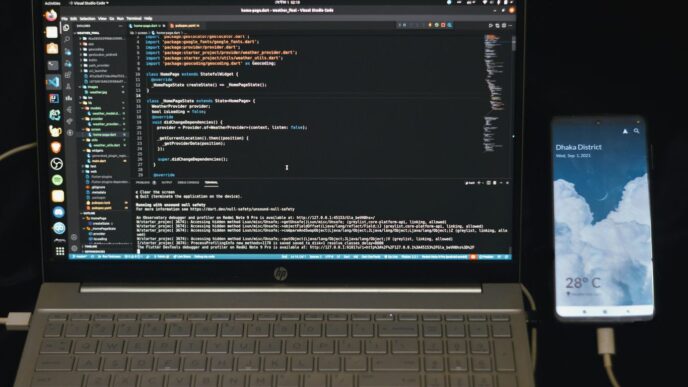
Farming is getting more tech-savvy, and this part of the summit will show you how. You’ll get a look at digital tools that can really help you make smarter choices on the farm. Think about getting better information for pest management, figuring out exactly what your crops need, and planning your season more effectively. These tools aren’t just fancy gadgets; they’re about saving you money on inputs and making your whole operation run smoother.
Understanding and Improving Soil Health
Soil is the foundation of everything, right? This session is all about getting a better handle on what’s happening beneath your feet. You’ll learn about different ways to test your soil, what those results actually mean, and how to use that information to build healthier, more productive dirt. It’s about making your soil work better for you, year after year.
Introducing Intermediate Wheatgrass (Kernza)
Ever heard of Kernza? It’s a type of wheatgrass that’s perennial, meaning it comes back year after year. This session will introduce you to this alternative crop, covering what it takes to grow it and why you might consider adding it to your rotation. It’s a chance to explore something different that could offer new opportunities.
Exploring Open-Pollinated Corn Varieties
Open-pollinated (OP) corn is making a comeback, and this session will break down what that means for farmers. You’ll hear about the good points and the not-so-good points, plus what you need to do to manage it. It’s a look at a different way to grow corn that might fit certain farm goals.
Sustainable Practices for Resilient Agriculture
Farming in today’s world means thinking about the long game. We need practices that keep our land healthy for years to come, not just for the next harvest. This section of the Great Lakes Crop Summit is all about those smart, sustainable methods that build resilience right into your operation.
Integrating Livestock into Cropping Systems
Bringing animals back into the fields can do wonders for soil health. It’s not just about manure, though that’s a big plus. Think about how grazing can help manage cover crops, break up pest cycles, and add organic matter. It’s a way to create a more closed-loop system on your farm.
- Improved Soil Structure: Animal hooves, when managed correctly, can help break up compaction. Their manure adds vital nutrients and organic matter.
- Pest and Weed Control: Targeted grazing can help manage certain weeds and reduce pest populations, cutting down on the need for other interventions.
- Nutrient Cycling: Livestock consume crop residues and cover crops, then deposit nutrients back onto the land, reducing the need for synthetic fertilizers.
Managing Crop Residue for Optimal Soil Conditions
What you leave behind after harvest matters. Crop residue isn’t just waste; it’s a resource. How you manage it can affect everything from soil moisture to the success of your next planting. Leaving adequate residue is key to protecting the soil surface from erosion and maintaining soil organic matter.
Here’s a quick look at some residue management considerations:
| Practice | Benefit |
|---|---|
| Leaving Standing Stalks | Traps snow, reduces wind erosion |
| Chisel Plowing | Incorporates some residue, less disturbance |
| No-Till | Maximizes residue cover, conserves moisture |
Cover Cropping in Perennial Systems
Even in orchards, vineyards, or other perennial setups, cover crops are a game-changer. They keep the soil covered, prevent erosion, and can provide habitat for beneficial insects. Different cover crops offer different benefits, so choosing the right mix is important for your specific goals.
- Erosion Control: Keeps soil in place, especially on slopes.
- Weed Suppression: Outcompetes weeds for light, water, and nutrients.
- Biodiversity Boost: Provides food and shelter for pollinators and other beneficial organisms.
Fostering Farmer-Lake Association Partnerships
Our farms and our lakes are connected. Working with local lake associations can lead to great outcomes for everyone. These partnerships can focus on shared goals like improving water quality, managing runoff, and educating the community. It’s about finding common ground and working together for a healthier environment.
Maximizing Farm Efficiency and Profitability
Farming these days feels like a constant balancing act, right? Prices for what we grow can be unpredictable, but the cost of seeds, fertilizer, and fuel? That just keeps climbing. It’s tough out there. But the Great Lakes Crop Summit is bringing some ideas to the table that could really help make things work better on the farm, both for your wallet and for the land.
Agrivoltaics: Combining Solar Energy and Agriculture
This is a pretty interesting concept: putting solar panels on farmland. It sounds a bit wild at first, but hear me out. The idea is to set up solar arrays in a way that still allows crops to grow underneath or between them. Think of it as getting two things out of the same piece of land – clean energy and food. The summit will talk about how certain crops, like grass hay and alfalfa, can actually do pretty well in these setups. It’s a way to add another income stream without taking up new ground. It’s about finding smart ways to use our land more effectively.
Optimizing Hay Yields and Nutrient Content
For those of you growing hay, whether for your own livestock or to sell, getting the most out of it is key. We’re not just talking about how much you can cut, but also about the quality – the nutrient levels. The summit sessions will dig into what makes hay more nutritious and how to get bigger yields. This can make a big difference, especially if you’re looking to reduce how much supplemental feed you need to buy or if you want to sell a higher-quality product.
Strategic Tillage for Soil Health Balance
We all know soil health is a big deal, but how we manage tillage plays a huge role. It’s not always a simple ‘no-till is best’ situation. The summit will explore the middle ground. They’ll discuss how different tillage methods affect the soil structure and the environment for seeds. It’s about finding that sweet spot where you can manage your fields effectively while still keeping your soil healthy for the long haul. You’ll learn about:
- When light tillage might be beneficial.
- How to manage residue to protect the soil surface.
- The impact of tillage on water infiltration and retention.
- Balancing weed control with soil disturbance.
Key Takeaways from the Great Lakes Crop Summit
Practical Knowledge for Soil Health Management
Getting your hands dirty with soil health is more important than ever. The summit really hammered home how crucial it is to know what’s going on beneath your feet. We looked at different ways to test your soil, not just for nutrients, but for the overall health and life within it. It’s not just about numbers on a report; it’s about understanding how your practices affect the soil over time. Think of it as a long-term investment in your farm’s future.
Strategies for Navigating Rising Input Costs
Nobody likes seeing their bills go up, especially for things like fertilizer and fuel. The summit offered some smart ideas to help manage these costs. We explored how integrating livestock into your crop rotation can actually cut down on fertilizer needs. Plus, there was a good discussion on managing crop residue – leaving more of it behind can help your soil and reduce the need for some inputs. It’s all about finding that balance.
Exploring Innovative Production Strategies
This was the exciting part, seeing what’s new and what could work on different farms. We got a look at things like Kernza, a perennial wheatgrass that could change up crop rotations. There was also talk about open-pollinated corn varieties, which offer a different approach than the usual hybrids. And for those with land near solar farms, the agrivoltaics session showed how you can grow crops like hay right alongside solar panels. It’s about thinking outside the box and finding new ways to make your farm work better.
Registering for the Great Lakes Crop Summit
Virtual Access and Registration Details
Getting signed up for the Great Lakes Crop Summit is pretty straightforward. All the sessions are happening online, so you can join from pretty much anywhere. There’s no charge to attend, which is great news for farmers trying to keep costs down. You do need to register beforehand to get the links to join each session, though. Make sure you do this before February 25th, as registration closes at 11:59 p.m. that night. You can attend as many sessions as you like, and you can hop between different topics if something catches your eye. It’s a good idea to sign up early so you don’t miss out.
Opportunities for Professional Credits
For those of you who need continuing education credits for your work, some of the summit sessions will offer them. Specifically, you might be able to get Restricted Use Pesticide (RUP) credits and Certified Crop Adviser (CCA) credits. The exact sessions offering these will be noted, so keep an eye out for that information when you’re looking at the schedule. It’s a nice bonus if you can get your professional development done while learning about new farming ideas.
Contact Information for Inquiries
If you have questions about the summit, registration, or anything else, there are a couple of ways to get in touch. You can reach out to Christine Charles. Her email is charl122@msu.edu, or you can give her a call at 973-255-6097. She should be able to help you out with any details you need.
Looking Ahead
So, that’s a wrap on what the 2026 Great Lakes Crop Summit is all about. It sounds like a pretty good chance for farmers to get some solid, practical ideas. With rising costs and tricky markets, having access to new tools and different ways of farming is super important. Whether it’s figuring out new crops like Kernza, using fancy tech for better planning, or just getting a handle on soil health, these events seem to offer a lot. It’s all about making farms stronger and more sustainable for the long run. Definitely worth checking out if you’re in the ag world.
Frequently Asked Questions
What is the Great Lakes Crop Summit all about?
The Great Lakes Crop Summit is an event packed with new ideas for farmers. It’s a place to learn about the latest farming tools, ways to make soil healthier, and different kinds of crops to grow. Think of it as a big learning party for farmers wanting to do better and make more money.
When and where is the summit happening?
The summit is happening virtually from February 23rd to March 5th, 2026. Since it’s online, you can join from anywhere! Just make sure you sign up to get the links to join the sessions.
What kind of new farming ideas will be discussed?
You’ll hear about cool digital tools that help farmers make smart choices, how to take care of your soil so it’s super healthy, and even learn about new crops like Kernza, which is a type of wheat that grows year after year. They’ll also talk about different kinds of corn that farmers can grow.
Will there be talks about making farms more eco-friendly?
Absolutely! The summit will cover how farmers can work with nature, like using animals to help crops grow better and managing leftover plant parts to keep soil healthy. There’s also a neat session on combining solar panels with farming!
How can this summit help me make more money on my farm?
By learning about new tools and methods, you can farm more efficiently. This means saving money on things like fertilizer and pesticides. The summit will also show you ways to get more from your crops and land, which can lead to more profit.
How do I sign up for the summit?
Signing up is easy and it’s free! You’ll need to register online to get the links to join the virtual sessions. It’s a good idea to sign up early. If you have questions, you can contact Christine Charles by email or phone.