Ever get stuck staring at a blank screen, hoping for that one good idea? Sometimes, thinking outside the box just needs a little nudge—and that’s where post it note brainstorming comes in. These small, sticky squares aren’t just for reminders. They can help you sort through your thoughts, bring teams together, and even add a bit of fun to your workday. Whether you’re planning a project, running a meeting, or just trying to get your desk organized, post it notes can make a big difference. Let’s see how you can use them to spark creativity and keep things moving.
Key Takeaways
- Post it note brainstorming turns big ideas into clear, visual plans everyone can see and move around.
- Using sticky notes for team sessions helps everyone share ideas, vote, and sort priorities without pressure.
- Sticky notes aren’t just for work—they can help organize meetings, feedback, and even travel plans.
- Making brainstorming sessions safe and open with post it notes encourages more people to join in and speak up.
- You can boost your own productivity by mapping out projects, tracking tasks, and planning adventures with sticky notes.
Transforming Ideas with Post-it Note Brainstorming

Sticky notes aren’t just for reminders—they’re tiny tools that can change the way teams think and work together. When you turn to Post-it brainstorming, you open up new ways to share, sort out, and sharpen creative ideas. Here’s how you can get the most out of this simple method, sectioned by practical techniques.
Dynamic Brainstorming Canvas
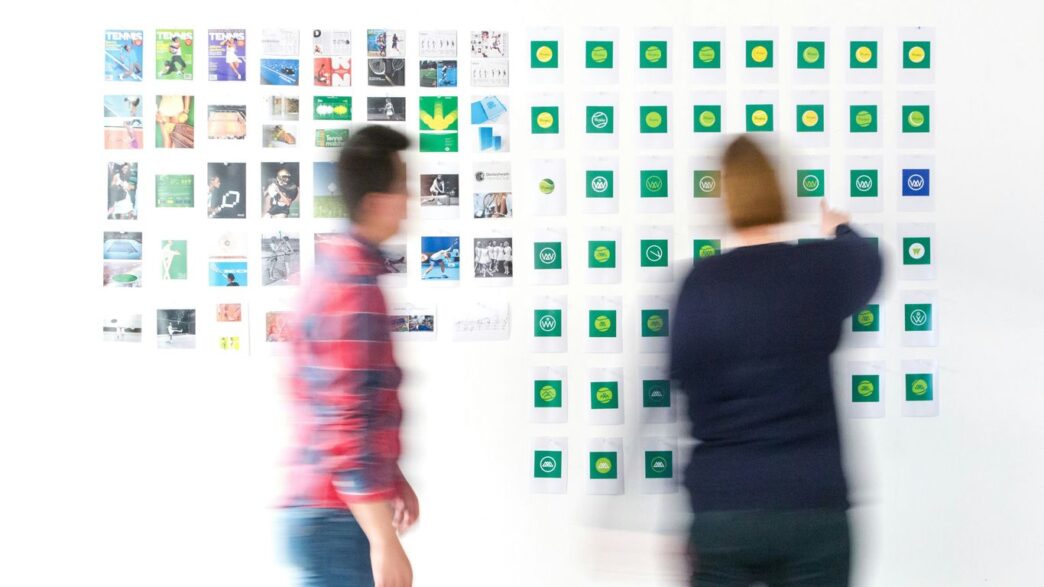
A wall covered in sticky notes turns a blank space into a playground for new ideas. Instead of cramming ideas onto a dry document, grab a pile of sticky notes and invite everyone to write down their thoughts—one idea per note. Stick them up, scatter them all over a wall or whiteboard. Don’t worry about being neat. The messier it gets, the better the flow seems.
Here’s how to make it work:
- Encourage everyone to write, no filtering or overthinking.
- Once ideas are up, start moving notes around. Group matching ideas or themes together.
- Let the clusters guide the conversation, pointing out patterns or gaps in thinking.
It’s physical and visual, so nothing gets hidden or lost, and it’s super easy to add or remove ideas on the fly. You can compare different brainstorming canvases and digital tools to find what suits your group best by checking out options like top brainstorming tools.
Collaborative Mind Mapping
Mind mapping with sticky notes steps up when you’re tackling tricky topics. Basically, slap your main theme in the center, stick related notes nearby, and, if you want, draw arrows between them right on the board. The beauty? If something doesn’t make sense, just peel, move, and stick until it does.
Here’s a basic process:
- Start with a central sticky note for your big idea.
- Write out sub-topics on new notes, arrange them in a rough circle.
- Connect related themes by positioning notes and drawing quick lines.
- Use different colors for topics, steps, or urgency for instant clarity.
This makes it simple to spot where ideas connect or overlap—and to shuffle stuff as new thoughts bubble up. Mind maps built this way can double as rough project plans or blueprints for bigger chats.
Instant Voting and Prioritization
Decision time? Sticky notes make picking priorities quick and hands-on. After your group’s brainstormed, ask everyone to place a sticker or checkmark on their top picks—no over-explaining needed. This cuts long debates and brings out the winners fast.
A sample voting setup might look like this:
| Idea | Votes |
|---|---|
| "Expand online store" | 6 |
| "Try pop-up events" | 3 |
| "Launch monthly newsletter" | 7 |
How to run quick prioritization:
- Give each person 2–3 stickers or dots to vote with.
- Everyone places their votes independently.
- Count up the stickers. The ideas with the most are top priorities.
It’s speedy and democratic. Nobody has to defend their vote, so quieter team members get just as much say as the loudest in the room.
Post-it brainstorming isn’t about making a pretty wall display—it’s about giving every idea a chance and making teamwork visible. Getting hands-on with sticky notes keeps minds ticking and chats lively, so it’s easier to spot a winning idea before it slips away.
Streamlining Workflows with Sticky Notes
Sticky notes are more than just little reminders; they’re surprisingly good at making work flow better. You can use them to get projects moving and keep meetings on track. It’s all about using their visual and hands-on nature to your advantage.
DIY Kanban Workflow
Want to manage projects like the pros? You can make your own Kanban board with just a whiteboard or a wall and some sticky notes. Draw three columns: ‘To Do,’ ‘In Progress,’ and ‘Done.’ Then, write each task on a sticky note. Different colors can help sort tasks, maybe by who’s doing them or what type of work it is. As people finish tasks, they move the note to the next column. This makes it super clear where things are getting stuck. If the ‘In Progress’ column gets too full, you know you need to help out or move things around. Seeing the ‘Done’ column fill up is also a nice visual reward.
Visual Meeting Agenda and Timeboxing
Meetings can go off the rails easily. To keep things focused, try this: write each topic for the meeting on a separate sticky note. Add how much time you think it should take, like ‘Discuss Q3 Sales – 15 minutes.’ Arrange these notes in order on a table or wall. As you talk about each item, move its note to a ‘Finished’ spot. If a discussion starts to run long, the stack of remaining notes is a visual reminder to wrap it up or move on. This keeps meetings from dragging and makes sure you cover what’s important.
Temporary Labels for Office Organization
When you’re reorganizing shelves, moving offices, or just trying to figure out what’s in all those boxes, sticky notes are a lifesaver. You can quickly label things with what’s inside, which department it belongs to, or if it needs special handling. They stick well but come off without leaving a mess, so you can try out different ways of organizing without making permanent marks. Once you’ve got your system down, you can swap the sticky notes for proper labels. It makes big changes much less chaotic and speeds things up.
Gathering Feedback and Insights

Sometimes, you just need to know what people really think. Post-it notes are pretty great for getting that honest feedback, whether it’s about a project, a product, or even just how a meeting went. It’s a simple way to collect thoughts without putting anyone on the spot.
Rapid "Stop-Start-Continue" Feedback
This is a super quick way to get a pulse check on what’s working and what’s not. You just need a few big sheets of paper or a whiteboard. Write "Stop Doing," "Start Doing," and "Continue Doing" at the top of three separate sections. Then, have everyone write their ideas on individual Post-its and stick them under the right heading. It’s amazing how fast you can get a clear picture of team sentiment. The visual aspect makes it easy to see patterns at a glance.
Here’s how it usually goes:
- Stop Doing: What activities or processes are draining energy or not helping? Think about things that are a waste of time or just plain annoying.
- Start Doing: What new things could we try that might make things better? This is where you brainstorm new approaches or ideas.
- Continue Doing: What’s working well that we absolutely shouldn’t change? It’s good to know what to keep doing, too!
Once everyone’s notes are up, you can group similar ideas together. This usually sparks some good conversation and helps you figure out the most important things to focus on.
Mapping Customer Journeys
Understanding how customers interact with your product or service is key. Post-it notes make this whole process way more tangible. You can map out each step a customer takes, from their first encounter to becoming a loyal user. Each sticky note can represent a touchpoint, a feeling, or a potential problem. You can move them around, add new ones, and really get into the details of their experience. It’s a lot easier to see the whole picture when it’s laid out visually like this, and you can spot areas where you can make things smoother for them.
Enhancing Team Collaboration
Sometimes, getting everyone on the same page can feel like herding cats, right? Post-it notes can really help bridge those gaps and make sure everyone feels heard. They create a tangible way for ideas to be shared and seen, which is a big deal for team dynamics.
Creating a Safe Space for Ideas
It’s tough to share a half-baked idea, especially if you’re not the loudest person in the room. Post-its can make this easier. Everyone can jot down their thoughts anonymously if needed, and then stick them on a shared surface. This way, the idea itself is the focus, not who said it. It helps introverts and quieter team members contribute without feeling put on the spot. You can even set a timer for idea submission to prevent overthinking.
Here’s a simple way to start:
- Anonymous Idea Submission: Have everyone write ideas on separate notes. Collect them without looking at who wrote what.
- Themed Walls: Designate a wall for specific topics or problems. Participants add their notes to the relevant theme.
- Rotation: If you have a lot of ideas, rotate them on the wall every few days so new ones get attention.
Making Brainstorming Inclusive
Brainstorming shouldn’t be a popularity contest. Post-its help level the playing field. When everyone’s ideas are on sticky notes, they all look equal at first glance. This visual equality encourages more people to participate. You can use techniques like dot voting, where each person gets a few stickers to place on their favorite ideas. It’s a quick way to see what resonates with the group without lengthy debates. This method is great for prioritizing project tasks or deciding on the next steps for a campaign. It ensures that the most popular ideas rise to the top, not just the loudest voices.
Boosting Productivity with Post-it Notes
Sometimes the simplest tools can make the biggest difference in getting things done. Post-it notes, those little squares of color, are way more than just reminders for your fridge. They can actually help you get more out of your day, whether you’re tackling a big personal project or just trying to keep your own life organized.
Organizing Personal Projects
When you’ve got a personal project, big or small, it’s easy to feel overwhelmed. Sticky notes can break it down. You can jot down individual tasks, ideas, or steps on separate notes. Then, arrange them on a wall or a large piece of paper. This visual layout lets you see the whole project at once. You can easily move things around, add new steps, or group related tasks together. It makes the whole thing feel much more manageable. This visual approach helps you see progress and keeps you motivated. For example, if you’re learning a new skill, you could map out your learning path, noting down specific topics or exercises for each stage. It’s a great way to track what you’ve done and what’s next, making sure you don’t miss any important parts of your learning journey. You can even use different colors to represent different types of tasks or stages of completion, giving you a quick visual cue of where you stand.
Planning Travel Adventures
Planning a trip can get complicated fast. Where do you even start? Sticky notes can turn that chaos into a clear plan. You can create a visual itinerary by writing down each day’s activities, reservations, or places you want to visit on individual notes. Stick them on a map or a large sheet of paper in chronological order. This way, you can see your whole trip laid out. If something changes, or you decide to swap activities, just move the note. It’s super flexible. You can also use them for packing lists, breaking down what you need by category, or even jotting down important phrases in the local language. It makes the whole process less stressful and more enjoyable, so you can focus on the fun parts of your upcoming travel plans.
Here’s a quick way to get started with travel planning:
- Daily Breakdown: Write down each day’s main activities and any booked reservations on separate notes.
- Visual Layout: Arrange these notes chronologically on a wall or a large board.
- Flexibility: Easily move, add, or remove notes as your plans evolve.
- Packing Aid: Create categorized packing lists on sticky notes to ensure you don’t forget anything.
Keep Those Ideas Flowing
So, there you have it. Those little squares of paper are way more than just reminders. They can really help you get your thoughts organized and get everyone on the same page. We went through a bunch of ways to use them, from mapping out big projects to just figuring out what to do next. The main thing is they’re flexible. You can move them, change them, and see everything all at once. Give some of these ideas a try and see how much easier it is to come up with great stuff. You might be surprised what a simple sticky note can do.
Frequently Asked Questions
What’s the main benefit of using sticky notes for brainstorming?
Sticky notes make brainstorming super flexible! You can easily move ideas around, group similar thoughts, and change things up as new ideas pop up. It’s like having a magic board where your ideas can grow and change shape right before your eyes.
How can sticky notes help manage projects?
You can create a simple ‘To Do,’ ‘In Progress,’ and ‘Done’ board using sticky notes. As you finish tasks, you move the note to the next section. This makes it really clear what needs to be done and what’s already completed, helping everyone see where the project stands.
Is it hard to get everyone to participate in sticky note brainstorming?
Not at all! Sticky notes can actually make it easier for shy people to share their ideas. Everyone can write their thoughts down privately and put them on the board, so no one feels put on the spot. Plus, you can even make it anonymous!
Can sticky notes help improve meetings?
Yes! You can use sticky notes to create a meeting agenda. Write each topic on a note and set a time limit for it. This keeps the meeting on track and makes sure all important subjects get covered without going over time.
How do sticky notes help with customer feedback?
You can map out a customer’s journey step-by-step using sticky notes. Each note can represent a feeling or an action a customer takes. This helps you see where customers might be having problems and how you can make things better for them.
Are sticky notes useful for organizing things other than work projects?
Absolutely! People use them for all sorts of things, like organizing their pantry, planning meals for the week, creating packing lists for trips, or even setting fitness goals. They’re great for keeping track of personal tasks and making plans.