
Running a business these days can feel like juggling a dozen different apps, each doing its own thing. It’s a bit of a mess, honestly. You’ve got your sales software, your stock system, maybe something for marketing, and they all seem to speak different languages. This is where system integration services come in. Think of it as getting all those apps to talk to each other nicely, so things run smoother. It’s about making your technology work together, not against you.
Key Takeaways
- System integration services connect different software and hardware so they can share information and work together.
- This helps break down information barriers between departments, making data easier to access and use.
- By linking up existing systems, businesses can get more out of the technology they already have, saving money.
- Good integration makes business processes quicker and more efficient, like managing stock or customer orders.
- Working with the right partner for system integration services can make the process smoother and more cost-effective.
Understanding System Integration Services
Defining Seamless System Integration
Think about your business systems like different rooms in a house. You’ve got the kitchen for cooking, the living room for relaxing, and the bedrooms for sleeping. If you want to move from the kitchen to the living room, you just walk through the door, right? It’s straightforward. System integration is a bit like that, but for your company’s software and hardware. It’s about making sure all these different parts of your business technology can talk to each other and share information without any fuss. The goal is to make everything work together smoothly, like a well-oiled machine. No more jumping between different programmes or manually copying data from one place to another. It’s about creating a connected environment where information flows freely, making your day-to-day operations much simpler.
The Core Purpose of Integration Services
At its heart, integration is about connection. Businesses often end up with a collection of different software applications and hardware devices over time. Maybe your sales team uses one system, your finance department another, and your production line relies on something else entirely. These systems might be great on their own, but if they can’t share data, it causes problems. Integration services step in to fix this. They are the technical glue that binds these separate systems together. The main reason for doing this is to improve how your business runs. By linking systems, you can automate tasks, get a clearer picture of what’s happening across the company, and make sure everyone is working with the most up-to-date information. It’s all about making your business more efficient and responsive.
Bridging Disparate Systems for Efficiency
Imagine trying to run a marathon with one shoe tied to your ankle and the other on your foot. It’s going to be slow, awkward, and probably painful. That’s what happens when your business systems are disconnected. You might have a customer relationship management (CRM) system that holds all your client details, but if it can’t easily share that information with your order processing system, your team has to do a lot of extra work. Integration services bridge these gaps. They connect systems that were never designed to work together, allowing data to move between them automatically. This means:
- Reduced manual effort: Less time spent copying and pasting or re-entering data.
- Fewer errors: Human mistakes are minimised when data is transferred automatically.
- Faster processes: Information gets where it needs to be much more quickly.
- Better insights: You can get a complete view of your operations by combining data from different sources.
When systems can’t communicate, it’s like having brilliant people in different rooms, unable to share their ideas. Integration opens the doors so everyone can collaborate and contribute to the bigger picture, leading to better outcomes for the entire organisation.
The Crucial Role of System Integration Services
As businesses get bigger, they often end up with a jumble of different software and hardware. Think of it like having a separate filing cabinet for every single task – it gets messy fast. System integration services are the glue that holds all these separate bits together, making sure they can actually talk to each other.
Breaking Down Information Silos
One of the biggest headaches for any company is when information gets stuck in one department. Sales might have customer details that marketing can’t see, or finance might have figures that operations needs. This creates what we call ‘information silos’.
- Data gets trapped: Information can’t flow freely between teams.
- Decisions are delayed: Without the full picture, making good choices becomes a guessing game.
- Work is duplicated: Teams might be doing the same thing because they don’t know what others are up to.
System integration breaks down these walls. It connects systems so that data can be shared easily, giving everyone access to the information they need, when they need it. This means fewer mistakes and a much smoother workflow.
Empowering Informed Decision-Making
When all your systems are talking to each other, you get a much clearer view of what’s happening in your business. Instead of relying on gut feelings or outdated reports, you can access real-time data from across the organisation. This allows managers and teams to make decisions based on solid facts, not guesswork.
Having a unified view of your operations means you can spot trends, identify problems early, and react much faster to changes in the market. It’s like going from a blurry photograph to a high-definition video.
Maximising Existing Technology Investments
Most businesses have already spent a good amount of money on various software and hardware. Tossing out perfectly good systems just to get a new, all-in-one solution can be incredibly expensive and disruptive. System integration allows you to connect your older, ‘legacy’ systems with newer applications. This way, you can continue to use the technology you already have, but make it work better and smarter by linking it with other tools. It’s a much more sensible and cost-effective approach than a complete overhaul.
Key Components of Expert System Integration
When we talk about getting systems to work together properly, it’s not just one big job. It’s actually made up of a few different, but equally important, parts. Think of it like building a house – you need foundations, walls, a roof, and all the plumbing and electrics. Each bit has its own role, but they all have to connect up right for the house to function.
Application Integration for Data Exchange
This is all about making sure your different software programs can chat to each other. You know, your customer relationship management (CRM) system needs to talk to your sales software, and maybe your accounting package needs to know what’s happening in both. Application integration uses things like APIs (Application Programming Interfaces) – which are basically sets of rules that let software talk to each other – to allow data to flow freely. This means information doesn’t get stuck in one place, waiting for someone to manually copy it over. It helps avoid mistakes and speeds things up no end.
Data Integration for a Unified View
Companies often have data scattered everywhere – in databases, spreadsheets, cloud services, you name it. Data integration is the process of pulling all that information together into one place, or at least making it look like it is. The goal is to get a single, consistent view of your business. So, instead of having one report showing sales figures and another showing stock levels, you can see them side-by-side, making it much easier to understand what’s really going on.
Business Process Integration for Productivity
This component looks at how your day-to-day tasks and workflows can be improved by connecting systems. It’s about making sure that when one step in a process is completed in one system, the next step automatically kicks off in another. For example, when a customer places an order online, that information should automatically update your inventory system and trigger a notification to the shipping department. This cuts down on manual work, reduces the chance of errors, and generally makes things run much more smoothly.
Technology Integration for Connected Devices
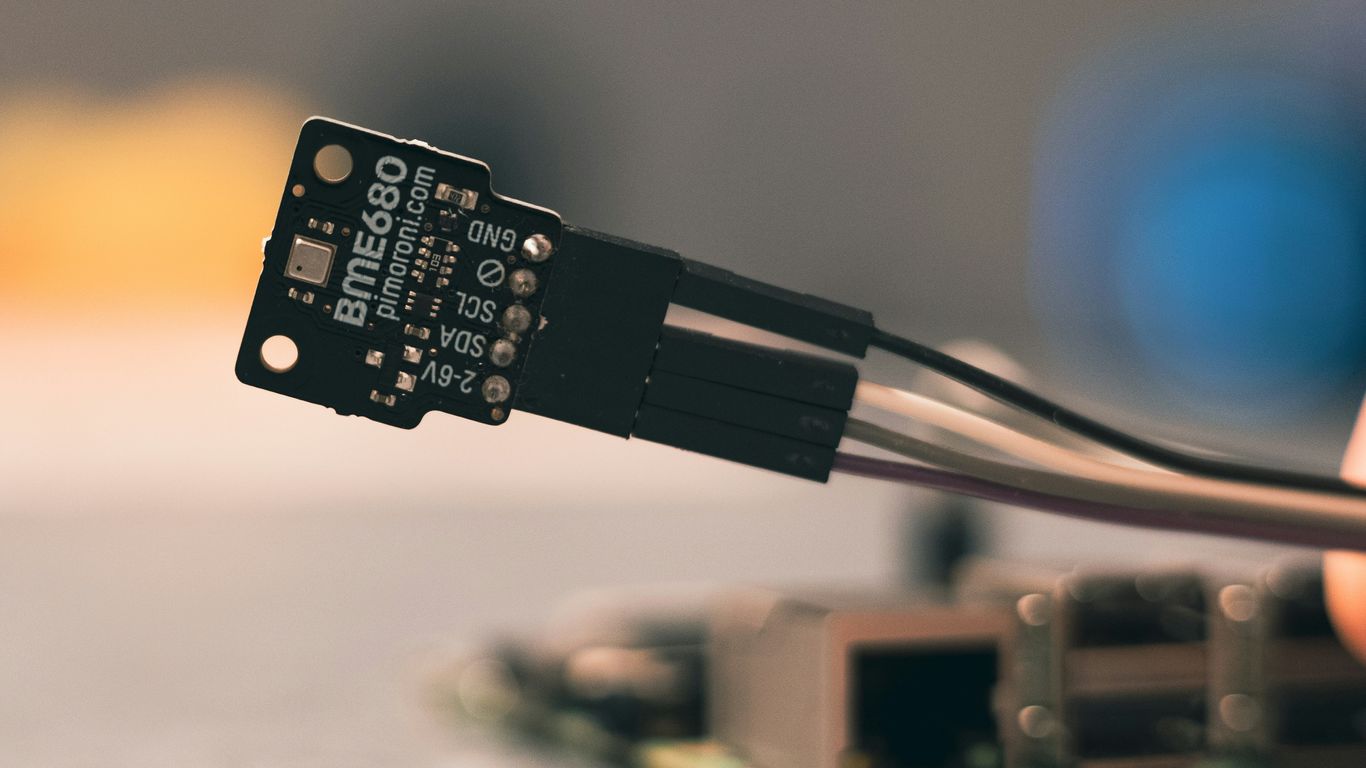
This is becoming more and more important, especially with the rise of the Internet of Things (IoT). It’s about connecting not just software applications, but also hardware devices, sensors, and machinery. Imagine factory equipment that can report its own status, or smart meters that send energy usage data automatically. Technology integration allows these devices to feed information into your main systems, giving you real-time insights and enabling things like predictive maintenance or automated adjustments.
Getting these different components to work together isn’t always straightforward. It requires careful planning and a good understanding of how each system operates and what data needs to be shared. The aim is always to make things simpler and more efficient for the people using the systems, and for the business as a whole.
Strategic Approaches to System Integration
Developing Tailored Integration Strategies
When you’re looking to connect different bits of your company’s technology, it’s not really a one-size-fits-all situation. You’ve got to figure out what works best for your specific business. This means looking closely at what you’re trying to achieve. Are you trying to speed up how quickly orders get processed? Or maybe you want to make sure everyone in sales has the most up-to-date customer info? Pinpointing these goals is the first step. Then, you can start thinking about the best way to link things up. It might involve using special software that acts as a go-between, or perhaps building direct connections if you only have a couple of systems to worry about. The key is to have a clear plan that matches your objectives.
Implementing Robust Solution Integration
Once you’ve got your strategy sorted, it’s time to actually put it into action. This is where you connect the different applications and systems. Think of it like building a bridge between two islands. You need to make sure the bridge is strong and can handle all the traffic (data) that will flow across it. This involves setting up the connections, making sure the data can move back and forth without getting lost or corrupted, and testing everything thoroughly. You don’t want to find out there’s a problem when a critical process grinds to a halt. It’s about building a reliable system that works smoothly.
Ensuring Security and Compliance Post-Integration
Connecting systems opens up new pathways for information, which is great for efficiency, but it also means you need to be extra careful about who can access what. Security has to be a top priority. You need to put measures in place to protect sensitive data from unauthorised access. This could involve things like encryption, strong passwords, and access controls. On top of that, you’ve got to make sure your integrated setup complies with all the relevant laws and regulations, like data protection rules. It’s not just about making things work; it’s about making sure they work safely and legally.
Leveraging System Integration for Operational Excellence
Enhancing Business Processes Through Connectivity
Think about how many different bits of software your company uses. You’ve got your customer relationship management (CRM) system, maybe something for marketing, your accounting software, and then the bits that handle stock or projects. Often, these systems don’t talk to each other. This means someone has to manually move information from one to another, which is a recipe for mistakes and takes up valuable time. Integrating these systems means data can just flow. For instance, when a sale is made in your CRM, that information can automatically update your inventory system and trigger an invoice in your accounting software. It cuts out the middleman – the person doing the copying and pasting – and makes sure everyone’s working with the most up-to-date information. This connection between systems means processes that used to take days can now happen in hours, or even minutes.
Streamlining Operations with Unified Systems
When systems don’t connect, you end up with information trapped in different places. This is often called a ‘data silo’. It’s like having loads of useful documents but they’re all in different filing cabinets, and you can’t easily find what you need. System integration brings all this information together, creating a single, reliable source. Imagine your sales team being able to see a customer’s entire history – from their first enquiry to their latest order – all in one place, without having to log into three different systems. This unified view makes day-to-day work much smoother. It also means that when you need to report on things, you’re not spending hours trying to pull data together from various sources. Everything is already organised and ready to go.
Improving Supply Chain Management Visibility
For any business that deals with physical goods, the supply chain is incredibly important. It’s a complex chain of events, from getting raw materials to delivering the finished product to the customer. If your systems for managing stock, logistics, and orders aren’t linked, it’s really hard to know exactly what’s going on. Are you running low on a key component? Is a shipment delayed? Without integration, you might not find out until it’s too late, leading to unhappy customers and lost sales. By connecting your inventory management software with your shipping partners’ systems and your sales platforms, you get a clear, real-time picture of your entire supply chain. This means you can spot potential problems before they happen, manage stock levels more effectively, and make sure deliveries are on time. It’s about having that bird’s-eye view so you can steer things in the right direction.
Integrating systems isn’t just about making software work together; it’s about making the whole business work better. It removes the friction points in daily tasks and allows people to focus on more important work rather than wrestling with data.
Here’s a look at how integration can impact key operational areas:
- Order Fulfilment Time: Reducing the time from order placement to delivery.
- Inventory Accuracy: Minimising discrepancies between recorded stock and actual stock.
- Customer Service Response: Providing quicker and more informed answers to customer queries.
- Reporting Speed: Generating business reports much faster due to consolidated data.
Choosing the Right System Integration Partner
So, you’ve decided that getting your systems to talk to each other properly is the way forward. That’s a big step, and a good one. But where do you even start with finding someone to help you do it? It’s not like picking up a new app from the store; this is about the guts of your business.
The Value of Integration Expertise as a Service
Think about it – you wouldn’t ask your accountant to fix your boiler, right? System integration is a specialised field. It needs people who understand the intricate ways different software and hardware can connect, or stubbornly refuse to. Hiring a dedicated integration service means you’re bringing in folks who do this day in, day out. They’ve seen the problems, they know the tricks, and they’ve got the tools already. It’s about getting that specific know-how without having to build it all yourself from scratch. This can save you a heap of time and, honestly, a lot of headaches.
Benefits of Partnering for Scalable Solutions
When you work with a good partner, they don’t just fix what’s broken today. They look at where your business is heading. A decent integration service will build things that can grow with you. You don’t want to spend a fortune getting everything connected, only to find it can’t handle more users or more data in a year’s time. A scalable solution means:
- Future-proofing: Your systems can adapt as your company expands.
- Flexibility: Easily add new applications or services down the line.
- Cost-effectiveness: Avoid major overhauls by building for growth from the start.
It’s easy to get caught up in the immediate ‘how’ of connecting systems, but the ‘what next’ is just as important. A partner who thinks about scalability is one who’s invested in your long-term success, not just a quick fix.
Ensuring Cost-Efficiency in Integration Projects
Let’s be honest, integration projects can get expensive. That’s why picking the right partner is key to keeping costs in check. A good service provider will be upfront about pricing and timelines. They’ll help you figure out what’s really necessary and what’s just ‘nice to have’.
Here’s a rough idea of what influences the cost:
| Factor | Impact on Cost |
|---|---|
| System Complexity | More complex systems usually mean higher costs. |
| Number of Systems | Integrating more systems naturally costs more. |
| Data Volume & Migration | Moving large amounts of data can be time-consuming. |
| Customisation Needed | Off-the-shelf solutions are cheaper than bespoke ones. |
| Security Requirements | Higher security needs can add to the expense. |
They should also be able to give you a clear breakdown of where the money is going, so there are no nasty surprises. It’s about getting good value, not just the cheapest option. Sometimes paying a bit more upfront for a solid, well-planned integration saves you a fortune in the long run through fewer issues and better performance.
Maintaining and Enhancing Integrated Systems
So, you’ve gone through the effort of getting all your systems talking to each other. That’s a big win! But here’s the thing: it’s not really a ‘set it and forget it’ kind of deal. Think of it like keeping a car running smoothly. You can’t just drive it forever without a bit of upkeep, right? The same applies to your integrated systems. Regular attention is key to making sure everything keeps working as it should and continues to help your business.
Continuous Assessment of Integration Architecture
It’s a good idea to periodically take a good look at how your systems are connected. Are the connections still doing what they’re supposed to? Are there any bottlenecks that have popped up as your business has changed or new technologies have been introduced? You might want to check things like how quickly data is moving between systems or if any processes are taking longer than they used to. This isn’t about finding fault; it’s about spotting opportunities to make things even better.
Periodic Maintenance for System Stability
Just like your computer needs updates, your integrated systems do too. This means scheduling in time for routine checks and fixes. It could involve updating software components, patching security vulnerabilities, or even just clearing out old data that’s no longer needed. Doing this regularly helps prevent bigger problems down the line and keeps everything running reliably. It’s much easier to fix a small glitch than a major system failure.
Gathering User Feedback for Improvement
Who knows how the systems are working day-to-day better than the people who actually use them? Make sure you have a way for your staff to give feedback. Are there parts of the integrated workflow that are confusing or frustrating? Are there tasks that could be made simpler? Collecting this kind of input is incredibly useful for identifying small tweaks that can make a big difference to productivity and user satisfaction. It shows you care about making their jobs easier.
Keeping your integrated systems in good shape isn’t just about fixing things when they break. It’s an ongoing process of checking, updating, and listening to the people who rely on them. This proactive approach helps you get the most out of your technology investments and adapt as your business evolves.
Wrapping Up
So, getting your different computer systems to talk to each other properly isn’t just a nice-to-have, it’s really important for making things run smoother. When everything’s connected, you cut down on mistakes, save time, and your team can actually get their work done without jumping through hoops. It might seem like a big job at first, but bringing in the right help means you can sort out those messy connections and get your business working a lot better. Don’t put it off – sorting out your systems now will pay off down the line.
Frequently Asked Questions
What exactly is system integration?
Think of it like connecting different puzzle pieces. System integration is all about making separate computer programs, devices, and information sources work together smoothly. This way, information can move around easily without you having to type it in everywhere, which helps prevent mistakes and makes things run faster.
Why do businesses need system integration?
Imagine each department in a company using its own separate tool, and they can’t share information. Integration breaks down these walls! It lets everyone access the latest information, make smarter choices, and work together better. It’s like giving everyone a clear view of what’s happening, instead of them being stuck in their own little rooms.
What are the main parts of system integration?
There are a few key bits. ‘Application integration’ connects software so they can share data. ‘Data integration’ pulls all your information together into one place so you have a clear picture. ‘Business process integration’ makes sure your daily tasks and workflows run smoothly across different systems. And ‘technology integration’ connects devices, like sensors, so they can all talk to each other.
How does integration help make businesses run better?
It really speeds things up! By connecting systems, you can automate tasks that used to take ages, like sending customer information from your sales system to your marketing tools. It also helps manage things like your stock and deliveries more efficiently by linking your main business system with your delivery trackers. This means less hassle and happier customers.
Is it expensive to get systems integrated?
It doesn’t have to be! When you work with experts, they can help you find smart ways to connect your systems without breaking the bank. They focus on making sure the integration works well and lasts, which saves you money in the long run by avoiding mistakes and making your technology work harder for you.
What happens after the systems are connected?
It’s not a one-time thing. Good integration needs looking after. This means checking regularly to see if everything is still running well and making small improvements. It’s also important to listen to the people using the systems to find out what could be better. It’s like keeping a car well-maintained so it keeps running smoothly.