Marketing is changing, and fast. Gone are the days of just putting up a billboard or running a TV ad and hoping for the best. People want more. They want to *feel* a brand, to be part of something. In 2026, experiential brand marketing is all about creating those real moments that stick. It’s less about selling and more about connecting, making people feel seen and heard. We’re talking about experiences that blend the digital and the physical, that feel personal, and that build actual communities. It’s a big shift, but one that’s really important if brands want to stand out.
Key Takeaways
- Experiential brand marketing in 2026 focuses on creating genuine human connections rather than just transactional interactions. Think events that feel like festivals, where people participate.
- Hyper-personalization is no longer optional. Using data to tailor experiences to each individual’s needs and interests is the new standard for building loyalty.
- Technology like AR, VR, and AI should be used to make live experiences more impactful and emotional, not just to add screens. It’s about telling stories in new ways.
- Brands need to invite their audience to be part of the story. Co-creation and building communities around shared experiences are more effective than one-way campaigns.
- Smaller, focused events and pop-ups are gaining traction over large conferences. These allow for more personal, targeted experiences that are easier to measure and build lasting relationships.
The Evolution of Experiential Brand Marketing
From Transactional Encounters to Emotional Connections
Remember when brand experiences were mostly about a quick stop at a booth for a freebie or a brief look around a pop-up shop? Yeah, me too. It felt pretty basic, right? Like, you got something, maybe a sticker or a pen, and then you moved on. It was all very one-and-done, a simple exchange. But things have really changed. Brands figured out that just handing stuff out wasn’t really building anything solid. What people actually remember, and what makes them stick around, is how something makes them feel. It’s not just about the product anymore; it’s about the whole vibe, the story, the connection. We’ve seen this huge shift from just getting a thing to actually feeling something real with a brand. It’s like going from a quick handshake to a long, meaningful conversation. That emotional punch is what makes people truly care.
The Rise of Immersive and Tech-Forward Experiences
So, what’s driving this change? Well, a big part of it is technology, and honestly, it’s pretty cool. We’re not just talking about a screen anymore. Think augmented reality (AR) that lets you see a product in your own space before you buy it, or virtual reality (VR) that drops you right into a brand’s world. It’s about making things feel real, even when they’re not. Brands are using these tools to create experiences that pull you in, making you a part of the story instead of just watching it from the sidelines. It’s like stepping into a video game, but it’s for a brand. This makes everything way more memorable and, let’s be honest, a lot more fun than staring at a billboard.
Meeting the Demands of a Sophisticated Consumer
Today’s consumers are pretty savvy. They’ve seen it all, and they’re not easily impressed by the same old tricks. They do their homework, they know what they want, and they expect brands to keep up. It’s not enough to just show up; you have to offer something genuinely interesting and relevant. People are looking for authenticity and brands that align with their own values. They want to feel understood, and they want experiences that are tailored to them. If you’re not offering something unique and meaningful, they’ll just scroll past. It’s a crowded market out there, and brands really need to bring their A-game to get noticed and keep people engaged.
Key Strategies for Deeper Human Connection
So, how do we actually get people to feel something about a brand in 2026? It’s not just about showing them cool stuff anymore. We’re talking about making them part of the story, making them feel like they belong. The old ways of just putting up a booth and handing out flyers? Yeah, those are pretty much over. People want more. They want experiences that stick with them, that make them feel seen and heard.
Embracing Festivalization and Blurring Audience Roles
Think about your favorite music festival. It’s not just about the bands, right? It’s the whole vibe – the shared energy, discovering new things, being part of a crowd that’s all there for the same reason. That’s the kind of feeling brands are aiming for now. We’re seeing more events that blend entertainment, learning, and just plain fun, making attendees feel like they’re not just watching, but actually participating. It’s about turning a one-off event into a whole experience, where everyone feels like they’re on a journey together. This shift means the line between who’s watching and who’s doing gets really fuzzy, and that’s a good thing. It creates a sense of shared adventure.
The Power of Emotion in Driving Brand Equity
Remember that time a brand really got you? Maybe it was a funny ad, or an event that perfectly captured what you love. That feeling? That’s what builds loyalty. In 2026, brands are figuring out that making people feel something – joy, excitement, even a little nostalgia – is way more powerful than just listing product features. It’s about creating memories. When people feel an emotional connection, they don’t just buy from you; they stick with you. They become fans. This emotional connection is what really builds up a brand’s worth over time, way more than just a quick sale.
Designing Brand Activations That Resonate
So, what does this look like in practice? It means moving beyond the predictable. Instead of just a product demo, imagine an interactive installation where people can actually play with the product in a fun, unexpected way. Or maybe it’s a workshop that teaches a skill related to the brand, but in a really engaging format. The goal is to create moments that people will remember and want to share. Here are a few ideas:
- Interactive Storytelling: Create experiences where attendees can influence the outcome of a brand narrative.
- Sensory Immersion: Use sound, light, and even scent to create a memorable atmosphere that ties back to the brand’s identity.
- Community Challenges: Design activities that encourage collaboration and friendly competition among attendees, building a sense of shared accomplishment.
- Personalized Takeaways: Offer something tangible that attendees can take home, which serves as a reminder of the positive experience they had. This could be a custom-made item or a digital memento. This is a great way to keep the brand connection alive long after the event ends.
Hyper-Personalization: The Foundation of Modern Strategy
Forget just putting a name on an email. In 2026, we’re talking about experiences that really get people. It’s not enough to know someone’s age or location; brands need to tap into what makes them tick, right here, right now. This is about making every single interaction feel like it was made just for that one person.
Think about it: you’re walking through a brand activation, and the music shifts to a genre you love, or a digital display shows information relevant to your specific interests. That’s hyper-personalization in action. It’s built on understanding individuals, not just broad groups. We’re moving past simple "you might also like" suggestions to something much deeper.
Here’s how brands are making this happen:
- Persona-Driven Journeys: Imagine an event where the content and activities you see are perfectly aligned with your professional goals or personal hobbies. It’s like having a custom-made itinerary that anticipates what you’ll find most interesting.
- Real-Time Adaptations: What if an app could suggest the next session to attend based on how you’re interacting with the current one, or even your mood? Technology is making these dynamic shifts possible, so the experience evolves with you.
- Tailored Content Streams: Instead of one generic video for everyone, imagine different versions playing out based on what the brand knows about your past interactions or stated preferences. It makes the brand’s story feel more relevant to your own.
This level of attention makes people feel seen and understood. It’s not just about selling something; it’s about building a connection that lasts. When people feel like a brand truly knows them, they stick around. It’s the bedrock of building real loyalty in today’s busy world.
Experiential Storytelling Through Technology
Okay, so we’ve talked about how people want to feel brands, not just see them. Technology is the big helper here, making those feelings way more intense and memorable. It’s not about just slapping a screen on something; it’s about using tools like AR, VR, and AI to really pull people into the brand’s story. Think of it as building a world for them to step into.
Merging AR, VR, and AI for Emotional Impact
This is where things get really interesting. Augmented Reality (AR) can overlay digital info onto the real world, making something like a product demo feel like magic. Virtual Reality (VR) can completely transport someone to another place – imagine experiencing a new travel destination before you even book a flight. And Artificial Intelligence (AI)? It’s the brain behind it all, making these experiences smart and responsive. AI can actually tailor the story in real-time based on how someone is interacting. It’s like the brand is having a one-on-one conversation with each person, making them feel seen and understood. This isn’t just about looking cool; it’s about creating genuine emotional connections that stick.
Enhancing Live Experiences with Digital Integration
We’re not ditching live events, not at all. Instead, we’re making them even better with tech. Imagine being at a concert and using an app to see special effects only visible through your phone, or interacting with a stage element using voice commands. It adds layers to what’s already happening, making the whole thing more engaging. It’s about blending the physical and digital so they work together, not against each other. This approach means events aren’t limited by where they are anymore; people can join in from anywhere, creating a much bigger, shared moment. It’s a way to make a big splash, even if you’re not physically there, which is pretty neat for reaching more people.
Amplifying Sensory and Emotional Narratives
Ultimately, technology in experiential marketing is about telling a better story. It’s about engaging more of someone’s senses and making them feel something. When AR makes a product come to life in your hands, or VR lets you walk through a historical event, you’re not just observing; you’re participating. This deeper involvement creates stronger memories and a more lasting impression of the brand. It’s about making the narrative tangible, something people can touch, see, and experience directly. This is how brands move beyond just being a logo to becoming a part of someone’s personal story. For brands looking to make a real impact, understanding how to weave these technologies into their storytelling is key. It’s a big shift from just showing people things to letting them live the brand’s message. Check out how media and entertainment is using similar techniques.
The Era of Co-Creation and Community Building
Forget just showing people your brand; in 2026, it’s all about inviting them to help build it. We’re seeing a big shift from brands talking at consumers to brands talking with them, and even letting them take the lead sometimes. It’s like moving from a one-way street to a busy town square where everyone’s got something to say and contribute.
Inviting Audiences to Shape Brand Narratives
This isn’t just about asking for feedback on a new product color. We’re talking about real input that changes things. Think about brands that let their followers vote on the next feature for an app, or even help design a limited-edition item. It makes people feel heard, and honestly, it often leads to better ideas because who knows what customers want better than the customers themselves?
- User-Generated Content Campaigns: Brands are actively encouraging and showcasing content made by their customers. This isn’t just a few posts; it’s becoming a core part of marketing.
- Interactive Storytelling Platforms: Digital spaces where consumers can add their own chapters or twists to a brand’s ongoing story.
- Co-Designed Product Lines: Limited runs or specific collections where customer input directly influences the final design and features.
Fostering Advocacy Through Shared Experiences
When people feel like they’re part of something, they become your biggest fans. Shared experiences, whether online or in person, create a sense of belonging. It’s that feeling of being an insider, knowing things others don’t, and being part of a group that gets it. This is how you turn a regular customer into someone who actively promotes your brand.
| Experience Type | Pre-2026 Approach | 2026 Approach | Impact on Advocacy |
|---|---|---|---|
| Events | One-off brand showcase | Community-driven gathering | Higher participation, shared memories |
| Digital Platforms | Brand-controlled forums | Co-created spaces, user-led discussions | Increased user investment, organic promotion |
| Product Development | Internal R&D | Customer ideation sessions | Stronger sense of ownership, vocal support |
Building Lasting Communities, Not Just Campaigns
Campaigns come and go, but communities stick around. The goal now is to build spaces where people can connect with the brand and, just as importantly, with each other, long after a specific marketing push is over. These communities become hubs for shared interests, support, and ongoing dialogue. This sustained connection is the real prize, creating a loyal base that feels genuinely invested. It’s about creating a place where people want to hang out, not just because your brand is there, but because the people there are interesting and share their passions.
The Shift Towards Micro-Events and Targeted Experiences
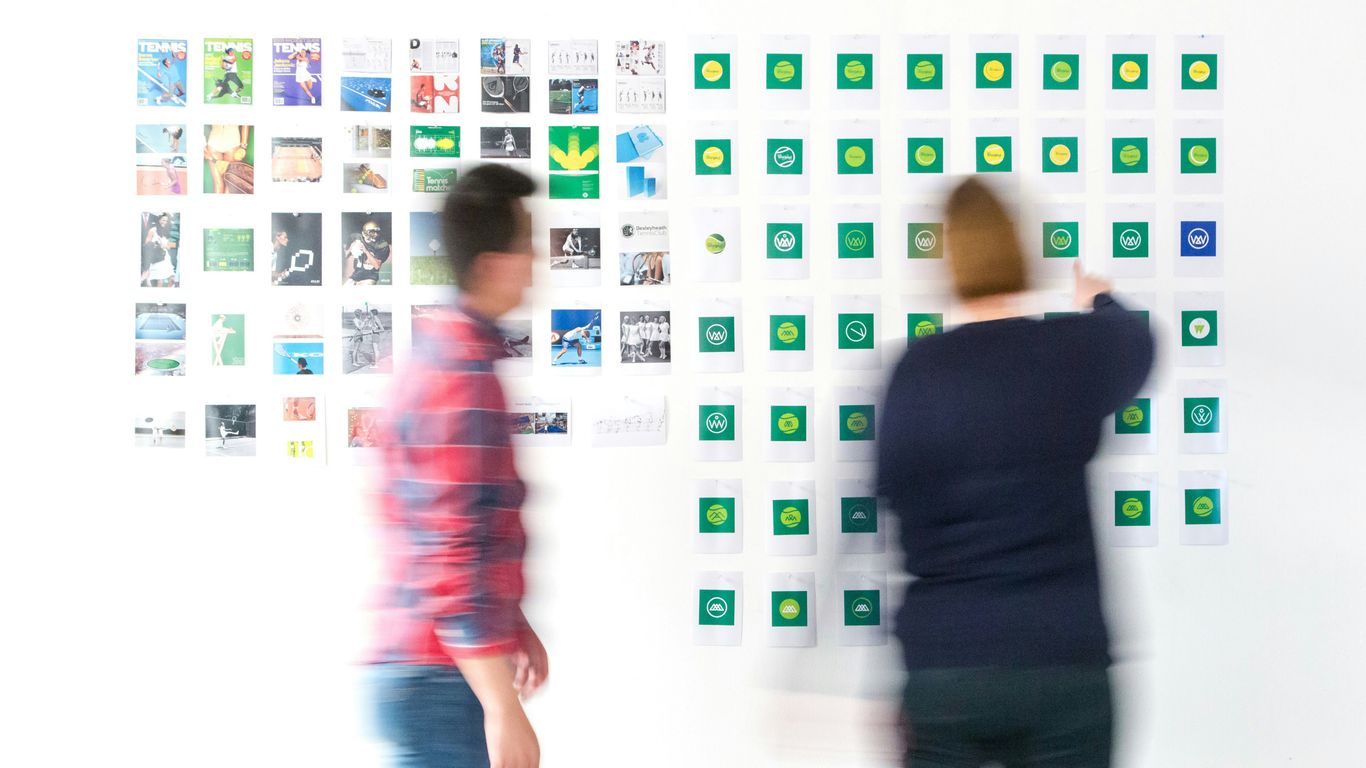
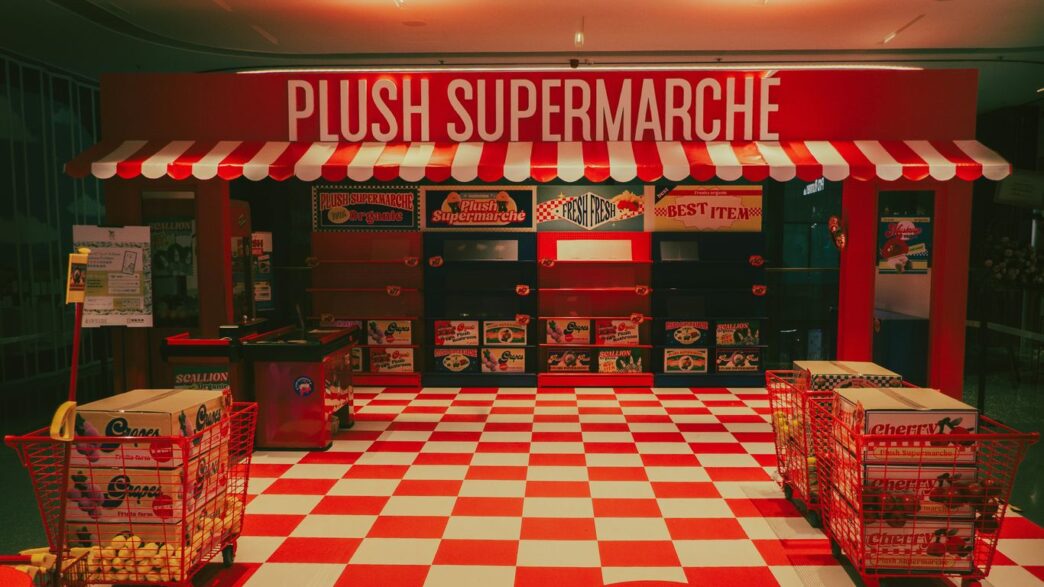
Forget those massive, overwhelming conferences for a minute. In 2026, the real buzz is happening in smaller, more focused gatherings. We’re talking about micro-events and pop-ups that let brands connect with people on a much more personal level. It’s less about broadcasting to a huge crowd and more about having meaningful conversations with specific groups. These smaller formats are where genuine engagement really takes root.
Think about it: instead of one giant event, a brand might host a series of localized pop-ups. These could be interactive installations in a city park or a cozy demo area in a popular neighborhood. The goal is to create an experience that feels tailor-made for the people who live or work there. It’s about making the brand feel accessible and relevant to their daily lives. This approach also makes it easier to measure what’s working, as you can track engagement within each specific activation.
Another smart move is the thematic mini-series. Instead of a single big splash, brands are creating a sequence of smaller events that build on each other. Each event might reveal a new part of a story or offer a chance to earn points or badges, kind of like a game. This keeps people coming back and thinking about the brand over time, building a stronger connection than a one-off event ever could. It’s a way to turn a campaign into a journey, turning insight into experience.
Here’s a quick look at why this shift makes sense:
- Deeper Connection: Smaller groups mean more face-to-face time and less noise. People feel heard and valued.
- Higher Relevance: You can tailor the content and activities to the specific interests of the attendees in that particular micro-event.
- Increased Memorability: Unique, focused experiences are easier to remember and talk about than generic, large-scale ones.
- Better ROI: Often, these smaller events are more cost-effective, allowing for more targeted spending and clearer results.
Ethical Marketing and Privacy as Competitive Advantages
Building Trust Through Transparency and Honesty
Look, nobody likes feeling like their information is being scooped up without them knowing. It’s like walking into a store and having someone follow your every move. In 2026, people are just more aware of this stuff, and frankly, they’re tired of it. Brands that are upfront about what data they collect and why they need it? They’re the ones earning real trust. It’s not just about following rules; it’s about showing respect. When a brand is clear about its data practices, consumers feel more comfortable sharing what’s needed to make their experience better. Think of it as a fair trade: you give us this bit of info, and we make your visit way more enjoyable, no creepy tracking involved.
Integrating Ethical Practices into Brand Activations
This is where things get interesting. It’s not enough to just say you’re ethical; you have to show it. For experiential marketing, this means thinking about the whole picture. Are your event materials recyclable? Is your energy use minimal? Are you partnering with local communities in a way that actually benefits them? For example, a brand might host a pop-up shop that uses only reclaimed materials and donates a portion of profits to a local environmental group. That’s not just a cool event; it’s a statement. It shows you care about more than just selling stuff.
Here are a few things to keep in mind:
- Source materials responsibly: Where do your event supplies come from? Are they sustainable?
- Minimize waste: Think about single-use plastics and packaging. Can you go digital or use reusable options?
- Support local: Partner with local businesses and artisans for your events.
- Be mindful of your footprint: Consider energy consumption and transportation for attendees.
Respecting Consumer Privacy in Data Utilization
So, you’ve got some data from your event attendees. What now? The key is to use it wisely and, again, with their permission. If someone signed up for updates, send them updates. Don’t suddenly start bombarding them with ads for unrelated products. The goal is to make their future interactions with your brand even better, not to exploit their information. This means being super clear about how you’ll use their contact details and giving them easy ways to opt out. Brands that get this right build a loyal following because people know they can trust them with their personal information. It’s a simple idea, really: treat people’s data like you’d want your own treated.
Looking Ahead: The Human Connection in 2026
So, as we wrap up our look at brand marketing in 2026, it’s pretty clear what’s really important. It’s not just about flashy tech or clever campaigns anymore. The brands that are going to do well are the ones that focus on making real connections with people. Think about creating experiences that feel genuine, where customers feel heard and valued. This means getting personal, being honest, and maybe even letting your audience help shape things. It’s about building a community, not just selling a product. By putting people first and focusing on those real, human moments, brands can build something lasting. It’s a shift, for sure, but one that’s definitely worth making.
Frequently Asked Questions
What’s the main idea behind new brand marketing in 2026?
The big idea is to create real connections with people, not just sell them stuff. Brands want to make you feel something and be part of the story, using cool experiences that go beyond just ads.
How are brands making experiences more special for each person?
They’re using information about what you like and do to create experiences just for you. It’s like getting a personalized playlist, but for brand events or online stuff, making you feel understood.
What kind of technology are brands using for these experiences?
Brands are using things like Augmented Reality (AR) and Virtual Reality (VR) to make experiences more exciting and real. Imagine using your phone to see a product in your room before you buy it, or stepping into a virtual world to explore a brand.
Are big events still the main way brands connect?
Not always. Brands are also doing smaller, more focused events like pop-up shops or local gatherings. These let people connect more deeply with the brand and each other in a more personal way.
Why is it important for brands to be honest and care about privacy?
People want to trust the brands they support. Being open about how they use information and acting in a good way builds that trust. It shows they respect their customers, which makes people more loyal.
What does ‘co-creation’ mean in brand marketing?
It means brands are asking customers to help create things, like suggesting new ideas or sharing their own content. When people help build something, they feel more connected to it and become big fans.