
Thinking about getting your own financial product out there but worried about the cost and hassle? You’re not alone. Building something from scratch is a huge undertaking. That’s where white label banking comes in. It’s basically a shortcut, letting you use pre-built technology and put your own brand on it. This guide breaks down what white label banking is all about, why it makes sense, and what to look for if you’re considering it.
Key Takeaways
- White labeling in finance means rebranding a ready-made banking or financial service as your own, without building it from the ground up.
- Using white label banking solutions can significantly speed up how quickly you get a product to market and often saves a good chunk of money compared to custom development.
- These solutions typically include user-friendly interfaces, solid systems for handling transactions, ways to track performance, and built-in features to help with rules and regulations.
- Businesses use white label banking for things like creating digital banks, managing investments, setting up payment systems, and even for peer-to-peer lending platforms.
- When picking a provider, check their tech skills, how they charge, what other clients say, and if they offer good support after you start using their service.
Understanding White Label Banking Solutions
What Constitutes White Labeling in Finance?
So, what exactly is white labeling when we talk about money stuff? Basically, it’s when one company buys a product or service from another company and then slaps its own brand name on it. It’s like buying a generic t-shirt and then printing your own logo on it before selling it. The company selling it didn’t actually make the shirt; they just made it look like theirs. This happens all over the place, not just in banking. Think about electronics, web hosting, even some of the stuff you buy at the grocery store. In finance, it means a bank or a fintech company can offer a banking product – like a mobile app or a payment system – that was actually built by a different, specialized company. They just rebrand it, and boom, it looks like their own creation. This lets them get new products out there without having to build everything from scratch.
The Core Concept of White Label Banking
The main idea behind white label banking is pretty straightforward. A technology provider builds a banking solution – the software, the backend systems, all that jazz. Then, they let other businesses license this solution. The business that licenses it can then customize it with their own logo, colors, and maybe even tweak the user interface a bit. They present this rebranded product to their customers as if they developed it themselves. It’s a way to offer banking services or features without getting bogged down in the super complex details of building and maintaining the actual banking technology. The goal is to launch a branded financial product quickly and efficiently.
Ubiquity Across Industries
White labeling isn’t some new, fancy thing just for banks. It’s been around for ages and shows up in tons of different markets. You see it in:
- Retail: Store brands that are actually made by bigger manufacturers.
- Electronics: Many gadgets have the same internal parts but different brand names on the outside.
- Software: Companies often rebrand software to fit their specific needs.
- Food and Beverage: Think about store-brand cereals or sodas.
This widespread use shows that it’s a proven business model. It allows companies to expand their product lines and offer more to their customers without having to invest heavily in research, development, and manufacturing for every single item. In finance, this translates to quicker access to new digital banking tools and services.
Key Advantages of White Label Banking Adoption
So, why are so many financial outfits looking at white label banking solutions? It really boils down to a few big wins that can make a real difference. Think about it: you want to offer new services, but building everything from scratch takes ages and costs a fortune. That’s where this approach shines.
Accelerated Time-to-Market
This is a huge one. Instead of spending months, maybe even years, developing a new digital banking platform or feature, you can get it out the door much faster. White label providers already have the tech ready to go. You just need to put your brand on it and tweak it a bit. This means you can start serving your customers with new products way sooner than if you were building it all yourself. It’s like buying a pre-fab house versus building one brick by brick – you get to move in a lot quicker.
Significant Cost Savings
Let’s be honest, building financial software is expensive. You need a whole team of developers, designers, compliance experts, and more. Plus, there’s the ongoing cost of maintenance and updates. With a white label solution, you skip a lot of that upfront investment. You’re essentially licensing a ready-made product. This can save you a massive amount of money, especially for smaller institutions or startups that don’t have huge budgets to throw around.
Access to Advanced Technologies
These white label providers are specialists. They’re constantly working on their tech, making sure it’s up-to-date with the latest features and security measures. By partnering with them, you get to use their cutting-edge technology without having to hire a team of experts to build and maintain it. It’s a way to offer sophisticated digital banking services that might otherwise be out of reach. You’re basically borrowing their brainpower and tech.
Enhanced Branding Opportunities
Even though you’re using someone else’s technology, the whole point of white labeling is that it looks and feels like your brand. You can customize the look and feel, the user interface, and even some of the features to match your company’s identity. This means you can offer a branded experience that your customers recognize and trust, without compromising your brand’s integrity. It’s your logo, your colors, your customer service, all built on a solid tech foundation.
Essential Components of White Label Financial Software
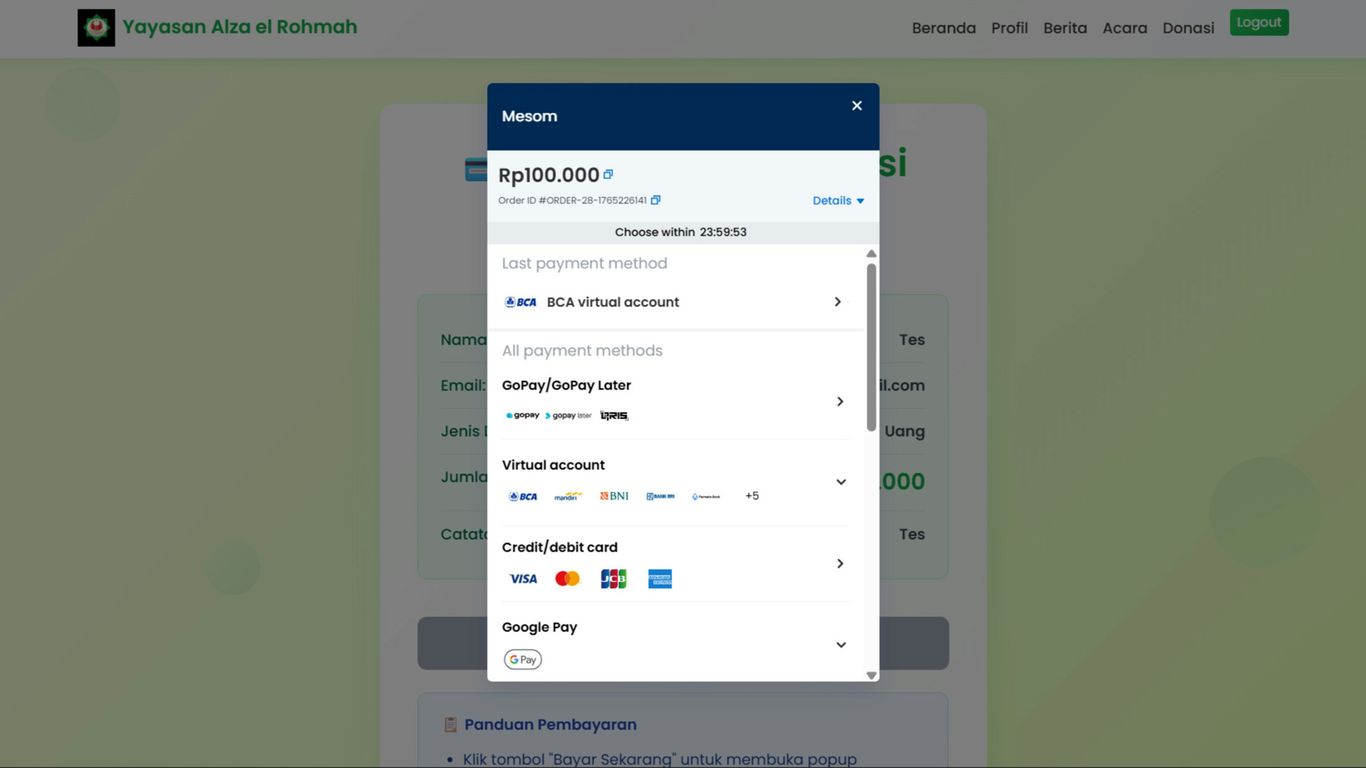
So, you’re looking into white label banking software. That’s smart. But what actually makes up these systems? It’s not just a pretty interface. There are several key parts that work together to make everything happen.
Intuitive Front-End User Interfaces
This is what your customers actually see and use. Think of it as the storefront. It needs to be easy to figure out, even for someone who isn’t a tech whiz. A good front-end means people can log in, check balances, and make transfers without pulling their hair out. It’s also where your brand really shines, so it should look and feel like your company, not some generic template.
Robust Transactional Systems
This is the engine room. It’s where all the money movement happens – payments, transfers, maybe even trading or lending. These systems have to be super secure and reliable. You don’t want any hiccups when money is involved. White label providers usually have these systems ready to go, but they can often be tweaked to handle different types of transactions or currencies you might need.
Comprehensive Reporting Modules
Ever wonder how your business is doing? Reporting modules are your answer. They let you pull data on everything – how much money is coming in, who your customers are, if you’re meeting regulations. You can usually view this information right on a dashboard or export it to look at more closely. Making smart decisions is a lot easier when you have good data.
Built-in Compliance and Regulatory Features
Dealing with financial rules can be a headache. That’s why good white label software comes with features already built-in to help you stay on the right side of the law. This can include things like:
- Know Your Customer (KYC) checks
- Anti-Money Laundering (AML) tools
- Multi-Factor Authentication (MFA) for security
- Role-Based Access Control (RBAC) to limit who sees what
Having these in place from the start saves a lot of trouble down the road.
Exploring White Label Banking Use Cases
So, where exactly can you put these white label banking solutions to work? It turns out, they’re pretty versatile. Think of them as the building blocks for all sorts of financial services you might want to offer, without having to build everything from the ground up.
Digital Banking Platforms
This is probably the most common use. Companies can launch their own digital bank, complete with accounts, debit cards, and mobile apps, all under their own brand. It’s a fast way to get into the banking game. You can offer basic checking and savings accounts, or even more advanced features. Some platforms are even starting to incorporate digital assets, letting users manage both traditional money and crypto in one spot. It really gives customers a unified financial experience.
Investment and Portfolio Management
For businesses focused on wealth management, white label solutions are a game-changer. They can offer investment platforms, trading tools, and robo-advisory services to their clients. This means you can provide sophisticated investment tools without needing a huge team of developers. The speed at which you can get these services to market is a major plus. Instead of years, you might be looking at months to launch. This is a big deal when you want to stay competitive.
Payment Gateway Solutions
Handling payments is another area where white label tech shines. Companies can offer their own branded payment processing services to merchants. This includes everything from online checkout buttons to managing recurring billing. It simplifies the process for businesses that need to accept payments, and it looks professional because it’s all under their own name.
Peer-to-Peer Lending Platforms
White label software also makes it easier to set up peer-to-peer lending or crowdfunding platforms. These platforms connect borrowers directly with lenders or investors. The white label provider handles the technical backend, like user accounts, transaction processing, and loan management, while the company running the platform focuses on building its user base and managing the community. It’s a way to facilitate lending and investment without the heavy lifting of building the entire infrastructure.
Navigating Challenges in White Label Banking
So, you’re thinking about jumping into white label banking. It sounds pretty straightforward, right? Get a ready-made solution, slap your brand on it, and boom – new financial product. But, like most things that seem too easy, there are a few bumps in the road you’ll want to be aware of. It’s not always just plug-and-play.
Integration and Compatibility Hurdles
One of the first big hurdles is getting the white label software to play nice with whatever systems you already have running. Think of it like trying to connect an old VCR to a brand-new smart TV. Sometimes, they just don’t talk to each other easily. This can mean a lot of extra work, maybe even some custom coding, to make sure data flows correctly and nothing breaks. Getting this integration right is key to avoiding headaches down the line. It’s not just about plugging it in; it’s about making it a part of your existing setup without causing chaos.
Balancing Customization and Usability
Then there’s the customization puzzle. You want your product to feel unique, right? You want your logo, your colors, maybe even some specific features. But here’s the catch: the more you try to change a pre-built system, the more complex it can get. You have to find that sweet spot between making it look and feel like your brand and keeping it simple enough that it still works well for your customers. Too much customization can sometimes make the user experience clunky, and nobody wants that. It’s a bit of a balancing act, really.
Adapting to Evolving Financial Regulations
Finally, let’s talk about the rules. The financial world is always changing, and regulations are no exception. What’s compliant today might need a tweak tomorrow. When you’re using a white label solution, you’re relying on your provider to keep their software up-to-date with all these shifting rules. You need to be sure they’re on top of things, constantly updating their systems to meet new requirements. It means you can’t just set it and forget it; you have to stay engaged and make sure your provider is too. Staying compliant is a continuous effort, and it’s a big part of what makes white-label infrastructure a viable solution.
Selecting the Ideal White Label Banking Provider
Picking the right partner for your white label banking software is a big deal. It’s not just about getting a product out there; it’s about finding someone who can help you grow and keep things running smoothly. Think of it like choosing a contractor for a major home renovation – you want someone reliable, skilled, and who understands your vision.
Evaluating Technical Prowess and Track Record
First things first, you need to see what they’ve actually done. Does this provider have a history of launching successful financial products? Look into their development skills and how well they understand cloud systems. It’s like checking a chef’s resume – you want to know they can actually cook what they claim. A provider with a solid background means they’ve likely ironed out many of the kinks already.
Understanding Diverse Pricing Structures
Money talks, right? White label providers have different ways of charging. Some have a set price, others are subscription-based, and some offer custom plans. You need to get a handle on these models to figure out what makes the most sense for your budget and business goals. It’s important to know exactly what you’re paying for and what’s included. For instance, if you’re looking into payment processing, understanding the fee structure is key to picking the right payment infrastructure.
Assessing Reputation and Client Feedback
What are other people saying? Checking reviews and client satisfaction scores is a smart move. See who else they work with and if they have any notable partners or investors. A good reputation usually means they’re doing something right and are likely to be a dependable partner.
Ensuring Post-Deployment Support and Training
Things can go wrong, and that’s okay. What’s not okay is being left in the dark when something breaks. You want a provider that offers ongoing support. This means:
- Regular check-ins to see how things are going.
- Progress reviews to discuss updates and improvements.
- Training sessions to make sure your team knows how to use the software effectively.
Having this kind of backup means you’re not just buying software; you’re building a relationship with a partner who’s invested in your success long after the initial launch.
The Future Trajectory of White Label Financial Software
So, what’s next for white label banking software? It’s not just about keeping up; it’s about getting ahead. The tech world moves fast, and finance is no exception. We’re seeing some pretty big shifts on the horizon.
Integration of AI and Machine Learning
Artificial intelligence (AI) and machine learning (ML) are no longer just buzzwords. They’re becoming standard tools. Think about it: AI can help spot fraud patterns way faster than a human ever could. ML can analyze customer behavior to predict what they might need next, like suggesting a better savings plan or a loan product. This means more personalized and secure financial services for everyone. It’s like having a super-smart assistant working behind the scenes.
Personalization Through Big Data Analytics
We’re generating more data than ever before, and white label solutions are getting better at using it. Big data analytics allows providers to really understand individual customer needs. Instead of a one-size-fits-all approach, you’ll see financial products tailored specifically to you. This could mean custom interest rates, personalized investment advice, or even budgeting tools that adapt to your spending habits in real-time. It’s about making finance feel less generic and more like it was made just for you.
Expansion of Cross-Border Financial Tools
In today’s world, people and businesses operate globally. Sending money overseas or managing finances across different countries can be a headache. White label software is stepping in to simplify this. We’re going to see more tools that make international payments easier, currency exchange more transparent, and global investment management more accessible. This helps bridge gaps and makes financial services truly international, not just local.
Wrapping It Up
So, we’ve gone over what white-label banking is all about and why so many companies are jumping on board. It’s pretty clear that using these ready-made solutions can save you a ton of time and money compared to building everything from scratch. Plus, you get to use tech that’s already proven and keep your own brand front and center. While there are a few bumps in the road, like making sure things fit with your current systems and keeping up with all the rules, working with the right partner can smooth those out. The financial world is always changing, and white-labeling seems like a smart way to keep up and find new ways to grow your business without getting bogged down in the tech details.
Frequently Asked Questions
What exactly is ‘white labeling’ in the money world?
Think of it like this: a company buys a ready-made product or service from another company. Then, they put their own brand name and look on it, making it seem like they created it themselves. They didn’t actually build it, but they sell it as their own. This is super common in many businesses, including finance.
Why would a company want to use a white label banking solution?
It’s like getting a head start! Companies can launch new money services much faster because they don’t have to build everything from scratch. It also saves them a ton of money on development and lets them use cool, new technology without having to be tech experts themselves. Plus, they can make it look exactly like their brand.
What are the main parts of a white label banking software?
There are a few key pieces. First, there’s the part customers see and use – it needs to be easy and look good. Then, there are the systems that handle all the money movements, like payments and transfers; these have to be super safe and reliable. You also need ways to see reports and track how things are going, and importantly, everything must follow the rules and laws for finance.
Can you give some examples of how companies use white label banking?
Sure! Companies use it to create their own digital banks, apps for managing investments, systems for sending and receiving money easily, and even platforms for people to lend money to each other. It’s a flexible way to offer many different kinds of financial services.
What are the tricky parts when using white label banking?
Sometimes, getting the new software to work with the company’s old systems can be a headache. Also, companies want to make the software their own, but they can’t change it too much, so finding that balance is important. And, of course, money rules change all the time, so they have to keep up with those.
How do I pick the best company to provide white label banking software?
You should look for a company that has a good history of making successful products. See how much they charge and if their prices make sense for you. Check what other customers say about them – are they happy? And make sure they’ll help you out and train your team after you start using the software.