
So, you’re looking to make some noise in 2026? It’s a wild digital world out there, and just putting stuff online isn’t enough anymore. Brands that want to get noticed and keep people interested need a solid plan for their company content. We’re talking about strategies that go beyond just posting pretty pictures. Think about how people actually find and buy things now – it’s all about short videos, feeling like you’re missing out if you don’t act fast, and being real with your audience. Plus, making sure your content is easy for computers to understand is becoming a big deal. Let’s get into what works.
Key Takeaways
- Short videos are king for showing off products quickly and in real-life ways, especially when they’re a bit unpolished and funny.
- Making people curious and hinting that something won’t be around forever can really get them to pay attention and buy.
- Viral marketing isn’t just for selling socks and snacks; even big industrial companies can use it by making complex stuff look interesting and fun.
- People want to trust brands. Being open, sticking to what you say you’ll do, and showing real efforts in areas like sustainability builds that trust.
- Consumers are shopping everywhere, all the time. Your company content needs to be ready for different search methods and show clear value, especially with money being tight for many.
Mastering Short-Form Video for Brand Growth
Forget those slick, overly polished ads from years past. In 2026, short-form video isn’t just for laughs; it’s a serious tool for getting people to buy things. The real winners are using super short clips, like 7 to 15 seconds, to show just one cool thing a product does, right when someone might need it. Think of it as a quick "aha!" moment for your audience. These quick demos, especially when they feel real and not staged, are doing way better than longer videos. People are watching them more and engaging with them a lot. The key is to be genuine and let the product speak for itself.
Leveraging Authentic Product Demonstrations
When you’re showing off your product, skip the actors and the fancy scripts. Let real people, maybe even your own employees or actual customers, show how they use it. Funny things that happen naturally while using the product are way better than forced jokes. It’s about those "wow, that actually solves a problem I didn’t know I had" moments. Brands that are doing this well are making their videos feel like a live, unscripted endorsement. It’s about showing the product in action, solving a real problem, or just being used in a way that makes sense.
Utilizing Micro-Moment Demonstrations
These are the super-short videos, the ones that grab attention in just a few seconds. They focus on a single benefit or a quick fix. Imagine showing how a new kitchen gadget perfectly slices an onion in under 10 seconds, or how a software feature instantly organizes a messy inbox. These aren’t about explaining everything; they’re about showing a quick win. Because people are busy and their attention spans are short, these quick hits are incredibly effective. They fit right into those small pockets of time when someone might be scrolling and open to seeing something new.
Integrating Shoppable Tags for Seamless Purchasing
This is where things get really interesting for sales. Platforms like TikTok and Instagram Reels now let you put "shoppable tags" right into your videos. This means someone can see your product, get interested, and buy it without ever leaving the app. It cuts out a lot of steps and makes it super easy for people to go from watching to buying. Early reports show this is really cutting down on people adding things to their cart and then forgetting about them. It’s like having a mini store right inside your video content.
Harnessing Curiosity and Scarcity in Campaigns

You know how sometimes you see something online and you just have to know more? That’s the power of curiosity, and brands are getting really good at using it. It’s not just about showing off your product; it’s about making people want to discover it themselves. Think about those unboxing videos where you don’t see the whole product, or those limited-time drops that sell out in hours. That feeling of ‘I need to get this before it’s gone’ or ‘What is that thing?’ is gold for marketers.
Employing Curiosity Hooks to Drive Engagement
This is all about making people stop scrolling. Instead of just saying ‘Buy our new widget!’, you might start with something like, ‘You won’t believe what this $10 item can do.’ It taps into our natural desire to know secrets or find hidden gems. It’s like a little puzzle you’re presenting to your audience. They see the hook, and their brain immediately wants the answer, pulling them into your content. This is a smart way to get initial attention, which is half the battle these days. For brands looking to connect their business objectives with their content, understanding these psychological triggers is key to achieving business objectives.
Implementing Scarcity Urgency Cues
This is the flip side of curiosity – the fear of missing out, or FOMO. When people think something is limited, either in quantity or time, they tend to act faster. Phrases like ‘Only 5 left!’ or ‘Sale ends tonight!’ aren’t new, but they work because they play on a real human instinct. It creates a gentle push to make a decision. It’s not about being pushy, but about acknowledging that people want what’s hard to get or what won’t be around forever. This can turn a casual browser into a buyer pretty quickly.
Understanding the Zeigarnik Effect and FOMO
So, why does this stuff work so well? It’s partly thanks to something called the Zeigarnik effect. Basically, our brains remember unfinished tasks or information better than completed ones. When you leave a little mystery in your content, people keep thinking about it. Combine that with FOMO – the anxiety that others are having rewarding experiences you’re missing out on – and you’ve got a powerful combo. It’s why those ‘mystery box’ promotions or flash sales can be so effective. People don’t want to be left out of the loop or miss a good deal, and they’re more likely to remember and act on something that feels incomplete or time-sensitive.
Expanding Viral Marketing Beyond Consumer Brands
Okay, so we all see those fun, viral videos from snack companies or fashion brands, right? It feels like that kind of buzz is just for stuff people buy every day. But guess what? That’s not the case anymore. The idea that viral marketing is only for consumer goods is totally outdated. We’re seeing companies in B2B and even industrial sectors figuring out how to make their content spread like wildfire.
Think about it. Who says a company that makes, say, industrial pumps can’t have a viral video? It’s all about how you show it. For example, a company that makes custom signs figured out how to make videos about their fabrication process surprisingly entertaining. They used trending sounds and showed off cool machines like CNC routers. One video got millions of views and brought in business from all over the world. It wasn’t about fancy graphics; it was about making something usually seen as dry actually interesting.
Applying Viral Strategies to B2B and Industrial Sectors
This is where things get really interesting for 2026. B2B companies, manufacturers, logistics providers – they can all tap into this. The key is to stop thinking about your audience as just people in suits needing a service. Think about what’s visually interesting or surprisingly complex about what you do. Can you show the engineering behind a product? Can you make a process look cool? The goal is to make the complex simple and the mundane engaging.
Here are a few ways to start thinking about this:
- Show the ‘How It’s Made’ Factor: People are curious. Showing the steps involved in creating your product or delivering your service can be fascinating. Think time-lapses of assembly, behind-the-scenes looks at your facility, or even explaining a technical process with simple animations.
- Inject Humor and Personality: Even in serious industries, humor can work. If your team has a good sense of humor, let it show. Short, funny skits related to common industry problems or relatable work situations can go a long way.
- Focus on Problem/Solution: Every business has problems it solves. Frame your content around those challenges and how your company provides the answer. This can be done in a storytelling format that grabs attention.
Demystifying Complex Processes Through Content
Many businesses, especially in technical fields, deal with processes that seem like magic to outsiders. Your job is to pull back the curtain. Instead of using industry jargon, break things down. Use analogies, simple graphics, or even short, animated explainers. When people understand what you do and how you do it, they trust you more. This builds a connection that goes beyond just a sales pitch.
Leveraging Employee-Led Storytelling
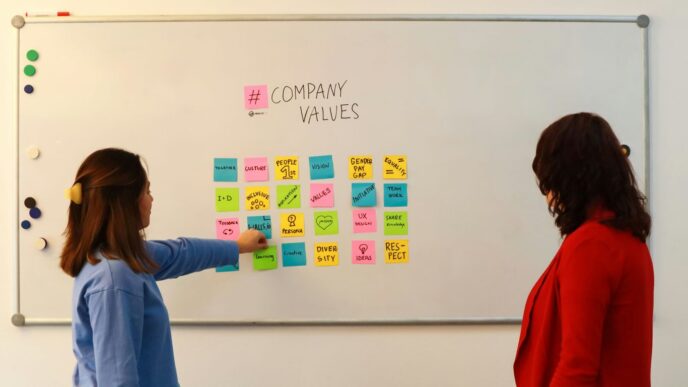
Who knows your company better than the people who work there every day? Encourage your employees to share their experiences. This could be anything from a day in the life of an engineer to a quick tip from a customer service rep. When content comes directly from your team, it feels more real and authentic. It shows the human side of your business, which is something everyone connects with, no matter what industry you’re in.
Building Trust Through Authentic Connections
In today’s market, trust isn’t just a nice-to-have; it’s the bedrock of lasting customer relationships. People are tired of slick marketing speak and want to know the real story behind the brands they support. Showing up honestly and consistently is how you build that genuine connection. It’s about more than just selling a product; it’s about sharing values and creating a sense of belonging.
Demonstrating Transparency and Consistency
Being upfront about your business practices is key. This means being clear about where your products come from, how they’re made, and what your company stands for. If you make a mistake, own it. Consistency in your messaging and actions builds reliability. Think about it like this:
- Product Sourcing: Clearly state where your materials originate.
- Manufacturing Process: Explain the steps involved in creating your goods.
- Company Values: Articulate what your brand believes in and acts upon.
This level of openness helps people feel more secure in their choices. It’s about being a brand that people can count on, day in and day out. For more on this, check out authentic marketing strategies.
Focusing on Tangible Sustainability Claims
Everyone talks about sustainability, but what does it actually mean for your brand? Instead of vague promises, focus on concrete actions and measurable results. Consumers are smart; they can spot greenwashing from a mile away. Share specific details about your environmental efforts, like:
- Reducing waste by X% in the last year.
- Using Y amount of recycled materials in your packaging.
- Partnering with Z organization for conservation efforts.
These specific examples show real commitment and make your sustainability efforts believable. It’s about making a real difference, not just talking about it.
Facilitating Community Connections
Brands today can act as connectors. Think about how you can bring people together around shared interests or values. This could involve supporting local initiatives, creating online forums for customers to interact, or even just highlighting customer stories. When people feel part of something bigger, their loyalty grows. It’s about creating a space where customers feel seen, heard, and connected not just to your brand, but to each other.
Adapting Content for Evolving Consumer Journeys
Things are changing fast, aren’t they? Consumers aren’t just browsing on one device anymore. They’re jumping between their phones, smart speakers, and even using visual search. It’s like they’re everywhere at once, and we need to be there too. This means our content has to be ready for all these different spots.
Optimizing Content for Diverse Search Environments
Remember when we just worried about Google search? That feels like ancient history now. Today’s shoppers are asking their smart speakers for recommendations while standing in the grocery aisle, or using their phone cameras to find products they see. We need to make sure our content shows up wherever they’re looking. This isn’t just about keywords anymore; it’s about being present in voice searches, image searches, and social feeds. It’s about making sure that when someone searches for "best running shoes," our brand pops up whether they’re typing, talking, or pointing their phone at something.
Ensuring Machine Readability with Generative AI
As AI gets smarter, it’s also changing how content is found and understood. Think of it like this: AI is reading and processing information much faster than we can. So, our content needs to be clear, direct, and structured in a way that AI can easily digest. This means getting straight to the point and providing answers that are highly relevant to what people are asking. We can’t afford to be vague. Concise, well-organized content is key for AI to pick up and share.
Addressing Economic Realities with Value-Oriented Messaging
Let’s be real, money is tight for a lot of people right now. While some consumers are still looking for premium stuff, many are focused on getting the most bang for their buck. They’re watching their spending and prioritizing essentials. Our messaging needs to reflect this. Instead of just talking about features, we need to show the real value and how our product or service helps people save money or solve a pressing problem. It’s about being honest and showing that we understand their situation. We need to be smart about how we talk about price and value, making sure our message connects with people who are being more careful with their cash. This might mean highlighting durability, cost savings over time, or offering more budget-friendly options. It’s about being a helpful resource, not just a seller. For more on how to adapt, check out zero-visit visibility.
Fostering Audience Interaction and Co-Creation
It’s not enough to just put content out there and hope for the best. In 2026, brands that really grow are the ones that get their audience involved. Think of your comment section not as a place for complaints, but as a lively town square. When you jump into conversations, answer questions with a bit of personality, or even just acknowledge a great point, those interactions themselves become content. People screenshot these exchanges and share them, giving your brand even more visibility. It’s like turning casual viewers into active participants in your brand’s story.
Transforming Comment Sections into Community Hubs
Treating comments as a two-way street is a game-changer. Instead of just broadcasting, actively engage. Respond to comments with humor, helpfulness, or genuine interest. These replies can often get more attention than the original post. It shows you’re listening and that there are real people behind the brand. This approach builds a sense of belonging, making people feel more connected to what you do.
Developing Content Series Based on Audience Feedback
Why guess what your audience wants to see? Ask them! Brands are finding success by creating content series that are directly inspired by what people are saying in the comments or asking in DMs. This could be anything from a Q&A series that tackles common questions to a challenge that viewers suggest. It’s a smart way to keep content fresh and relevant, and it makes your audience feel heard and valued. They become co-creators of your content calendar.
Executing Hashtag Challenges for User-Generated Content
Hashtag challenges are still a fantastic way to get people creating content for you. The trick is to make them easy to join but fun to share. Think about challenges that have a low barrier to entry but a high potential for people to show off their creativity. When you feature the best submissions on your own channels, it encourages even more people to participate. It’s a win-win: you get a flood of authentic content, and your audience gets recognition and a chance to be part of something bigger.
Measuring and Optimizing Viral Campaign Effectiveness
So, your content is blowing up online. Awesome! But how do you know if that "viral moment" is actually doing anything for your business, beyond just getting a lot of likes? That’s where measuring and optimizing come in. It’s not enough to just hope for lightning to strike twice; you need a plan to understand what worked and how to make it happen again.
Establishing Data-Driven Measurement Frameworks
Think of your viral campaigns like a science experiment. You need to set up a way to track what’s happening, from the first second people see your content to when they actually buy something. This means looking beyond just view counts. You need to connect the dots between that initial spark and real business results. This is how you turn a lucky break into a repeatable success.
Here’s a look at what you should be tracking:
- Initial Engagement: How many people clicked through? Did they watch the whole video? This tells you if your hook grabbed them.
- Interest to Intent: Did people add your product to their cart? This is a big step, showing they’re seriously considering a purchase.
- Sales Lift: Did your campaign actually lead to more sales than usual? You can figure this out by comparing sales during the campaign to a "normal" period, or even better, by running tests where some people see the campaign and others don’t.
- Brand Sentiment: What are people saying in the comments? Are they excited, confused, or negative? Tools that analyze comment sentiment can give you a feel for the overall reaction.
Tracking Key Metrics Across the Funnel
It’s all about seeing the whole picture, not just one part. A viral video might get tons of shares, but if no one clicks through to your site, it’s not doing much for sales. You need to watch how people move from seeing your content to becoming a customer.
| Stage of Funnel | Key Metrics to Watch |
|---|---|
| Awareness | Views, Shares, Reach, Impressions |
| Interest | Click-Through Rate (CTR), Video Completion Rate |
| Consideration | Add-to-Carts (ATCs), Website Traffic, Time on Site |
| Conversion | Sales, Conversion Rate, Return on Ad Spend (ROAS) |
| Loyalty | Repeat Purchases, Customer Lifetime Value |
Utilizing AI-Driven Responsiveness for Timely Campaigns
Things move fast online. What’s trending today might be old news tomorrow. This is where artificial intelligence can be a game-changer. AI can help you spot trends as they’re happening and react quickly. Imagine an AI system that notices a particular hashtag is suddenly taking off. It can alert you, and you can then quickly create and push out content or ads that fit right into that trending conversation. This means your campaigns stay relevant and can capture attention when it matters most, rather than being a day late and a dollar short. It’s about being agile and using technology to stay ahead of the curve.
Wrapping It Up
So, that’s the rundown on making your company’s content work harder in 2026. It’s pretty clear that just putting stuff out there and hoping for the best isn’t going to cut it anymore. Things are moving fast, and what worked last year might be old news now. We’ve talked about using short videos that feel real, getting people involved in making content, and even making your industrial stuff interesting. It’s all about being smart, paying attention to what people are actually saying, and using data to figure out what’s hitting the mark. Don’t be afraid to try new things, especially when it comes to showing off what makes your product special in a way that feels honest. The brands that will really grow are the ones that connect with people, understand what they care about, and show up in the right places with the right message. It’s a lot, I know, but by focusing on these ideas, you can definitely make 2026 a much bigger year for your business.
Frequently Asked Questions
What is viral marketing and why is it important for brands in 2026?
Viral marketing is when a message or content spreads really fast from person to person, like a virus. In 2026, it’s super important because it can get your brand noticed by tons of people quickly and cheaply, helping you grow much faster than regular ads.
How can short videos help my brand grow?
Short videos, like those on TikTok or Instagram Reels, are great because people watch them easily, even when they’re busy. Showing your product in action in a quick, fun way can make people want to buy it right away, especially if they can click to buy it directly from the video.
What does ‘harnessing curiosity and scarcity’ mean for marketing?
This means making people curious about something or making them feel like they might miss out if they don’t act fast. For example, you could hint at a new product without showing everything, or say a special offer is only available for a short time. This makes people want to learn more and buy quickly.
Can businesses that don’t sell to regular people (B2B) use viral marketing?
Yes, absolutely! Even companies that sell to other businesses can use viral marketing. Showing how complex things are made in a simple, interesting video can get a lot of attention and make people curious about their products or services.
How can I build trust with customers using content?
Be honest and show what you really do. Talk about real things your company is doing to help the environment or your community. When people feel like they know and trust your brand, they are more likely to stick with you.
Why is it important to make content easy for computers to read?
As computers and AI get smarter, they help people find information. Making your content clear and organized helps these tools understand it better, so more people can find your brand when they search for things online.