
Unveiling the Premier Simulation Conference 2026
Get ready for Converge 2026, the simulation event you won’t want to miss. This conference is shaping up to be a major step forward, building on the strong foundation of past events like Ansys Simulation World. We’re talking about a new era where simulation isn’t just a tool, but the core of how we build the future. Think about the complex products and systems we’re creating today – they demand this level of advanced analysis. Converge 2026 is where the latest in multiphysics simulation and analysis will be front and center.
Converge 2026: A New Era of Simulation
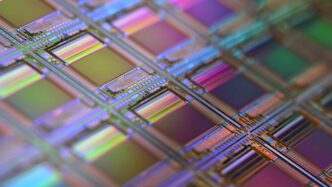
This year’s conference marks a significant shift, bringing together leading minds to explore how simulation is driving innovation across the board. We’ll be looking closely at how electronics, especially the intricate world of silicon co-design, plays a bigger role in the physical products we use every day. It’s not just about making things work; it’s about making them work better, smarter, and more efficiently. The discussions will cover a wide range of topics, from keeping electronics cool under pressure to ensuring they last and can be made reliably. We’re also going to talk about the growing importance of AI in all of this, and how it’s changing the way we approach system design.
- Thermal management for electronic components
- Signal and power integrity in complex circuits
- Designing for reliability and advanced manufacturing processes
- High-power electronics considerations
- The future of silicon photonics and optical systems
- Digital engineering and the integration of AI
The Heart of Innovation: Converge Pavilion
The Converge Pavilion is where the magic happens. It’s designed to be a lively spot for people to connect, learn, and get hands-on with the latest technology. You’ll see cutting-edge solutions up close and get a feel for how they can help shape the future of engineering, from the silicon chip all the way up to the complete system. It’s a place to discover what’s next and how you can be a part of it.
Executive Forum: Charting the Future of Systems and Silicon
For a select group of top executives, VPs, and decision-makers in the systems and silicon industries, the Executive Forum offers an exclusive look at what’s ahead. This invitation-only event will feature panels discussing the big challenges and potential solutions in key areas. We’ll be talking about the next steps for physical AI, the complexities of multi-die and multiphysics designs, and new ways to engineer systems and silicon together. Plus, we’ll explore how AI is changing computing and what agentic AI means for engineering workflows. This is your chance to get ahead of the curve and ensure you’re leading the way in systems-to-silicon innovation.
Advancing Engineering Through Simulation
Empowering Innovation with Multiphysics Simulation
Simulation is no longer just a tool for checking designs; it’s become a core part of how we create new things. When you’re building something complex, like a new electronic device or even a whole theme park ride, you can’t just guess how it will work. That’s where multiphysics simulation comes in. It lets engineers look at how different physical forces interact – like heat, electricity, and movement – all at the same time. This means we can catch problems early, before they become expensive mistakes.
Think about designing a high-performance racing simulator. You need to consider how the electronics generate heat, how the motion system moves, and how it all feels to the driver. Multiphysics simulation helps engineers test these interactions virtually. It’s like having a crystal ball for your engineering project.
The Role of AI in Simulation and System Design
Artificial intelligence is changing how we use simulation. Instead of just running one simulation at a time, AI can help us explore many more possibilities much faster. It can even help build the simulation models themselves. This is a big deal for designing complex systems, especially when you’re dealing with things that are hard to predict, like market demand or traffic flow. We’re moving towards systems that can learn and adapt based on simulation data, making them smarter and more efficient.
AI can also help us make sense of all the data that simulations produce. It’s like having a super-smart assistant that can find patterns and suggest improvements we might have missed. This is particularly useful when we’re trying to design systems that don’t exist yet, where we don’t have real-world data to go on.
From Blue-Sky Concepts to Operational Reality
Getting an idea from a simple sketch to a working product or experience is a long road. Simulation acts as the bridge. For example, imagine designing a new attraction for a theme park. You start with a cool concept, but how do you make sure it’s safe, fun, and can handle all the guests? Simulation lets you test everything from the ride’s mechanics to how people will move through the area. This process helps turn those ‘what if’ ideas into something real and reliable.
Here’s a look at how simulation helps bridge that gap:
- Concept Validation: Testing the basic idea to see if it’s even possible.
- Design Optimization: Fine-tuning the design to work best, be most efficient, and safest.
- Operational Planning: Figuring out how the system will run day-to-day, including staffing and maintenance.
- Lifecycle Management: Using digital twins to monitor and improve the system even after it’s built.
Key Tracks and Sessions at the Simulation Conference 2026
This year’s conference is packed with sessions designed to push the boundaries of what’s possible in engineering. We’ve got several tracks focusing on different aspects of simulation and design, so there’s something for everyone.
SNUG: Advancing Silicon-to-System Design
For over three decades, SNUG has been the go-to event for anyone involved in electronic design automation. This year, it’s all about how silicon design is changing and why thinking about the whole system is more important than ever. We’ll hear from industry leaders and users about the latest trends, covering everything from single and multiphysics design to multi-die packaging and new manufacturing processes. A big focus will be on making chip design faster and more innovative, using AI to help engineers do their best work.
Here’s a peek at what SNUG has in store:
- AI-Driven EDA: See how artificial intelligence is changing the game for engineers.
- Agentic AI Technology: Learn how AI can work alongside human engineers.
- Silicon for Intelligent Systems: Discover how to create chips for the next generation of smart devices.
Plus, we’re introducing a couple of new tracks:
- Synopsys.ai Innovation Experience: Get hands-on with AI tools, see demos, and learn how to boost your workflow.
- Silicon Startup Track: A special program for new companies, helping them tackle challenges and find growth opportunities.
Exploring Methodological Challenges in Stochastic Simulation
Ever wondered how to figure out if a new idea, like an air taxi service, would actually work financially? There’s no real-world data for that yet, right? That’s where simulation comes in. This session dives into the tricky parts of using computer simulations to predict outcomes for things that don’t exist yet. We’ll look at how to use today’s powerful computers to make simulations better and how to use simulation to help make decisions in real-time, almost like a digital copy of a real system. It’s about the new computational and statistical puzzles that come up when we try to simulate the future.
AI-Driven Engineering and Agentic AI
This track is all about the impact of artificial intelligence on how we engineer things. We’ll explore how AI is not just a tool but a partner in the design process. Expect discussions on how AI can help with complex calculations, optimize designs, and even predict potential problems before they happen. We’ll also look at agentic AI, which is about AI systems that can act more independently to achieve engineering goals. This is where the future of engineering is being shaped, blending human creativity with machine intelligence.
Discover Breakthrough Solutions and Collaboration
This section of the Premier Simulation Conference 2026 is all about getting hands-on and seeing what’s new. It’s where you can really connect with the companies and technologies that are shaping the future of engineering.
Partner Showcase: Connecting with Industry Leaders
Think of this as a central meeting point. You’ll find major players here, ready to talk about their latest tools and how they can help your projects move forward. It’s a good chance to see what’s out there and maybe find a new partner for your next big idea. They’ll be showing off new products and talking about how their tech can speed things up for you.
Demo Theater: Technologies in Action
Sometimes reading about something just isn’t enough, right? The Demo Theater is where you can watch technologies come alive. Throughout the day, there will be short, 15-minute sessions showing off key products and how they work in real situations. It’s a quick way to get a feel for what these tools can actually do.
Corsair Racing Simulators: Hands-On Engineering
Want to experience simulation in a totally different way? The Corsair Racing Simulators offer a high-energy, interactive experience. You can actually get in and try them out. This is a cool demonstration of how complex simulation, like multiphysics, is used to build really high-performance machines. It shows the practical side of engineering in a fun, memorable way.
The Future of Intelligent Systems and Design

We’re seeing a big shift in how we think about engineering, moving from just making things work to making them truly smart. This section of the conference is all about that. It’s where we look at how to design systems that can learn, adapt, and even act on their own. Think about it – we’re not just building tools anymore; we’re building partners.
Re-engineering Chip Design for Productivity
Chip design is getting complicated, fast. To keep up, we need new ways of doing things. This means looking at how AI can help designers work faster and smarter. It’s about making the whole process more efficient so we can get better chips out the door quicker. We’ll explore how AI tools can assist engineers, almost like a helpful assistant, to speed up tasks and catch potential problems early.
Silicon Startup Track: Navigating Growth
Starting a new company in the silicon world is tough. There’s a lot to figure out, from getting your first product made to finding customers. This track is designed for those early-stage companies. We’ll cover the basics of what’s happening in the industry right now, how companies are growing, and some common roadblocks that startups face. The goal is to give founders practical advice they can use right away.
The Convergence of Silicon and Systems
For a long time, silicon design and system design were pretty separate. Now, they’re coming together more and more. This is especially true with complex things like AI and advanced computing. We’ll discuss how these two areas need to work hand-in-hand to create the next generation of technology. It’s about making sure the chips we design can actually do what the systems need them to do, and vice-versa.
Here’s a look at some key areas where this convergence is happening:
- AI Hardware: Chips designed specifically for AI tasks.
- Advanced Packaging: Putting multiple chips together in new ways.
- System-Level Verification: Testing the whole system, not just individual parts.
- Software-Defined Hardware: Hardware that can be changed through software.
Innovation Across Industries
It’s pretty wild how simulation tech is popping up everywhere these days, not just in the usual engineering labs. This year’s conference really highlights how different fields are using these tools to come up with some seriously cool stuff.
Shaping Next-Generation Theme Park Experiences
Think about your favorite theme park. The rides, the shows, the whole atmosphere – a lot of that magic is being designed and tested with simulation. We’re talking about creating more immersive worlds, making sure rides are safe and thrilling, and even figuring out crowd flow so you don’t spend your whole day in line. It’s about building experiences that feel real, even when they’re completely fantastical. This involves simulating everything from the physics of a roller coaster drop to the visual effects of a themed show, all before a single piece of steel is put in place.
Accessibility Innovations for Enhanced Living
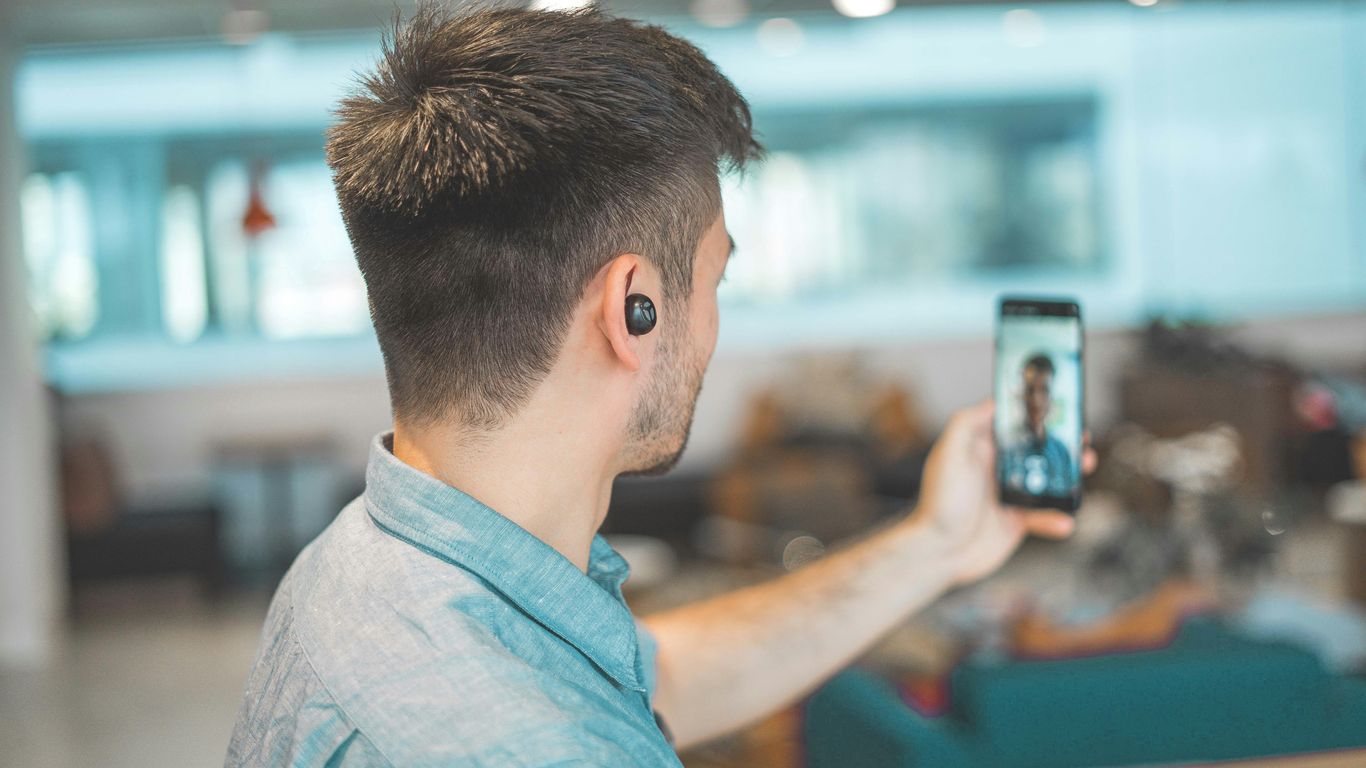
This is a big one. Simulation is playing a huge role in making life better for people with different abilities. We’re seeing smart devices and environments designed to be easier to use for everyone. Think about wearables that give real-time help, or home systems that let people live independently for longer. Simulation helps test these technologies, like AR glasses that can guide someone or smart home setups that respond to voice commands. It’s about using technology to remove barriers and give people more freedom.
- Wearable tech: Smart glasses and watches offering alerts and health tracking.
- Smart home devices: Voice assistants and appliances supporting independent living.
- Digital tools: Features like live captioning and object identification on smartphones.
Transforming Enterprise and Mobility with Technology
In the business world, simulation is helping companies work smarter. From designing more efficient factories to creating better products, the impact is widespread. And then there’s mobility. Self-driving cars are a prime example, using simulation to test countless driving scenarios to ensure safety and smooth operation. But it goes beyond cars – think about autonomous farming equipment or construction vehicles. These machines are being designed and refined using simulation to be more productive and sustainable. The goal is to make everything from our daily commute to how we build things more intelligent and efficient.
Looking Ahead
So, that’s a wrap on the Premier Simulation Conference 2026. It was a pretty packed event, bringing together folks from all over the place to talk about how simulation is changing things. From the nitty-gritty of chip design to making theme parks more fun, it’s clear simulation is becoming a bigger deal everywhere. The discussions about AI and how it fits into all this were especially interesting. It feels like we’re on the edge of some big shifts, and this conference gave us a good look at what’s coming next. If you missed it, keep an eye out for future events – it sounds like the place to be if you’re into engineering and what’s next.