Thinking about how to get more people to buy from you online? It’s not as complicated as it sounds. We’re talking about making it simple for customers to pay you using electronic payments. This means your business can grow, and your customers get a smoother buying experience. Let’s look at how you can make this happen.
Key Takeaways
- Make your online store available all the time, anywhere, to bring in more money with different payment options.
- Keep customer information safe by using secure ways to accept electronic payments, building trust.
- Simplify the payment process for shoppers to help them finish their purchases and reduce lost sales.
- Give customers choices for how they pay, including digital wallets and buy now, pay later plans.
- Manage all your payment activities from one place, making operations easier.
Embrace Digital Transactions to Expand Your Reach
These days, people buy things whenever and wherever they want. If your business isn’t set up to take payments digitally, you’re probably missing out on a lot of sales. Think about it: your shop is closed when you’re not there, but online, it can be open 24/7. That’s a huge opportunity to bring in more money.
Unlock New Revenue Streams with Advanced Payment Methods
Customers have more ways to pay than ever before. It’s not just credit cards anymore. Things like digital wallets (think Apple Pay or Google Pay) and ‘buy now, pay later’ services are getting really popular. In fact, digital wallets are now used more than cards in many places. If you don’t offer these, some customers might just go somewhere else. Adding these options means you can catch more sales, especially from younger shoppers or those who like to spread out payments. It’s like opening new doors for your business to make money.
Keep Your Webstore Open Anytime, Anywhere
Your website or online store doesn’t need to sleep. It can be working for you around the clock, no matter where you or your customers are. This means someone browsing at 2 AM can still make a purchase. You can even set up payment links that you can send out through email or messages, turning any channel into a place where people can pay you. This flexibility is key to keeping up with how people shop today.
Integrate Seamlessly with Hosted Pages or APIs
Getting started with online payments doesn’t have to be complicated. You have options. You can use pre-built hosted payment pages that look good and work well with just a little setup. This is great if you want to start selling online quickly without needing a lot of technical help. On the other hand, if you want total control over how the payment process looks and feels on your site, you can use an API. This lets you build a payment experience that perfectly matches your brand. Both ways help make it easy for customers to pay you, which means more completed sales.
Enhance Customer Trust Through Secure Payment Processing
When people buy things online, they worry about their money and personal details. Making sure they feel safe is a big deal for keeping them coming back. It’s not just about having a nice-looking website; it’s about showing them you take their security seriously.
Leverage Tokenization for Encrypted Transactions
Think of tokenization like putting your credit card number in a special box. Instead of sending the actual number around, you send a unique code, or token. This token only works for that specific transaction or merchant. If someone were to intercept it, it’s pretty much useless because it’s not the real card number. This keeps your customer’s sensitive data out of harm’s way. It’s a smart way to handle payments without making things complicated for the buyer.
Build Confidence with a Fintech Leader’s Experience
Partnering with a company that’s been in the payment world for a long time can really help. These companies have seen a lot and know how to handle security. They’ve built systems that are designed to protect against fraud and keep data safe. When customers see that you’re working with a well-known and trusted name in financial technology, they’re more likely to feel good about giving you their business. It’s like choosing a reputable bank for your own money – you know it’s in good hands.
Minimize Financial Compliance Efforts
Keeping up with all the rules and regulations for handling payments can be a headache. Things like PCI DSS (Payment Card Industry Data Security Standard) have a lot of requirements. If you work with a payment processor that handles a lot of this for you, it saves you a ton of time and effort. They can manage the complex security standards, so you don’t have to become an expert yourself. This lets you focus more on running your business and less on worrying about whether you’re following all the right financial laws.
Optimize Your Checkout for Increased Conversions
Think about the last time you almost bought something online, but then got stuck at checkout. It happens, right? A clunky payment process is a major reason why people leave items in their cart and never come back. We want to fix that for you.
Streamline the Payment Journey for Shoppers
Making checkout easy is key. Nobody wants to fill out a dozen forms or be surprised by hidden fees at the very end. Let’s cut out the unnecessary steps. Think about letting people check out as guests if they don’t want to create an account. Also, pre-filling information for returning customers or using autofill features can save a lot of typing. The goal is to get them from clicking ‘buy’ to completing the purchase with as little fuss as possible. It’s about making it so simple that they don’t even think twice.
Offer Preferred Payment Methods to Reduce Cart Abandonment
People have their favorite ways to pay. If you don’t offer what they’re used to, they might just walk away. It’s like going to a restaurant and they don’t have your favorite drink – you might leave. So, try to include a variety of payment options. This could mean popular credit cards, digital wallets like Apple Pay or Google Pay, and even ‘Buy Now, Pay Later’ services. The more options you have that match what your customers expect, the less likely they are to abandon their cart.
Prioritize Mobile-Friendly and Intuitive Checkout Flows
More and more people are shopping on their phones. If your checkout looks messy or is hard to use on a small screen, you’re losing sales. Your checkout page needs to look good and work well on any device. Buttons should be easy to tap, forms should be simple to fill out, and everything should load quickly. A smooth mobile checkout experience is no longer a nice-to-have; it’s a must-have for keeping customers happy and completing sales.
Accept a Wider Range of Payment Methods
It’s pretty wild how many ways people want to pay for stuff these days, right? Gone are the days when it was just cash or a check. Now, you’ve got credit cards, debit cards, digital wallets like Apple Pay or Google Pay, and then there’s the whole Buy Now, Pay Later scene with services like Klarna or Afterpay. If you’re not offering a good mix of these, you’re probably leaving money on the table. Seriously, a lot of folks will just bail on a purchase if they can’t pay the way they want.
Integrate Digital Wallets and Buy Now, Pay Later Options
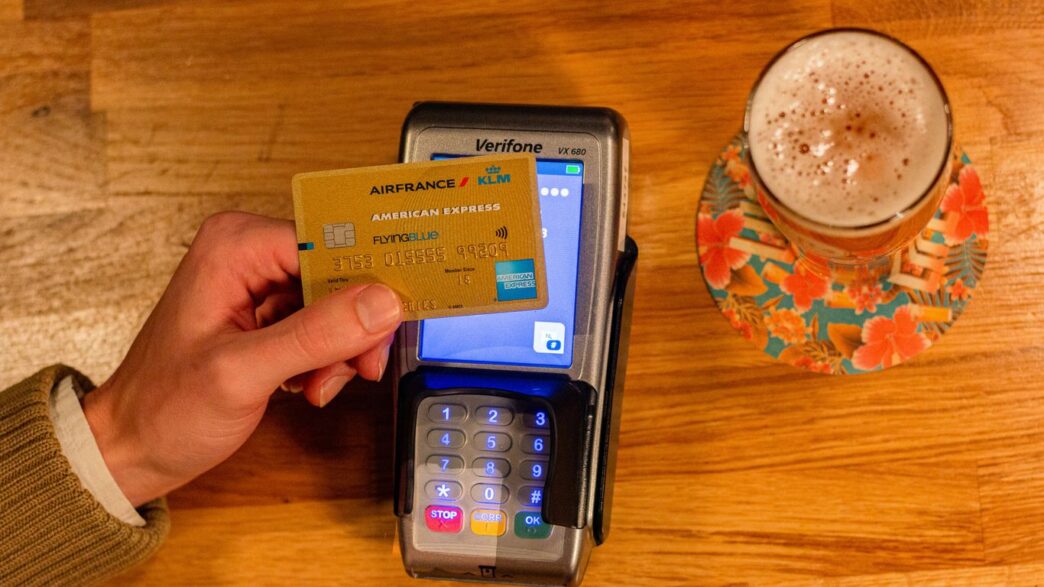
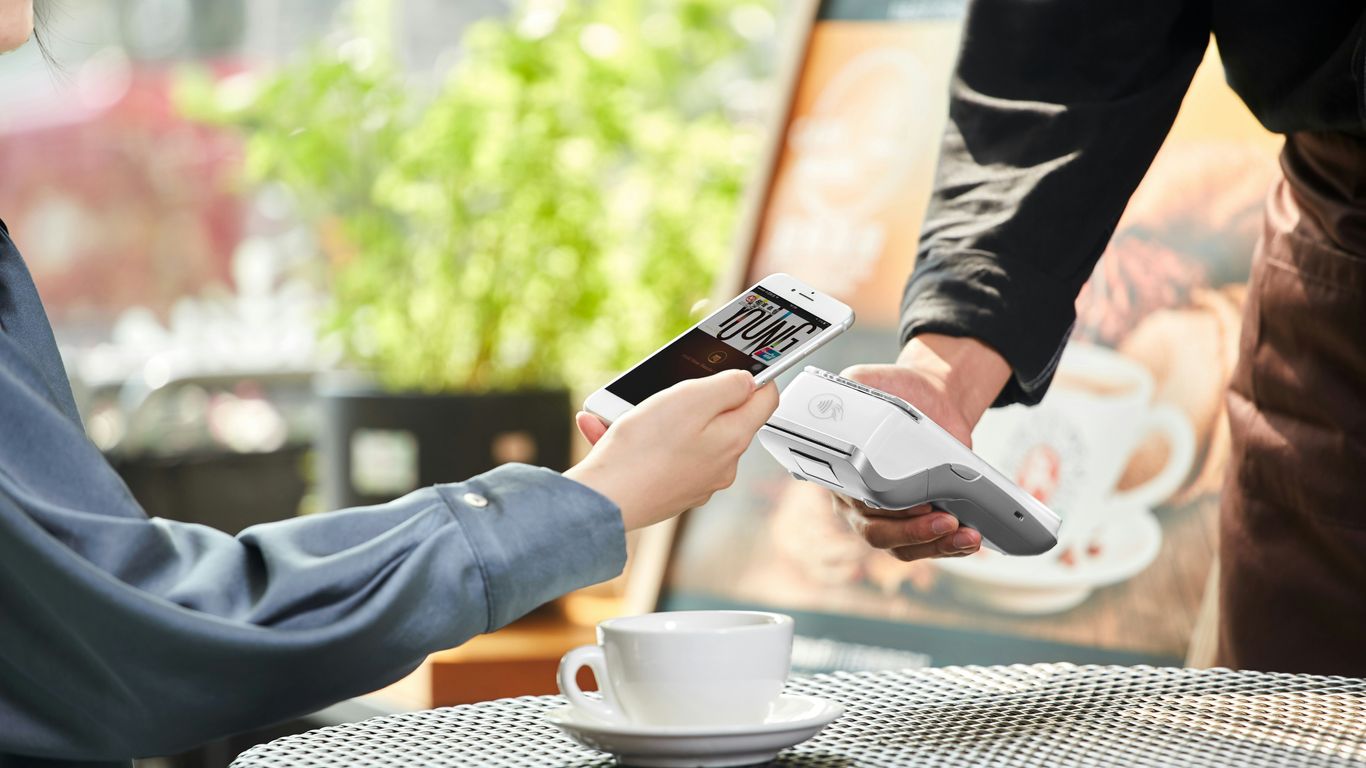
Digital wallets are huge, especially with younger crowds. People like the convenience of just tapping their phone or watch to pay. It feels quick and secure. Then you have Buy Now, Pay Later (BNPL). This lets customers split their purchase into smaller, manageable payments. It’s a big deal for bigger ticket items, making them feel more affordable. Adding these options can really make a difference in getting people to click that final buy button.
Support Traditional and Alternative Payment Choices
While the new stuff is cool, don’t forget about the basics. Credit and debit cards are still the go-to for many people. But also think about alternative methods. Depending on your business, maybe direct bank transfers make sense. Or perhaps you need to support things like ACH payments if you’re in the US. It’s about giving people choices that fit their comfort level and their bank account.
Cater to Global Markets with Localized Payment Options
If you’re selling beyond your local area, this part is super important. What’s popular in the US might not be the top choice in Germany or Japan. For instance, in some countries, bank transfers are way more common than credit cards. Or maybe they use specific digital wallets that are big over there, like Alipay in China. Not offering these local favorites can shut down sales in entire countries. Doing a little homework on where your customers are and what they use to pay can open up a whole new world of business for you.
Streamline Operations with Remote Payment Management
Managing payments can feel like a juggling act, especially when you’ve got devices and systems spread out. But what if you could handle it all from one spot, without leaving your desk? That’s where remote management comes in. It’s about making your payment setup work for you, not the other way around.
Manage Your Entire Payment Estate from a Central Dashboard
Think of a central dashboard as your command center for all things payments. Instead of running around to check on different machines or systems, you can see everything at a glance. This dashboard shows you what’s happening with your payment terminals, online checkouts, and any other payment tech you’re using. You get a clear picture of transaction statuses, device health, and overall performance. It really cuts down on the time spent on administrative tasks. You can even get reports that help you see trends and make smarter business choices. It’s like having a bird’s-eye view of your entire payment operation, making it easier to spot issues and opportunities. This kind of oversight is a big help, especially if you’re dealing with multiple locations or a growing online presence. It also means you can keep an eye on things even when you’re not physically there, which is a huge plus for busy business owners.
Deploy Updates and Optimizations Remotely
Remember the days of having to physically go to each payment terminal to update its software? Those days are pretty much over. With remote management, you can push out software updates, security patches, and new features to all your devices at once. This means your systems are always up-to-date without you needing to be on-site. It’s not just about updates, either. You can also deploy new applications or make tweaks to existing ones to improve how customers pay. For example, if you want to add a new payment method or change the checkout flow on your website, you can do that remotely. This flexibility is key to keeping your payment systems running smoothly and adapting to customer needs quickly. It also helps reduce downtime, as updates can often be scheduled for off-peak hours. This kind of control means you can keep your business moving forward without constant physical intervention. It’s a big step up from older methods, making your tech work harder for you. This is especially useful for businesses that rely on contractor management software to keep their operations running smoothly.
Track Device Health and Performance
Keeping an eye on your payment devices is important. Are they working correctly? Are they running slow? Remote management tools let you monitor the health of your payment hardware in real-time. You can get alerts if a device is having trouble, like if it’s offline or experiencing an error. This way, you can fix problems before they start affecting your customers. It’s much better to know about a potential issue early on rather than finding out when a customer can’t complete a purchase. You can also track performance metrics, like transaction speed and uptime. This data helps you understand how well your payment systems are performing and where improvements might be needed. For instance, if one device is consistently slower than others, you can investigate why. This proactive approach to device management helps maintain a positive customer experience and prevents lost sales due to technical glitches. It’s all about making sure your payment infrastructure is reliable and efficient, day in and day out.
Adapt Payment Solutions for Diverse Business Needs
Accept Payments for Online Services and Custom Orders
Running a service-based business online means you’re not just selling a product off a shelf. You might be offering custom consultations, digital courses, or unique client projects. This often means payment amounts aren’t fixed, or the service itself is tailored. You need a payment system that can handle this flexibility. Think about using payment links that you can send directly to clients, specifying the exact amount due. This is way better than trying to guess a price or send a generic invoice. It makes the whole process feel more professional and less like a hassle for everyone involved. Plus, it helps keep your finances organized when you’re dealing with a lot of different projects.
Process Payments for Food, Catering, and Bookings
If your business involves food, whether it’s a restaurant, a catering service, or even just taking reservations, payment processing needs to be quick and easy. Customers want to order or book their spot without a lot of fuss. For restaurants, integrating payments directly into online ordering systems or even table-side tablets is a game-changer. Catering services can benefit from upfront deposits and secure online payment collection for final balances. Booking systems, like for appointments or events, should allow for easy scheduling and payment, perhaps even requiring payment to confirm a reservation. This reduces no-shows and makes sure you get paid for your time and resources. Offering options like digital wallets can speed things up considerably, especially for quick service or on-the-go customers.
Facilitate Mail Order and Telephone Order Transactions
Not every sale happens online with a click. Many businesses still rely on mail order or telephone orders (MOTO). For these types of transactions, you need a secure way to take payment information over the phone or through mail. A virtual terminal is a great tool here. It’s basically a secure web page where you can manually enter a customer’s card details. This keeps the sensitive information out of emails or written notes, which is much safer. It’s important to have systems in place that protect both you and your customer from fraud. Having clear processes for taking these orders and processing payments helps build trust and keeps your business running smoothly, even if you’re not fully digital. You can find payment solutions that support modern payment options to keep these traditional methods secure and efficient.
Wrapping It Up
So, we’ve gone over how accepting electronic payments can really help your business grow. It’s not just about making things easier for your customers, though that’s a big part of it. It’s also about making sure you don’t miss out on sales because you couldn’t take someone’s preferred payment. Think about offering different ways to pay, like digital wallets, and making sure your checkout process is super simple, especially on phones. By keeping up with these changes and making it easy for people to pay you, you’re setting yourself up for more success. It’s really about meeting your customers where they are and making the whole buying experience a good one.
Frequently Asked Questions
Why should my business accept electronic payments?
Accepting electronic payments, like credit cards and digital wallets, helps your business reach more customers. It makes it easier for people to buy from you, especially online, and can lead to more sales. Think of it as opening your doors wider to everyone who wants to shop with you, anytime and anywhere.
How do electronic payments keep customer information safe?
When you use a good payment system, your customers’ card details are scrambled using a special code, like a secret handshake, called tokenization. This means their private information isn’t stored in a way that bad guys can easily steal. It’s like putting valuable items in a super secure vault.
What is a ‘hosted page’ or ‘API’ for payments?
A hosted page is like a ready-made checkout counter that looks nice and is safe for customers to use on your website. An API is more like a set of building blocks that lets you create a totally custom checkout experience that fits perfectly with your business, giving you more control.
Why is it important to offer different ways to pay?
People have favorite ways to pay! Some like using digital wallets on their phones, others prefer ‘Buy Now, Pay Later’ options, and some still like using their regular credit cards. By offering many choices, you make it easier for everyone to buy, which means fewer people will leave your online store without buying anything.
What does it mean to ‘streamline the payment journey’?
It means making the process of paying as quick and easy as possible. Imagine a checkout where you don’t have to fill out tons of forms or click through many confusing steps. Streamlining means getting the customer from picking an item to paying for it with as few hurdles as possible.
Can I accept payments even if I don’t have a website?
Yes! You can use special links, often called ‘Pay-by-Link,’ that you can send to customers through email or text messages. They click the link, and it takes them to a safe place to pay. This is great for businesses that take custom orders or talk to customers directly.