Finding the right fast charger phone can feel like a maze sometimes, right? With all the new tech coming out, especially with the Galaxy S26 and the latest iPhones, it’s easy to get lost. You want something that charges your phone quickly, but you also don’t want to mess up your battery long-term. Plus, who wants to carry around a brick? This guide is here to help you figure out what’s what so you can pick a fast charger phone that actually works for you, without all the confusing jargon.
Key Takeaways
- Understand that charging speed comes down to wattage and amperage, with USB-C Power Delivery (PD) and PPS being important standards for newer phones like the Galaxy S26.
- Consider your personal usage – daily users need reliable top-ups, while power users might need higher wattage and multi-device charging.
- For Samsung Galaxy S26, look for chargers supporting at least 45W, and up to 60W for the Ultra, using PD and PPS for best results. Quality cables are also a must.
- For iPhones, ensure your charger and cable support USB-C PD, with wattage recommendations varying by model (e.g., 20W, 30W, or 40W for the newest models).
- Always check for build quality, safety certifications (like MFi for iPhones), and warranty information to ensure a reliable and safe fast charger phone experience.
Understanding Fast Charger Phone Technology

So, you’re looking to get your phone juiced up as fast as possible, right? It’s not just about plugging it in anymore. There’s some tech involved that makes a big difference. Let’s break down what makes a charger ‘fast’ and what you should actually be looking for.
Wattage and Amperage: The Core of Charging Speed
Think of wattage (W) and amperage (A) as the two main ingredients for charging speed. Wattage is basically the total power a charger can deliver. Amperage is the rate at which that power flows. You often see them together in a formula: Watts = Volts x Amps. So, a charger with higher wattage usually means it can push more power to your phone, making it charge quicker. It’s like comparing a garden hose to a fire hose – the fire hose (higher wattage) can deliver a lot more water (power) much faster.
- Higher wattage generally means faster charging.
- Look for chargers that clearly state their wattage output.
- Don’t just focus on one; both wattage and amperage play a role.
USB-C Power Delivery and PPS Explained
USB-C Power Delivery, or USB-PD, is a big deal, especially for newer phones. It’s a standard that allows devices and chargers to communicate and figure out the best amount of power to send. This means your phone won’t get overloaded, and it can charge much faster than older methods. It’s smart charging. Then there’s PPS, which stands for Programmable Power Supply. This is an even more advanced version of USB-PD. It lets the charger adjust the power output in very small, precise steps. This is great because it can fine-tune the charging process, reducing heat and being gentler on your phone’s battery while still keeping the speed up. It’s the most efficient way to charge compatible devices right now.
The Role of Charging Cables in Performance
It’s easy to forget about the cable, but it’s super important. Not all cables are created equal. If you have a super-fast charger but a flimsy, old cable, you’re not going to get the best speed. The cable needs to be able to handle the higher power flow without getting too hot or restricting the energy. Look for cables that are rated for the wattage you’re using, especially if they’re USB-C to USB-C or USB-C to Lightning. Some cables might look the same, but their internal wiring makes a huge difference. Using the wrong cable can not only slow you down but can also be a safety risk.
Choosing the Right Fast Charger Phone for Your Needs
Settling on the right fast charger phone isn’t just about picking the one with the highest numbers on the box. You should think about how you actually use your phone during the day and what features really fit your routine.
Daily Users vs. Power Users: Matching Your Habits
Not everyone needs the fastest, most powerful charging all the time. Your daily routine actually decides what kind of charger phone makes sense. Here’s a breakdown to help sort out your needs:
- Daily Users: If you just use your phone for calls, browsing, and some light social media during the day, look for a charger phone that offers consistent fast charging without being bulky. Standard 30W–45W charging is usually plenty and will top you off over lunch or on a quick coffee break.
- Power Users: If you’re gaming, streaming, taking a lot of photos, or using your phone as your main work device, you’ll want something with high output—ideally 60W or higher. Power users should also consider phones with advanced cooling so they can handle fast charging more often without heat issues.
- Travelers or Commuters: Portability should matter more than raw power. You’ll want a phone that pairs well with portable chargers or power banks but still supports quick top-offs.
Portability and Design Considerations
Let’s be honest, nobody wants to carry a brick around. When you’re picking a fast charger phone, keep size and weight in mind. Here are a few things to think about:
- Slim Profiles: Phones that support fast charging don’t have to be thick. Look for devices that keep a slim design even with larger batteries.
- Grip and Materials: A slippery phone can be a problem if you’re plugging it in and out all day. Check for textured backs or cases that don’t retain heat.
- Charger Size: The wall or car charger you use matters too—compact chargers fit easily in bags or pockets and are less likely to block other outlets.
Here’s a quick comparison for portability and battery:
| Model | Battery (mAh) | Weight (g) | Fast Charging Max (W) |
|---|---|---|---|
| Phone A (Slim Pro) | 4300 | 180 | 33 |
| Phone B (TravelMax) | 4800 | 205 | 45 |
| Phone C (UltraX 26) | 5000 | 220 | 60 |
Multi-Device Charging Capabilities
If you have more than one device—like earbuds, tablets, maybe a smartwatch—charging them all at once makes life easier. Multi-device charging isn’t just a gimmick. It helps avoid fighting over outlets (or that last working cable).
Here’s what to keep in mind:
- Number of Output Ports: Some fast charger phones or accessories let you charge two or three things at once—a must for gadget lovers.
- Fast Charging All Ports: Check if every port supports fast charging, or if only one does. Some split the wattage, and your main device might charge slower if you plug in more gadgets.
- Wireless Charging Pass-through: Newer phones can share power with other devices wirelessly (called reverse wireless charging). Handy for your friend’s dead earbuds or topping up your other phone on the go.
With these points, finding the best fast charger phone gets more practical. Think about your real-life routines—morning rush, long days out, or endless video calls—and grab a phone that keeps up without extra fuss.
Top Fast Charger Phone Picks for Samsung Galaxy S26
The Galaxy S26 lineup, including the S26, S26 Plus, and S26 Ultra, has everyone talking—mainly about its speedier 60W charging and how quickly you can get back to 100%. Choosing the right charging gear makes a real difference in how you use your new S26 day-to-day. Let’s look at top options for charging at home, at work, or on the go.
Maximizing the S26 Ultra’s 60W Charging
If you want your S26 Ultra to hit its 60W max speed, you need the right kind of charger – not every high-wattage brick will cut it. Here’s what to look for:
- USB-C Power Delivery (PD) 3.0 or higher
- PPS (Programmable Power Supply) support, which lets the phone and charger "talk" for optimal juice
- A cable that can handle at least 60W
Using anything less means your phone might charge, but it won’t be nearly as quick as it could be.
Quick Comparison Table: Popular Chargers for S26
| Product | Type | Max Output | Best For | Notable Feature |
|---|---|---|---|---|
| INIU A11-E1 | Wall Charger | 100W | Home, office, all-around | GaN tech, compact design |
| INIU A12-E1 | Wall Charger | 30W | Travel, minimal setups | Dual port, ultra small |
| INIU D5CC | Cable | 100W | S26 series, laptops | Fast data + charging support |
Essential Wall Chargers for Samsung Devices
Not all wall chargers are created equal. The S26 series wants at least 45–60W for maximum pace. Here are three reasons the INIU A11-E1 gets recommended for most people:
- Supports up to 100W so you’re not limited, even if you add a laptop or tablet.
- GaN (Gallium Nitride) tech keeps it cool and tiny—it actually fits behind furniture without blocking extra outlets.
- PPS means truly fast charging for Samsung phones, not just generic fast.
The INIU A12-E1 is solid if you travel light, but remember: only one device will get full speed at a time.
Portable Power Banks for Extended Use
Maybe you’re hitting the road or need backup power for a long day out. Two options stand out:
- INIU P50-E1 (45W, small):
- Great for pockets or purses
- Easily tops up an S26 or S26 Plus, even gets close with the Ultra
- INIU P64-E1 (140W, huge capacity):
- Overkill for just phones, but perfect if you’re traveling or have other devices (laptop, tablet, Nintendo Switch)
- Safety tech to keep everything protected, even at high speed
Key Tips for Power Bank Shopping
- Get a bank matched to your actual habits—don’t lug a brick if you only use it for emergencies
- Look for 45W+ output for the S26 Ultra to avoid delays
- Double-check support for PPS if you want that genuine Samsung "Super Fast Charging" feel
So, whatever life looks like—whether you’re streaming, shooting photos, or just glued to your screen—there’s a charger setup that fits how you really use your phone. Getting it right just means less staring at the battery icon and more actually getting on with things.
Optimizing Your iPhone Fast Charger Phone Experience
Getting your iPhone charged quickly isn’t just about plugging in the first charger you see. With newer models supporting faster charging and wireless options, there’s a bit of strategy involved if you want the best results. Here’s how to make the most of your iPhone’s fast charging abilities.
Understanding iPhone Charging Protocols
Every iPhone generation comes with unique charging limits and preferred charging methods, especially now that nearly all models use USB-C ports.
- Wired USB-C Fast Charging: iPhone 15 and up use USB-C, with support for fast charging up to 27W (iPhone 15) or 40W (iPhone 17). The right adapter makes all the difference.
- MagSafe & Qi2 Wireless: iPhone 16 and later take advantage of MagSafe pads (up to 25W) and Qi2 wireless systems, offering faster wireless charging than before, but still a bit behind cable speeds.
- Legacy Lightning Ports: Older iPhones top out at 20W (Lightning to USB-C fast charging). Just know your port before you shop.
A quick way to see what your iPhone supports is to check Settings > Battery > Charging. If your model maxes out instantly on a 20W brick, you’ll want something stronger for new iPhones.
Essential Gear for Peak iPhone Charging
To hit the fastest possible charging speeds, you need three things:
- A wall adapter that matches (or slightly exceeds) your phone’s wattage maximum.
- A cable built for that wattage and connector type (USB-C to USB-C for new models; USB-C to Lightning for older ones).
- A charging protocol (Power Delivery, MagSafe, Qi2) that your iPhone and adapter both support.
Here’s a quick look at charge times and heat output for popular adapters on iPhone 17 Pro Max:
| Charger Wattage | 0-50% Time | 0-100% Time | Avg. Heat (°F) | Price Range |
|---|---|---|---|---|
| 20W | 28 min | 95 min | 78 | $15-25 |
| 30W | 22 min | 88 min | 82 | $25-35 |
| 40W | 20 min | 85 min | 86 | $35-45 |
Tips:
- If you have an iPhone 17, a 40W adapter gets you the fastest times, but iPhone 15 and 16 max out below that, so don’t overpay.
- With wireless (like MagSafe), use a 30W+ adapter to get full speed, and avoid metallic cases or rings that disrupt the charge.
Car Chargers for On-the-Go Power
The real test of a good charger is when you’re on the highway and your battery dips below 20%. A few things separate great car chargers from the rest:
- Look for compact USB-C car adapters offering 30W or higher if you commute often; these fill up your battery much faster than old cigarette lighter ports.
- Chargers with built-in cables reduce clutter—no more searching for cords under the seat.
- Safety first: Pick brands with protections for overcurrent and overheating. A few dollars more means you’ll avoid meltdowns—literally.
A typical setup would be:
- Plug in a 30W car charger with dual USB-C ports.
- Use a short, high-wattage cable to minimize charging loss.
- If you have passengers, grab a charger with smart power splitting, so nobody fights over juice.
Final thing—don’t just grab the highest-wattage charger you see. Each iPhone has a set charge cap, so read your specs first. The mix of the right adapter, cable, and some planning makes sure you’ll never be stuck with a dead phone during your busiest days.
Key Features for a Reliable Fast Charger Phone
When you’re looking for a fast charger, especially one you’ll rely on day in and day out, a few things really matter. It’s not just about how quickly it juices up your phone; it’s about whether it’s going to last and, more importantly, keep your phone safe. Think of it like buying a good tool – you want something that works well and won’t break on you.
Build Quality and Safety Certifications
This is where you don’t want to cut corners. A charger that feels flimsy or uses cheap plastic probably isn’t going to hold up. Look for chargers made with solid materials that feel sturdy in your hand. Beyond just how it feels, check for safety certifications. These are like little stamps of approval from organizations that test these things to make sure they won’t, you know, catch fire or fry your phone. Things like UL or FCC certifications are good signs. For Apple devices, look for MFi certification (Made for iPhone). It means Apple has checked it out and it meets their standards for safety and compatibility. It’s a good way to get some peace of mind.
Durability and Material Considerations
Related to build quality, think about how the charger is put together. Are the ports reinforced? Does the cable (if it’s a combo) feel like it will bend and break at the connection point? Chargers designed for travel, like car chargers, should be able to handle being plugged and unplugged regularly. Materials like reinforced plastics or even metal casings can add a lot of durability. A charger that fits snugly into your car’s power outlet without wobbling is also a plus – less chance of it getting damaged from movement.
Warranty and Customer Support
Even the best-made chargers can sometimes have issues. That’s why a good warranty is important. It shows the company stands behind its product. A longer warranty period usually means they’re pretty confident in its reliability. Also, check out what kind of customer support they offer. If something does go wrong, can you actually get in touch with someone who can help? Good support can save you a lot of headaches down the line, especially if you rely on that charger for your daily life.
Balancing Speed, Safety, and Value
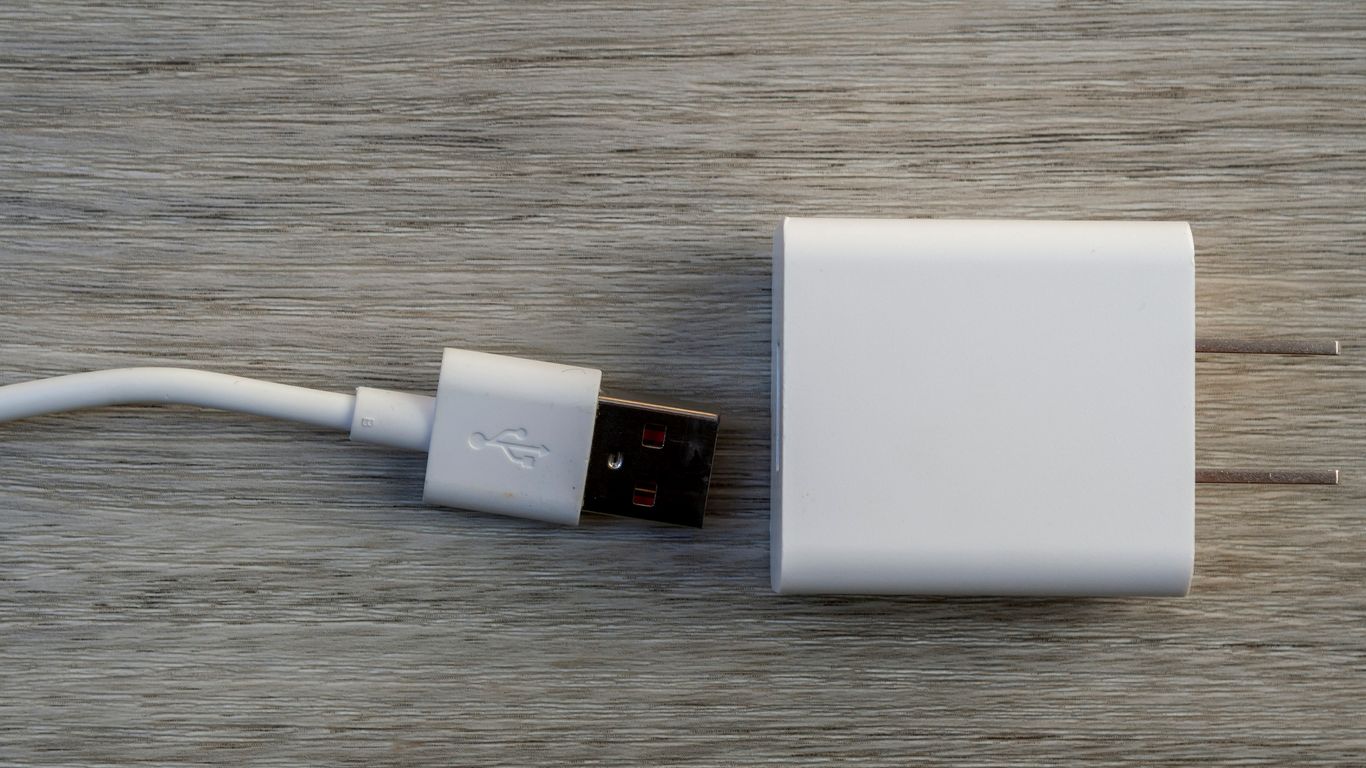
Okay, so we’ve talked a lot about getting the fastest charge possible, but let’s be real, it’s not just about speed. You’ve got to think about the long game, right? Constantly blasting your phone with super-high wattage might feel great in the moment, but it can mess with your battery’s health over time. It’s like eating junk food all the time – feels good now, but not so great later.
The Importance of Battery Health
Your phone’s battery is kind of like its heart. If you treat it poorly, it won’t last as long. Fast charging is awesome, but it can generate heat, and heat is not a battery’s best friend. So, what’s the trick? Look for chargers that have smart features. Things like temperature control or charging in stages can make a big difference. Some chargers will even slow down the charge when the battery gets close to full, which is way better for it. It’s about finding that sweet spot where you get a quick top-up without frying your battery.
- Look for chargers with built-in safety features: Overcurrent protection, overvoltage protection, and temperature monitoring are your friends.
- Consider your daily usage: If you’re always on the go and need a quick boost, a faster charger makes sense. If your phone mostly sits on a desk, maybe you don’t need the absolute fastest.
- Check for certifications: Things like UL or FCC certifications mean the charger has met certain safety standards. For Apple devices, MFi certification is a good sign too.
Identifying Budget-Friendly Options
Now, fast chargers can get pricey. You see some with crazy high wattages and all sorts of fancy tech, and the price tag reflects that. But you don’t always need the most expensive option to get good results. Plenty of brands offer solid, reliable fast chargers that won’t break the bank. Sometimes, a charger that supports USB Power Delivery (PD) is all you really need for your iPhone, and those are usually pretty affordable. You can often find great deals on chargers that might not have the absolute highest wattage but still charge your phone quickly and safely. Don’t forget to check out reviews to see what other people are saying about value for money. A charger that costs less but works well and lasts is a win in my book.
Long-Term Investment in Charging Technology
Think of a good charger as an investment. A cheap, poorly made charger might seem like a bargain now, but if it damages your phone or breaks after a few months, you’ve actually lost money. Investing in a quality charger from a reputable brand means you’re likely getting something that’s built to last and designed with your device’s safety in mind. Plus, as charging tech evolves, having a charger that supports newer standards like USB PD means it’ll likely work with your next phone too. It’s about getting reliable power delivery that keeps your devices running smoothly for years to come. For example, Oppo’s 100W SuperVOOC system is incredibly fast, but even if your phone doesn’t support that exact speed, a good charger will still adapt to provide the optimal charge for your device. It’s smart tech for smart spending.
Wrapping Up Your Search
So, finding the right fast charger for your phone in 2026 really boils down to what you need it for. Whether you’re rocking the latest Samsung Galaxy S26 Ultra and need that super-fast 60W charging, or you’re an iPhone user looking for a reliable way to top up on the go, the key is to match the charger’s specs to your device and your lifestyle. Don’t forget that a good cable is just as important as the charger itself – a weak link there can really slow things down. Keep an eye on things like wattage, USB-C Power Delivery, and PPS for Samsung, or just making sure you have a solid USB-C PD adapter and cable for your iPhone. It might seem like a lot, but picking the right gear means less time tethered to a wall and more time actually using your phone.
Frequently Asked Questions
What makes a phone charger ‘fast’?
A fast charger uses more power, measured in watts, to send energy to your phone’s battery more quickly than a regular charger. Think of it like filling a bucket with a wider hose – more water gets in, faster!
Do I need a special cable for fast charging?
Yes, you often do! Just like the charger, the cable needs to be strong enough to handle the extra power. Using a regular cable with a fast charger might slow things down or even prevent fast charging altogether.
Will fast charging hurt my phone’s battery?
Good news! Most modern fast chargers are designed to be safe. They have smart technology that controls how much power goes into your phone, preventing it from getting too hot or wearing out the battery faster. It’s like giving your phone just the right amount of energy it needs.
What’s the difference between USB-C Power Delivery and PPS?
USB-C Power Delivery (PD) is a common way for chargers to send a lot of power through USB-C ports. PPS (Programmable Power Supply) is a more advanced version that lets the charger and phone talk back and forth to fine-tune the exact amount of power needed at any moment, making charging even more efficient and safer for the battery.
Can I use a super high-wattage charger with any phone?
While a high-wattage charger won’t usually damage a phone that can’t handle it (it just won’t charge as fast), it’s always best to match your charger to your phone’s capabilities. Using a charger that’s too weak won’t give you fast charging, and using one that’s not designed for your phone might not be as efficient.
How do I know if my phone supports fast charging?
Check your phone’s manual or the manufacturer’s website! They’ll usually mention if it supports fast charging and what kind (like USB-PD). Sometimes, your phone’s settings menu will also give you clues about its charging speed.