The Core Technology Behind Mobileye Camera Systems
So, what makes Mobileye cameras tick? It all comes down to some pretty smart tech working together. At the heart of it all is the EyeQ® System-on-Chip, or SoC. Think of it as the brain that processes all the visual information the cameras pick up. Mobileye has been refining these chips for years, and the latest versions are seriously powerful, handling complex tasks without breaking a sweat. They’ve put these chips in over 100 million cars already, which is a pretty big number.
Understanding the EyeQ® System-on-Chip
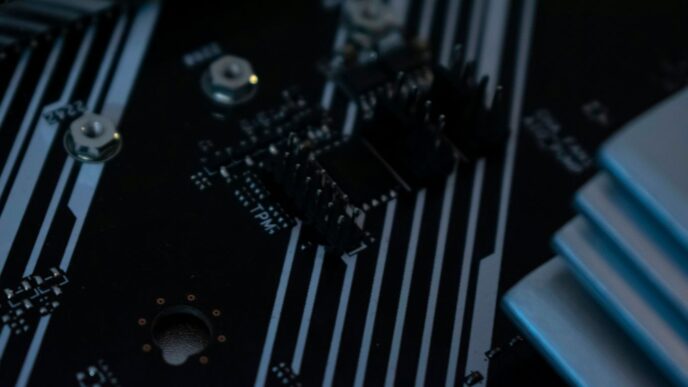
This EyeQ chip is where the magic happens. It’s designed specifically for cars, so it’s tough and reliable. Each new generation builds on what came before, making it smarter and faster. It’s got special parts for things like recognizing patterns, which is super important for computer vision. This means it can process a ton of data really quickly, which is exactly what you need when you’re trying to understand what’s going on around a moving vehicle.
Scalable Architecture for Diverse Applications
What’s cool about the EyeQ system is that it’s not just for one thing. Mobileye uses this same core technology for a bunch of different products. Whether it’s a basic driver-assist feature or a full-blown self-driving system, the EyeQ chip can handle it. This makes it really flexible. They can adapt the technology for everything from helping you park to enabling cars to drive themselves on highways. This scalability means they can put this tech into all sorts of vehicles, from small cars to big trucks, without starting from scratch every time.
The Role of Computer Vision
Computer vision is basically teaching computers to ‘see’ and interpret images like we do, but way faster and more consistently. The Mobileye camera system uses advanced computer vision algorithms to make sense of the video feed. It’s not just about spotting a car; it’s about understanding its speed, its direction, and predicting what it might do next. This involves a few key steps:
- Object Detection: Identifying things like other vehicles, pedestrians, cyclists, and traffic signs.
- Lane Detection: Figuring out where the road lines are, even in bad weather or poor lighting.
- Semantic Segmentation: Understanding what each pixel in the image represents – is it road, sidewalk, building, or sky?
This ability to interpret the visual world is what allows the system to make informed decisions about how the vehicle should behave. It’s a complex process, but it’s the foundation for all the advanced features we’ll talk about later.
Advanced Driver-Assistance Features Powered by Mobileye
Mobileye’s camera systems are the brains behind a whole host of features that make driving safer and less stressful. These aren’t just fancy add-ons; they’re designed to help you out in real-world driving situations, making your commute a bit easier.
Enhancing Safety with Adaptive Cruise Control
Adaptive Cruise Control (ACC) is a game-changer. Instead of just setting a speed, ACC uses the Mobileye camera to keep a set distance from the car in front of you. If that car slows down, yours does too. If it speeds up, your car will too, up to your set speed. It’s like cruise control, but smarter. This system is really helpful in stop-and-go traffic or on longer highway drives, reducing the need for constant braking and accelerating.
Traffic Jam Assist and Highway Pilot Capabilities
When traffic gets really bad, Traffic Jam Assist can take over some of the driving tasks. It can help keep you centered in your lane and maintain a safe distance from the car ahead, even at very low speeds. Think of it as a co-pilot for those frustrating gridlock moments. Highway Pilot takes this a step further, allowing for hands-off driving on divided highways under certain conditions. It manages steering, acceleration, and braking, letting you relax a bit more on long journeys.
Full ODD In-Path Assist Functionality
This is where things get really interesting. Full ODD (Operational Design Domain) In-Path Assist means the system can handle driving within its defined limits, like staying within a lane on a highway or navigating a specific route. It’s designed to manage the vehicle’s path safely and efficiently. This capability is a big step towards more automated driving, handling complex scenarios within its programmed boundaries. It’s all about making sure the car stays where it’s supposed to be, safely and predictably.
Mobileye’s Approach to Autonomous Driving
True Redundancy: A Failsafe Sensing Method
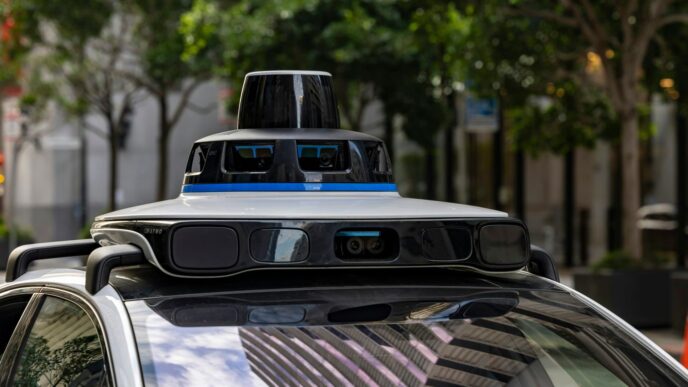
When we talk about self-driving cars, safety is obviously the big thing, right? Mobileye tackles this with something they call ‘True Redundancy.’ Instead of relying on just one system to see the world, they use two completely separate systems that work independently. Think of it like having two different people looking at the same thing, but they don’t talk to each other until they need to make a decision. One system uses cameras, and the other uses radar and LiDAR. Each one builds its own picture of what’s going on around the car. This means if one system has a hiccup, the other is still there, working just fine. It’s a pretty solid way to make sure the car always has a good understanding of its surroundings, even if something unexpected happens.
Mobileye Chauffeur™ for Consumer Vehicles
So, Mobileye Chauffeur is basically their system designed for cars you and I might buy. The idea is to give you a hands-off, eyes-off driving experience on certain roads, like highways. It’s built to handle the complexities of driving so you don’t have to, at least under specific conditions. This system is already being put into production vehicles, like the ones being developed with car companies you might know. It’s all about bringing a higher level of automation to everyday cars, making those longer drives a bit more relaxing.
Mobileye Drive™ for Commercial Applications
Then there’s Mobileye Drive. This one is aimed more at the commercial side of things – think robotaxis, delivery vans, or shuttle buses that drive themselves. The goal here is to power fleets of vehicles that can operate without a human driver, all day long. Mobileye Drive is designed to be a complete, ready-to-go solution for companies that want to offer autonomous services. It’s already being tested and integrated by various partners who are looking to change how goods and people move around cities and beyond. It’s a big step towards making self-driving services a common sight.
Global Testing and Mapping with Mobileye Camera Technology
Real-World Testing Across Diverse Locations
Getting self-driving tech right means testing it everywhere, not just in a controlled lab. Mobileye has put its autonomous vehicles through their paces on roads all over the world. We’re talking about places like Germany, Japan, China, and right here in the United States. We don’t shy away from the tricky spots either, like busy city centers in places such as Jerusalem, Paris, and Manhattan. Each new road, whether it’s a quiet country lane, a busy highway, or a bustling downtown street, presents unique challenges. Our goal is to make sure the system works reliably, no matter the environment.
Road Experience Management™ for Scalable Mapping
How do you map the entire world for self-driving cars? Mobileye uses something called Road Experience Management, or REM™. It’s pretty clever. Instead of sending out special mapping vehicles everywhere, REM uses the cameras already in millions of cars equipped with Mobileye technology. These cars collect data as they drive, and this information is sent back to build a detailed map. It’s a much more efficient way to cover vast areas compared to older methods. Think of it like a massive, ongoing crowd-sourced mapping project.
The Mobileye Roadbook™: A Precise AV Map
All the data collected through REM gets compiled into what Mobileye calls the Roadbook™. This isn’t just any map; it’s a super-precise map specifically for autonomous vehicles. It contains detailed information about lane markings, road boundaries, speed limits, and more. The Roadbook is constantly being updated, with billions of kilometers already mapped and millions more added daily. This detailed map is what allows our autonomous vehicles to know exactly where they are and how to navigate safely, even in areas they haven’t been driven in before. If a new area needs mapping, we can often compile it from existing data, making deployment much faster.
The Future of Mobility with Mobileye
Enabling Self-Driving Mobility Services
Mobileye’s vision goes beyond just making cars safer; it’s about changing how we all get around. Think about it: for over a hundred years, having your own car meant you had to buy it and know how to drive it. But what if you didn’t need to? Self-driving mobility services, often called Mobility-as-a-Service (MaaS), could make personal transportation available to way more people. This includes folks who can’t drive now, like kids or older adults, and people with disabilities. It’s about making travel more accessible and affordable for everyone.
Mobileye is already working with partners worldwide to make this happen. They’ve kicked off pilot projects for self-driving services in places like France, with more planned for Germany and Jerusalem soon. It’s not just a distant dream; it’s actively being built.
Transforming Transportation for Everyone
This isn’t just about robotaxis. Mobileye’s technology is designed to be adaptable. For personal cars, there’s Mobileye Chauffeur™, which is being developed with companies like Zeekr. Then there’s Mobileye Drive™, built for commercial uses like self-driving shuttles, delivery vehicles, and larger robotaxi fleets. Companies like Udelv and Transdev are already using this.
What’s really neat is how they approach the technology. They use something called ‘True Redundancy.’ Instead of just mixing data from different sensors (like cameras, radar, and LiDAR), they have two separate systems that both build their own picture of the world. The car’s ‘brain’ then uses both of these independent views to make decisions. This makes the system much more reliable and acts as a backup if one system has an issue.
Responsibility-Sensitive Safety (RSS) Model
Building trust in self-driving cars is a big deal. That’s where Mobileye’s Responsibility-Sensitive Safety (RSS) model comes in. It’s not just a set of rules; it’s a mathematical way to make sure self-driving cars always act safely and predictably, even in tricky situations. Think of it as a built-in ethical framework for the car’s decision-making process. This model is designed to be open and understandable, helping people feel more comfortable with autonomous technology on the road. It’s a key piece in making sure that as self-driving cars become more common, they do so in a way that prioritizes everyone’s well-being.
Looking Ahead
So, that’s a quick look at what the Mobileye camera system is all about. It’s pretty neat how these cameras and the smart chips behind them are helping cars see the road better, making driving safer for everyone. From helping current cars avoid trouble to paving the way for self-driving vehicles, Mobileye is definitely making a big impact. It’s exciting to think about how this technology will keep changing the way we get around, making our roads a little less stressful and a lot more secure for all of us.