You know, the way we pay for stuff has changed a lot. Remember when we used to dig for change? Now, it’s all about tapping your phone or card. This whole NFC contactless payments thing is pretty neat. It uses a little bit of tech to make buying things super quick and easy. Whether you’re grabbing a coffee or buying groceries, it’s becoming the go-to method for many of us. Let’s break down what makes it tick.
Key Takeaways
- NFC contactless payments let you pay by just tapping your card or phone near a terminal, no swiping needed.
- This technology uses Near Field Communication (NFC) to securely send payment details over a short distance.
- You can use contactless payments with special cards, your smartphone through mobile wallets, or even smartwatches.
- Security is built-in with things like encryption and special codes, making it quite safe for everyday use.
- It’s faster and often more convenient than older payment methods, making checkout a breeze for everyone.
Understanding NFC Contactless Payments
What Are NFC Contactless Payments?
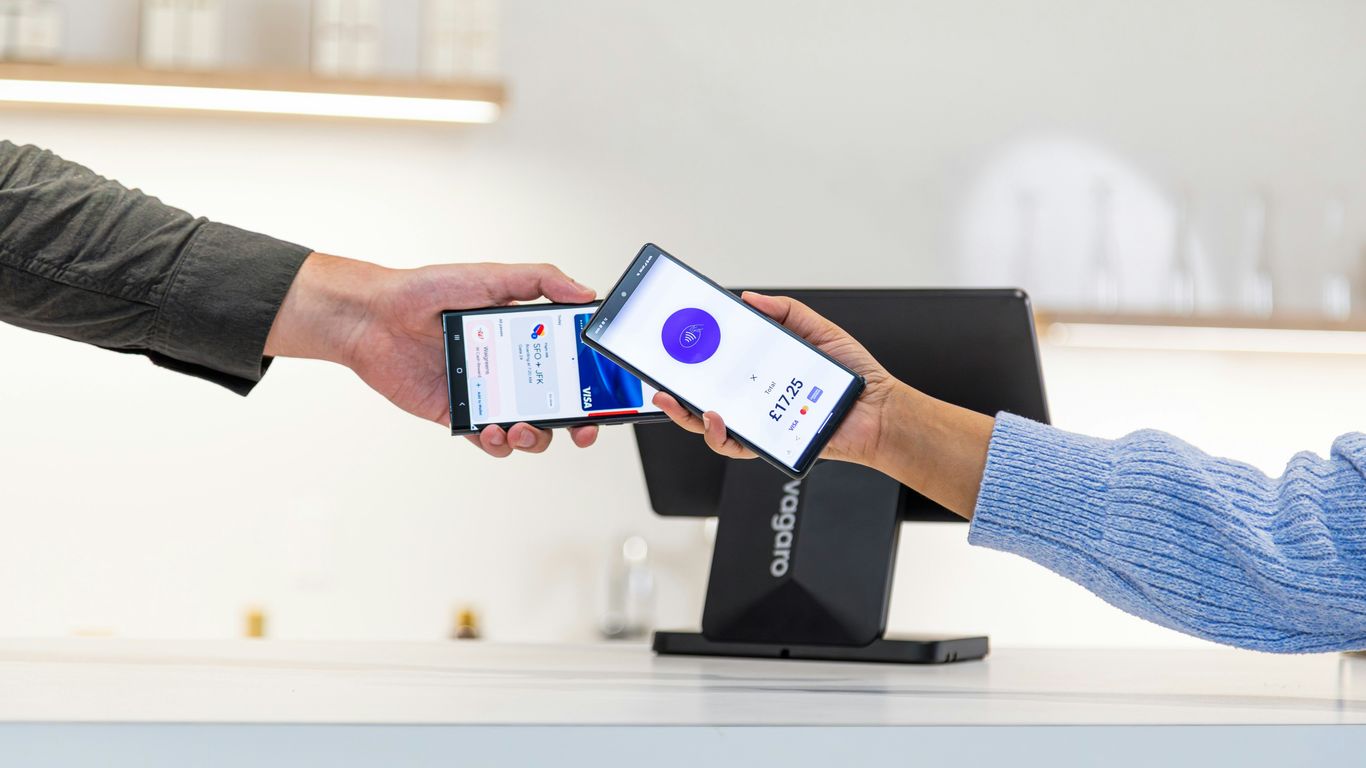
NFC contactless payments are basically a way to pay for things just by holding your card, phone, or watch near a payment terminal—no swiping, inserting, or handing over cash. That’s it. You “tap” to pay, and the transaction goes through in seconds. This makes things faster and way less awkward at the register. More folks are using this because it works with what they already have: most modern cards, iPhones, Androids, and even smartwatches support NFC.
How NFC Technology Powers Transactions
NFC stands for Near Field Communication, and it’s a short-range technology that lets two devices talk to each other when they’re just a few centimeters apart. Here’s what really happens during contactless payments:
- You hold your payment device (card, phone, watch) close to the terminal.
- The devices create a secure wireless link—just for a second—using radio waves.
- Encrypted payment info goes from your device to the terminal.
- The terminal sends that info to the payment network (like Visa, Mastercard, or your bank) to check if everything is good.
NFC is quick because it cuts out physical steps. No chip reader. No PIN, unless it’s over a certain amount. Everything’s over in seconds.
The Journey of a Contactless Payment
Let’s break down the life of a single contactless transaction, start to finish:
- Initiation: You tap your card or phone near the terminal.
- Secure Data Exchange: Your device sends a one-time use code (not your real card details) to the terminal.
- Authorization: The merchant’s terminal forwards that to the card network, which checks with your bank.
- Approval: If your account’s all good, the bank sends approval back; the transaction finishes.
- Confirmation: You get your receipt—or a notification on your phone—and you’re done.
Here’s a quick table showing how fast this is compared to other payment types:
| Payment Type | Approximate Time to Complete |
|---|---|
| NFC Contactless Tap | 1-3 seconds |
| Chip & PIN (EMV) | 8-15 seconds |
| Cash | 10-30 seconds (varies) |
These speeds might seem small, but they add up—especially when you’re in a hurry or the line is long. There’s really no going back once you get used to tapping to pay.
The Evolution and Benefits of Contactless Payments
From Barter to Digital: A Payment Timeline
Think about how we used to pay for things. It started with trading goods, right? Then came coins and paper money, followed by checks, and eventually credit and debit cards. Each step was about making things a bit easier and quicker. But honestly, the real game-changer for everyday shopping has been contactless payments. It feels like just yesterday we were fumbling for change or waiting for a card to be swiped. Now, a simple tap is all it takes. It’s a pretty big leap from trading chickens for bread!
Unlocking Speed and Efficiency
One of the biggest wins with contactless is how fast it is. You know those moments when you’re in a rush, maybe grabbing a coffee before work or a quick snack? With contactless, you just tap your card or phone, and you’re done. No digging through your wallet, no waiting for someone to count change. This speed really adds up, especially during busy times. It makes the whole checkout process feel way less like a chore. It’s about getting you on your way without the fuss.
Convenience for Everyday Life
Let’s be real, convenience is king these days. Contactless payments make life simpler. You can often leave your bulky wallet at home and just carry your phone or even a smartwatch. Need to buy lunch? Tap. Grabbing groceries? Tap. It’s just so much easier than juggling multiple cards or cash. This ease of use is why so many people are switching over. It fits right into our busy lives without adding any extra steps.
Prioritizing Hygiene and Safety
In the last few years, we’ve all become a lot more aware of touching things. Contactless payments are a big plus here. Since you don’t have to touch the payment terminal, swipe a card, or handle cash, it cuts down on the spread of germs. It’s a small change, but it offers a bit more peace of mind when you’re out and about. It’s a practical benefit that many people appreciate, especially in public places.
Diverse Forms of NFC Contactless Payments
Contactless payment isn’t just one thing; it comes in a few different flavors, all using that handy NFC tech to make paying quick and easy. You’ve probably seen or used them already.
Tap-and-Go With Contactless Cards
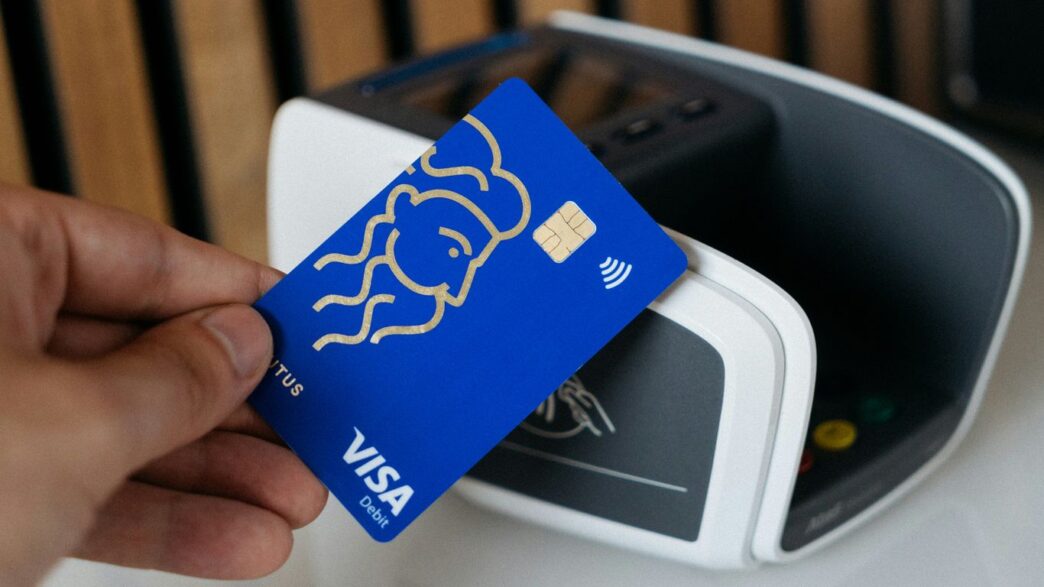
These are the most common ones you’ll see. They look like your regular credit or debit cards, but they have a little symbol on them, usually like radio waves. You just hold the card near the payment machine, and beep, you’re done. No swiping, no inserting. It’s super fast, especially when you’re in a hurry.
- How it works: An NFC chip and antenna are built right into the card.
- What you need: A card with the contactless symbol and a payment terminal that accepts them.
- Best for: Quick, everyday purchases like coffee, groceries, or bus fare.
The Convenience of Mobile Wallets
This is where things get really slick. Think Apple Pay, Google Pay, or Samsung Pay. You load your credit or debit card information into an app on your smartphone. Then, when you want to pay, you just hold your phone near the terminal. Sometimes you have to unlock your phone with your fingerprint or face first, which adds an extra layer of security. It’s great because you don’t even need to carry your physical wallet if you’ve got your phone.
- Security: Often uses tokenization, meaning your actual card number isn’t shared with the merchant.
- Setup: Requires downloading an app and adding your card details.
- Versatility: Can also store loyalty cards and tickets.
Payments on the Go With Wearables
This is kind of like mobile wallets, but even more convenient. Smartwatches are the big player here. Devices like an Apple Watch or a Samsung Galaxy Watch can be set up to make payments. You link your cards to the watch, and then you can just tap your wrist at the payment terminal. It’s perfect for when you’re out for a run and don’t want to bring your phone or wallet, but still want to grab a drink or a snack. It really makes paying feel like it’s just part of your day.
- Examples: Smartwatches, fitness trackers with payment features.
- Action: Usually a double-tap of the watch button or holding it near the terminal.
- Benefit: Ultimate convenience for active lifestyles.
Ensuring Security and Trust in NFC Payments
It’s natural to wonder about the safety of tapping your phone or card to pay for things. We’re sending financial information, after all. But the good news is, NFC payments have some pretty solid security measures built in. It’s not just about convenience; it’s about making sure your money and data are protected.
Encryption and Tokenization Safeguards
When you tap your card or phone, the information that gets sent isn’t just floating around in plain text. It’s scrambled using encryption. Think of it like a secret code that only the right systems can understand. On top of that, many systems use something called tokenization. Instead of your actual card number being sent with every transaction, a unique, one-time code – a token – is used. This token is useless to a thief if intercepted because it can’t be used for anything else and doesn’t contain your real card details. So, even if someone managed to grab the data, it wouldn’t be your actual account information.
Robust Authentication Mechanisms
To stop unauthorized use, there are extra checks. For smaller purchases, a simple tap might be all you need. But for larger amounts, you’ll likely be asked for a PIN, just like you would with a chip-and-PIN card. Mobile wallets often add another layer by requiring you to unlock your phone, perhaps with a fingerprint, face scan, or a passcode, before you can even tap. This makes it much harder for someone else to use your device for payments if it falls into the wrong hands.
Transaction Limits and Monitoring
There are usually limits on how much you can spend with a single contactless transaction without needing extra verification, like a PIN. This is a smart way to limit potential losses if a card or device is misused. Plus, banks and payment processors are constantly watching for unusual activity. If something looks fishy, they can flag it or even block a transaction to protect you. It’s like having a watchful eye on your account, working 24/7.
Adherence to EMV Standards
NFC payments follow strict industry rules, like those set by EMVCo (which stands for Europay, Mastercard, and Visa). These standards are designed to make payments secure and work reliably across different banks and countries. By sticking to these guidelines, NFC payment systems are built on a foundation of security that has been tested and approved by major financial players. This global standard helps ensure that when you tap to pay, you’re using a system that’s recognized and trusted worldwide.
Enhancing the Customer Experience
Frictionless Checkout Processes
Think about the last time you were in a rush, maybe trying to grab a coffee before catching a train. Waiting in line, fumbling for cash or a card, it all adds up. Contactless payments really change that. You just tap your card or phone, and boom, you’re done. It’s so much faster, and honestly, it just feels better. This speed means less time waiting and more time for whatever you actually need to do. It’s a small change, but it makes a big difference in how you feel about a store or service. This ease of transaction is becoming a big deal for shoppers.
Building Customer Loyalty
When paying is quick and simple, people tend to come back. It’s not just about the speed, though. It’s about the overall feeling of convenience. If a shop makes it easy to pay, you’re more likely to choose them over a place where you have to jump through hoops. Think about it: a smooth checkout process leaves a good impression. It’s one less thing to worry about in a busy day. This positive experience can really build up over time, making customers feel valued and more likely to stick around. It’s a smart way for businesses to keep people coming back for more.
Accessibility for All Users
Contactless payments aren’t just for the tech-savvy. They’re actually pretty great for a lot of different people. For instance, someone with limited mobility might find it much easier to tap their card than to insert it and wait. Or maybe an older person who finds remembering PINs a bit tricky. The simplicity of just tapping makes financial transactions more open to everyone. It removes some of the physical and mental hurdles that can make other payment methods a hassle. This inclusivity means more people can participate easily in everyday commerce, which is a win-win for everyone involved. It’s about making sure everyone has a good way to pay, no matter their situation. You can find more about how NFC tags can improve the in-store experience at NFC technology.
Integrating NFC Payments for Merchants
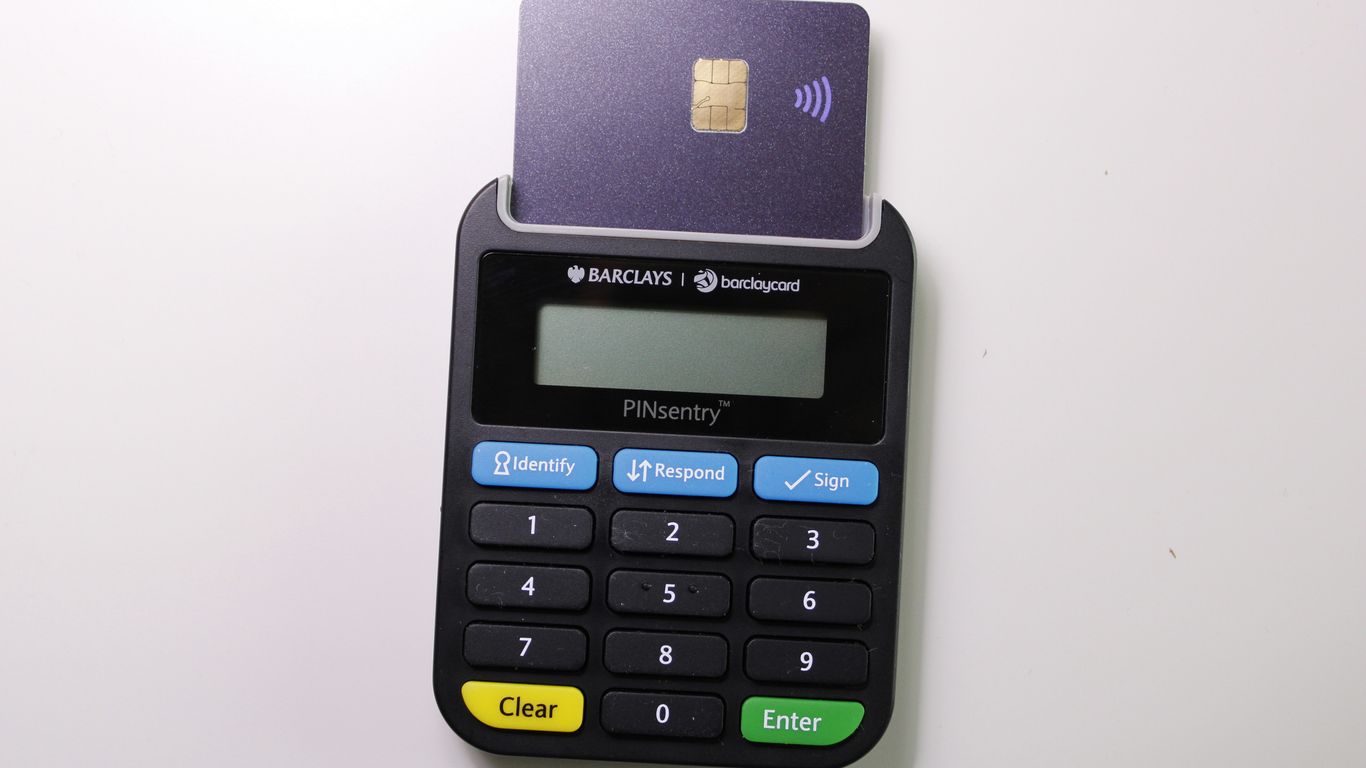
Getting your business set up to accept NFC contactless payments is actually pretty straightforward these days. Most modern payment terminals can handle these transactions right out of the box. If you’re unsure if your current setup is ready, it’s worth checking with your payment processor. They can tell you if your terminals are NFC-enabled or if an upgrade is needed.
Seamless In-Store Integration
For physical stores, the integration is mostly about the point-of-sale (POS) system. If your terminal supports contactless cards, it likely already supports mobile wallets and wearables too. It’s not a separate system you need to install; it’s usually just a feature that’s already there. Think of it like this:
- Check your terminal: Look for the contactless symbol (like a sideways Wi-Fi signal). If it’s there, you’re probably good to go.
- Talk to your provider: If you don’t have the symbol or aren’t sure, reach out to your payment service provider. They can confirm compatibility or arrange for an upgrade.
- Staff training: Make sure your cashiers know how to guide customers through the process, even though it’s usually self-explanatory. A quick mention of "just tap your card or phone" goes a long way.
The biggest hurdle for many businesses is simply realizing they might already be equipped. It’s not a whole new technology to buy into, but rather an existing capability to activate.
Effortless Online Checkout
Online, it’s a bit different but still designed to be simple. When customers choose to pay with a digital wallet online, your e-commerce platform handles the connection. For newer platforms, this is often built-in. For older systems, it might just be a setting you need to switch on. This makes the checkout process much quicker for your online shoppers, reducing the chance they’ll abandon their cart. You can find more insights on digital wallet integration from experts in the field here.
Leveraging Existing Terminals
This is where things get really cost-effective. You don’t necessarily need to buy all new hardware. Many businesses already have EMV-compliant terminals that are capable of accepting NFC payments. The technology is built into the terminal itself. So, instead of a complete overhaul, it’s often just a matter of ensuring your software is up-to-date and that the feature is enabled. This makes adopting NFC payments a much more accessible step for businesses of all sizes, allowing them to keep up with customer preferences without a massive investment.
Wrapping It Up
So, we’ve talked a lot about how tapping your phone or card to pay is becoming super common. It’s fast, it’s easy, and honestly, it just feels simpler than digging for cash. From coffee runs to grocery trips, this technology is changing how we handle everyday purchases. It’s pretty cool how a quick tap can get you on your way without much fuss. As more places start using these payment systems, it’s likely we’ll see even more convenience down the road. It’s definitely a big shift from how things used to be done, and it seems like it’s here to stay.
Frequently Asked Questions
What exactly is NFC and how does it help me pay?
NFC stands for Near Field Communication. Think of it as a super short-range radio that lets your phone or card talk to a payment machine when they’re really close, like a little over an inch apart. It’s what makes ‘tap and go’ payments possible, letting you pay for things super quickly without swiping or inserting anything.
Is tapping my phone or card to pay safe?
Yes, it’s designed to be very safe! When you tap, your payment information is scrambled using something called encryption and often replaced with a secret code called a token. This means your actual card number isn’t usually shared, making it harder for bad guys to steal your info. Plus, many systems require a PIN or your fingerprint to confirm the payment.
Can I use my phone to pay for everything?
You can use your phone for many purchases, especially at places with newer payment machines that show a little symbol like a Wi-Fi wave. It’s super common at coffee shops, grocery stores, and many other retailers. However, some smaller shops or older machines might still only take cash or cards that need to be swiped or inserted.
What’s the difference between using a contactless card and my phone for payments?
Both use NFC technology to work! A contactless card has a special chip inside that lets you tap and pay. Your phone does the same thing, but instead of a card, you use your phone’s built-in NFC chip. Using your phone often means you can also store loyalty cards and other things in an app, making it a bit more versatile.
Do I need to worry about my phone being too far away to pay?
Not really! NFC works best when the devices are very close, usually just a couple of centimeters apart – about the distance of a quick tap. You just need to hold your phone or card near the payment terminal for a second or two until you see a confirmation, like a beep or a checkmark on the screen.
What happens if I lose my phone or contactless card?
If you lose your phone or card, you should contact your bank or the company that issued the card right away, just like you would if you lost your wallet. They can block the lost item to prevent anyone from using it and help you get a replacement. Many mobile payment apps also have features to help you lock or erase your payment information remotely.