You’ve probably seen people tapping their phones or watches at the checkout lately instead of digging for a card. That’s NFC and contactless payments in action. It’s fast, it’s easy, and honestly, it’s one of the most secure ways to pay these days. We’re going to break down what makes this technology tick, why it’s so safe, and what it means for everyone involved.
Key Takeaways
- NFC and contactless payments let you pay securely by tapping your phone, watch, or card near a reader.
- Your actual card number isn’t used; instead, a unique token is sent, making stolen data useless.
- Security comes from short communication ranges, encryption, and often requiring a fingerprint or passcode to pay.
- Digital wallets and fintech companies are making these payments even easier and more integrated into our lives.
- The technology is expanding beyond just payments, showing up in areas like access control and smart cities.
Understanding NFC and Contactless Payments
You’ve probably seen it happening more and more lately. People aren’t digging through their wallets for cards or counting out cash at the checkout. Instead, they’re just tapping their phones or watches. That’s Near Field Communication, or NFC, at work, making contactless payments super easy. It’s not just about speed, though. Despite what some folks might think, this technology is actually pretty secure.
The Core Technology: Understanding NFC
At its heart, NFC is a way for two devices to talk to each other when they’re really close, usually just a few centimeters apart. Think of it like a very short-range radio signal. This same technology is used for things like unlocking your hotel room door with a key card or even letting your phone quickly share info with another phone. For payments, it means your phone, smartwatch, or even a special credit card can send your payment details to the checkout machine without you having to touch anything.
How NFC Works: A Brief Overview
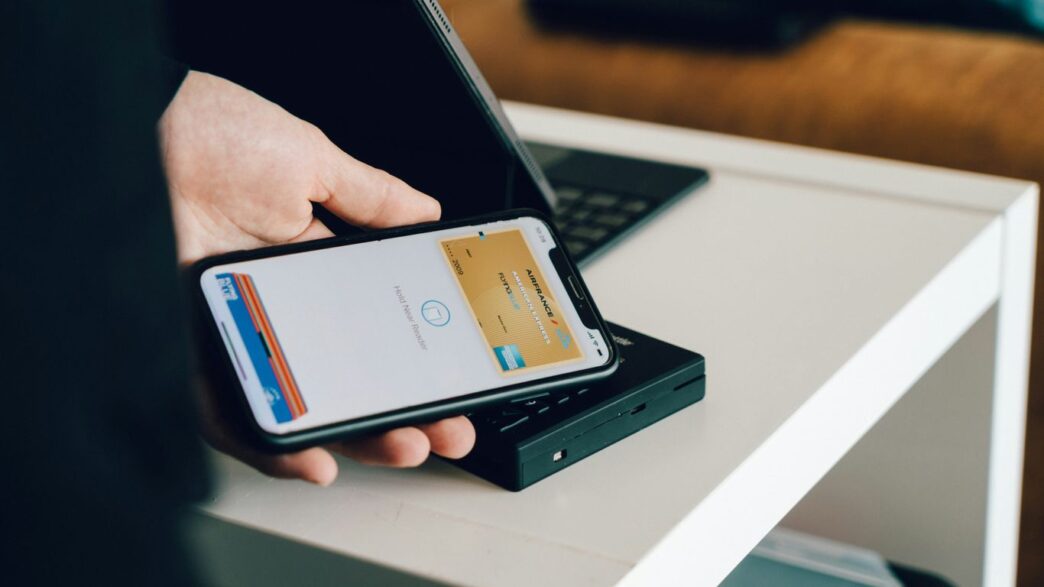
So, how does that tap actually happen? When you hold your NFC-enabled device near a payment terminal, a couple of things occur almost instantly. First, the terminal sends a small radio signal to wake up the chip in your device. Then, your device sends back the payment information. The really neat part is that your actual credit card number isn’t sent. Instead, a unique, one-time code is used for that specific transaction. This code, along with some other security measures, makes it really hard for anyone to steal your payment details, even if they somehow managed to intercept the signal.
Here’s a quick look at the process:
- Initiation: You bring your device close to the payment terminal.
- Communication: The devices exchange signals wirelessly.
- Transaction: A secure, tokenized payment is processed.
- Confirmation: You get a quick confirmation, often with a beep or a message on the screen.
The Benefits of NFC and Contactless Payments
Why has this become so popular? Well, there are a few big reasons. For starters, it’s incredibly fast. No more waiting for chip readers or counting change. It’s also more hygienic since there’s no physical contact needed. Plus, as we’ll get into more, the security features are quite robust, often more so than traditional methods. It just makes the whole checkout experience smoother for everyone involved.
Here are some of the main advantages:
- Speed: Transactions are completed in seconds.
- Convenience: No need to carry multiple cards or cash.
- Security: Uses tokenization and short-range communication to protect data.
- Hygiene: Contact-free transactions reduce germ spread.
The Mechanics Behind Secure Transactions
So, how does tapping your phone to pay actually work, and more importantly, is it safe? It might seem like magic, but there’s some pretty clever tech at play that keeps your money secure. It’s not just about waving your device; it’s a whole system designed to protect you.
How NFC Mobile Payments Work
When you tap your phone or watch to pay, Near Field Communication (NFC) is the technology that makes it happen. It’s a short-range wireless communication method, meaning your device and the payment terminal have to be really close – usually just a few centimeters apart. This proximity is a security feature in itself; it makes accidental payments or remote snooping pretty tough. Your device sends a signal to the terminal, and that’s where the real security measures kick in.
Here’s a simplified look at the process:
- Initiation: You unlock your device and hold it near the payment terminal.
- Data Exchange: Your device communicates with the terminal, sending payment information.
- Validation: The payment network verifies the transaction.
- Completion: The transaction is approved, and you get a confirmation.
This whole dance happens in seconds, making it super fast. It’s a big step up from older methods where you had to swipe or even insert a card and wait.
The Role of Tokenization in Security
This is where things get really interesting. Instead of sending your actual credit or debit card number out into the world with every tap, NFC payments use something called tokenization. Think of it like a secret code. Your actual card number is replaced with a unique, one-time-use token. This token is specific to your device and the transaction. So, even if someone managed to intercept that token, it wouldn’t do them any good because it can’t be used again and doesn’t contain your real card details. This is a huge deal for preventing fraud, especially in situations where your card number might otherwise be exposed. It’s a core reason why many consider contactless payments safer than traditional methods. You can read more about how tokenization protects your data.
Authentication and Encryption Layers
Beyond tokenization, there are other layers of security. Most mobile payment systems require you to authenticate yourself before a payment can go through. This usually means using your fingerprint, face scan, or a passcode on your device. This adds another barrier, making sure it’s actually you making the purchase. On top of that, the data exchanged during the transaction is encrypted. Encryption scrambles the information so that only authorized parties can read it. These combined security measures – the short range of NFC, tokenization, device authentication, and encryption – create a robust system that makes contactless payments a very secure way to pay for things these days.
The Evolution of Contactless Payment Methods
Contactless payments have really come a long way, haven’t they? It feels like just yesterday we were all fumbling with cash or waiting for card machines to beep. Now, it’s all about a quick tap or a wave of your phone.
It all started picking up steam a while back. Think back to the early 2000s, when EMV chips started showing up on cards. That was a big step for security. But the real game-changer for speed and convenience was when those cards got the ‘tap-to-pay’ feature. Suddenly, you didn’t need to swipe or insert your card anymore. Just a quick hover over the reader and you were done. This was especially big in places like the UK and Australia, where people really took to it fast. Now, in some countries, most card transactions are contactless.
From Cards to Mobile Wallets
While tapping a card is super easy, things really took off when our phones became payment devices. Services like Apple Pay, Google Pay, and Samsung Pay let you load your credit or debit cards right onto your phone. This means you don’t even need to carry your wallet if you’ve got your phone with you. It’s pretty neat, honestly. You just hold your phone near the payment terminal, and if you’ve got a fingerprint or face scan set up, it’s usually good to go. This adds a whole other layer of security because your actual card number isn’t being shared with the merchant.
The Rise of Digital Wallets and Fintech
Fintech companies have jumped into this space too, making things even more interesting. Some offer virtual cards that you can start using in your mobile wallet almost instantly, even before the physical card arrives in the mail. Others let you manage multiple cards in one app, so you can pick which one to use for a specific purchase. It’s not just about paying anymore; these digital wallets are becoming a central hub for managing your money and loyalty programs. You might even get special offers pushed to your phone when you’re near a store.
Wearables and Beyond
And it doesn’t stop with phones. We’re seeing more and more smartwatches and fitness trackers that can handle payments. So, if you’re out for a run and want to grab a coffee, you don’t need to bring your phone or wallet – just your watch. It’s all about making payments fit into our lives, no matter what we’re doing. The trend is clear: contactless is becoming the standard, and it’s only going to get more integrated into everything we do.
Real-World Impact and Adoption
It’s pretty wild how quickly contactless payments have gone from a neat trick to something most of us just expect, right? Think about it – a few years ago, it felt a bit futuristic, but now, it’s just… normal. This shift isn’t just about convenience for us shoppers; it’s changing how businesses operate too.
Case Study: Transport for London
One of the biggest success stories has to be Transport for London (TfL). Back in 2014, they really leaned into letting people tap their contactless cards or phones to pay for the Tube, buses, and trains. It was a game-changer. Suddenly, those long queues for tickets just vanished. People could just hop on, tap, and go. It made getting around London so much smoother, and millions of commuters have ditched the old paper tickets for good. It really showed how well this tech could work on a massive scale.
Consumer Acceptance and Trends
So, why are we all tapping away? For starters, it’s just plain fast. No more fumbling for cash or waiting for chip readers. Plus, our phones and watches are already with us, so adding payment info is pretty simple. It feels secure too, especially with those one-time codes that get sent with each transaction. It’s no wonder places like the UK and Australia have almost everyone using contactless now. Even here in the US, it’s becoming the standard, and that’s only going to grow.
Here’s a quick look at how people are using it:
- Contactless Cards: Still super popular, easy to use, and widely accepted.
- Mobile Wallets: Think Apple Pay or Google Pay. Most people have their phones on them, making this a go-to option.
- Wearables: Smartwatches and fitness trackers are getting in on the action, letting you pay with a flick of the wrist.
Merchant Benefits of Tap-to-Pay
It’s not just us consumers who win. Businesses are seeing some big upsides too. For one, those checkout lines move way faster. That means more customers served, especially during busy times, which is good for business. There are also fewer mistakes and less cash to handle, which simplifies things. And because these systems are often more secure, there can be fewer chargebacks. It’s a win-win, really, as long as they have the right equipment set up.
The Future of NFC and Seamless Commerce
Integration with Digital Ecosystems
So, where’s all this NFC stuff heading next? It’s not just about tapping your phone to buy a coffee anymore. Think bigger. We’re looking at NFC becoming a key player in a whole bunch of digital systems. Imagine using that same tap to get into a concert, prove your age at a bar, or even access your digital ID. It’s all about making those everyday interactions smoother. The real game-changer here is how different technologies start talking to each other. NFC is set to connect with things like your smart home devices, digital health records, and even cryptocurrency wallets. It’s moving beyond just payments to become a universal key for accessing services and information.
Expanding Applications Beyond Payments
NFC’s short-range magic is finding its way into all sorts of places you might not expect. For instance, in healthcare, it could be used for quickly identifying patients or accessing their medical history securely. In factories, it might help track equipment or manage maintenance schedules. Even in smart cities, it could streamline how we use public transport or access city services. The main idea is to make things simpler and more automated. It’s about using that quick tap to do more than just pay for things.
The Orchestrated Commerce Experience
What a lot of people miss is that NFC isn’t just a payment button. It can also handle things like loyalty points, event tickets, or special offers, all in one go. This means customers don’t have to do extra steps at the checkout. For businesses, this translates to faster lines, especially during busy times, and fewer problems with transactions. Plus, getting digital receipts and consistent data makes managing things easier. The real opportunity for companies that build these systems is to create one platform that can manage all these different NFC interactions. This way, everything from payments to loyalty programs works together smoothly. It’s about making the whole shopping experience feel connected and easy, not just the payment part.
The Future is Tapping
So, there you have it. NFC and contactless payments are more than just a quick way to pay for your coffee; they’re a big part of how we’ll be doing things in the future. It’s all about making life a little easier and, importantly, keeping your money safe. From speeding up checkout lines to making sure your payment details aren’t floating around where they shouldn’t be, this tech is quietly changing the game. Keep an eye out, because this tap-and-go world is only going to get bigger and better.
Frequently Asked Questions
What exactly is NFC?
NFC stands for Near Field Communication. Think of it as a super short-range way for two devices to talk to each other, like magic! It works when devices are really close, just a few centimeters apart, making it super handy for quick actions like paying with your phone.
How does tapping my phone to pay actually work?
When you tap your phone or watch to pay, NFC technology sends your payment info to the store’s machine. But here’s the cool part: your actual card number isn’t sent. Instead, a special, one-time code is used, making it very difficult for anyone to steal your real card details.
Is tapping my phone to pay safe?
Yes, it’s actually one of the safest ways to pay! Because the devices have to be so close to communicate, it’s hard for someone to intercept the payment. Plus, your real card details are never shared, and your phone usually needs your fingerprint or a passcode to unlock it first.
What’s the difference between NFC and other wireless tech like Bluetooth?
NFC is all about very short distances and quick, simple tasks like paying. Bluetooth can reach further and is used for things like connecting headphones. Wi-Fi goes even further and is for internet stuff. NFC is best for those instant, close-up interactions.
Can I use NFC for things other than payments?
Absolutely! NFC is used for lots of things. You might use it to quickly share info between phones, unlock doors at work with a special badge, or even get information from a smart poster by tapping your phone to it.
What are digital wallets, and how do they relate to NFC?
Digital wallets are apps on your phone or watch, like Apple Pay or Google Pay. They store your payment information securely. When you use NFC to pay, your digital wallet uses the NFC chip to send the payment information to the store’s terminal. It’s the app that manages the secure payment process.