
In 2026, how we pay for things is changing fast. Gone are the days of fumbling for cash or swiping old-school cards. Now, it’s all about using your phone or watch for quick, easy payments. Whether you’re tapping at the grocery store, scanning a code at a cafe, or paying through an app, contactless mobile payments are becoming the norm. This guide will walk you through what’s happening with these payment methods and what businesses need to know to keep up.
Key Takeaways
- Contactless mobile payments, using phones and watches, are the new standard for transactions in 2026.
- Technologies like NFC tap-to-pay and QR codes make paying faster and more convenient.
- Mobile wallets and wearables are growing in popularity, offering secure and simple payment options.
- Security is a big deal, with methods like tokenization and biometrics protecting your money.
- Businesses need to adopt these mobile payment solutions to stay competitive and meet customer expectations.
Understanding Contactless Mobile Payments in 2026
Okay, so let’s talk about how we’re paying for stuff in 2026. It’s pretty wild how much things have changed, right? Gone are the days of fumbling for cash or even digging out a plastic card for every little purchase. Mobile payments have really taken over, and honestly, it’s mostly for the better.
What Constitutes A Mobile Payment?
Basically, any time you use your phone, smartwatch, or tablet to pay for something without using physical cash or a card, that’s a mobile payment. Think about tapping your phone at the grocery store checkout, scanning a QR code at a coffee shop, or even using an app to send money to a friend. It’s all about using your device to get the transaction done. These methods are super fast and convenient, which is probably why they’ve become so popular. It’s not just a trend anymore; it’s how a lot of people prefer to handle their money these days.
The Growing Importance Of Mobile Payments For Businesses
If you own a business, you’ve probably noticed this shift. Customers expect you to have mobile payment options. It’s not just about keeping up; it’s about staying competitive. Offering mobile payments means faster checkouts, which makes customers happier. Plus, it can cut down on some of the hassle of handling cash or dealing with card machines. Think about it: fewer lines, quicker service, and a smoother overall experience for everyone. Businesses that don’t adapt might find themselves losing out on sales and frustrating their customers. It’s a big deal for keeping your business running smoothly and making sure people want to come back.
How Mobile Payments Facilitate Transactions
So, how does this magic actually happen? It’s a pretty neat process, actually. When you initiate a payment, your device securely sends your payment information. This often involves a special code, not your actual card number, which is a big security plus. Then, your bank or card issuer gives the okay, and the money moves. It all happens in seconds. This whole system is designed to be quick and safe. It’s a multi-step process that protects your information while getting you on your way. This technology is really changing how we think about buying and selling things, making it easier for everyone involved. You can find out more about some of the payment trends shaping this future of money movement.
Exploring The Landscape Of Mobile Payment Technologies

So, how exactly are we paying with our phones these days? It’s not just one thing, you know. There are a few different ways mobile payments work, and they’re all pretty neat.
NFC Tap-to-Pay Functionality
This is probably what most people think of first. You know, when you just tap your phone or watch near the payment terminal? That’s Near Field Communication, or NFC, at work. It’s super quick and feels pretty futuristic, even though it’s pretty common now. It’s great for places like coffee shops, grocery stores, or anywhere you want to get in and out fast. It’s all about that quick, contactless interaction.
Leveraging QR Code Payments
Then you’ve got QR codes. You see these everywhere now, right? You just pull out your phone, open your camera or a payment app, and scan the little black and white square. It usually takes you to a payment page where you can confirm the amount and pay. This is really handy for smaller businesses, like at a farmer’s market, or for things like paying for takeout. It’s a solid option when NFC might not be available or practical. You can find these codes on tables, at checkout counters, or even on invoices.
The Convenience Of Mobile Wallet Payments
Mobile wallets are basically digital versions of your physical wallet, but way more secure. Think Apple Pay, Google Pay, or Samsung Pay. You load your credit or debit card information into the app, and it’s all encrypted. When you pay, it uses either NFC or sometimes QR codes, but the wallet is the central hub. It makes checking out really smooth, especially if you’re already using your phone for everything else. It’s a big reason why mobile payments are so popular with people who are always on their phones. These digital wallets are becoming the go-to for many consumers, offering a unified way to manage payment methods.
Utilizing Pay-By-Link And Text-to-Pay Options
This one is a bit different but super useful. Instead of you initiating the payment at a terminal, the business sends you a payment link. This could come through a text message, an email, or even a social media direct message. You just click the link, and it takes you to a secure page to complete the payment right there on your phone. It’s perfect for services where you might not be paying in person, like a contractor finishing a job or a salon sending an invoice after an appointment. It makes getting paid much easier for businesses and paying simpler for customers.
Key Trends Shaping Contactless Mobile Payments
It feels like just yesterday we were fumbling for cash or swiping cards, right? Well, things are moving fast, and by 2026, a few big trends are really changing how we pay with our phones and other gadgets.
The Ascendancy Of Mobile Wallets And Wearables
Mobile wallets, like Apple Pay and Google Pay, aren’t just for storing cards anymore. They’re becoming the go-to for many people. And it’s not just phones; smartwatches and fitness trackers are getting in on the action too. This means businesses really need to make sure their payment systems can handle these devices, because customers are ditching old wallets. It’s all about making payments quick and secure, often with things like fingerprint or face scans.
Biometric Authentication Enhancing Payment Security
Speaking of security, biometrics are a huge deal. Think fingerprint scanners on your phone or even facial recognition. These methods are way harder to hack than a simple PIN or password. They’re being built right into phones and wearables, making transactions safer without adding extra steps for the user. It’s a big step up from just remembering a code.
Integration With Loyalty Programs
Companies are getting smart about combining payments with rewards. Imagine paying for your coffee and automatically earning loyalty points or getting a discount, all without pulling out a separate card or opening another app. This kind of integration makes shopping smoother and gives customers a reason to stick around. It’s a win-win: customers get perks, and businesses build loyalty.
QR Codes Revolutionizing Small Business Transactions
For smaller shops, pop-up vendors, or even food trucks, QR codes are a game-changer. They’re super cheap to set up compared to needing fancy NFC readers. Customers just scan a code with their phone, and boom, payment is done. This makes it easy for even the smallest businesses to accept mobile payments without a big investment. We’re going to see a lot more of these codes popping up everywhere.
Mobile Payment Solutions For Various Industries
It’s pretty wild how mobile payments have spread out into pretty much every kind of business these days. It’s not just for big stores anymore. Think about it – whether you’re running a small boutique, a busy restaurant, a cozy salon, or even a contractor out on a job site, there’s a mobile payment option that can make things smoother.
Mobile Payment Adoption In Retail And Restaurants
In retail and restaurants, speed is king. Nobody likes waiting in a long line, right? That’s where mobile payments really shine. Customers can just tap their phone or watch to pay, and boom, they’re on their way. For restaurants, especially with QR code menus and ordering becoming so common, letting people pay right from their table using their phone just makes sense. It speeds up table turnover and makes the whole experience less of a hassle for everyone.
Streamlining Payments In Salons And Healthcare
Salons and healthcare providers are finding mobile payments super helpful too. Imagine getting a text message with a link to pay for your haircut or your doctor’s visit before you even leave the waiting room. This kind of pay-by-link or text-to-pay system means less time spent at the front desk and fewer forgotten payments. It’s a win-win: patients and clients get a quick, easy way to settle up, and the business gets paid faster without chasing down invoices.
On-The-Go Payments For Contractors And Field Services
For folks like contractors, plumbers, electricians, or delivery drivers, being able to take payments right there on the spot is a game-changer. They can finish a job, pull out their phone or tablet, and accept a credit card payment on the spot. No more waiting for checks or mailing invoices. This flexibility means they can get paid immediately, which is great for cash flow, and it makes them look way more professional to their clients. It’s all about making it easy for the customer to pay you, wherever you happen to be working.
| Industry Sector | Key Mobile Payment Methods Used |
|---|---|
| Retail | NFC Tap-to-Pay, Mobile Wallets |
| Restaurants | QR Codes, NFC, Mobile Wallets |
| Salons & Spas | Pay-by-Link, Text-to-Pay |
| Healthcare | Pay-by-Link, Text-to-Pay |
| Contractors/Field Svcs | Mobile POS, NFC, Mobile Wallets |
Ensuring Security And Compliance In Mobile Transactions
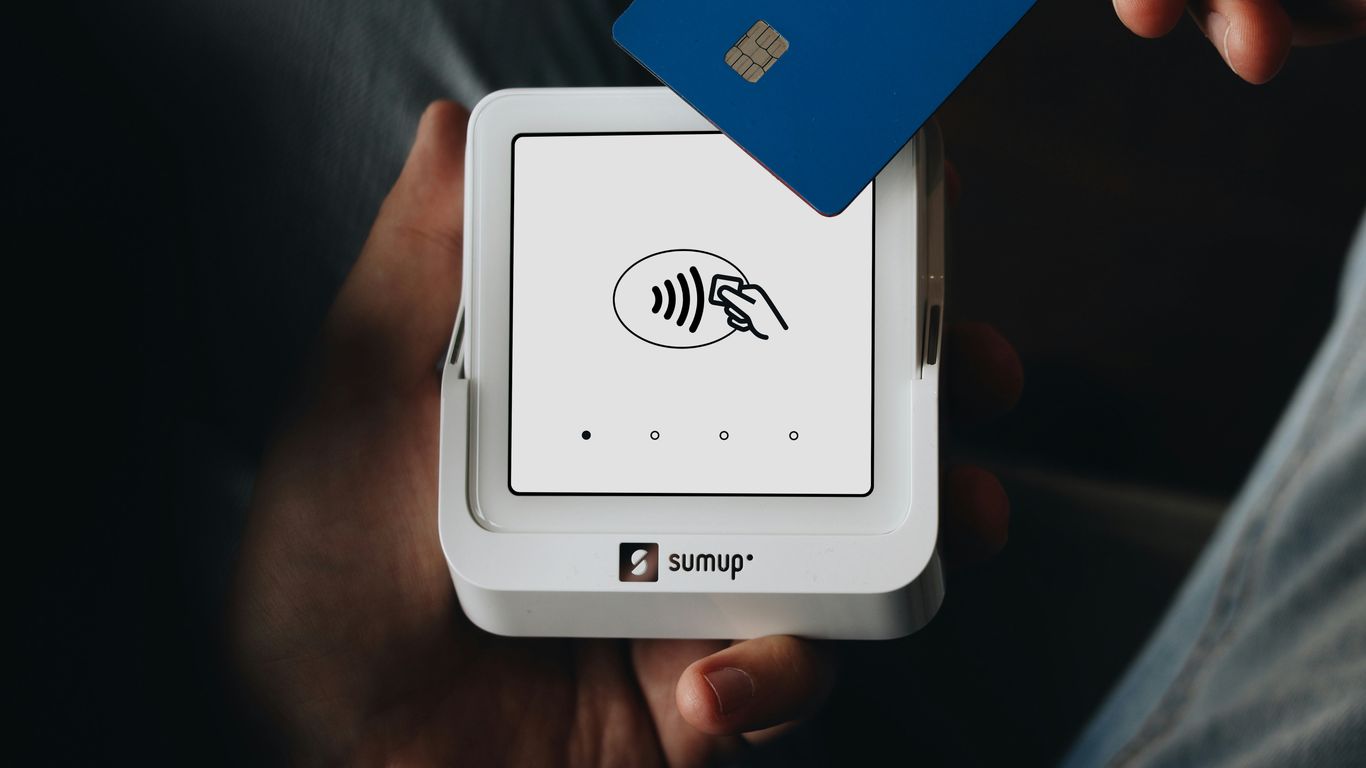
When you’re taking payments on the go with a phone or tablet, keeping things safe and by the book is super important. It’s not just about making a sale; it’s about protecting your customer’s information and your business. Thankfully, there are some solid ways this is handled.
Tokenization and Encryption For Data Protection
Think of tokenization like a secret code. Instead of your customer’s actual card number being sent around, it gets swapped out for a unique token. This token is useless to anyone who might intercept it. It’s a big step up from older methods. Encryption is like putting that token (or other data) into a locked box that only the right people can open. This means even if someone got their hands on the data, it would just look like gibberish without the key. These two technologies work together to make sure sensitive cardholder data stays protected throughout the payment process.
The Role Of Biometric Authentication
Biometrics, like using your fingerprint or face to approve a payment, adds another layer of security. It’s way harder for someone to steal your fingerprint than it is to guess a password. When a customer uses their phone to pay, their device might ask for a fingerprint scan or facial recognition. This confirms it’s really them making the purchase, not someone else who just found their phone. It makes transactions feel more secure for everyone involved.
Adhering To PCI DSS Compliance Standards
PCI DSS, or the Payment Card Industry Data Security Standard, is a set of rules designed to protect cardholder data. Businesses that handle card payments, including mobile ones, need to follow these rules. This might sound complicated, but many mobile payment providers build these standards right into their systems. For example, new PCI mobile payment standards help keep things secure without needing fancy new hardware PCI compliance. It’s all about making sure the systems you use are certified and meet these security benchmarks.
AI-Powered Fraud Prevention Strategies
Artificial intelligence is getting really good at spotting weird stuff. AI can look at thousands of transactions in real-time and notice patterns that might signal fraud. It can tell if a purchase looks out of the ordinary for a particular customer or if something just feels off. This helps stop fraudulent transactions before they even happen, saving both you and your customers a lot of headaches. It’s like having a smart security guard watching over every payment.
The Future Evolution Of Contactless Mobile Payments
So, where are we headed with all this contactless payment stuff? It’s not just about tapping your phone anymore. Things are getting way more connected and, honestly, a lot smarter.
Seamless Point Of Sale System Integration
Think about your checkout experience. Right now, sometimes the payment machine and the cash register don’t exactly talk to each other perfectly. That’s changing. By 2026, we’re going to see payment terminals becoming a lot more like a team player with your whole store system. This means when you pay, the amount automatically shows up on the register, cutting down on mistakes and making things faster. It also means all your sales data, inventory, and who sold what gets tracked together. It’s like your payment system will finally get along with everything else.
The Rise Of AI And Agentic Commerce
Artificial intelligence is going to play a bigger role. Imagine a system that can actually help you make purchasing decisions or even complete transactions for you based on your habits and preferences. This is what we call agentic commerce. It’s like having a personal shopping assistant built right into your payment system. It could suggest products, apply discounts you might have missed, or even reorder things you frequently buy without you having to lift a finger. This level of automation is set to redefine convenience and personalization in shopping.
Decentralized Identity Verification
Security is always a big deal, right? Well, the way we prove who we are online and when we pay is evolving. Instead of relying on one central place to store all your identity information, decentralized identity verification spreads that information out. This makes it much harder for hackers to get all your data in one go. It means your personal information is more secure, and you have more control over who sees what. Think of it like having multiple locks on your digital door instead of just one.
Expanding Payment Rails With Virtual Cards
Virtual cards are becoming a much bigger deal. These aren’t physical cards you carry around; they’re digital versions that can be used for online or mobile payments. They offer a layer of security because they can be temporary or have spending limits. Plus, they make it easier to manage subscriptions or make payments through different apps and services without sharing your main card details. This expansion of payment options means more flexibility and security for everyone involved.
Looking Ahead
So, that’s pretty much the rundown on mobile payments for 2026. It’s clear that tapping your phone or using your watch to pay isn’t just a cool new thing anymore; it’s how most people want to do business. We’ve seen how much faster and simpler it makes things for everyone, from the customer to the person at the register. Plus, all that security stuff, like tokenization and biometrics, means your money is actually pretty safe. If you’re a business owner, getting on board with these payment methods isn’t really optional if you want to keep up. It’s all about making things easy and fast, and mobile payments really do that. The future is here, and it’s in your pocket.
Frequently Asked Questions
What exactly is a mobile payment?
A mobile payment is when you use your phone, tablet, or smartwatch to pay for something instead of using cash or a plastic card. It’s like magic for your money, letting you tap, scan, or click to complete a purchase super fast.
Why should businesses care about mobile payments?
Businesses want to make buying things easy and quick for customers. Mobile payments help them do just that! It means shorter lines, happier shoppers, and a smoother way to handle money, which can lead to selling more stuff.
How does paying with my phone actually work?
When you pay with your phone, a few cool things happen really fast. Your phone checks it’s really you (like with your fingerprint!), then it sends a secret code instead of your actual card number to the store. This makes it super safe.
What’s the difference between tapping my phone and scanning a QR code?
Tapping your phone uses a special technology called NFC, like a quick wave hello between your phone and the payment machine. Scanning a QR code is like using your phone’s camera to read a special barcode that takes you to a payment page.
Are mobile payments safe to use?
Yes, they are! Mobile payments use fancy tricks like ‘tokenization’ (which is like a secret code for your payment) and encryption to keep your information hidden. Plus, using your fingerprint or face to approve payments adds an extra layer of security.
What are ‘mobile wallets’?
Think of a mobile wallet like Apple Pay or Google Pay as a digital purse on your phone. You can store your credit and debit cards there, making it super easy and quick to pay without pulling out your physical wallet.