
Thinking about starting a business in 2026? It’s a good time to get ahead of the curve. Things are changing fast, especially with technology and what people want. This article looks at some business entrepreneur ideas that seem promising for the near future. We’re talking about areas where people really need solutions or where new tools can make a big difference. It’s not about chasing fads, but about finding real needs that you can meet effectively. Let’s explore some potential paths for your next venture.
Key Takeaways
- Focus on AI-powered services, especially in specialized areas, as businesses increasingly adopt automation.
- Sustainable products and services, like subscription boxes, are gaining traction with consumers who care about the environment.
- Digital marketplaces catering to very specific interests can find dedicated customer bases.
- Businesses that help remote teams connect and have positive experiences are in demand.
- Personalized health, wellness, and mental health support through digital platforms offer scalable solutions.
1. AI-Powered Niche Consulting Services
So, AI is everywhere now, right? It’s not just for the big tech companies anymore. Lots of smaller businesses and even specific industries are realizing they need some AI smarts to keep up. This is where you come in. Think about it: a consulting service that focuses on one specific area, like helping dentists use AI for appointment reminders or assisting small law firms with document analysis. The real money is in being the go-to expert for a particular problem.
Why is this a good idea for 2026? Well, many businesses just don’t have the in-house talent to figure out AI. They see competitors using it and feel left behind. You can step in and offer tailored solutions. For example, you could help a local government contractor automate parts of their proposal writing, which is a huge market that’s looking to cut costs. Imagine taking a process that used to take weeks and doing it in days, for a fraction of the price.
Here’s a breakdown of how you might approach this:
- Identify a Pain Point: Find a specific problem in an industry that AI can solve. This could be anything from streamlining patient intake in a clinic to optimizing inventory for a small retailer.
- Develop a Focused Solution: Don’t try to be everything to everyone. Create a service or a set of tools that directly addresses that pain point.
- Demonstrate Clear ROI: Show clients exactly how your AI solution will save them money, time, or increase their revenue. Numbers talk, so have case studies ready.
This kind of specialized consulting has low overhead, can often be done remotely, and has the potential for really good profit margins. It’s about bridging the gap between complex technology and practical business needs. If you can combine your knowledge of a specific industry with AI implementation, you’re looking at a solid business opportunity. You can even look into AI business ideas for inspiration on where to focus your efforts.
2. Sustainable Subscription Box Business
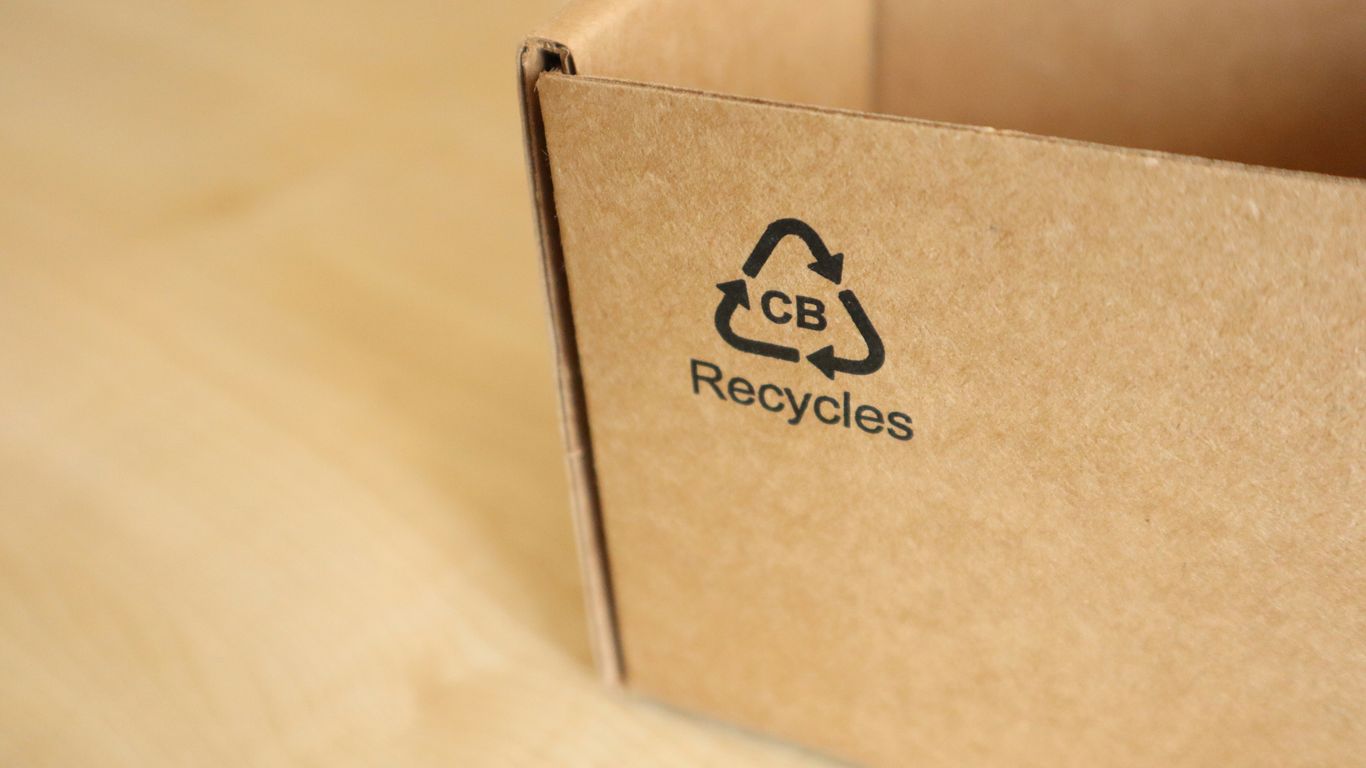
The subscription box market is still growing, and people are looking for boxes that do good for the planet. Think about curating items that are eco-friendly, ethically sourced, or help people reduce waste. This could be anything from zero-waste personal care items to plant-based snacks or cleaning supplies that don’t use harsh chemicals. The key is transparency and a genuine commitment to sustainability.
Why is this a good idea for 2026? Well, consumers, especially younger ones, are really paying attention to where their products come from and how they’re made. They want to support businesses that align with their values. A subscription box focused on sustainability taps right into that.
Here are a few angles to consider:
- Zero-Waste Lifestyle Boxes: Curate reusable items, package-free toiletries, and natural cleaning products.
- Ethical Fashion Accessories: Offer small, sustainably made accessories like socks, scarves, or jewelry.
- Plant-Based Snack Boxes: Focus on healthy, vegan, or gluten-free snacks with minimal packaging.
- DIY Eco-Craft Kits: Provide materials and instructions for making sustainable crafts at home.
Building trust is super important here. Share the stories behind the brands you feature, explain why you chose certain products, and be upfront about your packaging and shipping practices. If you can show that your business is making a positive impact, customers will stick around.
3. Digital Product Marketplace for Micro-Niches
Think about all the digital stuff people create these days – like those handy Notion templates, cool Figma design kits, useful spreadsheets, or even online courses. Right now, creators often end up paying big chunks of their earnings, like 30-50%, to big platforms. Some general sites take around 10% plus fees, and others are just too crowded. But what if you could build a place specifically for a smaller, focused group of creators and buyers?
This is where a digital product marketplace for micro-niches really shines. Instead of trying to be everything to everyone, you focus on a specific area, like templates for a particular software, or digital art assets for a certain game. This makes it way easier for buyers to find exactly what they need, and you can charge a more reasonable commission, maybe around 15%, because you’re offering something specialized.
Here’s how you might set one up:
- Identify a Micro-Niche: Look for areas where creators are selling but there isn’t a dedicated, high-quality marketplace yet. Think about business templates, specific coding tools, or educational materials for a unique subject.
- Build Smart Discovery Tools: Use algorithms to help buyers find products. Imagine if the site could suggest templates based on what a user has bought or looked at before. That’s way better than just endless scrolling.
- Provide Creator Support: Offer tools for creators to manage their files, handle customers, set up affiliate programs, and see their sales data.
- Focus on Trust and Quality: Vetting creators and products can make a big difference, especially in areas like accounting or legal templates where accuracy is key.
These digital products have almost no cost to make once they’re created, and the market for them is huge. By focusing on a specific group, you can create a go-to spot for buyers and a better platform for creators. It’s a smart way to tap into the growing digital economy, much like exploring other online business ideas like creating online courses. The goal is to make finding and selling specialized digital goods simpler and more effective for everyone involved.
4. Remote Team Experience & Retreat Planning Agency
Remote work isn’t going anywhere, and companies are really feeling the strain of keeping their teams connected and happy when everyone’s scattered. It feels like a constant battle to build that company culture and keep good people from looking elsewhere. That’s where a specialized agency for remote team experiences and retreats comes in. Think of it as a one-stop shop for making distributed teams feel like a real, cohesive unit.
What does this actually look like? It’s more than just another Zoom call. We’re talking about planning actual, engaging events. This could be anything from a virtual escape room challenge that gets everyone thinking together, to organizing a full-blown in-person retreat in a cool location for a hybrid team. The goal is to create memorable moments that actually build relationships and boost morale. Companies, especially tech startups and agencies that are remote-first, are actively looking for ways to combat that feeling of isolation and keep their teams motivated.
Here’s a breakdown of what you could offer:
- Virtual Team Building Activities: Interactive games, online trivia, virtual cooking classes, or even collaborative problem-solving sessions designed for remote participants.
- Hybrid Event Planning: Coordinating events that include both in-office and remote employees, ensuring everyone feels included and has a similar experience.
- Corporate Retreats: Handling all the logistics for offsite gatherings, from venue selection and accommodation to activity planning and team-building exercises.
- Wellness Workshops: Organizing sessions focused on mental health, stress management, or physical well-being tailored for remote workers.
The real value is in taking the headache out of planning for these companies. You’d handle everything – the ideas, the booking, the coordination, and even the on-site or virtual facilitation. It’s a service-based model, which means high potential for repeat business, especially as more companies embrace flexible work arrangements. It’s a pretty adaptable business idea for the current work landscape.
5. Health & Wellness Micro-Coaching Platforms
People are really starting to care more about their health these days, and not just the big stuff like diet and exercise. We’re talking about the smaller, more specific things that make a big difference in daily life. Think about it: getting better sleep, managing stress when work piles up, or even just figuring out how to eat a bit healthier without a total overhaul. That’s where micro-coaching platforms come in. These are businesses that connect people with coaches who focus on these very specific areas. It’s about providing targeted support for everyday wellness challenges.
These platforms are great because they’re not asking you to commit to a year-long program. Often, you can find short, focused sessions or challenges, like a 30-day plan to improve your sleep habits. This makes it easier for busy people to get the help they need without feeling overwhelmed. The online coaching market is growing, and this trend towards specialized, accessible help is a big reason why. It’s a smart move for entrepreneurs because the demand for personalized wellness advice is only going up. If you’re looking to get into this space, figuring out your niche is key. You can find 100 high-ticket coaching niches to explore, which can help you narrow down your focus perfect niche for your coaching business.
Here’s a look at what makes these platforms work:
- Specialized Focus: Coaches concentrate on one or two areas, like stress reduction techniques or mindful eating practices.
- Accessibility: Sessions are often shorter and can be done remotely, fitting into busy schedules.
- Affordability: Compared to traditional, broad coaching packages, micro-coaching can be more budget-friendly.
- Community Building: Platforms can foster communities where users share progress and support each other.
This approach taps into a growing need for practical, manageable wellness solutions. It’s less about a complete life transformation and more about making small, consistent improvements that add up over time.
6. Creator Economy Management Agency
The internet is full of people making cool stuff – art, music, videos, podcasts, you name it. And a lot of them are actually making a living doing it. This whole thing is called the creator economy, and it’s gotten pretty big. By 2026, people expect influencer marketing alone to be worth around $24 billion. That’s a lot of money, and where there’s money, there are opportunities.
Lots of these creators, especially the smaller ones, are amazing at what they do but kind of lost when it comes to the business side. They’re busy making content, not figuring out brand deals, managing merchandise, or getting their work out there on different platforms. That’s where you come in. A creator economy management agency can step in and handle all that backend stuff.
Think about it: you could help YouTubers find sponsors, manage merch drops for artists, or get podcasters booked for interviews. Your agency would be the support system that lets creators focus on creating.
Here’s what a typical agency might do:
- Brand Deal Negotiation: Finding companies that want to work with your creators and making sure they get paid fairly.
- Merchandise Management: Helping creators design, produce, and sell their own branded products.
- Content Strategy & Distribution: Advising on what kind of content to make and how to get it in front of more people.
- Monetization Planning: Figuring out the best ways for creators to earn money, whether through ads, subscriptions, or selling digital products.
This kind of business can be really rewarding. You’re helping talented people grow their careers. Plus, since many creators need ongoing support, you can set up retainer fees, which means you get a steady income. It’s a high-margin business, and as the creator world keeps changing and growing, there’s plenty of room to expand what you offer.
7. Hyperlocal eCommerce for Underserved Communities
You know, a lot of the big online stores focus on the same places, right? They hit the major cities and suburbs pretty hard. But what about everyone else? There are tons of people living in rural areas or in specific neighborhoods, maybe ethnic enclaves, who don’t get the same kind of online shopping options. That’s where this idea comes in.
Think about building an online shop or even a delivery service that’s really focused on one local area. It could be for specialty groceries that are hard to find elsewhere, or maybe it’s a place for local artists and craftspeople to sell their stuff. The key is to serve a community that the big players kind of ignore. This is about being the go-to online spot for people who feel left out of the mainstream eCommerce world.
Why would this work? Well, people like supporting local businesses, and if you make it super convenient for them, they’ll stick around. Plus, you get to build real connections with your customers and the community. It’s not just about selling things; it’s about filling a need.
Here’s a quick look at what makes this a solid idea:
- Targeted Inventory: Stocking items that are specifically wanted by that local community, whether it’s imported foods or handmade goods.
- Community Focus: Building relationships and trust, maybe even sponsoring local events or partnering with local groups.
- Convenience Factor: Offering easy online ordering and reliable, perhaps even same-day, delivery options that work for the local lifestyle.
- First-Mover Advantage: Getting in early in an area that doesn’t have many options means you can become the dominant player before anyone else notices.
8. EdTech for Future Skills
The way we learn is changing, and fast. Think about it: jobs that didn’t exist a few years ago are now in high demand, and others are fading away. This is where EdTech, or education technology, comes in, especially for skills that are going to matter in the coming years. We’re talking about things like understanding AI, knowing how to work sustainably, and being good at remote collaboration.
The market for online learning is huge and keeps growing, projected to hit $375 billion by 2026. People and companies are looking for practical skills that lead directly to jobs. So, creating an online platform that offers courses, intensive bootcamps, or even just certificates for these future-focused skills is a smart move. You can target both individuals looking to upskill and businesses needing to train their employees. It’s a business model that can scale well, maybe with subscriptions or by charging for specific training groups.
Here are some areas within EdTech for future skills that are really taking off:
- AI and Machine Learning Literacy: Teaching people how to use AI tools, understand AI concepts, and even develop AI applications. This isn’t just for tech wizards; many jobs will require some level of AI understanding.
- Sustainability Practices: With the world focusing more on environmental issues, skills related to green technology, circular economy principles, and sustainable business operations are becoming very important.
- Remote Work Proficiency: This includes not just using collaboration tools but also developing soft skills like effective online communication, time management in a distributed team, and building virtual team cohesion.
- Data Analysis and Interpretation: The ability to make sense of data is valuable across almost every industry. Training in data visualization, statistical analysis, and drawing actionable insights from datasets is key.
Think about platforms that use AI to personalize learning paths. Imagine an AI tutor that can watch a student practice a skill, like welding or coding, and give instant feedback using computer vision, or VR simulations for dangerous tasks. This kind of tech can speed up training dramatically, cutting down the time and cost compared to traditional schooling. For example, training electricians used to take years and cost a lot; now, AI-powered programs could get someone job-ready in months. You could even offer job placement guarantees to make your program irresistible to career changers.
9. Digital Therapeutics & Mental Health Platforms
The need for accessible mental health support is huge, and digital platforms are stepping up. Think apps and online services that offer real help, not just generic advice. We’re talking about tools that use proven methods, like cognitive behavioral therapy (CBT) or dialectical behavior therapy (DBT), to help people manage stress, anxiety, depression, and more. These aren’t just mood trackers; they’re becoming serious tools for well-being.
Why is this a big deal for entrepreneurs in 2026? Well, traditional therapy can be pricey and hard to get into, with long waitlists. Many people just can’t afford $150-$300 per session, and insurance coverage is often a headache. Digital therapeutics can offer a much more affordable option, sometimes as low as $50 a month, and they’re available 24/7. This opens the door for millions who currently get no help at all.
What can you actually build here?
- AI-Powered Chatbots: Imagine a chatbot trained on therapeutic techniques, overseen by actual therapists. Users could text it daily, get coping strategies, track their moods, and even get help escalating to a human if things get serious. Building this with HIPAA compliance in mind is key.
- Specialized Treatment Apps: Focus on specific issues like addiction recovery or managing chronic pain alongside mental health challenges. These niche areas have a high need and can show clear results.
- Employer Wellness Programs: Companies are increasingly looking for ways to support their employees’ mental health. Creating a platform that businesses can offer as a benefit is a smart move. It’s a B2B approach that can be very sustainable.
Investor interest is definitely picking up, but they’re looking for proof that these platforms actually work. Demonstrating measurable outcomes, like reduced symptoms in users, is super important. Getting insurance to cover these digital tools would be a massive win, making them even more accessible. The market is growing fast, and there’s still plenty of room to make a real difference while building a successful business.
10. Smart Home & IoT Integration Services
You know, setting up all those smart gadgets can be a real headache. Lights that talk to thermostats, security cameras that ping your phone, speakers that play music everywhere – it’s a lot. By 2026, it’s expected that most homes will have some kind of connected device, which is pretty wild when you think about it. But not everyone wants to spend hours figuring out apps and Wi-Fi passwords.
This is where you come in. Think about offering services to help people get their smart homes set up and running smoothly. It’s not just about installing a smart speaker; it’s about making everything work together. People are looking for help with security systems, making their homes more energy-efficient, or even just making things easier for older folks or those with disabilities.
Here’s a breakdown of what you could do:
- Consultation and Planning: Talk to clients about what they want their home to do. Do they want better security? Lower energy bills? Easier control of their environment? Help them pick the right devices.
- Installation and Setup: Actually install and configure all the devices – smart locks, thermostats, lighting, cameras, voice assistants, and more. Make sure they connect to the network and work as intended.
- Integration and Automation: This is the key part. Get different devices talking to each other. For example, have the lights turn on when the security system is disarmed, or the thermostat adjust when you leave the house.
- Ongoing Support and Maintenance: Offer a service plan for when things go wrong or when clients want to add new gadgets. This can be a steady income stream.
The real money is in making complex systems simple for people who just want their home to work. You could focus on specific groups, like busy families who want convenience or seniors who need help with accessibility. Property managers also need this kind of service for their rental units. It’s a growing field, and people are willing to pay for peace of mind and convenience.
Ready to Build Your Future?
So, we’ve looked at some pretty interesting business ideas for 2026. It’s clear that things are changing fast, especially with new tech like AI and people wanting more sustainable options. The main thing is to find a real problem people have and figure out how to solve it in a new way. Don’t be afraid to start small, test your ideas, and listen to what customers are saying. The businesses that will do well are the ones that are smart about how they grow and can adapt when things change. It’s a good time to get started if you’ve got a solid plan and are ready to put in the work.