
Thinking about starting your own thing from home in 2026? It’s a great time to do it. Lots of people are looking for ways to work for themselves, and the internet makes it easier than ever. You don’t need a big office or a huge team to get going. We’ve put together some business ideas for home based entrepreneurs that could really take off. Whether you’re into tech, making things, or helping others, there’s probably something here that fits what you’re looking for.
Key Takeaways
- Starting a business from home in 2026 is more accessible due to technology and changing work habits.
- Focusing on a specific niche, like in e-commerce or subscription boxes, can help you stand out.
- Digital services, such as marketing or AI consulting, are in high demand and can be run remotely.
- Businesses that align with sustainability or emerging tech like VR and drones offer unique opportunities.
- Success often comes from solving a clear problem, saving people time or money, and serving a specific group well.
1. Niche Product E-Commerce Store
Setting up an online store to sell specific products is a solid idea for home-based entrepreneurs in 2026. Instead of trying to sell everything to everyone, you focus on a particular group of people or a specific type of product. Think about things like handmade pet accessories, specialized baking tools, or even custom-designed phone cases for a particular hobby. The key is to find a gap in the market where you can offer something unique.
Why does this work so well? Well, people who are really into something specific are often looking for items they can’t find just anywhere. They tend to be more loyal customers and are willing to pay a bit more for something that perfectly fits their needs or interests. Plus, with fewer competitors in a small niche, it’s easier to get noticed.
Here’s a quick look at how you might get started:
- Identify Your Niche: What are you passionate about? What problems can you solve with a product? Research what’s already out there and see if you can do it better or differently.
- Source Your Products: You could make them yourself, work with a manufacturer, or even use a dropshipping model where you don’t hold any inventory yourself. This means you can start a online store without a huge upfront investment.
- Build Your Online Store: Platforms like Shopify or WooCommerce make it pretty straightforward to set up a professional-looking website.
- Market Your Store: Use social media, content marketing, or targeted ads to reach your ideal customers.
Average stores can bring in anywhere from $30,000 to $200,000 annually, depending on the niche and how well you market it. It takes work, sure, but focusing on a specific area makes it much more manageable from your home office.
2. Subscription Box Service
Subscription boxes are still a really popular way to get products delivered right to your door. People seem to love the surprise and the convenience of getting curated items on a regular basis. Think about things like gourmet snacks, beauty products, or even supplies for a specific hobby. The key here is to pick a theme that’s trending or fills a specific need.
Some ideas for themes that are doing well include:
- Sustainable living products
- Wellness and self-care items
- Pet supplies for pampered pets
- Accessories for remote workers
- Craft kits for DIY enthusiasts
The real magic happens when you focus on a niche audience and deliver consistent quality and discovery. It’s not just about sending stuff; it’s about creating an experience. You want your customers to look forward to that box arriving each month. Building a community around your box can also be a big plus, making people feel more connected to your brand. It’s a business model that can bring in steady income if you get the curation and customer service right.
3. Digital Marketing Agency
So, you’re thinking about starting a digital marketing agency from home? It’s a pretty smart move, honestly. Businesses, big and small, are always trying to get noticed online, and that’s where you come in. You don’t need a fancy office building to help them with their online presence.
What exactly does a digital marketing agency do? Well, it’s a broad field, but generally, you’re helping clients get more customers through online channels. This could mean a bunch of different things:
- Search Engine Optimization (SEO): Helping websites rank higher in Google searches so more people find them. This is huge for businesses that rely on organic traffic.
- Content Marketing: Creating blog posts, articles, videos, or infographics that attract and engage a target audience. Good content keeps people coming back.
- Social Media Management: Handling a company’s social media accounts, posting updates, running ads, and interacting with followers. It’s about building a community.
- Paid Advertising (PPC): Setting up and managing ads on platforms like Google Ads or social media to drive immediate traffic and leads.
- Email Marketing: Crafting and sending out email campaigns to nurture leads and keep existing customers informed and engaged.
The key is to find a niche or a specific service you’re really good at. Maybe you’re amazing at SEO for local businesses, or perhaps you have a knack for creating viral social media content for e-commerce brands. Focusing your efforts can make you stand out.
Think about the results you can show. Businesses want to see growth, so being able to track and report on things like website traffic, lead generation, or sales conversions is super important. You’ll want to get comfortable with analytics tools to prove your worth. It’s a field that’s always changing, so staying updated on the latest trends is a must, but the demand for skilled digital marketers isn’t going anywhere.
4. Sustainable Product Business
People are really starting to care about the planet, and that’s good news for anyone thinking about starting a business. Selling products that are better for the environment isn’t just a trend anymore; it’s becoming a standard expectation for consumers. Businesses that show they’re serious about being green, ethical, and open about their practices are the ones attracting customers and employees who feel the same way.
Think about what people use every day. There’s a big market for eco-friendly alternatives to common items. You could focus on things like reusable household goods, natural cleaning supplies, or even biodegradable packaging solutions. The key is to find a specific area where you can offer something genuinely better for the environment and clearly communicate that benefit to your customers. It’s about more than just selling a product; it’s about selling a better way of doing things.
Here are a few ideas to get you started:
- Eco-friendly cleaning supplies: Offer concentrated formulas, refillable containers, and plant-based ingredients. People are tired of harsh chemicals.
- Sustainable fashion accessories: Think recycled materials, upcycled fabrics, or ethically sourced components for bags, jewelry, or hats.
- Zero-waste personal care items: Products like solid shampoo bars, bamboo toothbrushes, or reusable makeup remover pads are gaining popularity.
Starting a business like this means you’re not just making money; you’re also contributing to a healthier planet. It’s a win-win. You can find more inspiration for these kinds of ventures by exploring profitable sustainability business ideas for the coming years.
5. Mobile App Development
Think about how often you use apps on your phone. Pretty much all the time, right? That’s why building custom mobile apps for businesses is a really solid idea for 2026. Companies, big and small, need apps for all sorts of things – think booking appointments, managing inventory, or even just providing a better way for customers to interact with their brand. It’s not just about making something look pretty; it’s about creating tools that solve problems and make life easier for users and business owners alike.
The demand for tailored mobile solutions continues to grow as businesses aim to connect with their customers more directly and efficiently. Many companies don’t have the in-house tech talent to build these apps themselves, which is where you come in. You can focus on specific industries or types of apps, like creating a simple ordering system for a local restaurant or a more complex service management tool for a contractor. The key is to identify a need and build an app that fills it well.
Here’s a quick look at what goes into it:
- Discovery and Planning: This is where you really dig into what the client needs. What problem is the app supposed to solve? Who is it for? What features are absolutely necessary?
- Design (UI/UX): Making the app look good and, more importantly, easy to use. People get frustrated quickly if an app is confusing.
- Development: This is the actual coding part. Building the app for iOS, Android, or both.
- Testing: Finding and fixing bugs before the app goes live. Nobody wants a buggy app.
- Launch and Maintenance: Getting the app into the app stores and then providing updates and support.
It might sound like a lot, but if you have a knack for problem-solving and a bit of technical skill, this is a field with a lot of potential. You could even start by offering services to help businesses improve their existing apps or add new features. Check out some lucrative mobile app business ideas for inspiration on what’s trending.
6. AI Consulting

Artificial intelligence is no longer just a buzzword; it’s a practical tool businesses are eager to use. If you have a knack for understanding how AI can solve real-world problems, then AI consulting could be your next venture. Many companies, especially smaller ones, know they need to adopt AI but have no idea where to start. They’re sitting on tons of data but can’t figure out how to make it work for them. That’s where you come in.
Your job would be to help these businesses figure out which AI tools make sense for their operations. This could mean anything from setting up customer service chatbots to implementing AI for better data analysis or even automating repetitive tasks. It’s about translating complex AI concepts into actionable steps that boost efficiency and profitability.
Here’s a look at what you might do:
- Assess a client’s current systems and identify areas where AI can make a difference. This involves a lot of talking and listening to understand their pain points.
- Recommend specific AI tools or custom solutions. You’ll need to stay updated on the latest AI tech to suggest the best fit.
- Help with the implementation process. This might involve training staff or overseeing the integration of new software.
- Provide ongoing support and optimization. AI systems need tweaking to keep performing well.
The demand for AI expertise is growing fast, making this a prime opportunity for home-based entrepreneurs. You don’t necessarily need a fancy office; your laptop and a good internet connection are your main tools. Plus, the potential for repeat business is high as clients see the benefits and look for ways to expand their AI use.
7. Electric Car Charging Stations
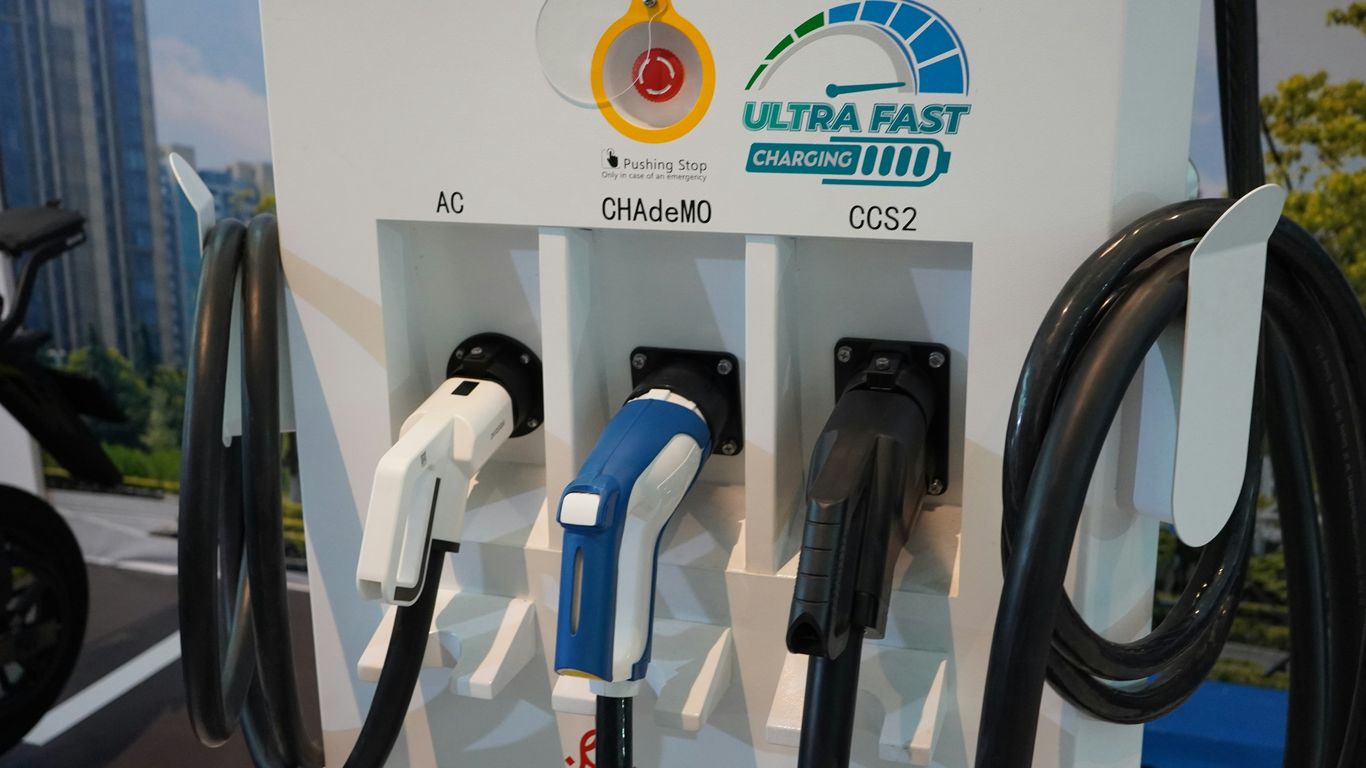
Electric cars are pretty much everywhere you look now. It used to be rare to spot one in the neighborhood, but these days, they’re parked on just about every block. And you know what? With all those electric vehicles (EVs) out there, people really need somewhere convenient to charge them.
Setting up electric car charging stations as a home-based business in 2026 isn’t just smart—it’s timely. More folks are picking EVs over gas-powered cars, which means the demand for charging spots will keep going up.
If you’re thinking about getting into this business, here are some real-world steps you might take:
- Research your local area to see where new chargers are most wanted—apartment complexes, small businesses, and even private homes might need them.
- Learn about different charging station types (Level 1, 2, and fast chargers) so you can offer people the right fit.
- Connect with manufacturers or suppliers to get quality equipment at a good price.
- Figure out installation and maintenance needs—some stations are easier to manage than others.
- Offer monthly or pay-per-charge rates, which can bring in steady income year-round.
Here’s a quick look at the different types of EV chargers you could install:
| Charger Type | Charging Speed | Best For |
|---|---|---|
| Level 1 | 2-5 miles/hour | Home overnight |
| Level 2 | 10-30 miles/hour | Shops, apartments |
| Fast Charger | 60-120 miles in 20 min | High-traffic areas |
One thing I learned talking to a friend who set up a station in her driveway—it’s not just about plugging in cars. There’s paperwork, maybe some permits, and a bit of tech learning, too. But once you’re rolling, people are happy to pay for the convenience, and it feels like you’re actually helping your town keep up with the times.
8. Virtual Reality Experiences
Virtual reality (VR) is no longer just for hardcore gamers. Think about it: people are looking for new ways to connect and experience things, especially since we’ve all gotten used to doing more online. You could start a business that creates custom VR experiences for different groups.
Imagine developing virtual tours for real estate agents so potential buyers can ‘walk through’ a house from anywhere. Or maybe you create immersive training modules for companies – like teaching complex machinery operation without anyone needing to be in a dangerous physical space. Even entertainment is a big area; think about virtual escape rooms or interactive storytelling.
Here are a few ideas to get you thinking:
- Virtual Event Spaces: Design and host conferences, trade shows, or even parties in a virtual environment where attendees can interact.
- Therapeutic VR: Develop calming or therapeutic environments for mental wellness, helping people with anxiety or stress.
- Educational Simulations: Create realistic simulations for schools or universities, like virtual dissections in biology or historical reenactments.
The key is to focus on a specific need or audience. Instead of trying to do everything, pick a niche. Maybe you focus on VR for corporate training, or perhaps you specialize in creating virtual tourism packages. The technology is getting more accessible, and people are ready to explore what it can do beyond just gaming. It’s a growing field with a lot of room for creative entrepreneurs.
9. Drone Services
Drones aren’t just for hobbyists anymore; they’ve become serious tools for businesses. If you’re looking for a venture that’s got a bit of a tech edge and can serve a wide range of clients, getting into drone services might be your ticket. Think about it: companies need eyes in the sky for all sorts of reasons, and you can be the one to provide that perspective.
What kind of work are we talking about? Well, it’s pretty varied. You could be doing aerial photography for real estate agents trying to sell properties, or maybe creating slick video footage for construction companies to monitor their sites. Some businesses need detailed land surveys, and drones can do that way faster than old-school methods. Even agriculture is using drones for crop monitoring. The key is finding a niche where drone technology offers a clear advantage over traditional methods.
Here are a few areas where drone services are really taking off:
- Real Estate Marketing: High-quality aerial shots and videos make listings pop.
- Construction Site Monitoring: Track progress, inspect structures, and ensure safety from above.
- Agriculture: Assess crop health, map fields, and optimize resource use.
- Inspection Services: Check bridges, power lines, or wind turbines without putting people in risky spots.
- Event Coverage: Capture unique perspectives for weddings, festivals, or corporate events.
Getting started involves more than just buying a drone, though. You’ll need to understand the regulations – there are rules about where and how you can fly. Plus, learning to fly safely and get the best shots or data takes practice. You’ll also want to think about insurance, as accidents can happen. But with the right training and equipment, you can build a solid business helping others see the world from a new angle.
10. 3D Printing Services
You know, 3D printing isn’t just for hobbyists anymore. It’s really changing how things get made, from quick prototypes to actual products people can buy. If you’ve got a 3D printer, or are thinking about getting one, this could be a solid business idea for 2026.
Basically, you can offer services to businesses or individuals who need custom parts, models, or even small-batch production runs. Think about architects needing models of buildings, engineers testing designs, or even artists creating unique sculptures. The demand for custom, on-demand manufacturing is growing fast.
Here’s a quick look at what you might need and what you can do:
- Equipment: A reliable 3D printer is your main tool. Depending on what you want to print, you might need different types of printers (like FDM, SLA, or SLS) and various materials (plastics, resins, metals).
- Software: You’ll need design software (CAD) to create or modify models, and slicing software to prepare them for printing.
- Services: You could offer design services, printing services, or both. Post-processing, like sanding or painting, can also be an add-on.
It’s not just about printing, though. It’s about solving problems for people who need something specific made. You could even specialize in a certain area, like printing replacement parts for old machinery or creating custom medical devices. The possibilities are pretty wide open.
Ready to Start Your Home Business?
So, we’ve gone over a bunch of ideas for starting your own thing from home in 2026. It’s pretty clear there are tons of ways to make a living these days without needing a fancy office or a huge team. Whether you’re into tech, making things, or helping people out, there’s probably a good fit for you. The main thing is to pick something you’re actually interested in and that solves a real problem for people. Don’t be afraid to start small and learn as you go. The world is changing fast, and now is a great time to jump in and build something for yourself.