Thinking about bringing the Internet of Things, or IoT, into your business? It’s more than just a tech trend; it’s a real way to make things run smoother and maybe even discover new ways to do business. We’re going to look at how these iot enterprise solutions are changing things, what makes them work, and what you can expect. It’s not just about saving a few bucks, though that’s nice. It’s about making your company smarter and ready for whatever comes next. Let’s break down what you need to know.
Key Takeaways
- The market for iot enterprise solutions is growing fast, with big numbers expected in the coming years as more companies see the value.
- Making iot enterprise solutions work means having the right parts: smart devices, places to store and sort data, and ways for devices to talk to each other and the main system.
- Using iot enterprise solutions can really help your business. Think better customer service, employees getting more done, and cutting down on wasted time and money.
- IoT opens doors for new ideas and better ways of doing things, especially when you combine it with smart tech like AI. It’s a tool for real business change.
- Getting iot enterprise solutions set up isn’t always easy. You’ll run into security worries, figuring out all the data, and making sure it plays nice with your old systems. Planning is key.
Understanding the Enterprise IoT Landscape
So, let’s talk about this whole Enterprise IoT thing. It’s not just a buzzword anymore; it’s a massive, growing market that businesses are really starting to pay attention to. Think about it – more and more companies are connecting their devices, collecting data, and using it to make smarter decisions. It’s changing how businesses operate, plain and simple.
The Growing Market of Enterprise IoT
The market for connecting businesses with the Internet of Things is booming. We’re seeing numbers that are pretty impressive. Back in 2023, the enterprise IoT market was already worth about $269 billion, and it’s been growing at a solid 15% each year. Projections show this trend continuing, with estimates suggesting the market could hit a staggering $1,819.2 billion by 2032. This isn’t just for the big players either; small and medium-sized businesses are jumping in too, realizing the advantages. It’s becoming a standard way to get ahead.
Economic Value and Growth Projections
The financial impact of IoT in the business world is huge. We’re looking at a market that could reach $1.42 trillion by 2030. This value comes from making operations smoother and more productive. IoT solutions are helping businesses rethink how they do things, sometimes even creating entirely new ways to make money and driving significant economic growth. It’s a big deal for the economy overall, and it’s still expanding rapidly. The digital transformation market, which IoT is a big part of, is expected to grow from $911.2 billion in 2024 to $3,289.4 billion by 2030, with a compound annual growth rate of 23.9%. This growth is fueled by new technologies and the need for better efficiency [b186].
Increasing Adoption Rates Across Industries
It’s not just one or two industries getting on board; IoT adoption is spreading everywhere. From manufacturing floors to healthcare facilities, companies are finding ways to use connected devices. This widespread acceptance is happening because businesses can see the real benefits, like better efficiency and a stronger competitive edge. As more companies integrate IoT, the overall adoption rate keeps climbing, pushing the market forward. The Internet of Things (IoT) offers businesses significant advantages, including improved operational efficiency and better resource management [abf4].
Key Components of Robust IoT Enterprise Solutions

So, you’re thinking about bringing the Internet of Things into your business? That’s a big step, and it’s smart to know what actually makes up these systems. It’s not just about plugging in a bunch of gadgets. You need a solid foundation, and that means understanding the main parts.
Essential IoT Devices and Sensors
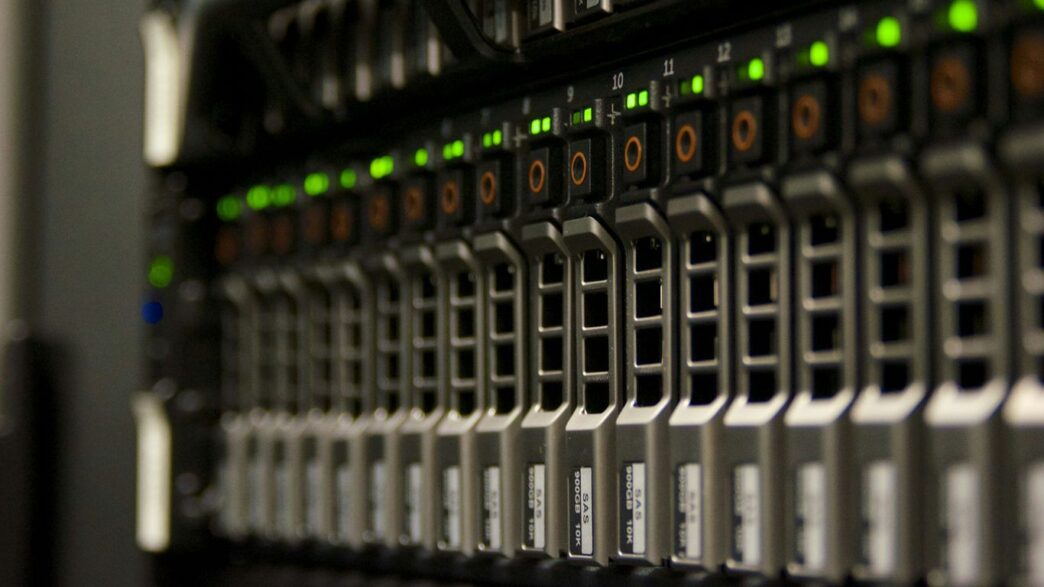
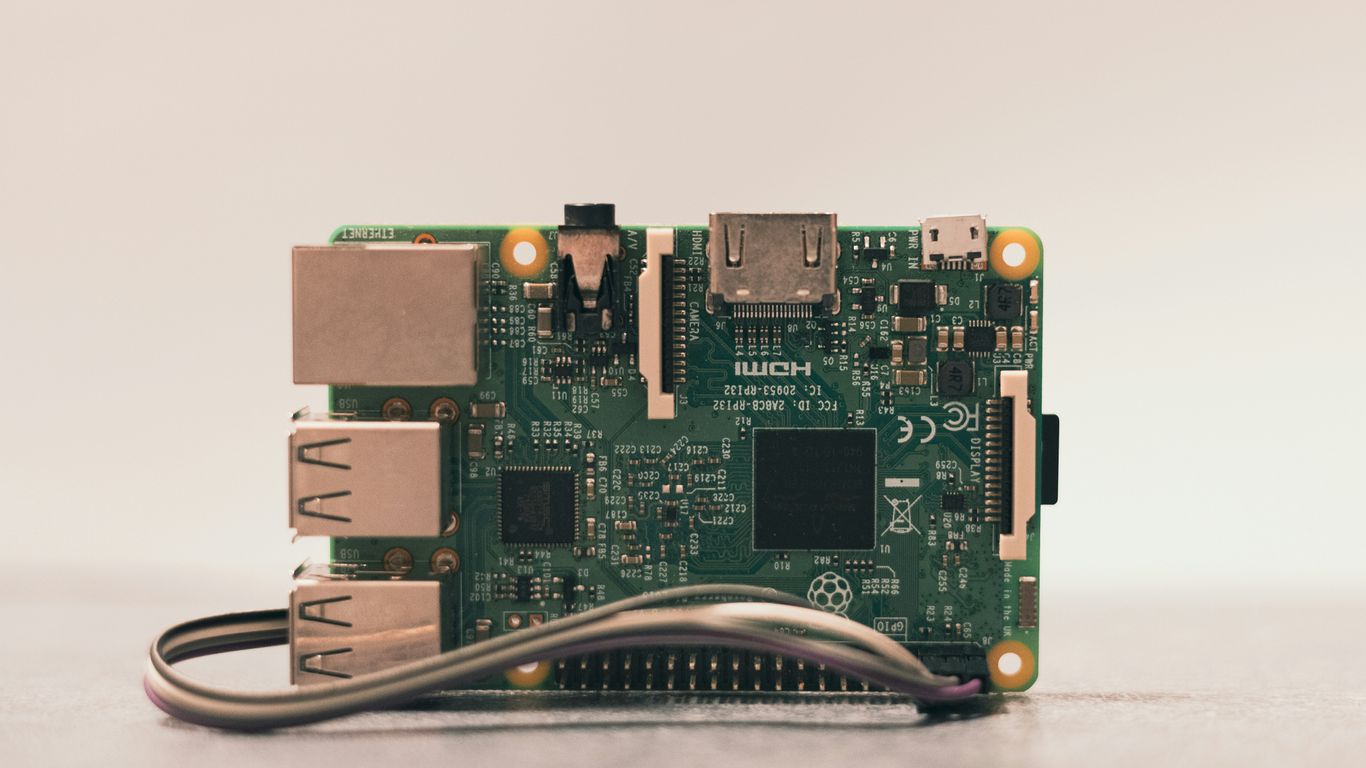
These are the actual things out in the field, collecting information. Think of them as the eyes and ears of your operation. They can be anything from simple temperature sensors in a warehouse to complex cameras monitoring a production line. The right sensors, placed correctly, give you the raw data you need to make better decisions. Choosing the right hardware is pretty important here; you want devices that are reliable and suited for the job. For example, a sensor in a harsh industrial environment needs to be built tough, unlike one just measuring office temperature.
Data Storage and Processing Capabilities
All those sensors are spitting out data, and a lot of it. You can’t just let it float around. You need a place to put it and a way to make sense of it. This usually involves a mix of cloud storage and some processing power, maybe even on-site. It’s a bit like managing a huge library – you need shelves (storage) and librarians (processing) to find what you need. Handling all this information efficiently is key to getting actual insights, not just a pile of numbers. You can explore the layers of IoT architecture to get a better grasp of how these pieces fit together.
IoT Gateways and Edge Computing
Sometimes, sending every single piece of data straight to the cloud isn’t practical. That’s where gateways and edge computing come in. Gateways act like translators, making sure different devices can talk to each other and to the main system. Edge computing means doing some of the data processing right there, close to where the data is being collected. This cuts down on delays and saves bandwidth, which is super helpful if you’ve got a lot of devices or are in a location with spotty internet. It’s all part of building an effective IoT architecture.
Transformative Business Benefits of IoT Implementation
So, you’ve got your sensors hooked up and your data flowing. What’s next? Well, the real magic of the Internet of Things (IoT) happens when it starts changing how your business actually works, and not just in small ways. It’s about making things better for your customers, your employees, and your bottom line. IoT isn’t just about connecting devices; it’s about connecting opportunities.
Elevated Customer Experience and Personalization
Think about it: customers today expect more. They want things tailored to them, and they want it now. IoT gives you the tools to actually do that. By collecting real-time information on how people use your products or interact with your services, you can start to get a feel for what they really want. This isn’t just guessing anymore; it’s data-driven insight. For example, a retail store could use sensors to see which displays people stop at the most. That information can then be used to send a personalized discount to their phone for that exact item, or maybe adjust the store layout to make popular items easier to find. It makes customers feel seen and understood, which is a big deal for keeping them coming back. It’s about making every interaction count.
Boosted Employee Productivity and Collaboration
Your team is the engine of your business, right? IoT can help them run smoother and faster. Connected devices, like smart tools or even wearable tech for field workers, mean information can be shared instantly. No more waiting for someone to get back to the office to report something. A technician out in the field can get real-time updates on equipment status or access repair manuals right on their tablet. This cuts down on delays and mistakes. It also means employees can make decisions faster because they have the information they need, when they need it. This kind of instant access and communication really helps people work together better, no matter where they are. It’s about giving your staff the best tools to do their jobs effectively.
Reduced Operational Costs and Enhanced Efficiency
Let’s talk about saving money. This is often one of the first things businesses look at with new tech, and IoT really shines here. You can use sensors to keep a close eye on things like energy usage. Imagine lights and heating automatically adjusting based on whether a room is occupied. That’s real savings on utility bills. Then there’s predictive maintenance. Instead of waiting for a machine to break down (which is always at the worst possible time), IoT sensors can detect early signs of trouble. Fixing a small issue before it becomes a big one saves a ton on repair costs and, more importantly, avoids costly downtime. This smarter use of resources and proactive problem-solving directly impacts your company’s profitability. It’s about working smarter, not just harder. For more on how IoT can improve workplace efficiency, check out this guide.
| Area of Improvement | Potential Savings/Benefit |
|---|---|
| Energy Consumption | Up to 30% reduction |
| Equipment Downtime | Up to 20% reduction |
| Maintenance Costs | Up to 10% reduction |
Driving Innovation with IoT Enterprise Solutions
It’s not just about making things run smoother or cheaper, though IoT is great for that. The real excitement comes from how it lets businesses dream up entirely new ways of doing things. Think about it: all that data flowing in from connected devices isn’t just for monitoring; it’s a goldmine for figuring out what’s next.
Greater Opportunities for Breakthrough Innovation
IoT acts like a supercharger for new ideas. By connecting different parts of your business and gathering real-time information, you can spot chances for innovation that were hidden before. This isn’t just about tweaking existing products; it’s about creating completely new services or even business models. The digital transformation market is growing fast, expected to hit over $3 trillion by 2030, and IoT is a big part of that shift. Companies are looking for ways to stand out, and IoT provides the tools to do just that. It helps businesses move beyond just cutting costs and start thinking about how to really change the game.
Leveraging AI and Machine Learning with IoT
When you combine the data from IoT devices with artificial intelligence (AI) and machine learning (ML), things get really interesting. AI and ML can sift through massive amounts of IoT data way faster than any human could, finding patterns and insights that lead to smarter decisions. This means you can predict problems before they happen, personalize customer offers on the fly, or even automate complex processes. For example, the market for IoT microcontrollers, which are key to processing data at the edge, is set to reach $7 billion by 2030, partly because of AI integration. It’s like giving your business a brain that learns and adapts constantly.
The Role of Digital Twins in Business Transformation
Digital twins are another game-changer. Imagine having a perfect virtual copy of a physical asset, like a machine on a factory floor or even an entire building. You can then use this digital replica to test out changes, simulate different scenarios, or monitor performance without affecting the real thing. This is huge for figuring out the best way to operate, predicting when maintenance will be needed, and improving how everything works. It’s a powerful way to experiment and optimize, leading to better outcomes and more efficient operations. Companies are increasingly using these virtual models to get a clearer picture and make better choices about their physical assets.
Navigating Challenges in IoT Enterprise Adoption
So, you’re thinking about bringing IoT into your business? That’s great! But before you jump in headfirst, it’s good to know there are a few bumps in the road. It’s not always as simple as plugging things in and watching the magic happen.
Addressing Security Risks and Vulnerabilities
This is a big one. With so many devices connected, each one is like a little door that someone could try to sneak through. We’re talking about everything from your smart thermostats to complex industrial sensors. If these aren’t protected properly, sensitive company data or even customer information could be at risk. It’s a serious concern, and many businesses worry about this before they even start. Keeping your data safe is probably the most important thing to get right. Thankfully, there are ways to build strong defenses. Think about using good encryption, controlling who can access what, and keeping an eye on things with advanced security setups. It’s also smart to work with vendors who take security seriously. You can find more on how to approach this by looking into enterprise security strategies.
Complexities in Data Management
IoT devices churn out a ton of data, and it comes in all sorts of formats. Managing this flood can be tricky. You’ve got data coming in constantly, and you need to be able to store it, process it, and actually make sense of it. If you can’t handle the volume and variety, you won’t get the insights you need. This means you need solid systems in place to sort through it all. Sometimes, just storing all that information can be a headache, and figuring out what’s important takes time and the right tools.
Seamless Integration with Existing Systems
Most businesses already have systems in place – maybe some older software or hardware that’s been around for ages. Getting new IoT solutions to play nicely with these existing setups can be a real puzzle. It’s not always straightforward, and sometimes it can get pretty expensive. You don’t want your new IoT system to create more problems or end up with data stuck in different places that can’t talk to each other. Making sure everything works together smoothly is key to actually getting the benefits you’re hoping for. Sometimes, this even means changing how different departments work together, which needs buy-in from the top. Integrating new tech like AI also comes with its own set of challenges, like legal questions and making sure your organization is ready for it, which you can read more about in AI integration hurdles.
Strategic Steps for Successful IoT Implementation
Getting an IoT project off the ground and making it actually work for your business isn’t just about buying a bunch of sensors. It takes some real thought and planning. Think of it like building something solid – you need a good blueprint and the right materials.
Defining Clear Business Objectives
First things first, you’ve got to know why you’re doing this. What problem are you trying to solve, or what opportunity are you trying to grab? Just jumping into IoT without a clear goal is like setting sail without a destination. You need to pinpoint specific business goals and figure out how IoT can help you get there. For example, a factory might want to use IoT to keep an eye on its machines so they break down less often, saving money on repairs and lost production time. This initial step is really about making sure your IoT efforts line up with what the business needs to achieve overall. It’s a good idea to look at potential IoT use cases to get some ideas.
Selecting the Right IoT Platform
Once you know what you want to achieve, you need to pick the right tools. The IoT platform is kind of the central hub for all your connected devices and the data they send. It’s not a one-size-fits-all situation. You’ll want to look at things like how well it can grow with your company (scalability), how secure it is, and if it can talk to other systems you already use. Some popular choices include cloud-based options from major tech companies, but the best one depends on your specific setup and needs. Getting this right early on can save a lot of headaches down the road.
Thorough Deployment and Testing Strategies
Okay, so you’ve got your goals and your platform. Now comes the actual putting-it-together part. It’s usually best to start small with a pilot project. This lets you test the waters, see what works, and what doesn’t, without risking a massive rollout. Think of it as a trial run. You’ll want to carefully test everything – from the devices themselves to how the data flows and how secure it all is. This isn’t just about making sure it works, but making sure it works reliably and safely. After the pilot, you can gradually expand, learning from each step. This methodical approach helps build a robust strategy and makes sure you’re not just spending money, but actually getting value from your IoT investment.
Emerging Trends Shaping Future IoT Enterprise Solutions
The world of enterprise IoT isn’t standing still, not by a long shot. Things are moving fast, and a few big trends are really changing the game for businesses. It’s not just about connecting more devices anymore; it’s about making those connections smarter and more useful.
The Impact of 5G Integration
First up, we’ve got 5G. This isn’t just a faster phone connection; for IoT, it means a huge leap in how reliably and quickly devices can talk to each other. Think about it: more devices can be connected at once, and the data gets where it needs to go without those annoying delays. This is a big deal for things like real-time monitoring in factories or managing complex city infrastructure. The increased reliability and performance that 5G brings are pretty much a requirement for many advanced IoT applications that we’re starting to see.
Advancements in AI and Machine Learning
Then there’s the AI and machine learning side of things. IoT devices generate mountains of data, right? Well, AI and ML are the tools that help us make sense of it all. They can process that data much faster and pull out insights that we might otherwise miss. This means businesses can make better decisions, spot problems before they happen, and generally run things more smoothly. It’s like giving your IoT system a brain that can learn and adapt. These technologies are becoming a core part of how we analyze information from connected devices, with many industrial digital technologies now focusing on this integration.
The Evolution of Digital Twins in Business Transformation
Finally, let’s talk about digital twins. Imagine having a perfect virtual copy of a physical asset, like a machine or even an entire factory. That’s a digital twin. Businesses can use these virtual models to test out changes, see how things will perform under different conditions, and monitor everything in real-time, all without messing with the actual physical setup. This allows for a lot of optimization and prediction, which ultimately leads to better decision-making and improved operations. It’s a powerful way to understand and improve complex systems before implementing changes in the real world.
Wrapping It Up
So, we’ve talked a lot about how the Internet of Things isn’t just some futuristic idea anymore. It’s here, and it’s changing how businesses work, not just by saving a few bucks on operations, but by really shaking things up. For companies looking to get ahead, thinking about IoT is a must. It’s about more than just connecting gadgets; it’s about using all that data to make smarter moves, come up with new ideas, and stay ahead of the game. Whether you’re building the solutions or using them, there’s a big opportunity to do some really cool stuff and grow your business in ways you might not have expected. It’s a journey, for sure, but one that’s definitely worth taking.
Frequently Asked Questions
What exactly is the Internet of Things (IoT) for businesses?
Think of IoT as giving everyday business stuff, like machines or tools, a digital brain. These “smart” items can then talk to each other and to computers, sending information about what they’re doing. This helps businesses work smarter, fix problems before they happen, and even create new cool products or services.
How much is the market for business IoT expected to grow?
The market for IoT in businesses is growing super fast! It’s expected to become worth about $1.42 trillion by the year 2030. This means lots of companies are realizing how helpful these connected devices can be.
What are the main parts of a good business IoT system?
A solid IoT system needs a few key things. First, you need the “things” themselves – the devices and sensors that collect information. Then, you need places to store and process all that data. Finally, you need special “gateways” and “edge computing” to help manage the information flow quickly and efficiently, especially when you have a lot of devices.
What are the biggest advantages for a business using IoT?
Businesses can get a lot out of IoT! It can make customers happier by offering more personalized experiences. It helps employees work better and together. Plus, it can significantly lower costs by making operations more efficient and preventing equipment breakdowns. It’s also a great way to come up with new and innovative ideas.
What are some of the challenges when setting up IoT for a business?
It’s not always easy. One big worry is keeping everything secure from hackers, as these devices collect a lot of information. Managing all the data can also be tricky because there’s so much of it. And making sure the new IoT systems work well with the old computer systems a business already has can be complicated.
What are the newest trends in business IoT?
Things are always changing! One big trend is using 5G, which is super-fast internet, to connect even more devices reliably. Another is something called “digital twins,” which are like virtual copies of real things that help businesses test and improve them. Also, using smart computer programs (AI and machine learning) with IoT is becoming really important for making sense of all the data.