
Thinking about where to put your money in 2025? It might be time to look beyond the usual US markets. Turns out, a lot of international spots have been doing really well, even better than the US sometimes. This article looks at some of the countries and companies that have been outperforming, and whether they’re still a good bet for the coming year. We’ll cover some of the top-performing countries, a few specific companies that are showing strong growth, and even some ways to get broad exposure through ETFs. It’s about finding those best international stocks to buy in 2025.
Key Takeaways
- Several countries like South Korea, Greece, and Spain have shown strong stock market performance, outperforming the US year-to-date.
- While some international markets have seen big gains, it’s important to consider if the growth is sustainable and if it’s too late to invest.
- For broader exposure, consider ETFs that track global markets, developed markets ex-US, or emerging markets, depending on your risk tolerance.
- Specific companies like Streamax Technology and KebNi are showing high insider ownership and strong earnings growth, which can be a positive sign.
- When choosing international investments, think about factors like trade tariffs, the strength of the US dollar, and whether US mega-cap stocks are regaining momentum.
1. South Korea
South Korea has been a standout performer in the global stock market lately, and it’s not hard to see why. The country’s economy is heavily tied to the tech sector, especially semiconductors. Think of all the chips that go into our phones, computers, and pretty much everything electronic – a lot of those come from South Korean companies.
It’s been a bit of a wild ride, though. While South Korea has seen some really impressive gains, sometimes these kinds of gains can come with a bit more ups and downs compared to broader market indexes. So, if you’re thinking about investing, it’s good to know that while the potential rewards can be high, there might also be more volatility.
Here’s a quick look at why it’s been so strong:
- Tech Dominance: South Korea is a global leader in manufacturing semiconductors and other high-tech components.
- Export-Driven Economy: A large part of its economic success relies on selling goods to other countries, making it sensitive to global demand.
- Innovation Hub: The country consistently invests in research and development, pushing the boundaries in areas like electronics and telecommunications.
While picking individual countries can feel like a gamble, South Korea’s strong position in key global industries makes it a noteworthy market to watch for potential growth in 2025.
2. Greece

It might surprise some folks, but Greece has been a real standout in the global stock market lately. Forget about the old stories; this country has been climbing back, and its stock market performance has been pretty impressive, especially when you look at the year-to-date numbers.
Greece is up a solid 65%, handily beating the US market. What’s interesting is that this surge isn’t really about the hot tech trends like AI or chips, which have driven other markets. Instead, it seems to be more about the country’s focus on fiscal discipline and rebuilding its economy after the tough times of the global financial crisis. It shows that solid economic management can really pay off.
Beyond the headline numbers, Greece is also attracting investment in newer areas. Think artificial intelligence, biotech, and health tech. There are plans in place for 2025 aimed at encouraging even more investment and innovation in these fields. It’s a sign that the country is looking to the future and diversifying its economic strengths. If you’re looking for international exposure, Greece is definitely a market worth keeping an eye on, and it’s a good example of how a country can rebound and find new avenues for growth. For those interested in exploring this further, you can look into Greek investment opportunities.
3. Spain
Spain’s stock market has been showing some real strength lately, even managing to keep up with some of the faster-growing countries we’ve talked about. It’s not always the flashiest performer, but it’s been a steady presence, especially in the fourth quarter where it saw some decent gains.
What’s interesting is that Spain’s market isn’t really tied to the big tech trends like some others. Instead, it seems to be benefiting from a more general economic recovery and perhaps some positive sentiment around the Iberian region. It’s a good reminder that not every market needs to be driven by AI or semiconductors to do well.
Here’s a quick look at how Spain (represented by the EWP ETF) has performed recently:
| Period | Performance |
|---|---|
| Year-to-Date | Over 60% |
| Fourth Quarter | Around 2% |
While the year-to-date numbers are impressive, the more recent quarter shows a bit of a slowdown, which is something to keep an eye on. It suggests that while the overall trend is positive, there can be fluctuations. For investors looking at Spain, it might be worth checking out companies that are well-positioned within the local economy, perhaps in sectors that are seeing a rebound. For instance, Kepler Cheuvreux has pointed to a few key Iberian stocks that could be worth watching in 2026, including companies like Acerinox, Indra, and Rovi, which could signal opportunities within the broader Spanish market. This steady, less volatile approach can be a good addition to a diversified portfolio. It’s not about chasing the highest highs, but finding solid ground for growth.
4. Poland
Poland’s stock market has been a surprising performer lately, really giving some of the bigger players a run for their money. It’s interesting because it’s not really a tech-heavy market like some others we’ve seen doing well. Instead, it seems to be benefiting from a sort of resilience against the usual global trade and tariff noise.
This country has been trouncing the United States in terms of stock market gains. It’s not a huge, super liquid market, and you won’t find a ton of those flashy growth stocks here, but that seems to have worked in its favor.
Here’s a quick look at how Poland’s ETF (EPOL) has been doing:
| Period | Performance |
|---|---|
| Year-to-Date | Over 60% |
| Q4 2025 | Around 2% |
While it’s great to see these kinds of gains, it does make you wonder if it’s too late to get in. Experts suggest that while it’s not necessarily too late, it might not be the best idea to put your entire savings into it. Maybe just a small slice of your portfolio if you’re looking for some international exposure.
5. Peru
Peru’s stock market has been a surprising performer lately, showing up on lists of countries that have been doing better than the US. It’s not really about the flashy tech stuff or AI hype; instead, it seems to be more about solid economic management and fiscal discipline. Think of it as a country that’s been quietly getting its house in order.
While it might not be grabbing headlines like some of the bigger players, Peru’s market has been on an upward trend. It’s the kind of place where investors might find opportunities if they look beyond the usual suspects. It’s a good reminder that sometimes the best growth stories are happening in markets that aren’t always in the spotlight.
Here’s a quick look at why Peru might be worth a second glance:
- Steady Economic Fundamentals: The country has been focusing on responsible financial policies, which builds a stable environment for businesses.
- Resource Potential: Peru has significant natural resources, which can be a strong driver for its economy and stock market.
- Growing Domestic Market: As the population grows and incomes rise, there’s an increasing demand for goods and services, benefiting local companies.
6. Vietnam
Vietnam’s economy has been on a real tear lately, and it’s definitely worth a look for investors wanting to diversify beyond the usual suspects. It’s not just about cheap labor anymore; the country’s really pushing into manufacturing and tech, attracting a lot of foreign investment. Think about it – a growing middle class, a young population, and a government that seems pretty keen on economic development.
Here’s a quick look at why Vietnam is catching eyes:
- Strong GDP Growth: Vietnam has consistently shown impressive GDP growth rates, often outpacing many developed and emerging markets. This suggests a dynamic and expanding economy.
- Manufacturing Hub: The country is becoming a go-to spot for companies looking to set up production, benefiting from trade shifts and a competitive cost structure.
- Young and Growing Workforce: A large, young population means a ready supply of labor and a growing consumer base for years to come.
- Government Support: Policies aimed at attracting foreign direct investment and improving infrastructure are helping to fuel growth.
While it’s not without its risks, like any emerging market, Vietnam’s trajectory looks pretty solid. It’s a place where you can find companies that are growing fast, often with a more optimistic outlook than what you see in more mature markets. It’s a good example of how looking beyond the biggest economies can open up some interesting opportunities.
7. Austria
Austria might not be the first country that pops into your head when thinking about global investment opportunities, but it’s been quietly putting up some solid numbers. This Central European nation has shown impressive performance, even outshining the U.S. market in certain periods this year. It’s part of that broader European growth story that’s been gaining traction.
What’s driving this? Well, it’s not just one thing. You’ve got a mix of established industries and a growing focus on innovation. For instance, companies in sectors like industrials and consumer staples have been performing well. Plus, Austria’s strategic location in Europe makes it a good hub for businesses looking to serve the wider continent. It’s interesting to see how countries like this, perhaps not as flashy as some emerging markets, can offer steady returns. It’s worth keeping an eye on, especially if you’re looking to diversify your portfolio beyond the usual suspects. Some investors have found good income opportunities here, with certain Austrian companies offering decent yields, like Telekom Austria.
Here are a few points to consider about the Austrian market:
- Economic Stability: Austria generally boasts a stable economy with a strong industrial base.
- EU Membership: Being part of the European Union provides access to a large single market and a generally predictable regulatory environment.
- Innovation Focus: There’s a growing emphasis on research and development, particularly in areas like green technologies and advanced manufacturing.
While it might not be grabbing headlines every day, Austria represents a piece of the global growth puzzle that shouldn’t be overlooked. It’s a good example of how looking beyond the biggest markets can sometimes lead to unexpected rewards.
8. Chile
Chile’s stock market has shown some real strength lately, especially in the fourth quarter of 2025. It actually topped the list for performance during that period, which is pretty interesting.
While it might not be grabbing headlines like some of the tech-heavy markets, Chile’s economy has a solid foundation. It’s heavily reliant on commodities, particularly copper, which has seen steady demand. This makes it a bit different from countries riding the AI wave.
Here’s a quick look at how Chile’s market, often tracked by the ETF ECH, has been doing:
- Fourth Quarter 2025 Performance: ECH was up around 14%.
- Commodity Influence: Strong performance is often tied to global demand for copper.
- Diversification Play: For investors looking beyond the usual suspects, Chile offers a different kind of exposure.
It’s not about chasing the hottest trend here; it’s more about a steady, resource-driven economy. While it might not offer the explosive growth of some emerging markets, its recent performance suggests it’s a stable player worth keeping an eye on for a balanced portfolio.
9. Brazil
Brazil’s stock market has been showing some real strength lately, climbing about 6% to 7%. It’s definitely a country to keep an eye on if you’re looking for international growth opportunities.
What’s driving this? Well, it’s a mix of things. The country’s commodity sector, especially agriculture and mining, has been doing quite well. Plus, there’s been some positive movement in their domestic economy, with consumer spending picking up a bit. The government has also been working on reforms that seem to be making investors feel more confident about the future.
Here’s a quick look at some factors contributing to Brazil’s performance:
- Commodity Prices: Strong global demand for agricultural products and minerals benefits Brazil’s export-heavy economy.
- Economic Reforms: Efforts to improve the business environment and fiscal health are attracting foreign investment.
- Interest Rate Environment: While rates have been high to combat inflation, there’s anticipation of potential cuts, which could boost economic activity.
It’s not all smooth sailing, of course. Brazil, like many emerging markets, can be sensitive to global economic shifts and political developments. But for now, the momentum looks pretty good.
10. Hong Kong
Hong Kong’s stock market, while often grouped with mainland China, has its own distinct characteristics and opportunities. It’s a major financial hub, known for its robust legal system and free flow of capital, which can be attractive to international investors. However, recent geopolitical shifts have introduced a layer of complexity that investors need to consider carefully.
The market has seen some ups and downs, and understanding its current trajectory is key. While not always topping the performance charts, Hong Kong remains a significant player in global finance. Its unique position as a gateway between East and West means it can benefit from global trade dynamics, but it’s also sensitive to changes in policy and international relations.
When looking at Hong Kong, consider these points:
- Economic Linkages: Hong Kong’s economy is deeply intertwined with mainland China, but it also maintains strong ties to global markets. This dual connection can offer both stability and volatility.
- Regulatory Environment: While historically a strong point, changes in regulations can impact business operations and investor sentiment. Staying informed about policy updates is important.
- Sector Performance: Certain sectors, like finance and technology, are prominent. Analyzing their performance and outlook can provide insights into the broader market.
For investors interested in broader Asian exposure, looking at diversified options might be a good idea. For instance, exploring Chinese stocks can offer a different perspective on the region’s growth potential, though it’s important to understand the specific risks involved with each market.
11. China
China’s stock market has had a bit of a rough patch lately, especially when you look at the last quarter of 2025. It was actually one of the biggest losers, taking a hit of about 7%. This comes after a period where international markets, in general, were doing better than the US.
It’s a complex picture, though. While some emerging market ETFs are heavily weighted towards China, which can be a risk if you’re not expecting that, there are also specific ways to invest if you want exposure to emerging markets but want to steer clear of China.
Despite the recent downturn, China’s economy is massive, and there are always companies within it showing strong growth. For instance, Fujian Wanchen Biotechnology Group Ltd. has seen its net income jump significantly and has earnings projected to grow at a good clip. Similarly, SBT Ultrasonic Technology Co., Ltd. is also showing impressive revenue and earnings growth forecasts.
However, investors need to be mindful of the broader economic and geopolitical factors, including tariff headlines, which can still impact performance. When considering investments in China, it’s wise to look at individual company fundamentals and growth projections, keeping in mind the potential for volatility. It’s not as simple as just picking a country; understanding the specific companies and market dynamics is key.
12. Germany
Germany’s stock market hasn’t had the best run lately, actually taking a bit of a hit in the last quarter. It was one of the bigger losers, which is a bit of a surprise given its usual strength.
But here’s the thing: markets go up and down, right? Even though it dipped recently, Germany is still a major player in the global economy. Think about its industrial might, its engineering prowess, and its position as a manufacturing hub for Europe. That stuff doesn’t just disappear overnight.
So, while it might not be the flashy outperformer like some other countries we’ve talked about, Germany still has solid companies. We’re talking about established businesses, often with a long history and a focus on quality. These are the kinds of companies that can weather storms and keep chugging along.
When looking at Germany, it’s worth considering a few things:
- Industrial Strength: Companies in manufacturing, automotive, and chemicals are the backbone. They might not be the fastest growers, but they’re often stable.
- Innovation: Don’t forget Germany’s push into new technologies, especially in areas like green energy and advanced manufacturing.
- European Hub: Its central location and strong economy mean it benefits from and influences the wider European market.
It’s not about chasing the highest short-term gains here. It’s more about finding those reliable companies that contribute to the overall health of the global market. Sometimes, the steady performers are just as important as the ones making headlines.
13. Netherlands
The Netherlands, often seen as a stable European player, has had a bit of a mixed bag lately in the stock market. While it didn’t quite keep pace with some of the hotter international markets in the last quarter, it’s still a country with a strong economic foundation. Think of it as a reliable performer rather than a flashy one.
When looking at the Dutch market, it’s worth considering a few things:
- Economic Stability: The Netherlands generally boasts a strong, diversified economy with a focus on trade, logistics, and technology. This resilience can be a good thing when global markets get choppy.
- Innovation Hub: It’s a significant player in areas like agritech, biotech, and advanced manufacturing, which could offer growth opportunities.
- Global Connectivity: Its strategic location and excellent infrastructure make it a key gateway to Europe, benefiting companies involved in international trade and logistics.
While recent performance might show a dip, especially when compared to some emerging markets or countries experiencing specific booms, the Netherlands remains a solid part of a diversified international portfolio. It’s the kind of market where you look for steady, long-term value rather than quick wins. Don’t expect it to be at the top of every quarterly performance list, but its underlying strengths make it a country worth keeping an eye on for patient investors.
14. MSCI All-World Index
Okay, so we’ve talked about a bunch of individual countries and some specific ETFs. But what if you want something that just covers the whole global picture, minus the US? That’s where something like the MSCI All-World Index comes into play. Think of it as a really broad benchmark that tracks stocks from both developed and emerging markets all over the globe.
Now, you can’t directly invest in an index itself, but there are exchange-traded funds (ETFs) that aim to mirror its performance. This approach can be a good way to get diversified exposure without having to pick and choose individual countries or companies. It’s like saying, ‘I want a piece of the global pie, not just a slice from one bakery.’
Here’s a quick rundown of why this kind of broad index is often recommended:
- Diversification: It spreads your investment across many different countries and sectors, which can help reduce risk compared to putting all your money into just a few places.
- Simplicity: Instead of researching dozens of individual country ETFs, you can get broad exposure with a single fund.
- Market Representation: It aims to capture the overall performance of global equities, giving you a sense of how the world’s stock markets are doing as a whole.
While it might not give you those eye-popping returns you might see from a hot single country (like South Korea or Greece we mentioned earlier), it generally offers a smoother ride. It’s a solid option for investors who want to participate in global growth without taking on too much country-specific risk. It’s a way to bet on the world economy without having to be a geopolitical expert.
15. World Ex-US ETF
So, you’re looking to spread your investments beyond the good ol’ U.S. of A. That’s a smart move, honestly. Sometimes, the biggest gains aren’t happening right in your backyard. That’s where a World Ex-US ETF comes in. Think of it as a big basket holding stocks from pretty much everywhere else on the planet, minus the United States. It’s a way to get broad exposure to international markets without having to pick individual countries or companies, which, let’s be real, can be a headache.
This type of ETF gives you a diversified slice of the global economy outside of American companies. It’s a good way to smooth out some of the bumps you might see if you were only invested in one country’s market. While individual countries might have a wild year, a broad ex-US ETF tends to be a bit less volatile. It’s not about chasing the highest highs of a single hot market, but more about steady growth from a wide range of places.
Here’s a quick look at what you might find in such a fund:
- Developed Markets: Think places like Japan, Germany, the UK, and Canada. These are generally stable economies with established companies.
- Emerging Markets: This includes countries like South Korea, Brazil, and Vietnam. They often have higher growth potential, but can also come with more risk.
- Frontier Markets: Even smaller, less developed markets might be included, offering even more diversification, though with higher risk.
When you’re looking at these ETFs, keep an eye on their expense ratios – that’s the yearly fee you pay. Lower is generally better. Also, check out the top holdings to see where the money is actually going. It’s a solid option if you want to diversify your portfolio and tap into global growth without the stress of picking individual international stocks.
16. Developed World Ex-US ETF
So, you’re looking to invest internationally, but maybe the idea of picking individual countries feels a bit much. That’s totally understandable. It can be just as tricky as picking stocks, right?
This is where an ETF that tracks the developed world, but skips the US, comes in handy. Think of it as a way to get broad exposure to established economies outside of America without having to stress about individual country picks. It’s like getting a curated basket of companies from places like Japan, Germany, the UK, and Canada, all rolled into one investment.
It’s a solid option if you want diversification beyond the US market but prefer to stick with more stable, developed economies.
Here’s a quick rundown of what you might get with such an ETF:
- Geographic Spread: Exposure to a wide range of developed countries, offering diversification across different economic cycles and industries.
- Reduced Volatility: Generally, developed markets tend to be less volatile than emerging markets, which can be appealing if you’re looking for a smoother ride.
- Professional Management: The ETF is managed to track a specific index, meaning you don’t have to worry about active stock picking yourself.
While these ETFs might not always hit the eye-watering highs of some smaller, faster-growing markets, they often come with less risk. It’s a way to spread your bets globally without putting all your eggs in one basket, or in this case, one country’s market.
17. Emerging Markets ETF
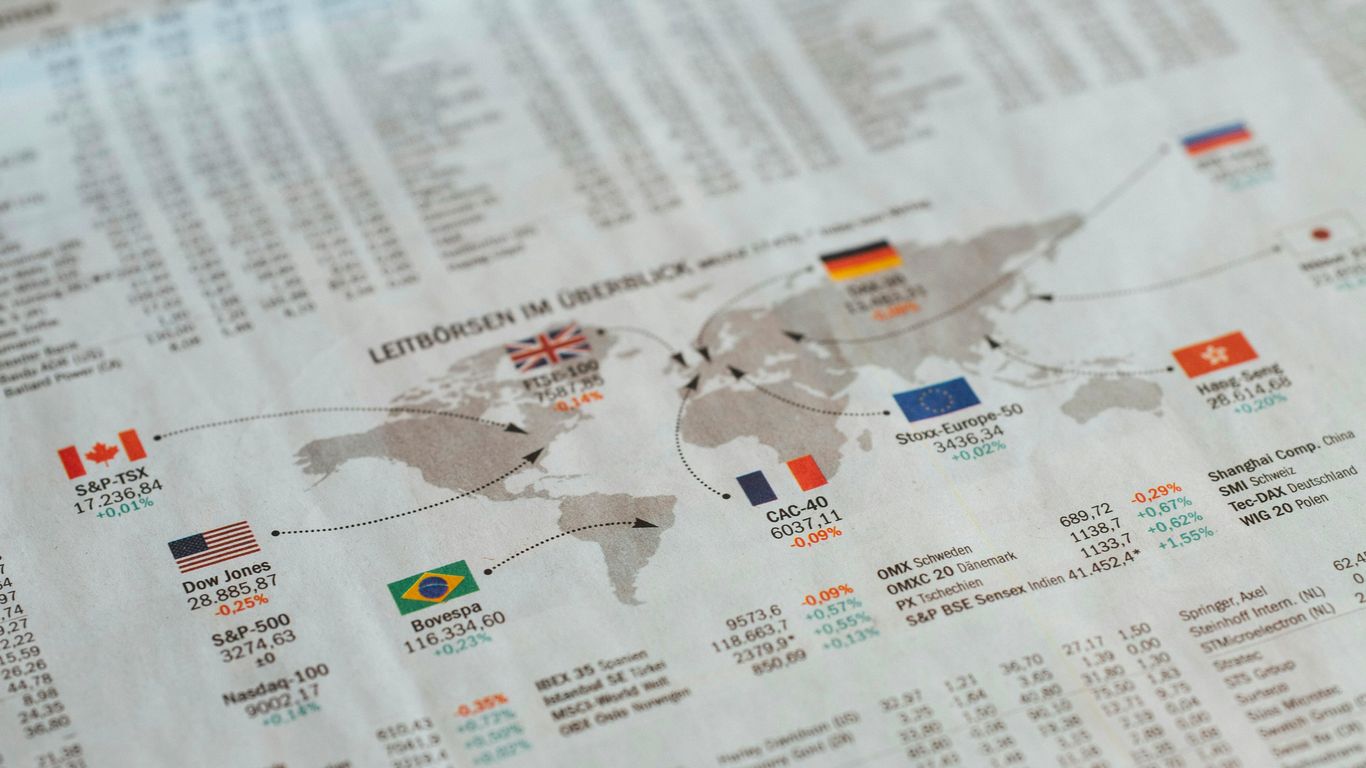
So, you’re thinking about dipping your toes into emerging markets, huh? It’s a big world out there beyond the usual suspects, and emerging markets can offer some serious growth potential. But let’s be real, picking individual stocks in these dynamic economies can feel like trying to find a needle in a haystack. That’s where an Emerging Markets ETF comes in.
Think of an ETF like a basket holding a bunch of different stocks. Instead of buying one company, you’re buying a piece of many, spread across various countries that are considered ’emerging.’ This usually means they’re in a phase of rapid growth and industrialization. It’s a way to get broad exposure without the headache of researching every single company.
However, it’s super important to know that many of these ETFs are heavily weighted towards China. So, if you’re looking to invest in emerging markets but want to reduce your exposure to China specifically, you’ll need to look for an ETF that offers that kind of diversification. There are options out there, like an ‘Emerging Markets Ex-China ETF,’ which might be a better fit depending on your strategy.
When you’re looking at these ETFs, here are a few things to keep in mind:
- Country Allocation: How much of the ETF is invested in each country? Some might be heavily concentrated, while others are more spread out.
- Top Holdings: Which companies make up the biggest chunk of the ETF? This gives you a clue about the sectors and industries driving the returns.
- Expense Ratio: This is the annual fee you pay to own the ETF. Lower is generally better, as it eats less into your returns.
- Performance: How has the ETF performed historically? While past performance isn’t a crystal ball, it can give you an idea of its track record.
Investing in emerging markets can be exciting, but it also comes with its own set of risks, like political instability or currency fluctuations. An ETF can help smooth out some of those bumps by diversifying your investment, but it’s still a good idea to do your homework and understand what you’re buying into.
18. Emerging Markets Ex-China ETF
So, you’re looking to get into emerging markets, but maybe you’re not so keen on China’s current market situation. That’s where an Emerging Markets Ex-China ETF comes in handy. Think of it as a way to get broad exposure to developing economies without putting all your eggs in one basket, especially if that basket is currently looking a bit wobbly.
These ETFs are designed to track indexes that include stocks from emerging market countries, but they specifically exclude companies based in China. This can be a smart move if you believe in the growth potential of places like India, Brazil, South Africa, or Taiwan, but want to sidestep the specific risks or volatility associated with the Chinese market. It’s a way to diversify your international holdings and tap into growth stories elsewhere.
Why consider this approach?
- Diversification Beyond China: It allows you to capture growth from a wide range of developing economies, reducing your reliance on a single, large market.
- Risk Management: By excluding China, you can potentially mitigate risks tied to its specific economic policies, regulatory changes, or geopolitical tensions.
- Targeted Exposure: You can gain exposure to regions that might be experiencing strong growth drivers, like technological advancements or rising consumer demand, without the direct influence of Chinese market performance.
When looking at these ETFs, it’s always a good idea to check what countries and sectors they actually hold. Just because it says ‘Ex-China’ doesn’t mean every other emerging market is equally represented. You’ll want to see if the holdings align with your investment goals and your outlook for global growth outside of the US and China.
19. Streamax Technology
Streamax Technology, a company listed on the Shenzhen Stock Exchange (SZSE:002970), is one of those interesting plays in the global market. It’s not a household name for most investors, but it’s been showing some solid growth.
What’s caught the eye of some analysts is its insider ownership, which sits around 32.5%. This can sometimes be a good sign, suggesting that the people running the company have a vested interest in its success, much like any other shareholder. When management’s money is on the line, they tend to be more careful and focused on long-term value.
Looking at the numbers, Streamax Technology has reported earnings growth of about 33.1%. That’s a pretty healthy clip, especially when you consider the ups and downs of the global economy. Of course, past performance isn’t a guarantee of future results, but it’s a data point that suggests the company is doing something right.
Here’s a quick look at some key figures:
- Insider Ownership: 32.5%
- Reported Earnings Growth: 33.1%
It’s worth keeping an eye on companies like Streamax Technology as they often represent opportunities outside the usual big-name stocks. They might not be as widely discussed, but their performance can be quite compelling for those willing to do a bit of digging.
20. Rasan Information Technology
When looking at companies that might be good bets for the future, it’s interesting to see how much the people running the show have invested in their own businesses. For Rasan Information Technology, an outfit based in Saudi Arabia, the insider ownership is pretty significant. We’re talking about 31.1% of the company being held by those who know it best.
This kind of stake can sometimes mean that management is really committed to seeing the company succeed long-term. They’ve got skin in the game, so to speak. It’s not just about collecting a paycheck; their own money is tied up in the company’s performance.
Looking at their numbers, Rasan Information Technology has seen earnings growth of around 21%. While not the highest on the list we’ve seen, it’s a solid figure. It suggests the company is steadily moving forward and making progress.
Here’s a quick look at some key figures:
- Company: Rasan Information Technology
- Insider Ownership: 31.1%
- Earnings Growth: 21%
It’s worth keeping an eye on companies like Rasan. When insiders are heavily invested, it can be a sign of confidence in what they’re building. Of course, it’s not a guarantee of success, but it’s definitely a factor to consider when you’re thinking about where to put your money for potential growth.
21. Novoray
When looking at companies with solid growth potential, Novoray (SHSE:688300) is a name that pops up. This Shanghai Stock Exchange-listed company has been showing some pretty good numbers lately, especially when you consider the broader market can be a bit of a rollercoaster.
What’s interesting about Novoray is its insider ownership, which stands at a notable 23.6%. This can sometimes mean that the people running the company really believe in what they’re doing and are invested in its success, much like the regular shareholders. It’s not a guarantee, of course, but it’s a data point many investors find reassuring.
Looking at their performance, Novoray has reported earnings growth of around 31.4%. That’s a pretty healthy clip, especially in today’s economic climate. It suggests the company is managing its operations well and finding ways to expand its business.
Here’s a quick look at some figures:
- Insider Ownership: 23.6%
- Reported Earnings Growth: 31.4%
Of course, like any investment, it’s not all sunshine and rainbows. You’d want to dig a bit deeper into their specific industry, their competitive landscape, and any potential risks they might be facing. But as a starting point for looking at international growth stocks, Novoray seems to have some promising indicators.
22. Loadstar Capital K.K
Loadstar Capital K.K. is a company that’s been on the radar for investors looking for growth, especially those who like to see insiders putting their own money into the business. You know, when the people running the show have a significant stake, it often means they’re really committed to making things work.
This company operates in the real estate sector, focusing on investment and management. They’ve been working on various projects, aiming to generate returns through property development and asset management. It’s not exactly a flashy tech startup, but sometimes these more traditional sectors can offer steady, reliable growth.
Here’s a quick look at some figures that might catch your eye:
- Insider Ownership: Around 31% of the company’s stock is held by insiders. That’s a pretty solid number, suggesting a strong alignment between management and shareholders.
- Earnings Growth: They’ve seen earnings growth of about 23.6% annually. While not the highest on the list, it’s a healthy rate that shows the business is expanding.
- Market Focus: Loadstar Capital K.K. is listed on the Tokyo Stock Exchange (TSE:3482), so if you’re looking to invest, that’s where you’d find it.
It’s the kind of company that might appeal to investors who value stability and a management team that’s clearly invested in their own company’s success. They’re not chasing the latest trends, but rather building value through established real estate practices.
23. Laopu Gold
When looking at companies with solid insider ownership, Laopu Gold (SEHK:6181) pops up. This isn’t just a small stake; insiders hold about 34.8% of the company’s stock. That’s a pretty big chunk, and it often means the people running the show really believe in where the company is headed.
What’s interesting is that their earnings growth has also been pretty strong, clocking in at 34.3%. When you see high insider ownership paired with good earnings growth, it can be a good sign that management’s interests are lined up with shareholders. They’re not just collecting a paycheck; they’ve got skin in the game.
Of course, no investment is a sure thing. It’s always a good idea to dig a bit deeper into what Laopu Gold actually does and how it makes its money. But as a starting point for looking at international stocks with potentially aligned leadership and solid performance, it’s definitely worth a closer look.
24. KebNi
KebNi, a company that’s been making some noise in the tech space, is worth a look. They’re involved in developing and providing advanced technology solutions, particularly in areas like IoT and connectivity. It’s the kind of stuff that powers a lot of the modern world, even if we don’t always see it directly.
What’s interesting about KebNi is their focus on growth and the fact that they have a pretty solid chunk of insider ownership. We’re talking about 36.3% insider ownership, which is quite high. This often means that the people running the company really believe in what they’re doing and have their own money on the line, aligning their interests with us shareholders. Plus, their earnings growth has been impressive, hitting 61.2% according to some reports. That’s a big number and suggests they’re doing something right.
Here’s a quick look at some of their performance metrics:
- Insider Ownership: 36.3%
- Earnings Growth: 61.2%
- Focus Areas: IoT, Connectivity Solutions
When you’re looking at international stocks, especially those that might be a bit off the beaten path, companies like KebNi can offer a different kind of opportunity. It’s not always about the biggest names; sometimes, it’s about finding those companies with strong internal backing and a clear growth trajectory. You can check out their performance overview here.
Of course, like any investment, it’s not without its risks. The tech sector can be volatile, and international markets add another layer of complexity. But for investors looking for potential growth outside the usual suspects, KebNi presents a compelling case, especially with that high insider stake and strong earnings growth.
25. J&V Energy Technology and more
When we look at companies that are showing some real movement, J&V Energy Technology (TWSE:6869) pops up. This company has seen a pretty solid jump in its stock price, with analysts even pointing to a potential 48.1% rise. It’s interesting to see how these companies are performing outside the usual big names we hear about all the time.
It’s not just J&V Energy Technology, though. There are other players in various markets that are also worth keeping an eye on. Think about companies that are innovating in their specific sectors, whether it’s tech, energy, or something else entirely. These can be the ones that offer unexpected opportunities.
Here are a few things to consider when looking at these less common growth stocks:
- Management Confidence: Look for companies where insiders, like executives and directors, are buying up shares. It often signals they believe in the company’s future.
- Earnings Growth: Consistent increases in profit are a good sign that the business is healthy and expanding.
- Market Position: Does the company have a unique product or service? Is it a leader in its niche?
Finding these gems takes a bit of digging, but the potential rewards can be significant. It’s about looking beyond the headlines and finding businesses with solid foundations and clear paths for growth. Keep an eye on J&V Energy Technology and similar companies as you build your portfolio.
Wrapping It Up
So, looking at international stocks for 2025, it’s clear there’s a lot going on outside the US. We saw some countries really outperforming, sometimes by a lot, even with all the trade news floating around. It’s not always about the biggest markets or the hottest tech trends; sometimes, it’s about solid management and steady growth. While it’s tempting to chase those big gains, remember that international markets can be unpredictable, and what goes up fast can come down. It might be smart to not put all your eggs in one basket. Maybe think about a broader approach, like an ETF, instead of trying to pick individual countries. Keep an eye on things like currency strength and global trade policies, and don’t forget to check if your own investments still make sense for your goals. It’s a big world out there, and there are definitely opportunities, but a little caution goes a long way.
Frequently Asked Questions
Why are international stocks doing better than US stocks right now?
Even though US stocks have been doing well, many countries around the world have seen even bigger gains this year. This is happening even with new trade rules that could have made things harder. Some countries like South Korea, Greece, and Spain have really stood out with their strong performance.
Are countries like Greece and Poland really outperforming the US?
Yes, it’s quite surprising, but countries like Poland and Greece have shown much better results than the United States. While they might not have huge stock markets or many well-known growth companies, they seem to be less affected by global trade worries.
Is it too late to invest in these international markets?
It’s rare for international markets to do better than the US for a long time. While it might not be too late, it’s probably not a good idea to put all your money into international stocks right now. It’s better to be cautious and maybe invest a smaller portion of your money.
What’s a good way to invest in international stocks if picking individual countries is hard?
Picking individual countries can be as tricky as picking single stocks. A simpler approach is to invest in a fund that tracks many countries at once, like an ETF that follows the MSCI All-World Index. This gives you a wider spread of investments.
Are there specific ETFs for different types of international markets?
Yes, there are. You can find ETFs that focus on the whole world except the US, or ones that only include developed countries or emerging markets. There are even ETFs that focus on emerging markets but exclude China, if you prefer.
What should I think about before investing in international stocks?
Before you invest, consider a few things. Are global trade headlines still being ignored? Are big US companies starting to lead the market again? Are you putting too much money into just one country or type of investment? And how is the US dollar performing?