
So, I just got back from the Modern Retail Marketing Summit 2026, and wow, it was a lot. It feels like things are moving super fast in retail right now, and honestly, it’s hard to keep up sometimes. But I picked up on some really interesting stuff that seems to be shaping how everyone is doing business. It wasn’t just about what’s coming next, but what’s already here and changing the game.
Key Takeaways
- Retail media networks are no longer a new thing; they’re a solid part of the market now. Everyone’s building them out, and brands are spending more money here because they can actually see what works. It’s getting pretty competitive, though.
- AI is not just a buzzword anymore. It’s actually being used in stores and for marketing, not to replace people, but to help them do their jobs better. Tech companies are building the tools for this, making things more efficient behind the scenes.
- Using data from all over the place – online, in-store, loyalty programs – is becoming super important. This helps brands figure out what shoppers want, predict what’s next, and check if their marketing efforts are actually paying off.
- Physical stores are getting a makeover and turning into media spots. They’re making shopping easier, trying to match that digital convenience, and figuring out how to measure how well these in-store ads are doing.
- Shoppers are looking everywhere for products now, not just one place. Brands need to make sure their content works on phones, voice assistants, and social media. Plus, people care more about a brand’s values and if they’re being upfront.
The Maturing Landscape of Retail Media Networks
Retail Media: A Market That Has Arrived
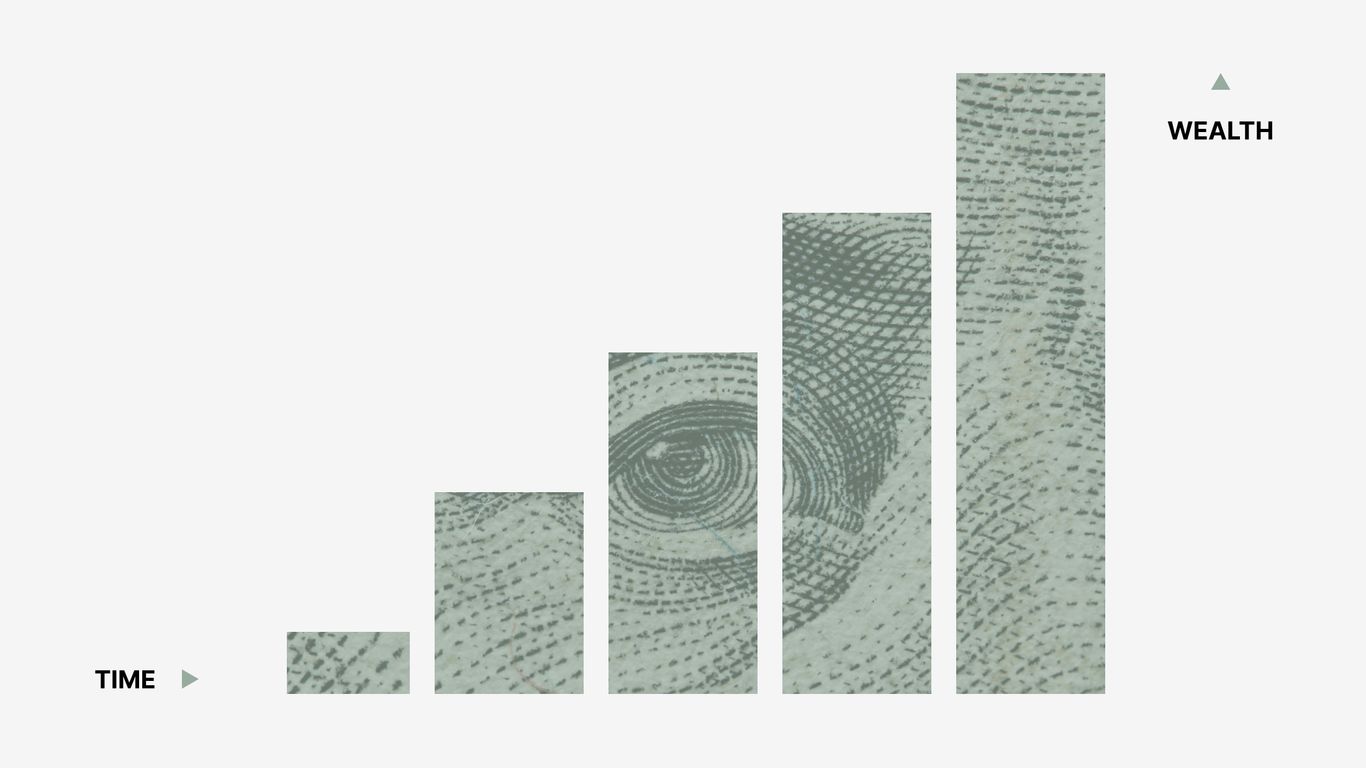
It’s pretty clear now: retail media isn’t some new, experimental thing anymore. The buzz has settled, and what’s left is a solid market that’s here to stay. We’re seeing a lot more people involved, from consultants to agencies, all talking about the same thing. This level of attention doesn’t happen for something that’s just starting out. It happens when real money starts flowing and when the channel actually proves it can help businesses grow over time. The days of just slapping an ad on a retailer’s website are long gone. Now, it’s about using the first-party data retailers have to reach shoppers right when they’re thinking about buying something. It’s never been easier for brands to connect with customers at that exact moment, and thankfully, it’s also become much easier to see if it’s actually working.
Ecosystem Development and Sustainable Growth
The whole system around retail media is getting more complex, and that’s a good thing for long-term growth. It’s not just retailers selling ad space anymore. Banks, travel companies, even hospitality businesses are getting in on it, looking to monetize their customer interactions. This expansion shows that the market is maturing beyond just CPG brands. We’re seeing more channels being used, and more importantly, they’re being measured for their impact on sales. This means budgets are shifting. Brands are starting to pull money from both their advertising and trade promotion funds because retail media can now show a clear return on investment. This requires a solid tech backbone, including systems that can manage orders and use AI to make campaigns better, all while handling a lot of campaigns at once.
The Intensifying Competition for Advertiser Dollars
With retail media becoming so popular, you can bet everyone is trying to get a piece of the pie. This means more competition for advertisers’ money. Retailers need to offer more than just basic ad placements. They need sophisticated tools, often powered by AI, to manage campaigns effectively. This includes expanding into new areas like in-store screens, audio ads, and other formats. The key for retailers will be their ability to prove the return on investment with solid sales data. Those who can do this well will be in a much better position to capture those advertising budgets. It’s becoming less about just getting eyeballs and more about driving actual sales, which is what advertisers really care about. This shift is why understanding retail trends in 2026 is so important for staying competitive.
AI’s Embedded Role in Modern Retail Operations
AI Beyond Buzzwords: From Aspiration to Execution
It feels like just yesterday we were talking about AI as this futuristic thing, something for tech conferences. But now? It’s here, and it’s actually being used. Forget the hype; retailers are putting AI to work in real ways. We’re seeing it move from "what if" discussions to actual tools being rolled out across different parts of the business. It’s not just about one department anymore; it’s becoming part of how things get done everywhere.
Think about it: AI is now helping with everything from figuring out what products to stock and when, to making sure ads actually hit the right people. It’s also getting better at understanding how well campaigns are doing, which is a big deal for advertisers. This isn’t just a few companies dipping their toes in; most retailers are either already using AI or planning to very soon. It’s becoming a standard part of the toolkit.
Technology Providers Driving Retail AI Infrastructure
What’s interesting is that a lot of the push for AI in retail isn’t coming from the retailers themselves, but from the companies building the tech. These providers are showing off solutions that tackle actual problems, not just theoretical ones. They’re the ones creating the systems that make AI work behind the scenes.
- AI-driven checkout systems: Making the payment process smoother and faster.
- Smart store tech: Using things like RFID tags to keep track of inventory automatically.
- Sensors for traffic flow: Understanding how shoppers move through a store to improve layout and product placement.
- Media infrastructure: Building the tools that allow stores to run their own advertising platforms.
These providers are essentially building the engine that powers AI in retail, letting retailers focus on using the technology to improve their operations.
Amplifying Human Connection with AI’s Computational Power
Some folks worry that AI will take away the human touch in retail, but that’s not really what’s happening. Instead, AI is acting like a super-powered assistant. It handles the heavy lifting – the complex calculations, the data sorting, the repetitive tasks – freeing up people to do what they do best: connect with customers. AI isn’t replacing the human element; it’s making it stronger.
Imagine store associates having instant access to customer preferences or product information, allowing them to offer more personalized help. Or think about how AI can analyze customer feedback at scale, giving teams insights to improve service. It’s about using technology to make interactions more meaningful, not less. This allows the store itself to be the main attraction, with AI working quietly in the background to make everything run smoothly.
Leveraging Data for Smarter Marketing Decisions
It feels like everyone’s talking about data these days, but what does it actually mean for making marketing work better? It’s not just about collecting numbers; it’s about putting them to good use. Think about it: if you don’t know who’s buying what, or why they’re buying it, you’re just guessing. And guessing in marketing? That’s a quick way to waste money.
The Essential Integration of Diverse Data Sources
We’ve got so much information coming at us from everywhere. Loyalty programs, what people buy online, what they buy in the store – it all paints a picture. But these pieces don’t talk to each other on their own. We need to connect them. For instance, seeing more people grab store-brand items tells us something important about how shoppers are feeling about prices. It’s like putting together a puzzle; each piece of data helps you see the whole thing more clearly.
- First-party data: This is the info you collect directly from your customers, like through your website or app.
- Behavioral data: This tracks what people do, like what pages they look at or what they click on.
- Offline data: This includes things like in-store purchases and loyalty card swipes.
Combining these gives you a much better idea of who your customer really is and what they want.
Forecasting Trends with Economic Context and Channel Shifting
Looking ahead is tough, especially when the economy is doing its own thing. We can’t just look at past sales and assume things will stay the same. We have to consider things like how much prices can go up before people stop buying (that’s price elasticity) and where people are actually spending their money. If sales drop at one store, it might be because shoppers have moved to a discount grocer or a club store. Understanding these shifts helps us figure out if we need to change our products, our packaging, or even our prices. It’s about being smart and reacting to what’s happening, not just hoping for the best.
Continuous Measurement for Portfolio Relevance and Profitability
Once you’ve got your products out there, you can’t just forget about them. We need to keep an eye on how well they’re selling and how much money they’re making. This isn’t always fun, but it’s important. It helps us decide which products are still worth pushing and which ones are just taking up space. Keeping your product lineup fresh and profitable means making tough calls based on real numbers. It’s about making sure what you offer still makes sense to customers and makes good business sense for you.
The Resurgence and Sophistication of In-Store Retail
Physical Stores Evolving into Sophisticated Media Channels
It’s easy to think of retail as just online these days, but the physical store is really making a comeback, and it’s not just about buying stuff anymore. Think of your local supermarket or department store – they’re becoming way more than just places to grab what you need. We’re seeing smart screens that change what they show based on who’s looking, sound systems that can play different ads in different aisles, and even fitting rooms that offer personalized suggestions. It’s like the store itself has become a whole new advertising space. This isn’t just a small trend; it was a big topic at the Modern Retail Marketing Summit 2026. Companies are realizing they can actually make money by selling ad space right there in the store, reaching people when they’re actually ready to buy.
Frictionless Experiences Rivaling Digital Convenience
Remember when going to the store meant waiting in long lines? That’s changing fast. Stores are working hard to make shopping as easy as clicking a button online. Think about self-checkout kiosks that actually work, or apps that let you scan items as you go and pay without stopping. Some places are even experimenting with cameras and sensors to track what you pick up, making the whole process smoother. The goal is to cut out any hassle, so you don’t have to choose between the convenience of online shopping and the experience of being in a physical store. The best stores are finding ways to blend the two, making the in-person trip feel just as quick and simple as browsing on your phone.
Measuring In-Store Media Performance Beyond Reach
So, how do you know if those fancy new in-store ads are actually working? It’s not as simple as counting how many people walked by a screen. Retailers and brands are figuring out new ways to measure success. It’s not just about how many eyeballs saw an ad (reach), but whether that ad actually led to a sale. This involves looking at things like:
- Sales Lift: Did a specific product sell more when its in-store ad was running?
- Customer Path Analysis: Can we see if someone who saw an ad in one part of the store later bought something related?
- Coupon Redemption: If an in-store ad offered a discount, how many people used it?
It’s about connecting the dots between what shoppers see in the store and what ends up in their carts. This kind of detailed tracking helps prove that these in-store media efforts are worth the investment, moving beyond just basic visibility to real business results.
Navigating the Evolving Consumer Journey
It feels like just yesterday we were talking about how consumers were glued to their phones, right? Well, things have gotten even more interesting. Today, people aren’t just searching on Google; they’re asking their smart speakers, pointing their phone cameras at things, and scrolling through social media, all at the same time. It’s this "search everywhere" mentality that’s really changing the game.
Adapting to "Search Everywhere" Consumer Behaviors
This "search everywhere" thing means brands have to be ready to show up in a lot of different places. Think about it: someone might see something they like on TikTok, then ask Alexa for a review, and finally search for the best price on their laptop. It’s a winding path, and brands need to be visible at every turn. This requires making sure your product information is easy to find, no matter how someone is looking. The days of a single search bar being the main way people find things are pretty much over.
Optimizing Content for Diverse and Machine-Readable Formats
Because people are using so many different ways to search, the content brands put out needs to be flexible. What works for a quick Instagram story won’t necessarily work for a voice search. We’re seeing a big push to make content shorter, more direct, and structured in a way that computers can easily understand. This means getting straight to the point with answers and making sure product details are clear and organized. It’s not just about sounding good to people anymore; it’s about being understood by the machines that are increasingly guiding their searches.
Building Trust Through Transparency and Values
Beyond just finding products, consumers in 2026 are really paying attention to what brands stand for. It’s not enough to just have a good product at a good price. People want to know if a company is being honest, if it cares about the environment, or if it supports its community. This doesn’t mean everyone can afford to buy only from the most ethical brands, especially with prices being so important right now. But when brands are open about their practices and show they genuinely care about certain values, it builds a connection that goes beyond just a transaction. It’s about being real and consistent in what you say and do.
Key Consumer Behaviors Shaping Retail in 2026
The Dominance of Value-Conscious Shopping
Look, nobody likes spending more than they have to, right? In 2026, that’s hitting home for pretty much everyone. Whether you’ve got a tight budget or just like getting a good deal, price is a big deal. People are really looking at the numbers before they click ‘buy’ or grab something off the shelf. This means brands need to think hard about how they present their pricing and what they offer for the money. It’s not just about being cheap; it’s about showing real worth.
The Growing Importance of Values-Driven Purchases
Beyond just the price tag, shoppers are paying attention to what a brand stands for. Things like being good to the planet, treating people fairly, and being open about how things are made are becoming more important. It’s not just a trend for younger folks anymore; it’s spreading. Consumers want to feel good about where their money is going, and that means brands need to be honest and show they care about more than just profits. This shift means transparency isn’t just a nice-to-have; it’s becoming a requirement for building lasting customer relationships.
Consumer Shifts Towards Value Chains and Private Labels
Because everyone’s watching their wallets, we’re seeing more people shop at places like discount grocers and club stores. These places often have their own brands, called private labels, which are usually cheaper than the big name brands. This is a pretty big change. Brands that have been around forever might find themselves competing more with these store-brand options. It’s a sign that people are willing to try new things if it means saving money. So, for established brands, figuring out how to stand out and prove why they’re worth a bit more is going to be key.
Bridging the Gap: Alignment for Retail Media Success
You know, getting everyone on the same page for retail media can feel like herding cats sometimes. It’s not just about having the tech; it’s about the people and how they work together. We heard a lot at the summit about the "human stack" being the real hurdle, more than any fancy software. Sales teams are focused on moving product, marketing wants to build brand awareness, and the retail media folks are trying to make the ad money work efficiently. These goals can clash, and that’s where things get sticky.
Addressing the "Human Stack" Challenges
It’s easy to assume that once you build a retail media network, advertisers will just flock to it. But the real work happens internally. We need to get past the idea that it’s just another ad platform. It touches so many parts of the business, from inventory to pricing, and understanding that interconnectedness is key. The biggest challenge isn’t the technology, it’s getting different departments to collaborate effectively.
Aligning Goals Across Sales, Marketing, and Retail Media Teams
So, how do we actually make this happen? It starts with clear communication and shared objectives. Think about it:
- Define a Unified Vision: Everyone needs to understand what success looks like for the retail media program as a whole, not just their individual department.
- Establish Cross-Functional Cadence: Regular meetings where sales, marketing, and retail media teams can share updates, discuss challenges, and plan together are a must. This helps prevent silos from forming.
- Incentivize Collaboration: Consider how performance is measured and rewarded. Are there ways to encourage teams to work together towards common retail media goals?
Securing Retail Media as a Distinct P&L Line Item
Making retail media its own line item on the profit and loss statement is a big deal. It gives the initiative its own identity and makes it easier to track its performance and advocate for its importance. This isn’t just about accounting; it’s about giving the retail media team the visibility and resources they need to truly succeed. When budgets are tied directly to sales outcomes, conversations about spending change fundamentally, making it easier to justify investment and prove the impact on business.
It’s a shift that requires patience and persistence, but getting this alignment right is what separates the retail media programs that just exist from those that truly drive growth.
Wrapping It Up
So, what’s the big picture after all these talks and demos? It’s pretty clear that retail media isn’t some far-off future thing anymore; it’s happening right now, and it’s moving fast. AI is no longer just a buzzword; it’s being used to actually run things, from how stores work to how ads get shown. And honestly, it’s not just about online ads anymore. Stores themselves are becoming smart media spaces. The main takeaway? If you want to keep up, you need to get smart about how you use data, make sure your tech can handle all this new stuff, and prove that your marketing is actually making sales. It’s a lot, but it looks like the brands and retailers who figure this out are the ones who will really grow.
Frequently Asked Questions
What are retail media networks, and why are they important now?
Think of retail media networks like digital billboards and ad spaces that stores set up on their websites and apps. They’ve become super important because brands can now show ads right where people buy things. This helps brands reach customers when they’re ready to shop and makes it easier to see if the ads are actually leading to sales. It’s a big deal for helping brands grow.
How is artificial intelligence (AI) changing how stores work?
AI is like a smart helper that’s becoming a normal part of how stores operate. It’s not just a fancy idea anymore; stores are actually using it to manage their stock, make shopping easier for customers, and even help run those new in-store ads. AI helps stores work better behind the scenes so people can have a smoother shopping trip.
Why is it important for stores and brands to use all kinds of data for marketing?
Stores and brands have lots of information, like what people buy, what they look at online, and even what they do in the store. By mixing all this information together, they can get a clearer picture of what shoppers want. This helps them make smarter choices about what products to sell, how to advertise them, and where to put them, making sure they’re offering what people are actually looking for.
Are physical stores still important, and how are they changing?
Yes, physical stores are making a comeback, but they’re not just places to grab items anymore. Stores are becoming like cool media channels themselves, with screens, special offers on your phone, and even music. They’re working hard to make shopping in person as easy and fun as shopping online, sometimes even easier!
How are shoppers changing the way they look for and buy things?
People today are searching for products everywhere – on their phones, by talking to smart speakers, and on social media, all at the same time! This means brands need to make sure their information is easy to find and understand, no matter where someone is looking. Being honest and clear about what a brand stands for also helps shoppers trust them and choose their products.
What are the main things shoppers care about when buying things in 2026?
Shoppers in 2026 are really focused on getting good value for their money, meaning they’re watching prices closely. They also care a lot about brands that do good things, like being eco-friendly or fair to people. Because of this, more people are choosing store-brand items from places like big warehouse stores or discount shops, and brands need to offer new and interesting products to stand out.