
In today’s business world, things move fast. Keeping up can feel like a constant race, and sometimes, it seems like you need a magic wand to manage everything. That’s where cloud computing comes in. It’s not some far-off tech concept anymore; it’s a practical way for businesses, big or small, to work smarter, save money, and stay ahead. Think of it as upgrading your business’s toolkit to handle whatever comes next. Let’s look at the main benefits of cloud computing that are changing how companies operate.
Key Takeaways
- Businesses can save a lot of money by shifting from buying expensive equipment upfront to paying for services as they use them. This also means better use of resources and less spent on maintenance and power.
- Cloud makes it easy to quickly get more or less IT power when needed. This is great for handling busy times, like when a website gets tons of visitors, and then scaling back to save cash during slower periods.
- Cloud providers invest heavily in security and follow many rules, often offering better protection than businesses can manage themselves. This helps keep data safe and meet legal requirements.
- Teams can work together more easily using cloud tools. People can share files, work on them at the same time, and communicate without being in the same office.
- Companies can use the latest technologies like AI and machine learning without big upfront costs. This speeds up the process of creating new products and reacting to market changes, giving them an edge.
Achieving Significant Cost Savings

Let’s talk about money. One of the biggest reasons businesses are moving to the cloud is simply because it makes financial sense. Think about all the stuff you need for a traditional IT setup: servers, storage, cooling systems, power, and a whole team to keep it all running. That’s a huge upfront investment, right? Cloud computing flips that model on its head.
Converting Capital Expenditures to Operational Expenditures
Instead of buying big, expensive pieces of hardware that lose value the moment you unbox them, you’re essentially renting what you need. This means you’re shifting from a large, one-time capital expense (CapEx) to a more predictable, ongoing operational expense (OpEx). This is a game-changer for cash flow. It frees up money that you can then put back into growing your actual business, like developing new products or reaching more customers. It’s like switching from buying a whole car to using a ride-sharing service – you pay for the trips you take, not for the car sitting in the garage.
Optimizing Resource Allocation and Usage
This is where things get really smart. With cloud services, you typically pay for what you use. If you need more computing power for a big project or a busy sales period, you can get it instantly. When things quiet down, you scale back. You’re not stuck paying for idle servers that are just humming away doing nothing most of the time. This kind of flexible usage means you’re not overspending on capacity you don’t actually need. Many companies find they can recover a significant portion of what they used to spend on unused resources, sometimes around 27 percent of previously wasted spending [b883].
Here’s a quick look at how this plays out:
- No More Over-provisioning: You don’t have to guess your future needs and buy extra hardware "just in case."
- Pay-as-you-go: You’re billed based on actual consumption, whether it’s storage, processing power, or data transfer.
- Reduced Waste: Resources are used more efficiently, leading to lower overall IT costs.
Reducing Ongoing Maintenance and Utility Expenses
Remember all those costs associated with running your own server room? The electricity bill to keep the machines cool, the physical security, the repairs, and the IT staff time spent on routine maintenance? All of that gets handled by the cloud provider. They have massive, highly efficient data centers designed for this. This means your company saves money on utilities, reduces its physical footprint, and your IT team can focus on more strategic tasks instead of just keeping the lights on for the servers. It’s a win-win for your budget and your team’s focus.
Enhancing Operational Agility and Scalability
Think about your business like a car. Sometimes you need to cruise down the highway, and other times you’re stuck in city traffic. Your IT needs are kind of the same way. Cloud computing lets you adjust your engine power – or in IT terms, your computing resources – on the fly. This ability to quickly change how much power you have is a game-changer for staying competitive.
Rapidly Adjusting IT Resources Based on Demand
Remember when you had to buy a bunch of servers just in case you had a really busy month? That’s a thing of the past. With the cloud, you can spin up more computing power when you need it and dial it back when you don’t. It’s like having an infinitely expandable toolbox. This means you’re not paying for idle equipment most of the year. You just pay for what you’re actually using, when you’re using it. This flexibility helps businesses avoid being caught flat-footed when demand spikes or being stuck with expensive hardware when things slow down.
Handling Fluctuations in Website Traffic and Data Processing
Imagine your online store during a big sale. Traffic can go through the roof! If your website isn’t ready, customers get frustrated, and you lose sales. Cloud platforms are built to handle these kinds of surges. They can automatically add more capacity to keep your site running smoothly, even when thousands of people are trying to buy something at once. The same goes for processing large amounts of data. Whether it’s crunching numbers for a report or analyzing customer behavior, the cloud can scale up to get the job done quickly and then scale back down, so you’re not paying for that extra power later.
Scaling Down During Low Periods to Save Costs
It’s not just about handling the busy times; it’s also about saving money when things are quiet. If your business has seasonal ups and downs, or even just slower days of the week, the cloud lets you reduce your resource usage. This means you’re not paying for computing power that’s just sitting there doing nothing. For example, a company that does a lot of event planning might need extra resources for a few weeks leading up to a big event, but then can scale way back afterward. This smart adjustment helps keep operational costs down and improves your bottom line.
Strengthening Security and Compliance
When you move your business operations to the cloud, you might worry about who’s looking after your data. It’s a valid thought, right? But here’s the thing: cloud providers actually have way more security muscle than most individual companies. They’ve got teams of people whose only job is to watch for trouble 24/7. This dedicated focus means your data is often safer in the cloud than it might be sitting on a server in your own office.
Leveraging Dedicated Security Expertise and Resources
Think about it – major cloud companies employ thousands of cybersecurity pros. They’re constantly on the lookout for new threats and have the tools to fight them. This level of security is hard for any single business to match. It’s like hiring a whole security firm instead of just one guard. This also means they’re really good at keeping things running smoothly, which helps with cloud security best practices.
Adhering to Stringent Global Compliance Standards
Many businesses operate under strict rules, like GDPR or HIPAA. Keeping up with these can be a headache. Cloud providers, however, are built to meet these standards. They have to be. This makes it much simpler for your company to stay on the right side of the law, especially if you deal with sensitive customer information. It’s a big weight off your shoulders.
Implementing Advanced Threat Protection Technologies
Cloud platforms come loaded with security tech. We’re talking about things like encryption, which scrambles your data so only authorized people can read it, both when it’s stored and when it’s being sent. They also use systems to detect break-in attempts and manage who gets access to what. It’s a multi-layered approach that’s tough for hackers to get through. For instance, a recent survey showed that 94% of businesses saw their security improve after moving to the cloud.
Boosting Collaboration and Productivity
When your team can actually work together, things just get done faster. It’s that simple. Cloud computing really changes the game here, making it way easier for people to share what they’re working on and talk to each other, no matter where they are. Think about it: no more emailing files back and forth and wondering which version is the latest. Everyone’s looking at the same thing, updated right then and there.
Enabling Shared Access and Real-time Synchronization
This is a big one. With cloud platforms, multiple people can jump into a document, a spreadsheet, or a project plan at the same time. You see changes as they happen, which cuts down on confusion and makes sure everyone’s on the same page. It’s like having a virtual whiteboard that everyone can draw on simultaneously. This kind of shared access means fewer mistakes and a lot less time spent trying to figure out who did what. It really helps teams move forward without getting bogged down in version control headaches. This kind of collaborative workflow is a major reason why businesses are seeing better results from their teamwork.
Integrating Unified Communication Tools
Beyond just sharing files, the cloud brings communication tools together. You’ve got chat, video calls, and project updates all in one place. Instead of jumping between different apps, your team can connect and discuss things right where the work is happening. This makes conversations more focused and keeps everyone in the loop. It’s about making it simple to talk, share ideas, and solve problems quickly, which is super important when people aren’t all in the same office.
Facilitating Seamless Teamwork Regardless of Location
This is where the cloud really shines for modern work. Whether your employees are across town, across the country, or even in different time zones, the cloud keeps them connected. It breaks down those physical barriers that used to slow things down. People can access what they need and collaborate effectively from anywhere with an internet connection. This flexibility means you can build a team with the best talent, not just the closest talent, and keep them all working together smoothly. It’s about making sure that distance doesn’t get in the way of getting good work done.
Driving Innovation and Competitive Edge
Think about it: when you’re not bogged down by IT headaches, you have more brain space for, well, actual business. Cloud computing really helps with that. It’s not just about keeping the lights on; it’s about giving your team the tools and freedom to come up with new ideas and actually make them happen.
Accessing Cutting-Edge Technologies Like AI and ML
Remember when only the biggest companies could afford to play with fancy tech like Artificial Intelligence or Machine Learning? That’s mostly a thing of the past thanks to the cloud. Cloud providers are constantly updating their systems and offering access to these powerful tools. This means your business, no matter the size, can start experimenting with AI and ML without needing to buy a supercomputer or hire a whole new department. You can test out new features, analyze customer data in ways you never could before, and generally get a feel for what these technologies can do for you. It’s like having a research and development lab at your fingertips. For instance, imagine using AI to predict customer needs before they even know them themselves. That’s a game-changer.
Accelerating Development, Testing, and Deployment Cycles
Getting a new product or feature out the door used to take ages. You’d order hardware, wait for it to arrive, set it up, test it, and then, if all went well, launch. With the cloud, that whole process speeds up dramatically. Your developers can spin up testing environments in minutes, not weeks. They can try out new code, see how it performs, and fix any bugs quickly. Then, deploying the final version is just as straightforward. This rapid cycle means you can get your ideas to market much faster than competitors who are still stuck with older ways of doing things. It really helps to compress your time-to-market.
Responding to Market Changes with Unprecedented Speed
Markets shift, customer preferences change, and new trends pop up all the time. Being able to react quickly is what separates the businesses that thrive from those that get left behind. Because cloud infrastructure is so flexible, you can adjust your IT resources on the fly. If a new opportunity arises, you can scale up your systems to handle it. If a competitor launches something new, you can quickly develop and deploy a counter-offer. This agility means you’re not just reacting to the market; you’re actively shaping it. You can pivot your business strategy without being held back by your technology.
Minimizing Environmental Impact
It’s not just about saving money or getting work done faster; using the cloud can actually be better for the planet. Think about it: instead of every company running its own servers, which use a ton of electricity and need constant cooling, a few big cloud providers manage massive data centers. These places are built to be super energy-efficient.
Utilizing Energy-Efficient Cloud Data Centers
These large data centers run by cloud companies are designed from the ground up to use less power. They often use advanced cooling systems that are way more efficient than what a typical office building could manage. Plus, cloud providers are increasingly powering these centers with renewable energy sources like solar and wind. This means the electricity used to run your business applications has a smaller carbon footprint.
Reducing Corporate Energy Consumption and Emissions
When you move your operations to the cloud, you’re essentially outsourcing your IT infrastructure. This means your own office doesn’t need as many power-hungry servers, cooling units, or other hardware. Less hardware in your office means less energy consumed directly by your company. This reduction in energy use also cuts down on the greenhouse gas emissions associated with that power generation. It’s a win-win: your company uses less energy, and the energy it does use is often cleaner.
Contributing to Corporate Social Responsibility Goals
Many businesses today are looking for ways to be more responsible and show they care about the environment. Adopting cloud computing can be a straightforward way to tick that box. It’s a tangible step that shows you’re actively working to reduce your company’s environmental impact. This can improve your brand image and align with the expectations of customers and stakeholders who are increasingly concerned about sustainability.
Ensuring Business Continuity and Resilience
Things happen, right? Fires, floods, power outages, or even just a major server crash. When these kinds of disruptions hit, the last thing you want is for your business to grind to a halt. That’s where cloud computing really shines. It’s built with recovery in mind, offering ways to get back up and running way faster than old-school setups.
Implementing Advanced Disaster Recovery Options
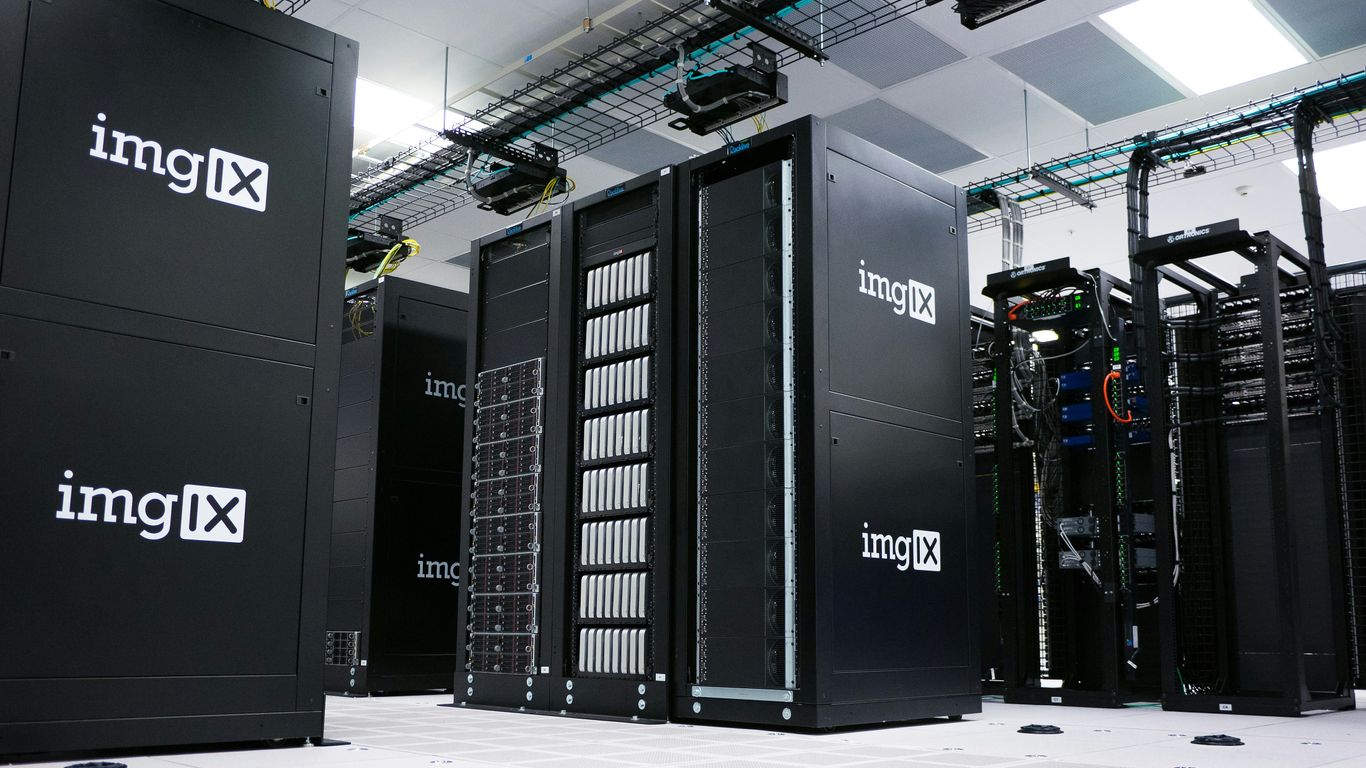
Cloud providers have this whole setup where your data isn’t just sitting in one spot. It’s often copied and stored in different locations. This means if one data center has a problem, your information is still safe somewhere else. They can get your systems back online in minutes, not days. This is a huge step up from trying to recover everything from a single, damaged server room. It’s about having a solid disaster recovery plan ready to go.
Minimizing Downtime and Data Loss
Think about how much money and reputation you lose every hour your systems are down. Cloud services are designed to prevent that. They use things like automatic failovers, where if one piece of equipment breaks, another one immediately takes over without anyone noticing. Plus, with data being backed up constantly, the amount of information you could possibly lose is cut down to almost nothing. It’s a big deal for keeping things running smoothly.
Maintaining Operations Through Mirrored Data Storage
This is basically the magic behind the quick recovery. Your critical data is mirrored, meaning there’s an exact copy being kept up-to-date in a separate, secure location. So, if your main system goes down, you can switch over to the mirrored copy almost instantly. This keeps your operations going and your customers happy, even when unexpected problems pop up. It’s a smart way to build a business that can handle whatever comes its way.
The Cloud: Your Business’s Next Big Step
So, we’ve talked a lot about how the cloud can help businesses. It’s not just about saving a few bucks, though that’s a nice perk. It’s really about making your company more adaptable, letting you try new things without breaking the bank, and keeping your data safe. Think of it like upgrading from a flip phone to a smartphone – suddenly, you can do so much more, so much faster. Whether you’re just starting out or you’ve been around for a while, moving to the cloud just makes sense if you want to keep up and grow. It’s really the way forward for pretty much any business that wants to stay relevant.
Frequently Asked Questions
How does using the cloud help save money for a business?
Think of it like renting versus buying a house. Instead of spending a lot of money upfront to buy computers and servers (like buying a house), businesses pay a smaller, regular fee to use the cloud (like renting). This means they don’t have to worry about buying expensive equipment or fixing it when it breaks. They only pay for what they use, which is usually cheaper and smarter.
What does it mean for a business to be ‘scalable’ with the cloud?
Scalable means a business can easily get more computer power or storage when they need it, and less when they don’t. Imagine a store needing more checkout lines during busy holidays but fewer on normal days. The cloud lets businesses add or remove these ‘lines’ instantly, so they’re never caught unprepared or paying for extra space they don’t need.
Is cloud computing safer than keeping files on my own computers?
For most businesses, yes! Big cloud companies have teams of experts working 24/7 to protect data, like a super-secure vault. They use advanced tools that most small businesses couldn’t afford. They also follow strict rules to keep information safe and private, which can be hard to do on your own.
How does the cloud help teams work together better?
The cloud makes it super easy for people on a team to work on the same project or document at the same time, no matter where they are. Everyone sees the latest updates instantly, like a shared digital whiteboard. It also helps connect different communication tools, so talking and sharing ideas becomes much smoother.
Can businesses use new, cool technology with the cloud?
Absolutely! Cloud providers offer access to amazing new tools like Artificial Intelligence (AI) and advanced data analysis without businesses having to buy and set up all the complicated equipment themselves. This lets companies try out new ideas quickly and build exciting new products or services faster than competitors.
Does using the cloud help the environment?
Yes, it can! Cloud companies build huge data centers that are designed to use energy very efficiently, often using clean energy sources. By sharing these efficient centers, businesses use less energy overall compared to running their own smaller, less efficient computer rooms. This helps reduce pollution and is better for the planet.