
Thinking about starting a business in the US in 2026? It’s a good time to get started. Things are changing fast, with new tech and what people want shifting. Whether you’re looking to sell stuff online, offer a service, or get into something totally new, there are plenty of business opportunities in the US. We’ve put together a list of ideas that look promising for the coming year. It’s all about finding what fits you and what people need.
Key Takeaways
- Starting a niche e-commerce store lets you focus on specific products and customers.
- Subscription box services offer recurring revenue by providing curated items regularly.
- Digital marketing agencies help other businesses grow online presence and reach more customers.
- Businesses focused on sustainable products meet growing consumer demand for eco-friendly options.
- Mobile app development is strong as more people rely on apps for daily tasks and entertainment.
1. Niche Product E-Commerce Store
Forget trying to sell everything to everyone. In 2026, the real money in online selling is in focusing on a specific group of people with a specific need. Think about it – if you’re really into, say, vintage fountain pens, you’re going to look for a store that gets that, right? That’s the power of a niche e-commerce store.
Instead of competing with giants like Amazon, you’re building a community around a shared interest. This could be anything from eco-friendly pet supplies to specialized tools for 3D printing enthusiasts, or even custom-designed t-shirts for fans of obscure 80s sci-fi movies. The key is to find a gap in the market where people are actively searching for unique items they can’t easily find elsewhere.
Why does this work so well?
- Less Competition: You’re not going head-to-head with massive retailers.
- Higher Customer Loyalty: People who find their specific passion catered to are more likely to stick around and recommend you.
- Better Margins: Often, specialized products can command higher prices because they’re harder to source.
- Targeted Marketing: It’s way easier to reach your ideal customer when you know exactly who they are and where they hang out online.
To get started, you’ll want to do some solid research. Look at what’s trending, what people are complaining about not being able to find, and what your own passions are. Platforms like Shopify have tons of resources to help you identify profitable items for your online sales profitable items for online sales. Building a brand around a niche isn’t just about selling products; it’s about creating a destination for enthusiasts.
2. Subscription Box Services
Remember when getting mail was just bills and junk? Well, that’s changed. Subscription boxes have really taken off, and it’s easy to see why. People love the surprise and the convenience of having curated items show up at their door every month. It’s like a little gift to yourself, but on a regular schedule.
The real magic of subscription boxes lies in their ability to create a consistent revenue stream for businesses. Instead of hoping for one-off sales, you get predictable income, which makes planning a lot easier. Plus, customers get excited about what’s coming next, building a real connection with your brand. It’s a win-win.
What kind of boxes are people into? A lot of it depends on what you’re passionate about, but some popular themes include:
- Self-care and wellness: Think bath bombs, face masks, calming teas, and journals.
- Hobbies and crafts: Kits for knitting, painting, model building, or even specialized cooking ingredients.
- Pet supplies: Treats, toys, and grooming products for our furry friends.
- Snacks and beverages: From gourmet coffee to international snacks, people love to taste new things.
Getting started means figuring out your niche. Who are you trying to reach? What kind of products would they genuinely love and look forward to receiving? It’s not just about stuffing a box; it’s about creating an experience. Many artisans are finding success by turning their hobbies into these recurring revenue models, building stable businesses from their passions. You’ll want to think about sourcing your products, how you’ll package them, and how you’ll get the word out. Building a community around your box can also make a huge difference. It’s a business model that’s really growing, and with the right focus, it can be quite rewarding.
3. Digital Marketing Agencies

In today’s crowded online space, businesses of all sizes are scrambling to get noticed. That’s where digital marketing agencies come in. They’re the ones helping companies figure out how to show up when people search for their products or services, how to get their message out on social media, and how to actually connect with potential customers online. The demand for skilled digital marketers who can drive real results is only going to grow.
Think about it: every business needs a website that works well, content that people want to read, and a presence on social media that actually engages people. Agencies can offer a whole suite of services to cover these needs. They might specialize in a few key areas or offer a broader range of help.
Here are some common services a digital marketing agency might provide:
- Search Engine Optimization (SEO): Helping businesses rank higher in search results so more people find them organically.
- Content Marketing: Creating blog posts, articles, videos, and other content that attracts and keeps an audience.
- Social Media Management: Handling a company’s social media profiles, posting updates, and running ad campaigns.
- Pay-Per-Click (PPC) Advertising: Managing ad campaigns on platforms like Google and social media to drive immediate traffic.
- Email Marketing: Designing and executing email campaigns to nurture leads and keep existing customers informed.
- Web Design and Development: Building or improving websites to make them user-friendly and effective.
Starting an agency doesn’t necessarily mean you need a huge team right away. You could begin by focusing on one or two services where you have strong skills, like SEO or social media, and then expand as your client base grows. The key is to show businesses how you can help them make more money or reach more people – something every business owner wants.
4. Sustainable Product Businesses
People are really starting to care about where their stuff comes from and how it’s made. This isn’t just a passing fad; it’s becoming a big deal for how businesses operate. Think about it – less waste, better materials, and products that don’t harm the planet. That’s where sustainable product businesses come in.
Consumers are actively seeking out brands that align with their values, making eco-friendly options a smart bet for entrepreneurs.
What kind of stuff are we talking about? Well, it’s a pretty wide range. You could get into making things like reusable bags, natural cleaning supplies, or even furniture from recycled materials. Packaging is another huge area; companies are desperate for alternatives to plastic. It’s about finding a need and filling it with something that’s good for everyone, not just the bottom line.
Here are a few areas to consider:
- Eco-Friendly Goods Manufacturing: Creating products that are designed to be reused, recycled, or are made from sustainable sources. This could be anything from bamboo toothbrushes to clothing made from organic cotton.
- Sustainable Packaging Solutions: Helping other businesses reduce their environmental footprint by offering biodegradable or compostable packaging options.
- Upcycled or Refurbished Products: Taking old items and giving them new life, whether it’s furniture, electronics, or clothing. It’s a great way to reduce waste and offer unique items.
- Water Conservation Technology: Developing or selling systems that help homes and businesses use less water, like smart irrigation or rainwater harvesting.
This whole movement is about more than just selling things; it’s about building a business that has a positive impact. As more investors look for ways to support climate solutions, opportunities in this sector are growing six strategic opportunities.
It’s not always easy, sure. Sourcing materials can be tricky, and sometimes the upfront costs are higher. But the payoff, both in terms of customer loyalty and making a difference, is pretty significant. People are willing to pay a bit more for products they feel good about buying.
5. Mobile App Development
You know, everyone’s got a smartphone these days, right? And businesses are really starting to get that. They need their own apps, not just a website. Think about it – booking appointments, ordering food, managing loyalty points, or even just getting quick updates from your favorite store. Custom mobile apps are becoming a must-have for companies wanting to connect better with their customers.
It’s not just about having an app, though. It’s about having one that actually works well and does what people need it to do. Businesses are looking for apps that are easy to use, look good, and make their services more accessible. This is where app developers come in. They’re the ones building these digital tools.
Here’s a quick look at why this is such a big deal:
- Customer Engagement: Apps can keep customers coming back. Push notifications, personalized offers, and easy access to services all help with that.
- Operational Efficiency: For businesses, apps can streamline things. Think about internal tools for staff, inventory management, or customer service.
- New Revenue Streams: Some apps can be monetized directly through in-app purchases or subscriptions.
- Staying Competitive: If your competitors have an app and you don’t, you’re already a step behind.
With new tech like 5G rolling out, apps can do even more now, like handle more data faster and integrate with other smart devices. So, if you’ve got an idea for an app that solves a problem or makes life easier, 2026 looks like a pretty good time to get it built.
6. AI Consulting
Artificial intelligence isn’t just a buzzword anymore; it’s a real force changing how businesses operate. For companies that aren’t sure how to use AI, or even where to start, AI consulting is becoming a pretty big deal. Think of it like hiring a guide for a complex journey. These consultants help businesses figure out how AI can actually help them, whether that’s making things run smoother, understanding customers better, or even coming up with new products.
The demand for AI consulting is growing because businesses are realizing they need to adapt or get left behind. It’s not just about having the latest tech; it’s about using it smart. Consultants can help identify specific problems AI can solve, like automating repetitive tasks or improving how customer service works. They also help with the tricky parts, like making sure AI systems are fair and follow the rules.
Here’s a look at what AI consulting often involves:
- Strategy Development: Helping businesses create a roadmap for integrating AI into their operations. This includes setting goals and figuring out which AI tools are the best fit.
- Implementation and Integration: Actually setting up AI systems and making sure they work well with existing software and processes.
- Data Management and Analytics: Advising on how to collect, clean, and use data effectively for AI applications.
- Training and Change Management: Helping employees learn how to work with new AI tools and adapt to changes in their roles.
Businesses are looking for consultants who can show them real results, not just talk about possibilities. This means focusing on practical applications that can lead to measurable improvements, like cutting costs or boosting sales. It’s a field that requires a mix of technical know-how and a good grasp of how businesses actually work.
7. Electric Car Charging Stations
Okay, so electric cars are really starting to show up everywhere, right? It feels like every other car on the road is electric these days. And that means a whole lot of people need a place to plug in.
This is where setting up electric car charging stations comes in. Think about it: people need to charge their cars at home, at work, and when they’re out and about. You could focus on installing these chargers in apartment buildings, office complexes, or even public parking lots. It’s not just about putting them in, though; maintenance is a big part of it too. Keeping them running smoothly is key.
The demand for convenient and reliable charging is only going to grow as more people switch to EVs.
Here’s a quick look at what you might need to consider:
- Location, Location, Location: Where will people actually need to charge? Think about high-traffic areas, places where people leave their cars for a while (like shopping centers or workplaces), and residential areas with lots of EVs but maybe not enough home charging options.
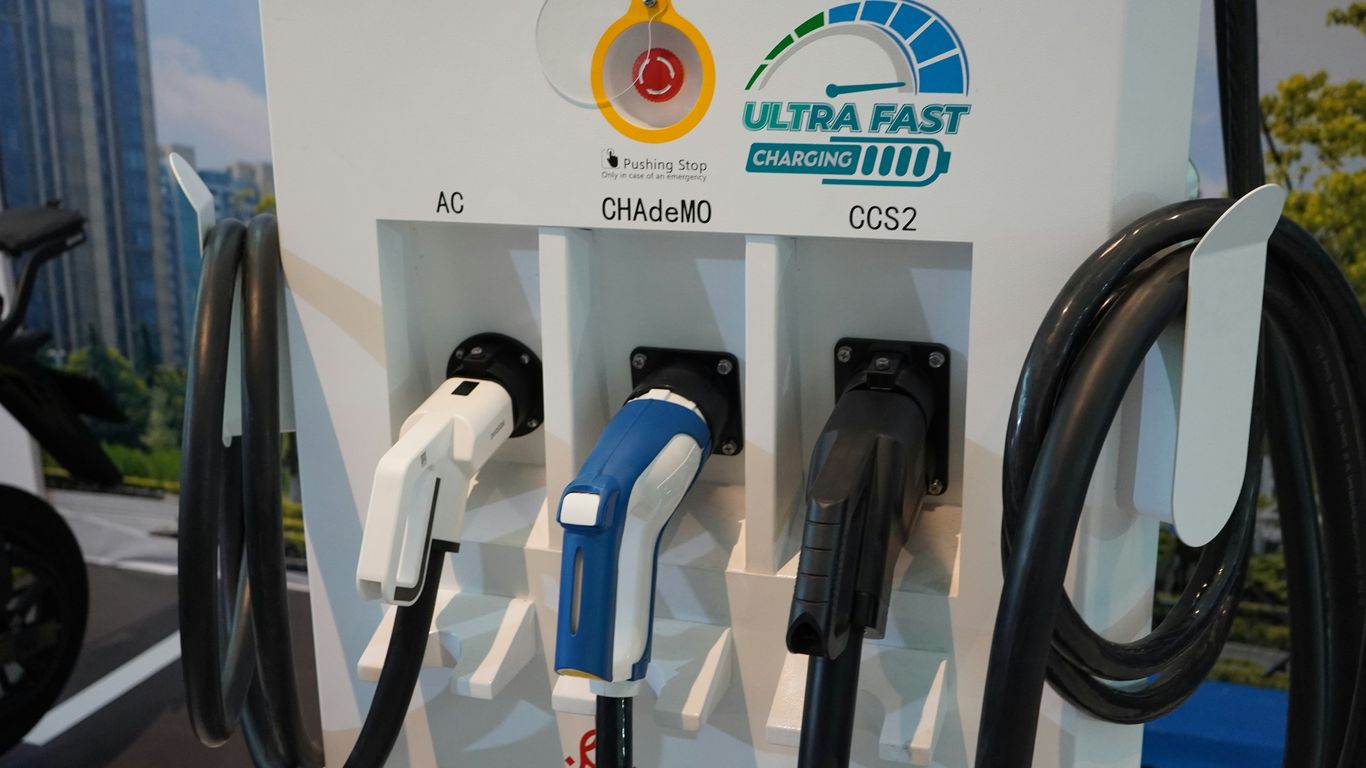
- Types of Chargers: There are different speeds of charging. Level 2 chargers are common for homes and businesses, while DC fast chargers are what you see on highways for quick top-ups. Knowing the difference helps you decide what to offer.
- Installation and Permits: Getting the right permits and having qualified electricians do the installation is super important. Safety first, always.
- Maintenance and Support: Chargers can break. Having a plan for regular check-ups and quick repairs will keep your customers happy and your business running.
It’s a pretty straightforward idea, but getting the details right makes all the difference. With EV sales climbing, this is a solid bet for a business in the coming years.
8. Water Conservation Systems
Water is getting more and more precious, right? So, it makes total sense that businesses focused on saving it are going to be big in 2026. We’re talking about systems that help homes and businesses use less water, which is good for the planet and good for the wallet. Think about things like smart irrigation that only waters when needed, or rainwater harvesting setups that collect water for later use.
There’s a real push for efficiency everywhere, and water is no exception. People are more aware of droughts and water shortages, so they’re actively looking for ways to cut back. This isn’t just a small trend; it’s becoming a necessity for many.
Here are a few areas where water conservation systems are really shining:
- Smart Irrigation: These systems use weather data and soil sensors to water plants precisely when they need it, cutting down on waste significantly.
- Rainwater Harvesting: Collecting rainwater from roofs and other surfaces for use in gardens, toilets, or even for general cleaning.
- Greywater Recycling: Treating and reusing water from sinks, showers, and washing machines for non-potable uses like flushing toilets or irrigation.
- Low-Flow Fixtures: Installing toilets, showerheads, and faucets that use less water without sacrificing performance.
The demand for these solutions is only going to grow as water becomes a more critical resource. Businesses that can offer reliable, easy-to-use water-saving tech are going to find a lot of customers. It’s a smart move for anyone looking to get into a field that’s both profitable and makes a positive impact. You can find more about water trends influencing agriculture at Netafim North America.
9. Virtual Reality Experiences
Virtual reality (VR) is really starting to hit its stride, moving beyond just gaming into some pretty practical applications. Think about training simulations for complex jobs, like surgery or piloting, where mistakes can be costly. VR offers a safe space to practice these skills over and over. It’s also changing how we experience entertainment and even how we shop. Imagine virtually trying on clothes or walking through a new house before you buy it.
The potential for VR to create deeply engaging and memorable experiences is huge.
Here are a few areas where VR businesses are popping up:
- Training and Education: Developing realistic simulations for industries like healthcare, manufacturing, and aviation. This could involve anything from teaching mechanics how to fix an engine to helping surgeons practice a new procedure.
- Entertainment and Gaming: Creating immersive VR arcades or developing unique VR games and experiences that go beyond what traditional consoles can offer.
- Real Estate and Tourism: Allowing potential buyers to tour properties remotely or letting travelers explore destinations virtually before booking a trip.
- Therapy and Wellness: Using VR for exposure therapy to treat phobias or for guided meditation and relaxation experiences.
Companies like Cosm and Xreal are already making waves in this space, showing that there’s real market interest and investment. As the technology gets more affordable and accessible, more businesses will find ways to incorporate VR into their services or create entirely new VR-focused ventures. It’s a field that’s ripe for innovation, especially if you can pinpoint a specific need that VR can uniquely address.
10. Personalized Home Decor
Personalizing your living space isn’t just a trend—it’s becoming a normal, expected part of home life by 2026. People want their homes to actually look and feel like theirs, not just some room straight out of a generic catalog. This shift has opened up real business opportunity for those who can offer one-of-a-kind home decor that reflects each client’s story, taste, or even weird quirks. Offering custom wall art, monogrammed essentials, or digital home design services is proving to be both profitable and engaging.
Why is this happening now? Three big reasons:
- More folks can afford tech that lets you design or preview custom goods before buying them.
- Millennials and Gen Z homeowners—they want everything tailored, from colors to quotes on their pillows.
- Fast shipping and at-home 3D printing mean custom products don’t have to take months or cost a fortune.
Here’s a look at some numbers from recent industry surveys:
| Year | US Custom Home Decor Market (USD Billion) | % Growth from Previous Year |
|---|---|---|
| 2023 | 9.5 | 10% |
| 2024 | 10.4 | 9.5% |
| 2025 | 11.6 | 11.5% |
| 2026 | 13.0 (projected) | 12% |
This area’s not just about artists and craft makers anymore—techies are getting involved too, using software for 3D rendering or working with print-on-demand suppliers. To stand out, focus on:
- Easy online customization tools.
- Rapid, reliable delivery.
- Curated materials (eco-friendly, hypoallergenic, etc.).
Honestly, this field rewards creativity and customer service. People care if their home shows off who they are. In 2026, if you can deliver that, you’re in business.
Wrapping It Up
So, as we look ahead to 2026, it’s pretty clear there are a lot of different ways to build a successful business in the US. Whether you’re into the latest tech, helping people out with services, or creating something totally new, the opportunities are there. It’s not just about jumping on the biggest trend, though. Finding what fits your own skills and what people actually need is key. Think about what you’re good at, what problems you can solve, and then just start putting one foot in front of the other. It might not always be easy, but with a solid plan and a willingness to learn, 2026 could be the year your business idea really takes off.