

Running a small business is tough enough without also having to be a digital marketing whiz. You’ve got products or services you believe in, but getting them in front of the right people online can feel like a whole other job. That’s where a good digital marketing agency for small businesses comes in. They can help you cut through the noise, connect with customers, and actually grow your business. But how do you find the right one? Let’s break it down.
Key Takeaways
- Partnering with a digital marketing agency can provide small businesses with much-needed expertise and save time, allowing owners to focus on their core operations.
- Clearly define your business goals, target audience, and areas for improvement before selecting an agency to ensure a good fit.
- Look for agencies with a proven track record, especially with similar small businesses, and consider how well they communicate and fit with your company culture.
- Top agencies typically manage services like local SEO, paid ads, social media, content creation, and online reputation to boost visibility and engagement.
- Regularly track key performance indicators (KPIs) like website traffic, conversion rates, and return on investment (ROI) to measure success and adjust strategies.
Understanding The Value Of A Digital Marketing Agency For Small Businesses
Running a small business is a juggling act, isn’t it? You’re the chief cook and bottle washer, the sales team, the customer service rep, and probably the one who empties the bins. Trying to get your head around the ever-changing world of online marketing on top of all that? It’s a lot. That’s where bringing in a digital marketing agency can really make a difference.
Why Partnering With An Agency Is Crucial
Think of an agency as an extension of your team, but with a very specific skill set. They live and breathe digital marketing, so you don’t have to. They’ve got the know-how to navigate the complexities of search engines, social media platforms, and online advertising. This means you can get back to focusing on what you do best – running your business. Plus, trying to build an in-house marketing department with all the necessary skills can be incredibly expensive for a small operation. Hiring an agency often works out more cost-effective, giving you access to a range of specialists without the overhead of full-time salaries and training.
Tailored Strategies For Unique Business Goals
No two small businesses are the same, and a good agency knows this. They won’t just slap a generic plan onto your business. Instead, they’ll take the time to really get to know you. What are you trying to achieve? Who are your ideal customers? What makes you different from the competition? They’ll look at all of this and then build a marketing plan that’s specifically designed for you. It’s about making sure the effort put in actually leads to the results you want, whether that’s more people visiting your shop, more online sales, or just getting your name out there more.
Here’s a look at how they approach it:
- Understanding Your Business: They’ll ask questions. Lots of them. About your products, your services, your history, and your future plans.
- Identifying Your Audience: Pinpointing exactly who you’re trying to reach is key. They’ll look at demographics, interests, and online behaviour.
- Market Analysis: They’ll check out what your competitors are doing and identify opportunities for you to stand out.
The digital landscape is always shifting. What worked last year might not work today. An agency stays on top of these changes, so your marketing efforts don’t become outdated.
Driving Tangible Outcomes For Growth
Ultimately, you’re not doing marketing for the fun of it; you’re doing it to grow your business. A digital marketing agency’s main job is to help you achieve measurable results. They’re not just about getting likes on social media; they’re about turning those likes into leads, and those leads into paying customers. They’ll set clear targets and work towards them, keeping you informed along the way about how things are progressing. This focus on real, trackable outcomes is what helps small businesses move forward and achieve sustainable growth in a competitive online world.
Defining Your Digital Marketing Needs

Before you even start looking at agencies, you need to get a handle on what your business actually needs. It’s easy to get swept up in all the digital marketing buzzwords, but a clear understanding of your own goals is the first step to finding the right help. Think of it like going to the doctor; you wouldn’t just say ‘I feel a bit off,’ you’d try to pinpoint the symptoms, right? Same idea here.
Clarifying Your Marketing Objectives
What are you actually trying to achieve? Is it more people walking through your shop door, more online sales, or maybe just getting your name out there in your local area? Be specific. Instead of ‘increase sales,’ aim for something like ‘increase online sales by 15% in the next six months’ or ‘get 20 new customer enquiries per week from local searches.’ Having clear objectives makes it much easier to find an agency that can actually deliver what you’re looking for. It also helps you measure if they’re doing a good job later on. This is a good place to start looking at essential digital marketing strategies.
Identifying Key Areas For Improvement
Where do you think your business is falling short online right now? Maybe your website isn’t showing up when people search for your services, or perhaps your social media posts aren’t getting much attention. It could be that you’re not getting many leads from your website. Think about:
- Website Performance: Are visitors staying on your site, or are they leaving quickly? Are they finding what they need?
- Online Visibility: How easily can potential customers find you when they search online, especially locally?
- Customer Engagement: Are you interacting with your audience on social media or through email?
- Lead Generation: Are you effectively turning website visitors or social media followers into actual paying customers?
Setting Realistic Expectations
It’s great to have big dreams, but it’s also important to be grounded. Digital marketing takes time and effort. You’re unlikely to see massive results overnight. An agency can’t magically make your business successful without a solid product or service to back it up. They work with what you have and build from there.
Remember, an agency is a partner, not a miracle worker. They need your input and cooperation to succeed. Be prepared to invest time and resources, and understand that consistent effort yields the best long-term results.
Think about what you can realistically afford, both in terms of budget and the time you can dedicate to working with the agency. A good agency will help you understand what’s achievable within your constraints.
The Selection Process: Finding The Right Agency
Picking the right digital marketing agency is a big deal for your small business. It’s not just about finding someone who knows their way around social media; it’s about finding a partner who truly gets what you’re trying to achieve. Think of it like hiring a new team member, but one with a whole lot of specialised skills.
Researching Potential Partners
First off, you need to do your homework. Don’t just go with the first name you see. Start by looking at agencies that specifically mention working with small businesses. Check out their websites, see what kind of clients they’ve helped before, and read any testimonials or reviews you can find. Word-of-mouth is gold here, so ask other business owners if they have any recommendations. It’s a good idea to look for agencies that have a clear track record, like those that focus on driving tangible outcomes.
Evaluating Expertise And Portfolio
Once you’ve got a shortlist, it’s time to dig a bit deeper. Look at their past work – their portfolio. Does it show success in the areas you need help with? For example, if you need to boost your local search presence, have they done that for other businesses? It’s also worth seeing if they have case studies that show real numbers and results. Here’s a quick look at what some agencies focus on:
- SEO & Local Visibility: Getting your business found when people search online, especially in your area.
- Paid Advertising: Running ads on platforms like Google or social media to reach new customers.
- Content & Social Media: Creating interesting posts and articles to keep your audience engaged.
- Website Design & Development: Making sure your online shopfront looks good and works well.
Be wary of agencies that promise the moon without a clear plan. A good agency will be upfront about what they can realistically achieve and how they’ll do it.
Considering Cultural Fit And Communication
Beyond the technical stuff, think about how well you’ll actually get along. Does their company culture seem to match yours? You’ll be working closely together, so good communication is key. Ask them about their process for keeping you in the loop. How often will you get updates? Who will be your main point of contact? A transparent agency will make this easy to answer. It’s about building a relationship where you both feel comfortable sharing ideas and feedback. This partnership needs to feel right, not just functional.
Essential Services Offered By Top Agencies
When you’re looking to get your small business noticed online, a good digital marketing agency can really make a difference. They don’t just do one thing; they offer a whole suite of services designed to get you in front of the right people. Think of it like a toolkit, where each tool has a specific job to do to build your online presence.
Local SEO And Online Visibility
For many small businesses, especially those with a physical location or serving a specific area, being found locally is absolutely key. This is where Local Search Engine Optimisation (SEO) comes in. It’s all about making sure your business pops up when someone nearby searches for what you offer. This includes things like optimising your Google Business Profile (formerly Google My Business), getting your business listed in online directories, and encouraging customer reviews. The goal is simple: when someone in your town searches for ‘plumber near me’ or ‘best coffee shop in [your town]’, your business is right there at the top.
- Google Business Profile Optimisation: Making sure your business information is accurate, up-to-date, and appealing.
- Local Citations: Getting your business name, address, and phone number listed consistently across various online directories.
- Review Management: Encouraging satisfied customers to leave reviews and responding to feedback.
- On-Page Localisation: Tailoring website content to include local keywords and information.
Getting your local SEO right means you’re not just visible online; you’re visible to the customers who are most likely to walk through your door or pick up the phone.
Paid Advertising And Social Media Engagement
While SEO works on getting you found organically, paid advertising is about getting immediate attention. This usually means Pay-Per-Click (PPC) ads, like those you see at the top of Google search results, and social media advertising on platforms like Facebook, Instagram, or LinkedIn. Agencies are skilled at creating ads that grab attention, targeting specific demographics, and managing budgets to get the best return on your investment. They also help with social media, not just for ads, but for building a community around your brand, engaging with followers, and sharing valuable content.
Here’s a quick look at what this can involve:
| Service Area | What It Does |
|---|---|
| PPC Advertising | Running ads on search engines (like Google Ads) and social media platforms. |
| Social Media Ads | Creating targeted ad campaigns on platforms like Facebook, Instagram, LinkedIn. |
| Social Media Mgmt. | Posting content, engaging with followers, and building a community online. |
| Ad Copywriting | Crafting compelling text and visuals for ads that encourage clicks. |
Content Creation And Reputation Management
Content is king, as they say, and agencies know how to create content that attracts and informs your target audience. This could be anything from blog posts and website copy to videos and infographics. Good content not only helps with SEO but also positions your business as an authority in its field. Alongside this, reputation management is vital. In today’s connected world, what people say about your business online can have a big impact. Agencies monitor online mentions, manage reviews, and help address any negative feedback constructively, protecting and improving your brand’s image.
- Blog Writing: Creating informative articles that attract readers and improve search rankings.
- Website Copywriting: Developing clear, persuasive text for your website pages.
- Video Production: Producing engaging video content for various platforms.
- Online Review Monitoring: Keeping track of what customers are saying on review sites.
- Crisis Communication: Helping to manage and respond to negative publicity or reviews.
Measuring Success And Key Performance Indicators
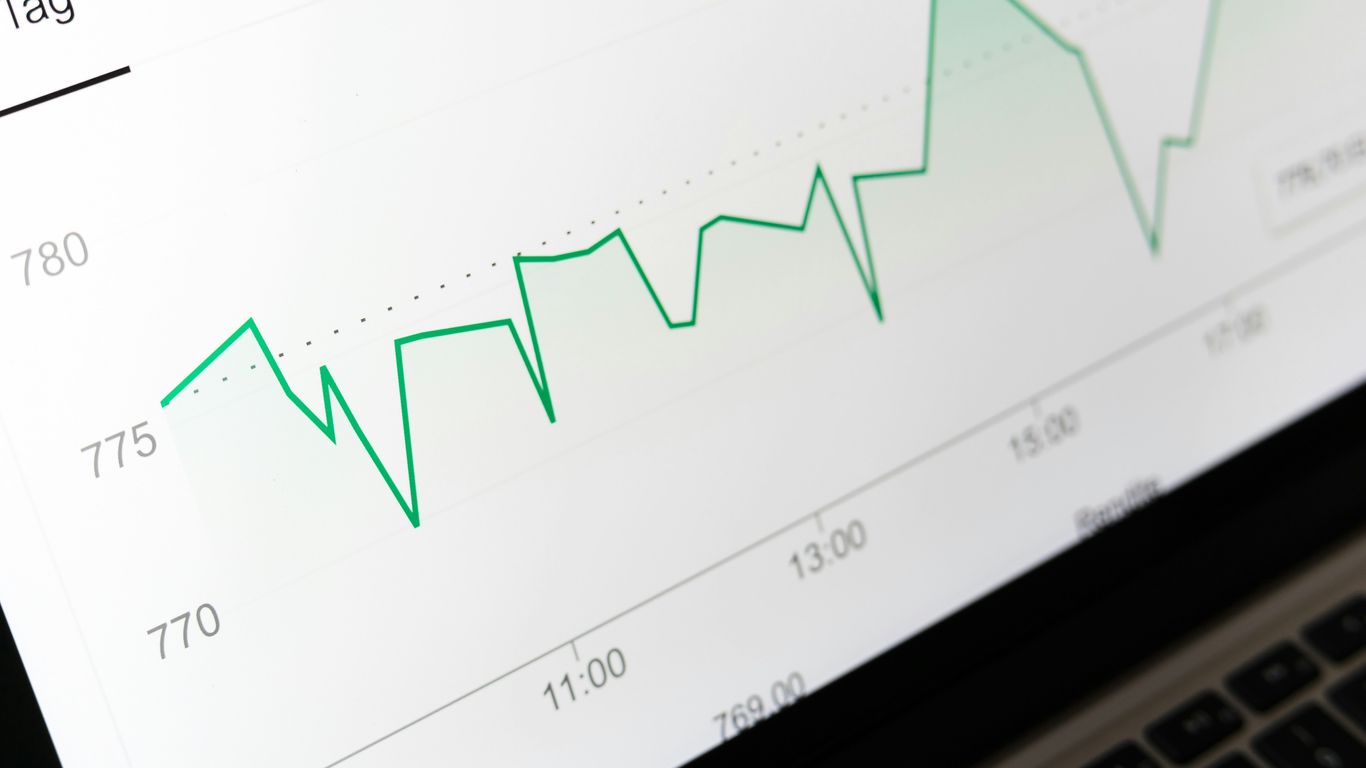
So, you’ve partnered with a digital marketing agency, and they’re busy working their magic. But how do you actually know if it’s all paying off? It’s not enough to just hope for the best; you need to see the numbers. This is where understanding key performance indicators (KPIs) comes in. They’re basically the report card for your marketing efforts, showing you what’s working and what’s not.
Tracking Website Traffic And Conversions
First off, let’s talk about your website. Is it getting more visitors? Where are they coming from? An agency should be able to show you this. They’ll look at things like the total number of people visiting, how long they stay, and which pages they look at. More importantly, they’ll track conversions. This means counting how many visitors actually do what you want them to do – whether that’s buying something, filling out a contact form, or signing up for your newsletter. Without tracking conversions, you’re just guessing if your marketing is actually bringing in business.
Understanding Click-Through Rates And ROI
Beyond just website visits, you’ll want to look at how effective specific campaigns are. Click-through rates (CTR) tell you how many people saw your ad or link and actually clicked on it. A high CTR usually means your message is hitting the mark. But the big one, the ultimate measure for most small businesses, is Return on Investment (ROI). This is where you figure out if the money you’re spending on marketing is bringing back more money. It’s not always straightforward, but a good agency will help you calculate this so you know exactly what you’re getting for your budget.
Here’s a simplified look at how ROI might be calculated:
| Metric | Calculation |
|---|---|
| Marketing Spend | Total cost of campaigns |
| Revenue Generated | Income directly attributed to marketing efforts |
| Return on Investment | (Revenue Generated – Marketing Spend) / Marketing Spend |
Aligning KPIs With Business Goals
It’s easy to get lost in a sea of data, but your KPIs should always tie back to what you want your business to achieve. Are you trying to increase sales by 15% this year? Or maybe boost brand awareness in your local area? Your agency needs to understand these bigger picture goals and select KPIs that directly reflect progress towards them. For instance, if your goal is local growth, metrics like local search rankings and Google My Business engagement become more important than, say, global website traffic. It’s about making sure the marketing activity is actually moving the needle on your business objectives. You can find more information on marketing KPIs to help guide your discussions.
The real value of an agency isn’t just in running campaigns, but in demonstrating how those campaigns contribute to your bottom line. Regular, clear reporting that translates data into business insights is what separates a good partner from a great one.
Navigating Challenges With Your Agency
Understanding Agency Limitations
Working with a digital marketing agency is a partnership, and like any partnership, it’s important to know what each party brings to the table. While agencies are packed with specialists, they aren’t miracle workers. Sometimes, automated systems might handle parts of campaigns, meaning you won’t have absolute control over every tiny detail, like exactly where an advert pops up. It’s good to be aware of these things upfront so you don’t get caught out later. Remember, they’re experts in marketing, not necessarily in the nitty-gritty of your specific business operations, so some level of guidance from your end will always be needed.
Establishing Clear Communication Channels
This is probably the most important bit. If you don’t talk properly, things go wrong. You need to know how and when you’ll hear from your agency. Are they going to send weekly emails? Do you have a dedicated point of contact? Setting this up from the start stops misunderstandings. It’s about making sure everyone’s on the same page, all the time. A good agency will have a clear plan for this, but you need to be ready to give feedback too.
- Schedule regular check-in calls or meetings.
- Agree on reporting formats and frequency.
- Designate a primary contact person on both sides.
Open and honest communication is the bedrock of a successful agency-client relationship. Don’t be afraid to ask questions or voice concerns, no matter how small they might seem. It’s better to clarify something early than let it become a bigger issue down the line.
Adapting Strategies For Evolving Markets
The online world changes faster than you can blink. What worked last month might not work next month. Your agency should be on top of these shifts, but you also play a part. You need to be open to trying new things and tweaking your approach based on what the data is telling you. If a particular campaign isn’t hitting the mark, don’t just stick with it because it was the original plan. The goal is to get results, and that sometimes means changing direction. This is where understanding digital marketing offers many hurdles for businesses becomes really important. Being flexible is key to staying ahead.
Wrapping Up Your Digital Journey
So, finding the right digital marketing agency might seem like a big task, but it really doesn’t have to be. Think of it like finding a good mechanic for your car – you want someone reliable, who knows their stuff, and won’t rip you off. By taking your time, doing a bit of research, and knowing what you need, you can find a partner who genuinely helps your small business grow online. It’s all about getting your message out there, connecting with people, and seeing your business do better. Don’t let the digital world feel overwhelming; with the right help, you can make it work for you.
Frequently Asked Questions
What’s the main benefit of hiring a digital marketing agency for my small business?
Think of an agency as your marketing expert team. They have the know-how and tools to make your business stand out online. This means more people find you, like you, and buy from you, helping your business grow without you having to become a marketing whizz yourself.
How do agencies create marketing plans that actually work for small businesses?
Good agencies don’t use a one-size-fits-all approach. They first get to know your business inside and out – what you sell, who you want to reach, and what you want to achieve. Then, they build a plan using the best online tools, like social media or search engines, specifically for you.
What kind of online marketing stuff do these agencies usually do?
They cover a lot! This includes making sure people find you when they search online (like on Google), running ads on social media and search engines, creating interesting posts and articles, and managing what people say about your business online.
How will I know if the agency is actually helping my business?
They’ll show you the numbers! You’ll get regular updates on things like how many people visit your website, how many become customers, and how much money you’re making from their efforts. This helps you see what’s working and what’s not.
How long until I start seeing good results from working with an agency?
It’s not usually an overnight thing. You might start seeing changes in about a month or two, but real, strong growth often takes a bit longer. It depends on what you’re trying to achieve and the strategies they use. The key is consistent effort and clear communication.
What if my business is really small or only serves a local area?
That’s exactly who many digital marketing agencies are best suited for! They can help you get found by people in your neighbourhood, run ads that only show to local customers, and build a strong reputation in your community. They understand the unique challenges small and local businesses face.