So, 2026 is almost here, and things in the startup world are really heating up, especially for students. It feels like every week there’s some new tech or a fresh idea changing how businesses work. If you’re a student thinking about starting something, or already in the thick of it, you’ve probably noticed how fast everything moves. We’re going to look at what’s happening in the innovation scene, how to get your own student startup off the ground, and what tools and teams you’ll need to make it work. It’s a lot, but it’s also pretty exciting.
Key Takeaways
- Keep an eye on new tech like AI and green solutions, as they’re changing the game for student startups. Also, pay attention to what’s happening globally – it can really affect your business.
- To make your student startup work, you need to find good ideas that people actually want and then test them out a lot before you go all in. Building a business that can last is super important.
- Using modern tech, especially AI, can give your student startup a big boost. But don’t forget about keeping data safe and secure – that’s a must-do.
- Your team is everything. Finding the right people, making sure everyone feels included, and learning how to lead are key parts of making a student startup successful.
- Learning never stops, especially in entrepreneurship. Look into new ways of teaching business, get hands-on experience, and keep picking up new skills even after you graduate.
Navigating the 2026 Innovation Landscape
Alright, let’s talk about what’s happening in the world of new businesses and ideas in 2026. It feels like things are moving faster than ever, right? New tech pops up, the economy does its usual dance, and suddenly, what worked last year might not cut it anymore. It’s a bit like trying to keep up with a fast-moving river – you need to know where the currents are going.
Emerging Trends Redefining Startup Ventures
So, what’s actually changing the game for startups right now? For starters, artificial intelligence isn’t just a buzzword anymore; it’s becoming a core part of how companies are built and how they operate. Think about how AI can help design products, talk to customers, or just make things run smoother behind the scenes. This integration of AI is fundamentally changing what’s possible for even small teams.
Then there’s the whole sustainability push. It’s not just about being "green" for show; it’s about building businesses that can last. This means looking at things like using fewer resources, designing products that can be reused, and generally being more mindful of our planet. Companies that get this right are finding they have a real advantage.
And don’t forget how we work. With better tools for connecting online, teams can be spread all over the globe. This opens up a huge pool of talent and ideas. Plus, new ways of handling information, like blockchain, are making things more open and trustworthy, which is a big deal for building customer confidence.
Economic and Geopolitical Influences on Innovation
Beyond the tech trends, the bigger picture stuff matters a lot. The rules and laws around things like data privacy, how we trade across borders, and digital money are always changing. These shifts can create headaches, sure, but they also open up brand new markets for clever startups.
We’re also seeing changes in how goods are made and moved around the world. This means startups that can be quick on their feet and adjust their plans easily are the ones most likely to do well. It’s all about watching these big economic and political winds and figuring out how to use them to your advantage instead of getting blown off course.
The Dynamic Ecosystem of Startup Opportunities
Looking at the numbers, it’s pretty wild how many new businesses are starting up. The innovation sector, in particular, is seeing a lot of new faces. But, and this is a big "but," a lot of these new ventures don’t make it. The competition is fierce, and the tech landscape changes so fast it can be dizzying.
However, there are places – think major cities with strong support systems – that are like incubators for these new ideas. They offer access to money, skilled people, and other founders to connect with. These "ecosystems" really do help new companies get a better shot at surviving and growing. It’s not just about having a good idea; it’s about being in the right environment to make it happen.
Foundational Strategies for Student Startups
So, you’ve got a killer idea, right? That’s awesome. But turning that spark into a real business in 2026 takes more than just enthusiasm. It’s about getting the basics solid, like building a house – you need a strong foundation before you start adding the fancy stuff.
Identifying High-Potential Opportunities in the Market
First things first, you gotta figure out where the real needs are. It’s not just about what you think people want; it’s about what they actually need and are willing to pay for. We’re talking about looking at what’s changing, what problems people are complaining about, and where current solutions just aren’t cutting it. Think about using data, not just gut feelings. Tools that crunch numbers can show you trends you might miss otherwise. It’s about spotting those gaps before everyone else does. For example, maybe there’s a growing demand for sustainable packaging solutions, or perhaps a niche in personalized online learning tools. The key is to find a problem that’s big enough to matter but specific enough that you can actually solve it.
Rigorous Validation: The Key to Startup Success
Once you think you’ve found a good opportunity, you can’t just run with it. You need to test it out. This means talking to actual potential customers, showing them a basic version of your idea (we call it an MVP, or Minimum Viable Product), and seeing how they react. Do they get it? Do they like it? Would they use it? This feedback loop is super important. It helps you tweak your idea, or even change direction completely, before you’ve spent a ton of time and money. It’s way better to find out your idea needs a serious overhaul when you’ve only built a simple prototype than after you’ve launched a full-blown product. This is where you can really refine your approach, maybe even explore different business plan templates designed for today’s market [464a].
Building Resilient and Sustainable Business Models
Okay, so your idea is validated, and people are actually interested. Now, how do you plan to make money and keep the business going? This is your business model. In 2026, it’s not just about profit. People are looking at how businesses impact the environment and society. So, think about models that are flexible, can grow, and are good for the planet. Subscription services are popular because they bring in steady income. Platform models connect buyers and sellers. And don’t forget about the circular economy – reusing and recycling materials. A business model needs to be able to handle changes, too. The market can shift fast, so your plan needs to be adaptable. You want a model that can weather storms and keep you in business for the long haul.
Leveraging Technology for Startup Advantage
In 2026, if you’re not using technology smartly, you’re probably falling behind. It’s not just about having a website anymore; it’s about how you integrate tools to work faster, smarter, and reach more people. Think of it like this: you wouldn’t try to build a house with just a hammer and nails when there are power tools available, right? The same applies to your startup.
Integrating Advanced Technologies into Your Startup
So, what kind of tech are we talking about? Artificial intelligence (AI) and machine learning (ML) are becoming standard for many businesses. They can help you understand what your customers really want, predict what might happen next, and even automate some of the boring, repetitive tasks that eat up your day. This frees you and your team up to focus on the big ideas and actual innovation.
- AI/ML: Used by about 72% of startups for insights and automation.
- Automation: Adopted by 65% to streamline workflows.
- Cloud Platforms: Essential for 80% of startups for operations and data storage.
Beyond just efficiency, these tools can help you develop products faster and make better decisions based on actual data, not just gut feelings. It’s about building a more responsive and agile business.
AI and Machine Learning for Startup Growth
Let’s dig a bit deeper into AI and ML. These aren’t just buzzwords; they’re practical tools. Imagine a fintech startup using AI to spot fraudulent transactions before they happen, or a health tech company using ML to personalize patient care plans. These technologies can analyze huge amounts of information that would be impossible for humans to process, finding patterns and connections that lead to new opportunities or prevent problems.
- Predictive Analytics: Forecast customer behavior and market trends.
- Personalization: Tailor products and services to individual users.
- Process Optimization: Automate complex tasks and improve efficiency.
The startups that are really moving ahead are the ones using AI to get a clearer picture of their market and their customers. It’s about getting ahead of the curve and anticipating needs before they even arise.
Cybersecurity and Data Privacy Imperatives
Now, with all this tech comes responsibility. As your startup grows and collects more information, protecting that data becomes incredibly important. Customers trust you with their information, and a breach can be devastating for your reputation and your business. Cybersecurity isn’t just an IT issue; it’s a business issue. You need to have solid plans in place to keep data safe and comply with privacy rules.
- Data Encryption: Protect sensitive information from unauthorized access.
- Access Controls: Limit who can see and modify data.
- Regular Audits: Continuously check for vulnerabilities and compliance.
Ignoring this can lead to significant fines and a loss of customer trust, which is hard to win back. It’s better to build security in from the start rather than trying to fix it later.
Cultivating High-Performance Student Startup Teams
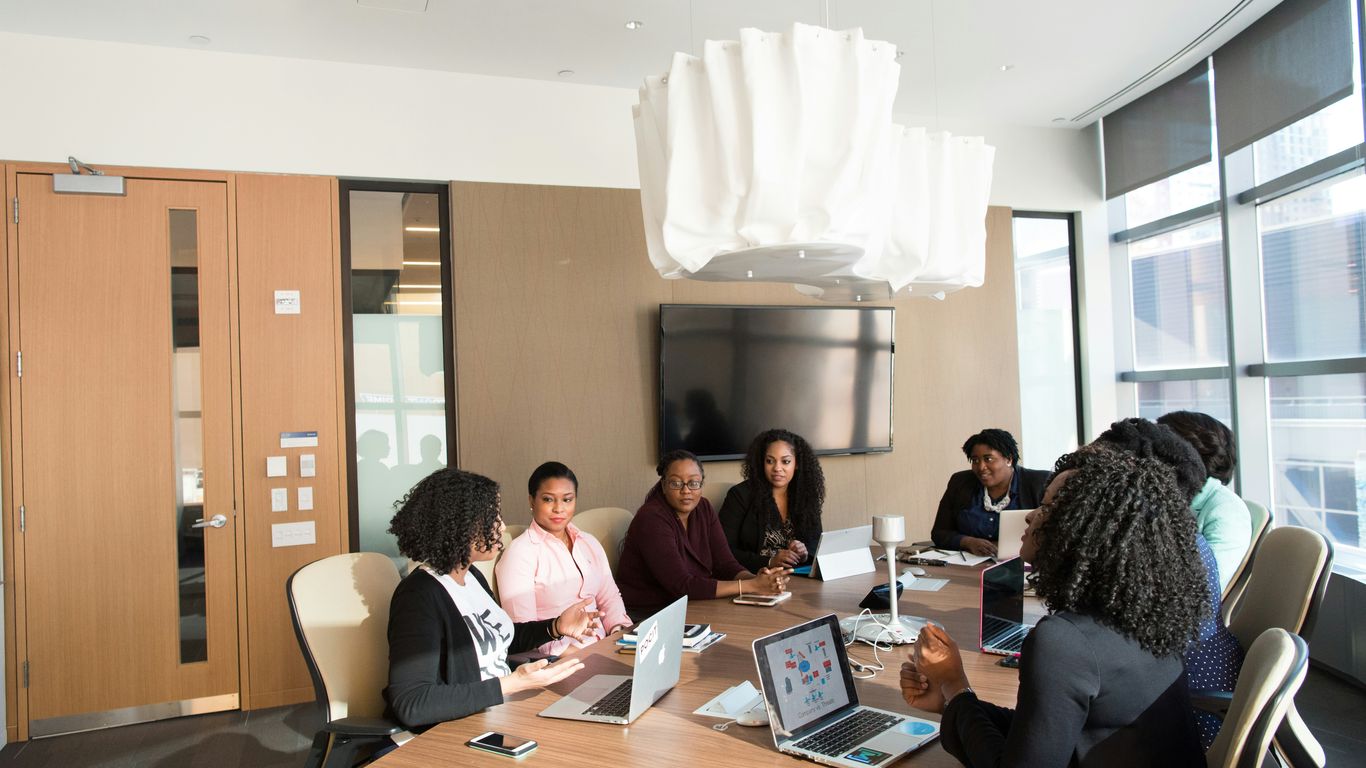
Look, building a great team for your startup isn’t just about finding people who are smart. It’s about putting together a group that clicks, that can handle the ups and downs, and that actually enjoys working together. In 2026, with so many opportunities out there, grabbing the right people is half the battle. You need folks who aren’t afraid to try new things and who can bounce back when something doesn’t work out.
Attracting and Retaining Top Talent in a Competitive Market
Getting good people to join your venture is tough. Everyone wants the best, and that means you’re up against bigger companies, not to mention other startups. So, what makes your idea stand out? It’s not just about the money, though that’s important. People want to feel like they’re part of something meaningful. They want to learn and grow. Think about offering real chances for them to take on new responsibilities and develop their skills. We’re seeing a big shift towards hiring people who can do a bit of everything – tech skills, creative thinking, and business sense all rolled into one. Diverse teams tend to come up with better ideas, too. A recent study showed companies with more varied teams were more profitable. Plus, with more people working remotely or in hybrid setups, you can find talent anywhere. The trick is making sure everyone feels connected and knows what they need to do, even if they’re not in the same room.
Fostering an Inclusive and Innovative Culture
Creating a place where people feel safe to share ideas, even the wild ones, is key. It means not punishing mistakes, but seeing them as chances to learn. When everyone feels included and respected, they’re more likely to contribute their best work. This kind of environment encourages experimentation and helps your team adapt quickly when things change. It’s about building trust and making sure communication flows freely. For example, involving team members in setting project goals from the start can really boost their commitment and sense of ownership. This collaborative approach is key to building a supportive environment where teams can excel. Early engagement makes a big difference.
Leadership Development for Startup Founders
As a founder, you’re the one setting the tone. You need to have a clear vision and be able to inspire your team, especially when things get rocky. Being able to change direction when needed is also a big deal. It’s not just about you, though. You need to help your team members develop their own skills. Providing them with the right tools and training helps them innovate effectively. This means investing in ongoing learning, whether it’s about new technologies or how to lead better. When founders focus on developing their own capabilities and those of their team, the whole startup benefits and is better positioned for success.
The Evolving Role of Education in Entrepreneurship
EdTech Startups Revolutionizing Business Education
Remember when learning about business meant dusty textbooks and long lectures? Yeah, me neither, not really. Things have changed big time by 2026. The way we learn about starting companies and running them is getting a serious upgrade, thanks to a bunch of smart folks building EdTech startups. These companies aren’t just putting old lessons online; they’re creating entirely new ways to get the job done.
Think about it: instead of just reading about market strategy, you can now jump into a virtual simulation. These simulations, often built with VR or AR tech, let you make decisions, see what happens, and learn from mistakes without actually losing real money. It’s like playing a super realistic business video game, but you’re actually learning valuable skills. Some platforms even use AI to tailor the challenges to what you need to work on most. It’s pretty wild how much more hands-on this is compared to just listening to someone talk.
Experiential Learning for Real-World Ventures
This shift towards doing, not just knowing, is a huge deal. Universities and even companies are realizing that just having a degree isn’t enough anymore. You need to show you can actually do things. That’s where these EdTech startups shine. They’re building tools that give students real experience.
Here are a few ways this is happening:
- Immersive Simulations: Like I mentioned, these let you run a virtual company. You’ll deal with everything from product development to customer service, all in a safe digital space.
- Project-Based Learning Platforms: These tools connect students with real business problems, often from actual companies. You work in teams, develop solutions, and present them, getting feedback along the way.
- Micro-Credentials and Skill Badges: Instead of a big, general degree, you can earn smaller certifications for specific skills. This means you can quickly pick up what the job market needs right now, like advanced data analysis or specific AI tools.
The goal is to graduate with a portfolio of proven skills, not just a piece of paper.
Continuous Skill Development Beyond Graduation
And the learning doesn’t stop when you leave school. The business world moves so fast, you’d be lost if you didn’t keep learning. EdTech startups are stepping in here too, offering bite-sized courses and on-demand training. You can learn a new software, understand a new market trend, or brush up on leadership skills whenever you have a spare moment. It’s all about staying relevant. This continuous learning approach means that by 2026, the most successful entrepreneurs will be the ones who never stop adapting and acquiring new knowledge, often through these flexible, accessible digital tools.
Strategic Partnerships and Network Building
Okay, so you’ve got this killer idea, right? But trying to make it big all by yourself is like trying to push a boulder uphill. That’s where building connections comes in. It’s not just about knowing people; it’s about knowing the right people and working together.
The Power of Cross-Industry Collaboration
Think about it. You’re building a cool new app for, say, managing personal finances. But what if you teamed up with a company that makes smart home devices? Suddenly, your app can do more – like adjust your thermostat based on your budget or remind you to turn off lights to save energy. This kind of partnership can open up totally new markets and give you an edge that nobody else has. It’s about finding those unexpected links that make your startup stronger and more interesting to customers. The most innovative ventures in 2026 are those that aren’t afraid to step outside their immediate field.
Nurturing Diverse Networks for Startup Growth
Your network shouldn’t just be people who think exactly like you. You need a mix. That means connecting with:
- Tech wizards: People who can help you build and improve your product.
- Market gurus: Folks who understand how to sell and reach customers.
- Financial wizards: Those who know how to manage money and find funding.
- Industry veterans: People who have been there, done that, and can offer real-world advice.
Going to industry events, joining online communities, or even just reaching out to people on LinkedIn can make a huge difference. It’s about creating a web of support and knowledge that you can tap into whenever you hit a roadblock.
Harnessing AI-Powered Innovation Consulting
Sometimes, you just need an expert opinion, especially when things get complicated. That’s where AI-powered consulting services are becoming a big deal. These services use smart technology to look at market trends, figure out what your competitors are doing, and even suggest new ways to improve your business model. They can help you see opportunities you might have missed and guide you on how to use new tech without getting overwhelmed. It’s like having a super-smart advisor on call, helping you make better decisions faster. For instance, a startup might use such a service to analyze customer feedback data and pinpoint exactly which features to develop next, saving them time and resources.
Looking Ahead: The Ever-Evolving Startup Scene
So, as we wrap up our look at student startups in 2026, it’s pretty clear things aren’t slowing down. We’ve seen how important it is for these young companies to stay on top of new tech like AI and to really think about being good to the planet. Being able to work together, even when people are miles apart, is a big deal too. The world of business is always changing, and startups that can roll with those punches, learn fast, and aren’t afraid to team up with others seem to be the ones doing the best. It’s a wild ride, but seeing these new ideas pop up gives you a good feeling about what’s next.
Frequently Asked Questions
What are the biggest new ideas shaping businesses in 2026?
In 2026, businesses are buzzing with new ideas! Think smart computer programs that help companies work better, ways to be kinder to our planet, and tools that let people work together from anywhere. Also, new ways of handling digital information are popping up, making things more open and trustworthy.
How can I find a good business idea when I’m still in school?
To find a great idea, pay close attention to what people need but can’t easily get. Look at what’s changing in the world, like new technology or how people shop. Talk to lots of people to see what problems they have. Testing your idea with a simple version of your product or service is super important before you go all in.
What’s the best way for student teams to work together?
Great teams are built on trust and everyone feeling included. Encourage sharing ideas, even if they seem a little wild! Make sure everyone knows their role and how they can help the team succeed. Using online tools can help teams stay connected, especially if they’re not all in the same place.
How is school changing to help students start businesses?
Schools are getting much more hands-on! Instead of just reading books, students are using cool technology to practice running businesses, work on projects with classmates from different countries, and learn skills they can use right away. It’s all about learning by doing.
Why is technology like AI so important for new businesses?
Technology, especially AI, is like a superpower for new businesses. It can help you understand what customers want, make your products better, and even do boring tasks automatically. Using these tools can make your business grow much faster and smarter.
Is it hard to find people to join a new business in 2026?
It can be a challenge because many companies want smart people. But, if your business has a cool mission and offers chances to learn and grow, you can attract great talent. Offering flexible work, like working from home sometimes, also helps a lot. Building a team that’s different and includes various backgrounds often leads to the best ideas.