
Getting started on Amazon in 2025 feels like a big deal, right? With so many people shopping there, it’s a great place to start a business. But honestly, figuring out what to sell can be a real headache. This guide is here to help. We’ll break down how to pick the right stuff to sell, whether you’re new to this or have been at it for a while. Finding good products is the first step to making money, and we’ll cover how to look at what people want, find suppliers, and make your listings look good. By the end, you’ll have a better idea of what’s selling and how to get your Amazon business going.
Key Takeaways
- Focus on finding items with good profit margins, as fees and ad costs are going up.
- Look into categories like home goods, health, and electronics, but also less crowded niches.
- Use Amazon’s own data and research tools to see what’s selling and what competitors are doing.
- Consider sourcing unique items like collectibles or products that fit seasonal trends.
- Always check product costs, supplier lead times, and shipping to make sure it’s worth it.
Identifying High-Margin Opportunities for Amazon Sellers
Finding products that actually make you good money on Amazon can feel like a treasure hunt sometimes, right? With all the fees and competition, you can’t just sell anything and expect to do well. You really need to be smart about what you pick. The key is to look for items where the demand is solid, but the number of sellers isn’t completely overwhelming. This way, you can price competitively and still keep a decent chunk of the profit.
Leveraging Amazon’s Data for Profitability
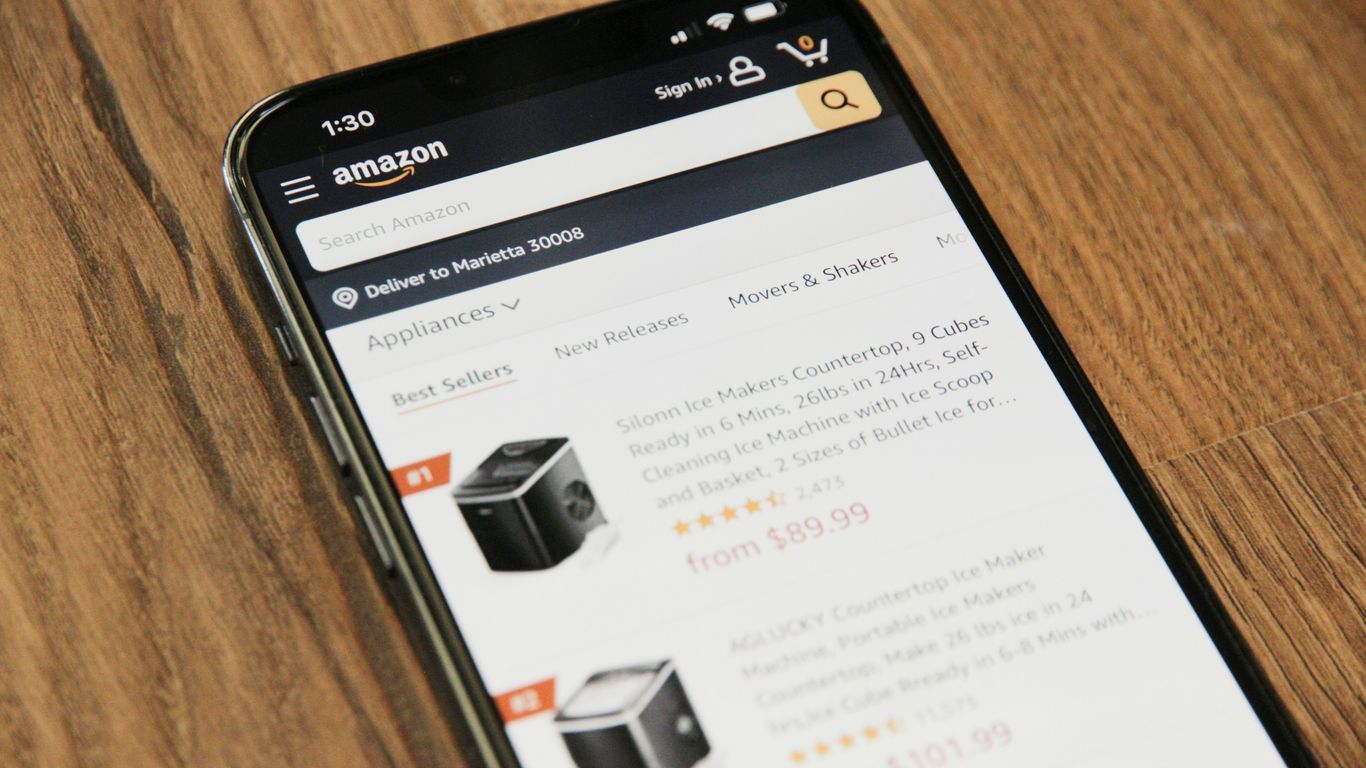
Amazon itself gives us a lot of clues if we know where to look. Think of their ‘Best Sellers’ or ‘New Releases’ lists. These aren’t just random lists; they show what people are actually buying right now. If you see a product category that’s popular but doesn’t have a million sellers with thousands of reviews each, that could be a sweet spot. It means there’s demand, but maybe not everyone has caught on yet. It’s like finding a popular restaurant before it gets super crowded.
Utilizing Advanced Product Research Tools
Beyond Amazon’s own lists, there are some really helpful tools out there. Software like Helium 10 or Jungle Scout can dig much deeper. They can show you estimated sales numbers, how much competition there is, and even give you a rough idea of potential profit margins. You can filter by things like sales volume, review count, and price point. It takes some learning, but these tools can save you a ton of time and prevent you from picking a product that’s doomed from the start.
Analyzing Competitor Success for Niche Identification
Looking at what other sellers are doing successfully is a smart move. Don’t just copy them, but learn from them. If you see a competitor selling a product with good sales but not a crazy amount of reviews, it might mean they’ve found a niche that isn’t totally saturated yet. This could be a product that’s a bit specialized or has a unique selling point. Finding these less obvious, but still popular, items can lead to better profit margins because you’re not fighting in the most crowded marketplaces.
Top Product Categories for Maximum Profit in 2025
Alright, so you’re looking to make some serious cash on Amazon in 2025, right? That’s the goal. While it might seem like a jungle out there with all the products, focusing on the right categories can make a huge difference. Some areas just naturally have more demand and better profit potential. Let’s break down a few of the big hitters.
Home Goods and Kitchen Essentials
This is a classic for a reason. People are always looking to make their homes more comfortable and their kitchens more efficient. Think about it – new gadgets that make cooking easier, or organizers that finally tame that messy pantry. These items often have a good balance of steady demand and decent profit margins.
- Kitchen Gadgets: From fancy air fryers to clever little tools that peel garlic in seconds, people love anything that saves time or makes cooking more fun. Multifunctional items are especially popular.
- Storage Solutions: Whether it’s for the kitchen, closet, or garage, everyone needs help organizing. Think stackable bins, drawer dividers, and wall-mounted organizers.
- Home Decor: Small decorative items, like unique vases or cozy throw blankets, can be big sellers if they tap into current trends.
Health, Wellness, and Personal Care
This market just keeps growing. More and more folks are focused on feeling good, staying healthy, and taking care of themselves. Amazon is a go-to spot for everything from vitamins to workout gear.
- Supplements: Things like vitamins, minerals, and probiotics are always in demand. They often have good profit margins, especially if you can source them well.
- Fitness Accessories: Yoga mats, resistance bands, foam rollers – these are relatively small and light, making them easier to ship and store. Plus, the fitness trend isn’t going anywhere.
- Personal Care Items: Think eco-friendly toothbrushes, natural skincare products, or massage tools. Consumers are looking for quality and often willing to pay a bit more for products that align with their values.
Electronics and Smart Home Devices
This category is always buzzing with new tech. People love making their homes smarter and their lives easier with gadgets. While some electronics can be competitive, there’s always room for innovative products.
- Smart Home Gadgets: Devices that control lights, thermostats, or security systems are becoming more common. Convenience and energy savings are big selling points.
- Computer Accessories: Things like ergonomic mouse pads, portable laptop stands, or high-quality webcams are in demand, especially with so many people working from home.
- Audio Equipment: Good quality headphones, portable Bluetooth speakers, or even simple microphone accessories can do well if they offer good value for the price.
Strategic Sourcing and Market Timing
Finding the right stuff to sell is a big part of making money on Amazon, right? It’s not just about picking something that looks cool. You’ve got to think about where you get it from and when you buy it. This can seriously change how much profit you actually see.
Sourcing Limited-Edition Collectibles
Sometimes, you can make a good chunk of change selling things that aren’t made anymore or are hard to find. Think about old video games, specific action figures, or even certain types of vintage clothing. The trick here is knowing what people will want later. You might buy these items when they’re not super popular, and then, when they become rare, their price goes up. It’s a bit of a gamble, but when it pays off, it really pays off. You have to be careful though, because some things just don’t become valuable over time. It’s a good idea to look at what similar items have sold for in the past to get an idea.
Capitalizing on Seasonal and Trending Products
This is where timing really matters. Some products only sell well at certain times of the year. Christmas decorations, for example, are a no-brainer to buy in January when stores are clearing them out, and then sell them later in the year. The same goes for summer items like pool floats or winter gear. You can often buy these things for much less when they’re out of season. Then there are the trending products. These are things that suddenly become popular, maybe because of a social media trend or a new movie. You have to be quick with these, though. The trend might only last a few weeks or months before everyone else starts selling it and the price drops. It’s like catching a wave – you want to ride it while it’s big.
Here’s a quick look at how seasonality can affect prices:
| Product Type | Peak Season | Off-Season Buy Discount | Potential Profit Boost |
|---|---|---|---|
| Holiday Decorations | Nov-Dec | Jan-Feb (up to 70%) | High |
| Outdoor Gear | Apr-Jun | Sep-Oct (up to 40%) | Medium |
| Fitness Equipment | Jan-Feb | Mar-Apr (up to 30%) | Medium |
Understanding Supplier Lead Times and Logistics
Okay, so you’ve found something great to sell. Now, how do you actually get it? This is where supplier lead times and logistics come in. Lead time is just how long it takes from when you order something until you actually have it in your hands. If you’re ordering from overseas, this can take weeks, sometimes months. You need to plan way ahead, especially if you want to sell seasonal items. Logistics is all about how the product gets from the supplier to you, and then to Amazon’s warehouse. This includes shipping costs, customs fees, and how you’ll store the items before they go to Amazon. Getting this part wrong can mean you miss out on selling opportunities or end up paying way more than you expected. It’s worth spending time to find reliable suppliers who can deliver on time and figuring out the cheapest, fastest way to get your products where they need to be.
Navigating the Competitive Amazon Landscape
Selling on Amazon in 2025 means you’re jumping into a busy marketplace. It’s not just about finding a good product; it’s about figuring out how to stand out when so many others are trying to do the same thing. The competition is fierce, and costs are going up, so you need a smart plan.
Overcoming Rising Platform Fees and Ad Costs
Let’s be real, Amazon’s fees and advertising costs aren’t getting any cheaper. This means the profit you make on each sale can shrink fast if you’re not careful. Sellers in 2025 are feeling the squeeze, and it’s forcing a lot of us to get smarter about what we sell and how we advertise.
- Inventory Selection: You have to pick items that have a good profit margin built-in from the start. Don’t just guess; look at the numbers.
- Ad Spend: Running ads is almost a must, but you need to make sure every dollar you spend brings in more than it costs. Track your campaigns closely.
- Efficiency: Streamlining your operations, from sourcing to shipping, helps cut down on hidden costs that eat into your profits.
Strategies for Less Saturated Market Niches
Finding a spot where there aren’t a million other sellers is a smart move. It’s easier to get noticed and build a customer base. Think about products that are popular but don’t have tons of competition yet. Sometimes, looking at what’s selling well but has fewer reviews can point you to a good opportunity. It’s all about finding that sweet spot. You can do a competitor analysis to see what others are doing well and where there might be gaps.
Optimizing Listings for Maximum Visibility
Once you’ve got your product and your niche, you need to make sure people can actually find it. This is where listing optimization comes in. It’s not just about throwing up a few pictures and a description.
Here’s a quick rundown of what to focus on:
- Keywords: Use the right words that customers are actually searching for. This is key for getting your product seen.
- Images: High-quality photos are a must. They’re the first thing people look at.
- Descriptions: Make them clear, informative, and persuasive. Tell people why they need your product.
- Reviews: Encourage happy customers to leave reviews. Social proof is powerful on Amazon.
Getting your listing right helps you compete better, even when costs are high. It’s about making sure your product gets seen by the right eyes.
Key Product Types Showing Strong Profit Potential
Alright, let’s talk about what’s actually making money on Amazon right now, or at least what looks like it will in 2025. It’s not just about finding any product; it’s about finding the ones that give you a good return without a ton of hassle. We’re looking for items that people need, want, and are willing to pay a decent price for.
Durable Kitchen Cooking Utensils
Think about your own kitchen. What gets used every single day? Probably your spatulas, whisks, and maybe that one favorite spoon. People are spending more time cooking at home, and they want tools that last. We’re not talking about flimsy plastic stuff that melts after a few uses. We’re talking about stainless steel, silicone that can handle heat, and maybe even some nice wooden pieces. These items, when they’re well-made, can command a better price. Plus, they’re usually not too big or heavy, which helps with shipping costs.
- Quality Materials: Look for stainless steel, heat-resistant silicone, and sturdy wood.
- Functionality: Does it do its job well? Is it easy to clean?
- Durability: Can it withstand daily use without breaking or degrading?
The sweet spot here is finding a balance between a good price for the customer and a healthy profit margin for you.
Innovative Storage Solutions
Remember how I mentioned people are spending more time at home? Well, that often means they’re also noticing all the clutter. Storage solutions are huge. This isn’t just about basic plastic bins, though those can sell. Think smarter. We’re talking about things like drawer organizers, wall-mounted shelves that look good, clever ways to store pots and pans, or even specialized organizers for things like makeup or craft supplies. People are willing to pay for solutions that make their living spaces tidier and more functional.
- Space Saving: Products that help maximize small spaces are always popular.
- Aesthetics: Many consumers want storage that looks nice, not just functional.
- Organization: Items that help categorize and keep things neat are in demand.
Safety Products with Consistent Demand
This is a category that, honestly, you don’t want to think about, but people buy them. Fire safety is a big one – think smoke detectors, fire extinguishers for the home, and even those emergency fire blankets you can keep in the kitchen. Then there are general safety items, like first-aid kits, childproofing supplies, or even things like reflective gear for people who walk or bike at night. The good thing about safety items is that the demand doesn’t really go away. People buy them because they offer peace of mind, and they’re often repeat purchases or replacements. These products often have decent profit margins because they address a real need.
Here’s a quick look at potential profit margins for some safety-related items:
| Product Type | Estimated Cost (per unit) | Selling Price (Amazon) | Estimated Profit Margin |
|---|---|---|---|
| Home Fire Blanket | $2.00 | $18.00 | ~45% |
| Basic First-Aid Kit | $4.50 | $25.00 | ~40% |
| Child Safety Locks (10pk) | $3.00 | $20.00 | ~45% |
Essential Tools and Techniques for Product Selection
Picking the right product to sell on Amazon is a big deal, right? It’s not just about finding something cool; it’s about finding something that actually makes money. So, how do you figure out what’s going to be a winner in 2025? It really comes down to using the right methods and tools to check things out.
Analyzing Sales Ranks and Customer Reviews
Looking at sales ranks and what customers are saying is a good starting point. A product’s sales rank tells you how well it’s selling compared to other items in its category. The lower the number, the better it’s selling. But don’t just stop there. You need to read those customer reviews. Are people happy? Are they complaining about the same few things? This feedback can show you where a product is strong and where it’s weak, giving you ideas for improvement or highlighting potential problems to avoid.
- Look for products with a consistent sales rank. This means steady demand, not just a temporary spike.
- Pay attention to reviews mentioning durability, ease of use, and value for money.
- Negative reviews can be a goldmine for understanding what not to do or what features customers are missing.
Keyword Research for Demand Identification
People use keywords when they search for things on Amazon. If you know what terms shoppers are typing into the search bar, you can figure out what they want. Tools can help you see how many people are searching for specific keywords each month. High search volume for relevant keywords is a strong signal of market demand. It’s like getting a peek into the customer’s mind. You want to find keywords that have a good number of searches but aren’t so competitive that you can’t rank for them. This is where tools like Helium 10 or AMZScout come in handy for Amazon product research.
Evaluating Profitability Margins and Costs
Okay, so you’ve found a product with demand. Now, can you actually make money selling it? This is where you crunch the numbers. You need to figure out all the costs involved: the price you pay your supplier, Amazon’s fees (like referral fees and FBA fees), shipping costs, and advertising expenses. Then, you compare that to the price you can sell it for. A good profit margin means you can cover your costs and still have money left over. It’s often recommended to aim for a gross margin of at least 25-30%.
Here’s a quick look at what to consider:
| Cost Component |
|---|
| Product Cost |
| Amazon Referral Fee |
| FBA Fulfillment Fee |
| Shipping to Amazon |
| Advertising Spend |
| Other Overheads |
Don’t forget to factor in potential returns and return shipping costs too. It’s better to be a little conservative with your profit estimates than to be surprised later.
Wrapping It Up
So, that’s the rundown on finding what sells well on Amazon in 2025. It’s not always easy, and things change fast, but by paying attention to what people are actually buying and looking for those sweet spots with good profit, you can definitely make it work. Remember to keep an eye on trends, check out what your competition is doing, and don’t be afraid to try out different things. There are tons of tools and communities out there to help you figure it all out, so you don’t have to go it alone. Good luck out there!
Frequently Asked Questions
What kind of products are likely to sell well on Amazon in 2025?
Products that are popular right now and those that people always need are expected to do great. Think about things like stuff for your home, kitchen gadgets, health and personal care items, and cool electronics. Also, keep an eye on items that are popular for a short time, like holiday decorations or trending toys.
How can I find out which products are the most profitable to sell?
To find out what’s most profitable, you should look at what’s selling a lot on Amazon, check out what’s new and popular, and see what people are writing good reviews about. Using special tools that help you research products can also show you which items have good demand and won’t cost too much to get.
Is it harder to sell on Amazon now than before?
It can be a bit tougher because there are more sellers, and Amazon charges more fees. Also, advertising costs more. But, if you find the right products in less crowded areas and make your product listings really good, you can still do very well.
What are some examples of products that are usually profitable?
Some items that often make good money include kitchen tools that last a long time, clever ways to store things, and safety items that people always need, like fire blankets. These kinds of products are useful and people buy them regularly.
How important is it to think about when I buy and sell products?
It’s super important! Buying things that are rare or collectible can be profitable. Also, selling items that are popular because of a season or a current trend can make you more money. You need to know when to get your products and when to ship them out.
What’s the best way to make my product stand out on Amazon?
To make your product listings grab attention, use clear titles with important words people search for. Use great pictures and describe your product well, highlighting its best features. Using bullet points makes it easy to read, and making sure your listing uses the right keywords helps shoppers find you.