Right, so 2026 is almost here, and frankly, the way brands try to get noticed is changing. Gone are the days when just shouting about your product louder than everyone else worked. Now, it’s all about being clever, jumping on trends, and actually connecting with people. We’ve seen some pretty wild ideas take off, and it looks like the brands that are going to win are the ones that are a bit braver, a bit more creative, and really understand who they’re talking to. This article is going to look at some fresh marketing strategy examples that are actually working, or are set to work, for businesses looking to grow without just throwing money at ads. Think less ‘big bang’ and more ‘smart spark’.
Key Takeaways
- Viral marketing in 2026 is moving beyond just luck; it’s about smart planning to get your brand seen everywhere, making it a big deal quickly. This kind of reach can really change how big a brand gets.
- Being creative is now super important for brands. It’s not just about ads anymore; it’s about making things people want to talk about, using new tech and understanding culture.
- To make a campaign work, you need to know exactly who you’re talking to and what your brand is really about. Then, you can come up with ideas and use tools to make them happen.
- People expect to see your brand everywhere now, so you need to make sure the experience is the same whether they see you online, on social media, or at an event. Working with influencers helps with this.
- Viral marketing isn’t just for selling things to regular people anymore. Even businesses selling to other businesses can use things like short videos to get noticed and explain complicated stuff.
Harnessing Viral Potential for Brand Growth
Understanding Viral Marketing in 2026
Virality isn’t just a happy accident anymore; it’s the currency of modern brand growth. When a campaign catches fire across social platforms, it doesn’t just rack up views; it creates cultural moments that translate into measurable business impact. We’re talking about the kind of exponential reach that turns mid-market brands into household names and gives tier-1 players the competitive edge they need to stay relevant. The math is simple: viral content delivers ROI that traditional advertising can’t touch. A single piece of content that resonates authentically with audiences can generate millions in earned media value, drive unprecedented traffic to ecommerce sites, and create lasting brand affinity that keeps customers coming back. But here’s the thing—viral marketing in 2026 looks radically different from what worked even two years ago. The platforms have evolved, consumer behaviours have shifted, and the cultural landscape demands a more sophisticated approach. Generic “relatable content” won’t cut it. Brands need strategies that tap into emerging trends, leverage new technologies, and speak authentically to diverse audiences. This article breaks down unique strategies for brands ready to dominate viral marketing in 2026. We’ll explore upcoming trends in content creation, experiential marketing, and cultural brand building—with actionable frameworks you can implement immediately. Whether you’re in CPG, ecommerce, or digital-first brand marketing, these aren’t your typical cookie-cutter tactics. Incorporating elements of campus marketing could also be a game changer for brands targeting younger demographics. Moreover, B2B marketing strategies can help businesses build lasting brand equity across complex buyer journeys. Lastly, as we delve deeper into the digital realm, understanding the importance of organic SEO will be crucial for capturing high-intent traffic that converts into revenue.
Strategies for Exponential Reach
To get your brand noticed in 2026, you need to think beyond just posting and hoping. The key is to create content that people want to share. This often means tapping into current conversations or creating something so unique it sparks discussion. Think about challenges that are easy to join but fun to participate in, or content that genuinely makes people laugh or think.
Here are some ways to boost your reach:
- User-Generated Content (UGC) Campaigns: Encourage your audience to create content related to your brand. This could be through challenges, contests, or simply asking for their opinions. When people feel involved, they’re more likely to share.
- Interactive Content: Quizzes, polls, and Q&A sessions can significantly increase engagement. People enjoy participating and seeing their input valued.
- Behind-the-Scenes Glimpses: Showing the human side of your brand, like how products are made or the team at work, can build trust and make your content more relatable.
- Leveraging Trends: Keep an eye on what’s popular on social media and find ways to connect your brand to these trends authentically. This requires quick thinking and creativity.
The comment section isn’t just a feedback box—it’s prime real estate for building community and sparking viral momentum. Brands that treat comments as a two-way conversation rather than a broadcast channel are seeing exponential engagement rates.
Measuring Viral Campaign Impact
So, your content is taking off – that’s great! But how do you know if it’s actually doing anything for your business? It’s not just about likes and shares anymore. You need to look at the bigger picture.
Here’s what to track:
- Engagement Rate: This shows how many people are interacting with your content relative to how many saw it. A higher rate means your content is connecting.
- Website Traffic: Are people clicking through to your site from your viral content? Track referral traffic to see if it’s driving interest.
- Conversions: Ultimately, you want to see if this buzz is leading to sales or sign-ups. Look at conversion rates from traffic that originated from your viral campaigns.
- Brand Mentions & Sentiment: Monitor how often your brand is being talked about and whether the conversations are positive. Tools can help you track this across the web.
| Metric | Mid-Market Brands | Tier-1 Brands | Notes |
|---|---|---|---|
| Engagement Rate | 3-5x Higher | N/A | Compared to traditional one-way content |
| Click-Through Rate | Monitor | Monitor | Initial hook effectiveness |
| Add-to-Carts (ATCs) | Monitor | Monitor | Bridge between interest and intent |
| Brand Recall | 92% (Example) | N/A | Achieved with influencer gifting (Peoples League Golf) |
| Sales Growth | 180% (Example) | N/A | Achieved with influencer gifting (Peoples League Golf) |
The difference between a one-hit wonder and sustained viral growth? Data-driven optimization that turns lucky breaks into repeatable systems. Brands approaching 2026 need to build measurement frameworks that capture the full spectrum of viral campaign performance—from initial spark to long-term brand lift.
Creative Marketing: The Heartbeat of Brand Strategy
In today’s busy world, just shouting about your product isn’t enough. People are bombarded with messages, and frankly, they’ve got better things to do than sift through generic ads. This is where creative marketing steps in, transforming how brands connect. It’s about making something memorable, something that sparks a conversation, and ultimately, something that makes people feel something.
The Evolution from Traditional Advertising
Remember the days of just running a TV advert or a newspaper ad and hoping for the best? That’s pretty much ancient history now. Traditional advertising often felt like a one-way street – the brand talked, and the audience listened (or didn’t). Today, it’s all about interaction. We’ve moved from simply broadcasting messages to crafting experiences. Think about how brands used to just show you a product; now they’re telling a story, building a community, and inviting you to be part of it. This shift means brands need to be more authentic and engaging than ever before.
Pillars of Innovation: Data, Technology, Culture
So, how do you actually do creative marketing that works in 2026? It boils down to a few key areas. Firstly, data isn’t the enemy of creativity; it’s its best friend. Understanding your audience through data helps you know what will actually grab their attention, rather than just guessing. It allows for personalised messages that feel less like an ad and more like a helpful suggestion. Secondly, technology is no longer just a tool; it’s a playground for creativity. From augmented reality experiences to AI-powered content generation, there are new ways to surprise and delight people all the time. Finally, culture is everything. Brands need to be aware of what’s happening in the world, what people care about, and reflect that in their marketing in a genuine way. Ignoring cultural shifts is a sure-fire way to seem out of touch.
Here’s a quick look at how these pillars work together:
- Data-Driven Insights: Using analytics to understand audience behaviour, preferences, and emotional triggers. This helps tailor campaigns for maximum impact.
- Technology as an Enabler: Employing tools like AI, AR, and VR to create interactive and immersive brand experiences.
- Cultural Relevance: Aligning brand messaging and campaigns with current societal values and trends to build authentic connections.
The most effective creative marketing campaigns are those that feel less like a sales pitch and more like a genuine conversation. They understand the audience, speak their language, and offer something of real value, whether it’s entertainment, information, or a sense of belonging.
Achieving Standout Results Through Originality
Originality is the secret sauce. It’s about finding that unique angle that makes your brand unforgettable. This could be anything from a quirky social media campaign that goes viral to an unexpected partnership. For instance, a company might partner with an artist to create a unique product line, or launch a challenge that encourages user-generated content. The goal is to break through the noise and create something that people want to talk about and share. It’s not just about being different for the sake of it; it’s about being different in a way that aligns with your brand and genuinely appeals to your audience. If you’re looking for inspiration on how businesses scale their creative efforts, you might find examples of creative services helpful. This approach helps brands stand out and build a loyal following.
Here’s a simple way to think about measuring success:
| KPI | Metric Example | Tool Used |
|---|---|---|
| Engagement | Shares, comments | Social analytics |
| Brand Awareness | Mentions, reach | Media monitoring |
| Conversions | Sign-ups, purchases | Website analytics |
Ultimately, creative marketing is about being brave, being smart with your resources, and always putting the audience first. It’s a continuous process of experimentation and learning, but when done right, it’s incredibly rewarding.
Actionable Steps for Innovative Campaigns
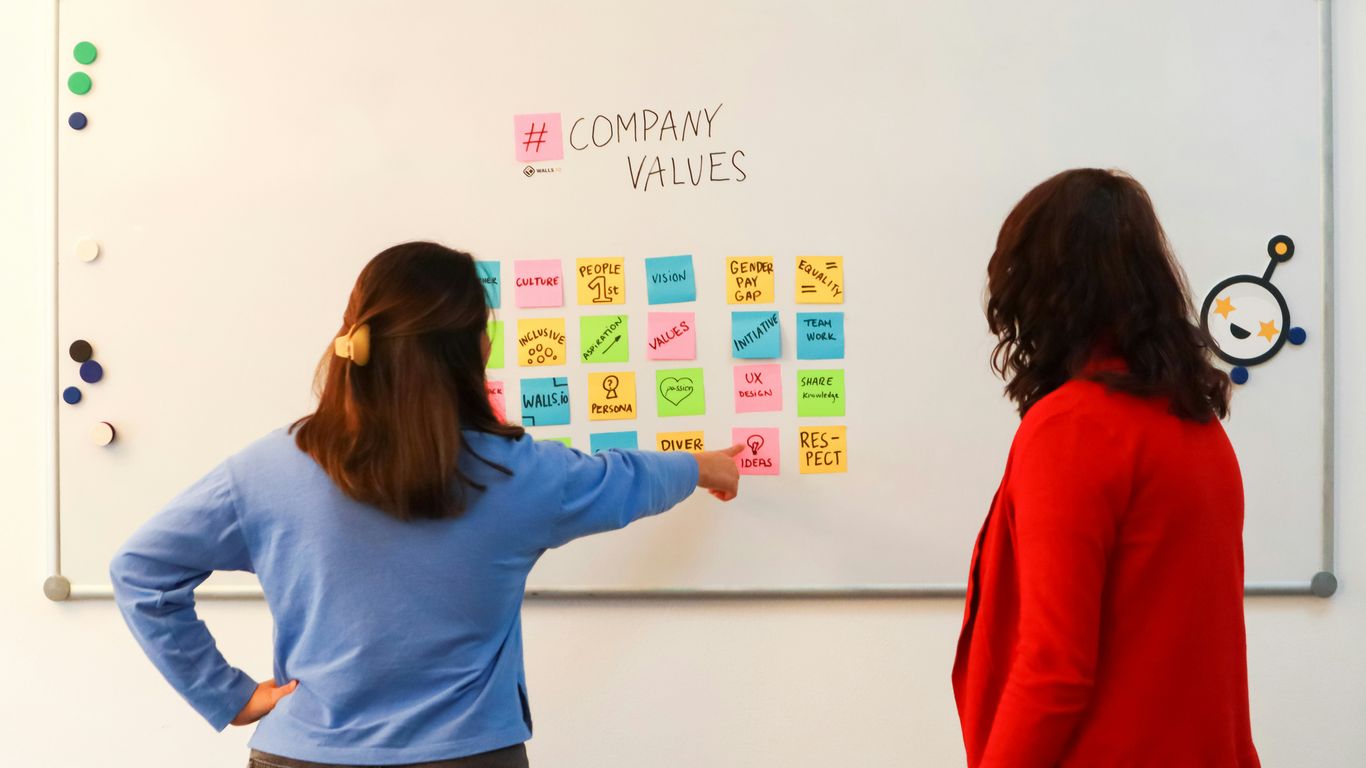
Right then, let’s get down to brass tacks. Coming up with a cracking marketing idea is one thing, but actually making it happen? That’s where the real work starts. In 2026, just having a good concept isn’t enough; you need a solid plan to bring it to life and make sure it actually connects with people. It’s about being organised and thinking things through.
Defining Brand Purpose and Audience
Before you even think about creative ideas, you’ve got to know who you are as a brand and who you’re trying to talk to. What do you stand for? What’s your mission? If you don’t have this sorted, your marketing will feel a bit all over the place. Think about your core values – what’s genuinely important to your business? Then, dig into who your ideal customers are. It’s not just about age and where they live; it’s about what makes them tick, what they care about, and what problems they’re trying to solve. Creating detailed customer profiles, or ‘personas’, helps a lot here. For instance, a sustainable clothing company might find its audience is really passionate about ethical sourcing and fair labour. Tailoring your message to these specific concerns can make a big difference, helping you stand out from the crowd. Purpose-driven marketing, when done right, really does build stronger customer loyalty.
Ideation and Concept Development
Once you’ve got a clear picture of your brand and your audience, it’s time to get those creative juices flowing. This is where you brainstorm those bold, new ideas. It’s a good idea to get people from different parts of the company involved – marketing, design, even product development. Encourage everyone to share their thoughts, even the wild ones. Don’t be afraid to take a few risks; some of the best campaigns come from unexpected places. Looking at what other brands are doing, both in your industry and outside of it, can also spark inspiration. Just remember, the goal is to be original, not just to copy what’s already out there. Sometimes, just mapping out ideas visually can help.
Leveraging Technology and Creative Tools
Technology is a massive help these days for making marketing campaigns happen more smoothly and reaching more people. You need to pick the right tools for designing things, managing your content, and automating parts of your campaign. AI tools, for example, can help you create personalised content for different groups of people and even predict how audiences might react. This frees up your team to focus more on the creative side of things. Think about using platforms that let you create and send out ads quickly across different channels. Programmatic advertising, which uses automated systems to buy ad space, can make sure the right message gets to the right person at the right time. These tools are pretty important for making sure your creative marketing campaigns are informed by data and can change on the fly. For those looking for more in-depth strategies, resources on integrating technology with content creation can be really useful. Remember, though, technology is there to help your creativity, not replace it. The best teams use data and tools as a starting point for new ideas.
Crafting Seamless Multi-Channel Experiences
In 2026, a really good creative marketing campaign needs to feel connected across all the different places people see it. Your message should be consistent, but also adapted for each platform – whether that’s social media, email, a physical event, or even a print ad. Start by thinking about the customer’s journey and where they’ll interact with your brand. Then, tailor your content. Use engaging videos and interactive stuff for social media, maybe podcasts for sharing expertise, and something more tangible for print. It’s about meeting your audience where they are and giving them a good experience no matter how they connect with you.
The key is to make sure that no matter how someone encounters your brand, the experience feels cohesive and true to your brand’s identity. This consistency builds trust and makes your message more memorable.
Here’s a quick look at how you might structure your approach:
- Define Your Core Message: What’s the one thing you want people to take away?
- Map Customer Touchpoints: Identify every place a customer might interact with your brand.
- Tailor Content for Each Channel: Adapt your message and format for platforms like Instagram, TikTok, email newsletters, and even physical pop-ups.
- Integrate Influencer Collaborations: Partner with creators who genuinely align with your brand values to amplify your message authentically.
- Measure and Adapt: Keep an eye on what’s working and be ready to tweak your strategy based on the results. For example, if you’re looking at product effectiveness, considering its material quality and environmental impact can help justify pricing and differentiate your offerings [94ca].
Activating, Optimising, and Iterating
Launching your campaign is just the beginning. You need clear goals and a way to measure if you’re hitting them. Whether you’re aiming for more engagement, sales, or just getting your brand name out there, keep a close watch on your performance using real-time data. Dynamic creative optimisation means you can change your ads or messages on the fly based on what’s happening. For instance, you could update a digital ad to include a trending topic or respond to audience feedback. Continuous improvement is really important. Regularly check your results and make adjustments to your creative work to keep campaigns fresh and effective. This cycle of learning and adapting is what keeps your marketing ahead of the game. The future of creative marketing relies on this agility, allowing brands to respond quickly to changing trends and what audiences want.
Crafting Seamless Multi-Channel Experiences
These days, people don’t just stick to one place to find out about brands. They’re hopping between their phones, laptops, maybe even seeing something on a bus stop. So, your marketing needs to be everywhere they are, and it needs to feel like the same brand, no matter where they bump into you. It’s about making sure the whole journey feels smooth, like a well-rehearsed play.
Integrating Digital, Social, and Experiential Platforms
Think about how someone might discover your brand. Maybe they see a cool ad on Instagram, then search for you on Google, perhaps visit your shop, or even catch a pop-up event. Each of these points needs to connect. It’s not enough to just have a website and a Facebook page anymore. You need to think about how these different bits work together. For example, a social media campaign could drive people to a specific landing page on your website, which then offers a discount code they can use in-store or at an event.
Here’s a quick look at how different platforms can link up:
- Digital: Your website, email newsletters, and online ads. These are often where people go for more detailed information or to make a purchase.
- Social: Platforms like TikTok, Instagram, or X. Great for grabbing attention, showing personality, and building a community.
- Experiential: Think pop-up shops, events, or even clever packaging. These create memorable, real-world interactions.
When these are all singing from the same hymn sheet, your message gets stronger, and people are more likely to remember you.
Personalising Content Across Touchpoints
People expect things to be a bit more tailored to them now. If they’ve bought something from you before, or shown interest in a particular product, they don’t want to see ads for completely random stuff. Using data wisely means you can show them things they’re actually likely to care about. This could be as simple as sending an email with products similar to what they’ve browsed, or showing them social media ads for items they’ve added to their cart but not bought.
The goal is to make each interaction feel relevant and helpful, not intrusive. It’s about showing you understand what your customer wants, even before they might fully realise it themselves.
This kind of personal touch builds trust and makes people feel more connected to your brand. It’s the difference between a generic flyer and a personal recommendation.
The Role of Influencer Partnerships
Influencers, or creators as they’re often called now, can be a massive part of this multi-channel puzzle. But it’s not just about paying someone to hold up your product for a quick post. The most effective partnerships involve creators who genuinely align with your brand’s values and can weave your product or service into their own content in an authentic way. This could mean a series of videos showing how they use your product in their daily life, or a long-term collaboration where they become a recognisable face for your brand. When a creator shares your message with their audience, it feels more like a trusted friend’s recommendation than a paid advertisement. This can drive engagement across all your channels, from social media buzz to website traffic and even event attendance.
Expanding Viral Marketing Beyond Consumer Brands
The idea that viral marketing is just for fizzy drinks and fast fashion? That’s old news, frankly. By 2026, we’re seeing a real shift, with businesses in traditionally ‘dry’ sectors like manufacturing and B2B services discovering they can absolutely get in on the viral action. It turns out, people are just as interested in how a complex piece of machinery works as they are in the latest trainers, if you present it right.
B2B Viral Marketing Examples
Forget stuffy corporate videos. The new wave of B2B marketing is all about making the complex engaging. Think about LC Signs, a company that makes commercial signs. They started posting short videos on TikTok showing their CNC routers at work, carving out intricate designs. They paired it with trending music, and boom – one video got 12 million views. This wasn’t just a fluke; it brought in enquiries from businesses all over the world. It proves that even industrial processes can be surprisingly entertaining and shareable.
Short-Form Video for Industrial Sectors
So, how do you make industrial stuff go viral? It’s about breaking down complicated processes into bite-sized, visually interesting chunks. For manufacturing equipment suppliers or logistics firms, this could mean showing the precision of a robotic arm, the speed of a conveyor belt system, or even the journey of a package. The key is to make it visually compelling and, where appropriate, inject a bit of humour or personality. It’s about showing the ‘how’ in a way that’s easy to digest and share.
Demystifying Complex Processes Through Content
Ultimately, the goal is to make the unfamiliar familiar and the complex understandable. When potential clients see how something is made or how a service works in a clear, engaging way, it builds trust. It’s not just about getting views; it’s about educating your audience and positioning your brand as an expert. This approach can lead to genuine interest and qualified leads, something that traditional advertising often struggles to achieve in these sectors.
The assumption that viral marketing only works for consumer brands is officially dead. B2B viral marketing examples are rewriting the rulebook, proving that even industrial manufacturers and service providers can harness short-form video marketing to reach global audiences.
The Power of Scarcity and Urgency Cues

Moving Beyond Limited Time Offers
Forget those tired old ‘sale ends Sunday’ messages. In 2026, savvy brands are getting much smarter about how they use scarcity. It’s not just about slapping a discount on something for a few days anymore. We’re talking about creating genuine excitement and a feeling that something special is only available for a very short, specific window. Think less ‘buy now or miss out’ and more ‘you’re in on a secret, but only for a moment’. This approach feels more exclusive and less like a hard sell, which people are starting to see right through.
Creating Exclusive Access Opportunities
This is where things get interesting. Instead of just a price cut, brands are offering access. Maybe it’s early bird tickets to an event, a sneak peek at a new product before anyone else, or even a chance to join a private online community. These aren’t things you can just buy off the shelf. They require a bit of effort or timing, making them feel more rewarding. For instance, a fashion brand might announce a limited run of a unique item, available only to newsletter subscribers for 24 hours. Or a tech company could offer beta access to a new feature to the first 500 people who sign up via a specific social media post. It’s about making people feel like they’re part of an in-group.
Driving Conversions with Curiosity Hooks
People are naturally curious. We want to know what we don’t know. Brands are tapping into this by creating ‘curiosity hooks’. This could be a video that starts with a mysterious question, a product description that hints at amazing benefits without revealing everything, or a social media campaign that teases a big announcement. The goal is to make people stop scrolling and think, ‘What is this all about?’ and then feel compelled to find out more. This often leads them down the path to purchase. For example, a food company might release a short video series called ‘The Secret Ingredient’, showing glimpses of exotic spices and preparation methods without ever fully showing the final dish. This kind of content can generate huge buzz and get people talking, wanting to be the first to discover the answer. It’s a clever way to get people invested before they even consider buying, and it’s proving very effective for driving sales.
The key is to make the scarcity feel earned and the curiosity genuine. When done right, it taps into primal instincts, making people feel like they’re discovering something rather than being sold to. This psychological nudge can be incredibly powerful in encouraging action.
Multicultural Representation in Viral Strategies
Right then, let’s talk about making sure everyone feels seen in your marketing efforts. It’s not just about ticking boxes; it’s about genuinely connecting with a wider audience. In 2026, ignoring the diverse tapestry of consumers is a sure-fire way to miss out on some serious growth. We’re seeing a massive shift, and brands that get this right are the ones that will really stand out.
The Rising Buying Power of Hispanic Consumers
It’s pretty clear that the Hispanic consumer market is not just growing, it’s becoming a powerhouse. By 2026, their spending power is projected to hit a staggering $2.8 trillion. That’s a huge chunk of change, and frankly, brands can’t afford to overlook it. Simply put, ignoring this demographic is leaving money on the table.
Here’s a quick look at the projected spending power:
| Demographic Group | Projected Buying Power (2026) |
|---|---|
| Hispanic Consumers | $2.8 Trillion |
This isn’t just about numbers, though. It’s about understanding that this group has unique cultural nuances, traditions, and preferences. Marketing that speaks directly to these aspects, rather than using a one-size-fits-all approach, is far more effective. Think about how important family, food, and cultural celebrations are. Campaigns that weave these elements in authentically are the ones that build real connections.
Authentic Creator Partnerships
When it comes to reaching these diverse audiences, working with the right people is key. Forget generic stock photos or broad, sweeping statements. We’re talking about partnering with creators who genuinely understand and belong to the communities you want to reach. This means looking beyond just follower counts and focusing on authenticity and cultural relevance.
- Micro-regional specificity: The Hispanic market isn’t monolithic. There are distinct differences between Mexican-American, Puerto Rican, Dominican, and other communities. Partnering with creators who grasp these micro-cultural details – the specific slang, the regional humour, the unique family traditions – makes a huge difference.
- Storytelling: Encourage creators to share real stories about how your product fits into their lives. This could be anything from a quick recipe using your food product to a demonstration of how your service simplifies a daily task for their family.
- Long-term relationships: Building ongoing partnerships with creators can be more impactful than one-off campaigns. It shows a sustained commitment and allows for deeper integration of your brand into their content in a way that feels natural.
The goal is to move beyond superficial representation and build genuine trust. When a creator authentically incorporates your brand into their lifestyle, it feels less like an advertisement and more like a recommendation from a friend. This kind of endorsement is gold.
Building Trust Through Cultural Resonance
Ultimately, it all comes down to trust. In a world saturated with marketing messages, consumers are looking for brands that understand them, respect their background, and reflect their values. Multicultural representation isn’t just a trend; it’s a fundamental aspect of building lasting relationships. Brands that invest in understanding and celebrating cultural diversity will find themselves not only going viral but also building a loyal customer base that sticks around. It’s about making people feel like they’re part of the conversation, not just an audience to be sold to. This approach helps to engage with your target audience in a more meaningful way.
Wrapping Up: Your Next Steps for 2026
So, that’s a look at some of the fresh marketing ideas for 2026. It’s pretty clear that just doing the same old thing isn’t going to cut it anymore. The digital world moves fast, and what worked last year might be old news tomorrow. Whether you’re a big company or a smaller one, thinking creatively and using new tools is key. It’s about being smart with your data, but also letting your imagination run wild. Don’t be afraid to try new things, especially with video and connecting with people in real ways. The goal is to be memorable and build something lasting. The examples we’ve covered show that with a bit of planning and a willingness to experiment, you can really make your brand stand out and grow. It’s time to put these ideas into action and make 2026 a big year for your marketing.
Frequently Asked Questions
What exactly is viral marketing and why is it a big deal for brands in 2026?
Viral marketing is all about creating content that people want to share like crazy online. Think of it like a digital wildfire! In 2026, it’s super important because it gets your brand seen by tons of people really fast, helping you grow way quicker than old-school ads. It’s how smaller brands can become famous and how big brands stay on top.
Can you give me some examples of cool viral campaigns from 2026 that used culture well?
Totally! The best campaigns in 2026 mixed humour, realness, and showed different cultures. Some were big and flashy, others were small but hit home because they felt like what people were actually talking about or cared about. They show us new ways to make content that spreads like wildfire.
What are some smart viral marketing ideas for brands, big or small, in 2026?
Brands should try making funny, real short videos that show off their products. It’s also smart to include people from different backgrounds, especially Hispanic creators, since they’re spending more money. Making series with people who stick around as friends of the brand, using smart computer tools to catch trending moments, talking about saving money, and making people curious or feel like they might miss out are all great moves. Oh, and don’t forget trying this stuff in business-to-business markets too!
How can brands make short videos that get people hooked and buy stuff in 2026?
Make your short videos funny and real, showing how your product works in a way people can relate to. Add things like polls or links to buy directly in the video to make it easier for people to shop. Also, keep an eye on what’s popular on apps like TikTok in 2026 – jumping on those trends can get more people watching and clicking ‘buy’.
Why is showing different cultures important in viral marketing for 2026?
It’s really important because lots of different groups, especially Hispanic consumers, have a lot of buying power – they’ll be spending trillions by 2026! When you show these cultures in a real way, especially by working with creators from those communities, people trust you more. It makes your brand feel connected and helps you reach more people.
How can brands create a feeling of urgency or exclusivity to get people to act?
Instead of just saying ‘limited time offer,’ brands are getting clever. They might say something like, ‘This deal is only for people watching this video right now!’ or ‘The first 100 people to comment get special access.’ This makes people feel like they’re getting something special and unique, not just being pushed to buy.