
Running a business is tough, and getting noticed can feel like an uphill battle. You’ve got a great product or service, but how do you get people to actually see it? That’s where smart marketing comes in. We’ve looked at a bunch of marketing examples out there, from funny videos that went viral to clever emails that get people clicking. The goal is to share some ideas that might spark something for your own business growth. Think of these as jumping-off points, not strict rules. We’ll go over some campaigns that really caught people’s attention and hopefully give you some inspiration.
Key Takeaways
- Viral marketing campaigns, like Dollar Shave Club’s video or Duolingo’s TikTok presence, show that creativity and understanding your audience can lead to massive attention, often without huge budgets.
- Content is king, and businesses like NOOMA and Griliai.lt use blogs and content hubs to educate and engage their target audiences, building trust and driving traffic.
- Social media is a powerful tool for brand growth; understanding where your audience hangs out and tailoring content to each platform is key, and it’s also becoming a go-to for customer support.
- Email marketing remains a strong channel for direct outreach, with examples like RêveBoutique and Sklar Furnishings demonstrating success through targeted campaigns and high-performing sequences.
- Referral programs can significantly lower customer acquisition costs and bring in high-quality leads, as they tap into the trust people have in recommendations from friends and family.
Viral Marketing Campaigns That Captured Attention
Sometimes, a marketing idea just takes off. It’s like a spark that catches fire, spreading like wildfire across the internet. These viral campaigns don’t just get noticed; they become part of the conversation. They’re the ones people share with friends, talk about at work, and remember long after the initial buzz fades.
Dollar Shave Club’s Budget-Friendly Viral Video
Remember when Dollar Shave Club burst onto the scene? They didn’t have a massive advertising budget, not by a long shot. What they had was a brilliant, low-budget video featuring their founder, Michael Dubin. It was funny, a little bit cheeky, and explained their service in a way that was totally relatable. The video’s raw humor and direct approach cut through the noise of established brands. It showed that you don’t need millions to make a splash; you need a great idea and the guts to put it out there. This approach helped them grab a huge chunk of the online razor market, proving that clever content can be incredibly powerful.
Duolingo’s Mascot Takes Over TikTok
Duolingo, the language learning app, found a unique way to connect with a younger audience: their owl mascot, Duo. They started posting videos of Duo in all sorts of funny, unexpected situations on TikTok. It was playful, a bit weird, and totally native to the platform. This strategy paid off big time. Their TikTok account exploded, racking up millions of followers and billions of views. It’s a great example of how brands can use humor and platform-specific content to become incredibly popular, even becoming a bit of a meme themselves. It shows that being present and playful where your audience hangs out can really make a difference.
Airbnb’s Persistence Through Content and Email
Airbnb’s journey to becoming a household name wasn’t an overnight success. They really doubled down on content and email marketing to get people interested. They sent emails suggesting places to stay based on what people had searched for, even adding location ideas to get people dreaming about their next trip. This persistent, personalized approach helped build their brand. They didn’t just rely on one big splash; they kept engaging with potential travelers through helpful content and targeted emails. This consistent effort is what helped them grow from renting air mattresses to offering millions of listings worldwide. It’s a good reminder that consistent, audience-focused communication can build lasting success, much like the strategies discussed in analyzing viral marketing campaigns.
Key takeaways from these viral successes include:
- Authenticity: Being real and relatable often beats slick production.
- Platform Native Content: Understanding where you’re posting and tailoring your message accordingly.
- Humor and Personality: Don’t be afraid to show your brand’s fun side.
- Persistence: Consistent effort, especially through email and content, builds trust and recognition.
Content-Driven Strategies for Audience Engagement
So, you’ve got a great product or service, but how do you get people to actually pay attention? It’s not just about shouting from the rooftops anymore. You need to give people a reason to stick around, to come back for more. That’s where content really shines. Think of it as building a relationship, not just making a sale.
NOOMA’s Informative Blog for Health-Conscious Consumers
NOOMA, a drink company, does a fantastic job with its blog. Instead of just talking about their drinks, they focus on what their customers care about: health and fitness. They put out articles about healthy eating, workout tips, and general wellness. This approach positions them as more than just a beverage brand; they become a go-to resource for a healthy lifestyle. It’s smart because when people are looking for information related to their health goals, they’ll find NOOMA, and that naturally leads them to consider the drinks. It’s a way to attract people who are already interested in what NOOMA stands for.
Griliai.lt’s Content Hub for Grilling Enthusiasts
Griliai.lt, an online store selling grills and accessories, created a whole section on their site dedicated to grilling. They have recipes, guides on how to choose the right grill, maintenance tips, and even articles about different types of wood for smoking. This isn’t just selling stuff; it’s about building a community around the love of grilling. People looking for the perfect steak recipe or advice on setting up their smoker will find Griliai.lt. They’ve essentially become the friendly expert in the backyard barbecue space. This kind of content hub attracts people who are passionate about grilling, making them more likely to buy from a place that clearly shares their enthusiasm. It’s a great example of how to build a community around a niche interest.
Pinpaper Press’s Educational Pre-Launch Website
Before Pinpaper Press even launched their stationery products, they built a website focused on educating people about paper types, printing techniques, and design principles. They shared articles, infographics, and even downloadable guides. This was a clever way to generate buzz and attract an audience interested in high-quality paper goods before they had anything to sell. By providing useful information upfront, they built anticipation and trust. When it was time to launch, they already had a group of people who understood and appreciated the value of what they were offering. It’s a solid strategy for any new business looking to make a splash.
Leveraging Social Media for Brand Growth
Social media is a huge part of how people find and interact with brands today. It’s not just about posting pretty pictures anymore; it’s a dynamic space where customers expect to connect, learn, and even get support. Think of it as your brand’s digital storefront and community center all rolled into one.
Understanding Your Audience on Social Platforms
Before you even think about posting, you really need to know who you’re talking to. Where do they hang out online? What kind of stuff do they like to see? Trying to be everywhere and talk to everyone usually just ends up with you talking to no one. It’s like trying to have a conversation in a crowded room by shouting random facts – nobody really tunes in. You’ve got to figure out which platforms your ideal customers actually use. Are they scrolling through TikTok for quick entertainment, looking for professional advice on LinkedIn, or getting inspiration on Instagram? Knowing this helps you focus your energy where it counts. A good way to start is by looking at your current customer base and seeing where they’re active online. You can also use analytics tools to get a better picture of who’s engaging with your content already. The more you understand your audience, the better you can tailor your message.
Tailoring Content for Native Channel Performance
Once you know your audience and where they are, the next step is making sure your content fits the platform. What works on TikTok, with its fast-paced, short-form videos, probably won’t fly on LinkedIn, which is more for professional discussions and longer-form content. You wouldn’t wear a swimsuit to a business meeting, right? Same idea applies here. You need to create content that feels natural to each channel. This means thinking about:
- Format: Short videos, carousels, text posts, live streams?
- Tone: Casual and fun, or more serious and informative?
- Topics: What’s relevant and interesting to users on that specific platform?
For example, a quick how-to video showing a product in action might be perfect for Instagram Reels, while a detailed customer success story could be a great fit for a blog post that you then share snippets of on Twitter. Repurposing content is smart, but just copying and pasting won’t cut it. You need to adapt it. This approach helps your content get seen and appreciated by the people who use that platform regularly. It’s all about speaking their language.
Utilizing Social Media for Customer Support and Discovery
Social media isn’t just a place to broadcast your message; it’s also a vital channel for customer service and discovery. People increasingly use platforms like Twitter and Facebook to ask questions, report issues, or even just praise a brand. Being responsive and helpful here can turn a potentially negative experience into a positive one, building loyalty. Think about it: if you have a quick question, are you more likely to call a support line or send a tweet? For many, it’s the latter. This is also where new customers often find you. They might see a friend’s post, a sponsored ad, or a recommendation. Making it easy for them to find information about your products or services, and even see how you interact with other customers, can be a big draw. Sharing case studies [f451] on social media can show potential customers what you’re capable of. Being present, helpful, and engaging on social media helps you build relationships, solve problems, and attract new business, all at the same time.
Email Marketing for Targeted Outreach
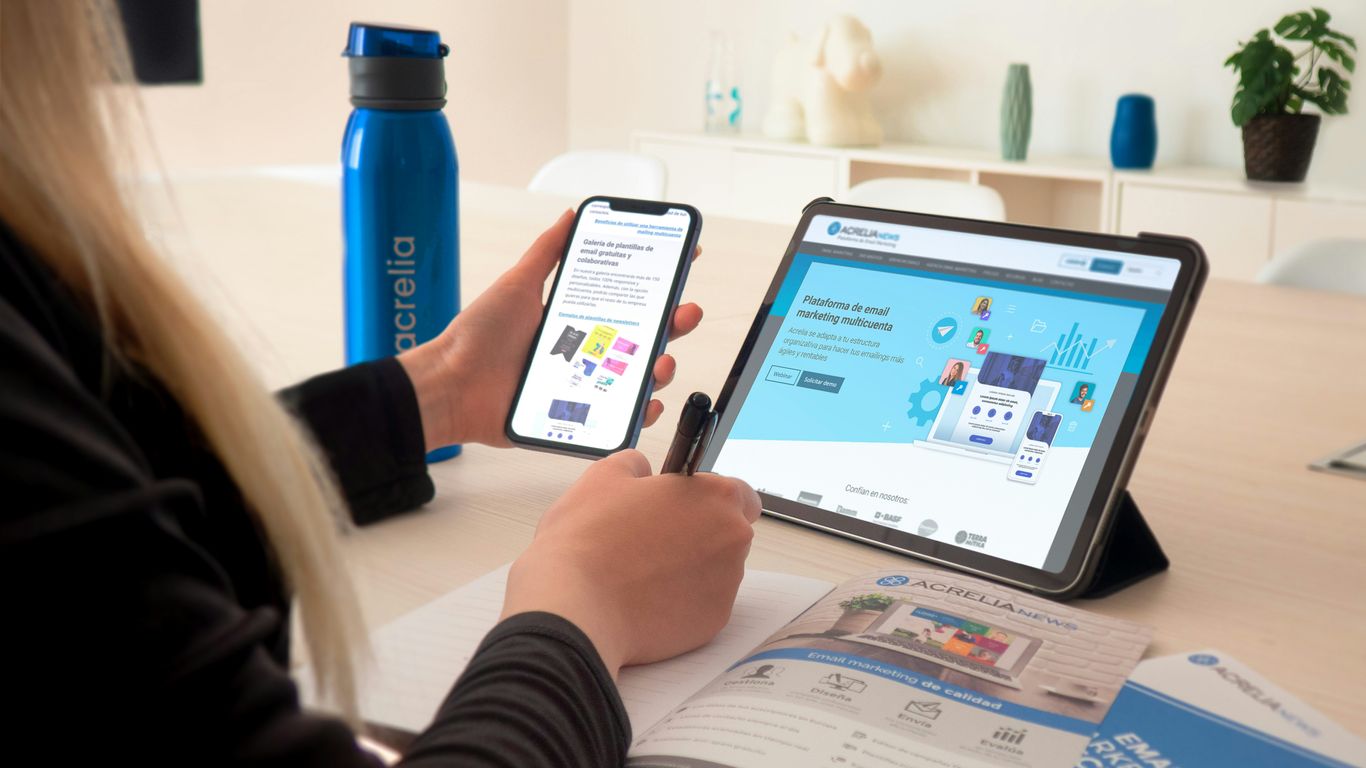
Email marketing is still a really solid way to connect with people and get them interested in what you offer. In 2026, with ads getting more expensive and privacy rules getting tighter, having your own way to talk to customers, like email, is super important. To make email work well, you need a list of people who actually want to hear from you, a clear reason for them to stay subscribed, and ways to send different messages to different groups. Plus, you’ve got to keep an eye on what’s working and tweak things.
RêveBoutique’s Holiday Campaign Across Channels
Fashion brands often try to make their online presence feel connected. For RêveBoutique, a brand known for its glamorous dresses, a holiday campaign needed to match that vibe. They used a black and gold theme, inspired by magazines like Vogue, for their graphics and images. This look was then used across their website, social media posts, and in their email marketing. The idea was to create a consistent, high-end feel for the holidays, making sure customers saw the same stylish message everywhere they looked.
Sklar Furnishings’ High-Performing Email Sequences
Sklar Furnishings, a furniture store, wanted to reach a wider audience for a warehouse sale. They sent out two emails: a "save-the-date" that got over 25% opens and a 23% click-through rate, and a follow-up that did even better with 32% opens and a 26% click-through rate. These emails directed people to special pages on their website. This targeted approach helped them get a lot of leads. They also used other methods like Google Ads and social media, but the email part really stood out for its great results.
Goat Tape’s Wholesale Order Generation Strategy
Goat Tape wanted to get more businesses to order their tape in bulk. They set up email campaigns that sent people to a specific page. When someone filled out a form on that page, they got an email with a marketing package explaining why Goat Tape is a good choice. If a business was interested in custom tape, there was a special process to make it easy for them to ask about it. This made things much smoother and helped Goat Tape get more wholesale inquiries.
Email marketing, when done right, can be a powerful tool for building relationships and driving sales. It’s not just about sending out promotions; it’s about providing value and guiding your audience toward a decision that benefits them and your business. Here are some key elements to consider:
- Building Your List: Make it easy for people to sign up on your website, blog, or social media. Offer something in return, like a discount or a helpful guide.
- Smart Segmentation: Don’t send the same email to everyone. Group your subscribers based on what they like or how they’ve interacted with your brand. This makes your messages more relevant.
- Automated Workflows: Set up emails that send automatically. Think welcome messages for new subscribers, follow-ups after a purchase, or re-engagement emails for people who haven’t opened your messages in a while.
- Clear Calls to Action: Every email should tell the reader what to do next, whether it’s visiting a page, downloading a resource, or replying to the email.
- Testing and Improving: Try different subject lines, send times, and content to see what gets the best response. Use the data to make your emails even better over time.
The Power of Video in Modern Marketing
Let’s be honest, scrolling through endless text can get pretty tiring. That’s where video swoops in. It’s not just a trend anymore; it’s a main character in how businesses connect with people today. Think about it: you’re way more likely to watch a quick clip explaining something than to read a long article, right? Video grabs attention and holds it.
Demonstrating Products and Building Trust with Video
Showing is always better than telling, especially when it comes to your products or services. A video can walk potential customers through exactly how something works, highlight its best features, and even show it in real-life situations. This kind of visual proof really helps build confidence. When people see a product in action, they can imagine themselves using it. Plus, seeing real people (whether they’re employees or happy customers) talk about their experience adds a human touch that builds trust. It’s hard to fake genuine enthusiasm or a problem solved.
Creating Engaging Video Content on a Budget
Forget the idea that you need a Hollywood studio to make good videos. You can create compelling content with just a smartphone and some basic editing apps. The key is a good idea and clear message. Think about what your audience actually wants to see. Are they looking for quick tips? A behind-the-scenes peek? Maybe a simple how-to guide?
Here are a few ideas that don’t break the bank:
- Product Demos: Show off what your product does, step-by-step.
- Customer Testimonials: Ask satisfied customers to share their thoughts on camera.
- Quick Tips & Tricks: Offer short, actionable advice related to your industry.
- Behind-the-Scenes: Give people a glimpse into your company culture or process.
Repurposing Video Snippets for Maximum Reach
Once you’ve made a video, don’t let it just sit there. You can chop it up and use the pieces in so many different ways. A longer explainer video can become several short clips for social media. A customer testimonial can be turned into a quote graphic. Even a blooper reel can show personality. This way, you get more mileage out of the effort you put in. It’s smart marketing to make your content work harder for you across different platforms. You can even take key insights from a blog post and turn them into a short video series, helping to develop a results-driven video marketing strategy that supports your business goals.
Building Loyalty Through Referral Programs
You know, getting new customers is one thing, but keeping the ones you have happy and coming back? That’s the real trick. And one of the best ways to do that is by getting your current customers to spread the word. It’s all about trust, right? People tend to listen to their friends and family way more than they listen to ads. So, how do you get that word-of-mouth machine going?
The Trust Factor in Word-of-Mouth Recommendations
Think about it. When your buddy tells you about a great new restaurant or a product that actually works, you’re way more likely to check it out. That’s because there’s an inherent trust there. They’re not getting paid (usually!) to tell you, they’re just sharing their experience. This kind of recommendation is gold for businesses. It cuts through the noise of all the advertising out there. When a customer refers someone, they’re essentially putting their own reputation on the line, vouching for your brand. That’s a powerful endorsement.
Designing Effective Referral Incentives
So, you want people to refer others. You need to give them a reason, and it has to be something that actually feels rewarding. It can’t just be a tiny discount that barely makes a difference. People are busy, and they need a nudge. What works? Well, it really depends on your business and who your customers are.
Here are a few ideas:
- Discounts or Credits: Offer a percentage off their next purchase or a set dollar amount off. This is pretty standard and usually well-received.
- Cash Rewards: For some businesses, a direct cash payout for a successful referral can be very motivating.
- Freebies or Upgrades: Maybe they get a free product, an upgraded service tier, or early access to new features.
- Charitable Donations: Some companies partner with charities, and for every referral, they make a donation in the customer’s name. This appeals to customers who want to do good.
Whatever you choose, make sure it’s clear, easy to understand, and genuinely appealing to your customer base. You can explore how brands like Starbucks have built loyalty through their programs for inspiration.
Tracking Referrals as a Key Acquisition Channel
Don’t just set up a referral program and forget about it. You need to know if it’s actually working. This means tracking where your new customers are coming from. Is that referral program bringing in more people than your social media ads? Is it costing you less per customer? You should be able to see this data. Treat referrals like any other marketing channel you’re investing in. By monitoring it, you can see what’s effective and where you might need to tweak your incentives or promotion. It helps you understand the real value of your happy customers and how they contribute to your growth.
Strategic Campaigns for Customer Acquisition
So, you’ve got a great product or service, but how do you actually get people to buy it? Building a business isn’t just about having something good; it’s about getting it in front of the right eyes. That’s where smart, strategic campaigns come in. It’s not enough to just "build it and they will come" anymore, especially with so much noise out there. You need a plan, a real game plan, to bring customers through your door.
Modern Match Lingerie’s Loss Leader Strategy
This is a pretty clever way to get new faces through the door, especially if you’re watching your budget. Modern Match Lingerie, a brand focused on making women feel good, used a "loss leader" strategy. Basically, they gave away 1,000 free pairs of panties, only asking customers to cover the shipping cost. Think about it – people get a product they want for next to nothing. It’s a fantastic hook. To make it even better, they paired this with an offer for a matching bra. This upsell worked well, with about 15% of those "free" panty customers also buying the bra. So, they acquired new customers for a very low cost, around $3 per person, while also boosting brand awareness. For businesses just starting out, where customer acquisition can cost anywhere from $35 to $75, or even $300 in some cases, this kind of approach is a lifesaver. It shows you can get people interested and buying without breaking the bank.
Uber’s Focus on Supply Meeting Demand
Uber’s whole business model is built around a strategic campaign of sorts: matching drivers (supply) with riders (demand). It sounds simple, but the execution is key. They constantly work to ensure there are enough drivers in areas where people need rides, especially during peak times. This means using dynamic pricing to encourage more drivers to get on the road when demand is high and offering incentives. By solving the "will there be a car available?" problem, they make the service reliable and attractive to riders. It’s a continuous cycle of balancing and incentivizing, making sure the core promise of the service is always met.
Banded’s Integrated Campaign Approach
Banded, a company that seems to focus on outdoor or active lifestyles, shows how putting different marketing efforts together can really work. While the specifics of their campaigns aren’t detailed here, the idea is that they don’t just rely on one thing. They likely use a mix of social media, email, maybe even partnerships, all working towards the same goal. When all these pieces talk to each other and present a consistent message, it’s much more effective. Imagine seeing an ad on Instagram, then getting an email about a related product, and then seeing a special offer on their website – it all feels connected and guides you towards becoming a customer. It’s about making sure your message is everywhere your potential customer might be, in a way that makes sense for each platform.
Wrapping It Up
So, we’ve looked at some pretty cool ways businesses have gotten their message out there and grown. It’s clear that marketing isn’t just for the big guys; even small operations can make a big splash with the right ideas. Whether it’s a funny video, a smart email campaign, or just consistently showing up where your customers are, there’s a lot you can do. Don’t get bogged down trying to do everything at once. Pick a few things that feel right for your business, give them a shot, and see what happens. Keep an eye on what’s working, and don’t be afraid to try new things. That’s how you keep growing.
Frequently Asked Questions
What is marketing and why is it important for businesses?
Marketing is like telling people about your business and what makes it special. It’s super important because it helps you find new customers, let people know you exist, and can even help you make more money. Think of it as your business’s way of making friends and getting noticed.
What makes a marketing campaign successful?
A successful marketing campaign is like a fun party that everyone wants to go to! It needs a good plan (strategy), a bit of creativity to make it interesting, and enough money to get the word out. Most importantly, it needs to connect with the people you want to reach.
How can social media help my business grow?
Social media is a big playground where lots of people hang out. By sharing cool stuff on platforms like TikTok or Instagram, you can show your products or services to tons of potential customers. It’s also a great place for people to ask you questions and get to know your brand better.
Is email marketing still useful today?
Yes, email marketing is like sending a personal note to your customers. It’s really good at reaching people directly with special offers or news. For every dollar you spend on email marketing, you can get about $36 back, which is a pretty great deal!
Why is video content so popular in marketing?
Videos are like short movies that quickly show people what your business is all about. They’re great for showing how things work, explaining tricky ideas, and making people feel a connection to your brand. You don’t even need a fancy camera to start making them!
How do referral programs help businesses?
Referral programs are like asking your happy customers to tell their friends about you. People trust their friends’ opinions a lot! When customers refer new people, it can bring in good customers for less money and make your current customers feel even more loyal.