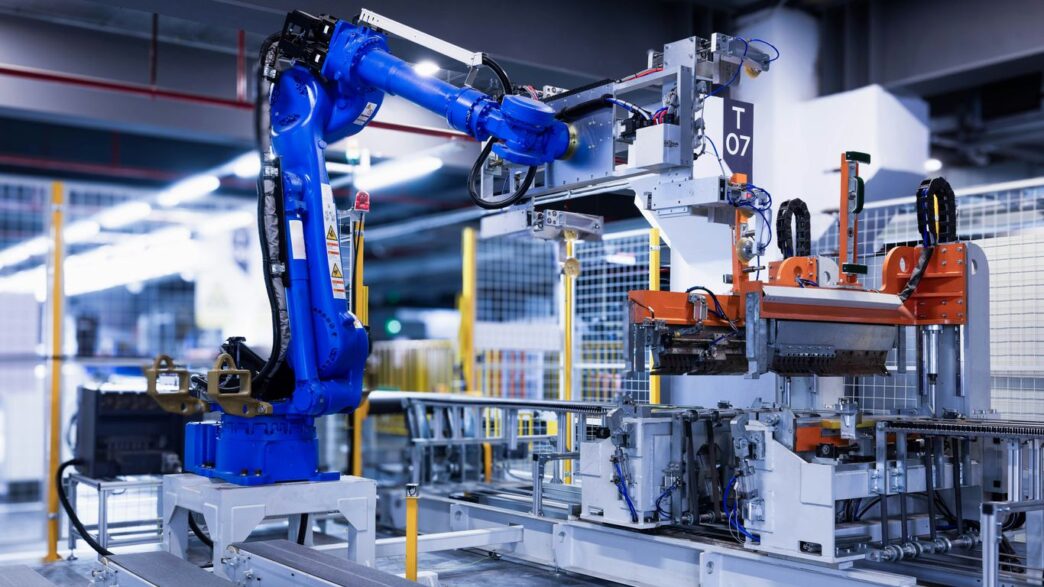
We’re living in a time of big changes for how things are made. It’s called Industry 4.0, and it’s all about making factories smarter and more connected. Think machines talking to each other, using data to figure things out, and generally making everything run smoother. A huge part of this is the Industrial Internet of Things, or industrial iot 4.0. This basically means hooking up all the equipment to the internet so it can share information. We’ll look at what this means for manufacturing, the good stuff it brings, and some of the hurdles companies face when trying to get on board.
Key Takeaways
- Industrial IoT 4.0 connects machines and systems, making factories smarter and more efficient.
- Predictive maintenance, using data from connected devices, helps avoid unexpected breakdowns.
- Real-time data improves how operations run, from the factory floor to the entire supply chain.
- Benefits include making products more customized, improving worker safety, and using resources better.
- Challenges like data handling, security, and training workers need to be addressed for successful adoption.
Understanding Industrial IoT 4.0
So, what exactly is this Industry 4.0 thing everyone’s talking about? Basically, it’s the next big step in how we make stuff. Think of it as a super-smart factory where machines can talk to each other, share information, and even make decisions on their own. It’s all about bringing together automation, digital tech, and the internet to make manufacturing way more efficient and flexible. The core idea is to create interconnected systems that can optimize production from start to finish.
The Core Concept of Industry 4.0
Industry 4.0, or the Fourth Industrial Revolution, is really about making factories smarter. We’re moving away from old-school assembly lines to environments where machines are equipped with sensors and connected to networks. This allows them to collect and exchange massive amounts of data. The goal? To achieve things like mass customization, where you can produce unique items efficiently, almost like making one-off products at scale. It’s about having information transparency across the entire operation so better decisions can be made.
The Role of IoT in Smart Factories
The Internet of Things (IoT) is a huge part of making these smart factories a reality. Imagine machines on the factory floor kitted out with sensors that have their own digital address. These sensors let the machines connect with other internet-enabled devices. This connectivity is what makes it possible to gather, analyze, and share all that valuable data in real-time. It’s the backbone that allows for the intelligent operations that define Industry 4.0. This allows for the collection and use of significantly more data, at much faster rates, leading to revolutionary advancements in the industry.
Key Technologies Powering the Revolution
Several technologies are making this revolution happen:
- Sensors and Actuators: These are the eyes and hands of the smart factory. Sensors gather information about everything from temperature and vibration to product quality, while actuators take that data and perform actions, like adjusting a machine or sending an alert.
- Edge Computing: Instead of sending all data to a central server, edge computing processes information right where it’s generated – close to the machines. This means faster responses and quicker decisions, which is super important when you need things to happen instantly.
- Cloud Computing and Big Data Analytics: The cloud provides the massive storage and processing power needed for all the data collected. Advanced analytics and machine learning algorithms then sift through this data to find patterns, predict issues, and suggest improvements.
- Artificial Intelligence (AI) and Machine Learning (ML): These technologies are what give the machines their ‘intelligence’. They help analyze complex data sets, learn from past performance, and make autonomous decisions to optimize processes.
These technologies work together to create a manufacturing environment that’s more connected, responsive, and efficient than ever before.
Transforming Manufacturing Operations with Industrial IoT 4.0
So, how exactly is all this connected tech changing the factory floor? It’s not just about shiny new gadgets; it’s about making things run smoother, smarter, and with fewer headaches. Think of it as giving your machines a voice and the ability to tell you what they need, when they need it.
Predictive Maintenance for Reduced Downtime
Remember the days of shutting down a whole line just because one machine might be acting up? Or worse, waiting for something to break completely, causing a massive production halt? That’s becoming a thing of the past. With Industrial IoT, sensors are constantly watching over your equipment. They track things like vibration, temperature, and how much a part is being used. This constant stream of data lets us predict when a machine is likely to have a problem, often days or even weeks in advance. Instead of random breakdowns, we can schedule maintenance during planned downtime, swap out a part before it fails, and keep things running. It’s like having a crystal ball for your machinery, saving a ton of money and keeping production on track.
Enhancing Operational Efficiency Through Real-Time Data
It’s one thing to collect data, but it’s another to actually use it to make things better right now. IoT devices on the factory floor give us a live look at everything happening. We can see which machines are running at peak performance, which ones are lagging, and where energy is being wasted. This real-time information allows supervisors and even automated systems to make quick adjustments. Maybe a machine needs its settings tweaked, or perhaps a different workflow would be more efficient. This constant feedback loop means we can fine-tune operations on the fly, boosting output and cutting down on waste. It’s about making every minute count.
Optimizing Supply Chains with Connected Devices
Manufacturing doesn’t happen in a vacuum. What happens before raw materials arrive and after finished goods leave the factory is just as important. IoT is extending its reach beyond the plant walls. Think about tracking shipments in real-time, knowing exactly where your inventory is, and getting alerts if something is delayed. This kind of visibility means you can manage your stock better, reduce the amount of product sitting around, and make sure customers get their orders when they expect them. It connects all the dots, from the supplier’s door to the customer’s doorstep, making the whole process much more predictable and less prone to surprises.
Key Components of Industrial IoT 4.0
So, what actually makes up this whole Industrial IoT 4.0 thing? It’s not just one magic piece of tech, but a bunch of different parts working together. Think of it like building a really smart house – you need the wiring, the smart thermostat, the security cameras, and the app to control it all. In the factory world, it’s similar.
Sensors, Actuators, and Edge Computing
First up, you’ve got your sensors and actuators. Sensors are like the factory’s eyes and ears. They’re stuck on machines, in the environment, basically everywhere, and they’re constantly collecting data. This could be anything from how hot a motor is running, to how much vibration it’s experiencing, or even the air quality. Actuators are the opposite; they take the digital information and turn it into a physical action. So, if a sensor says a machine is overheating, an actuator might tell it to slow down or shut off. Pretty neat, right?
Now, all that data from the sensors needs to be processed. That’s where edge computing comes in. Instead of sending every single bit of data all the way to a central server (which can take time), edge computing does a lot of the thinking right there, close to the machines. This means faster reactions. If something goes wrong, the system can often fix it or flag it immediately, without waiting for instructions from far away. It’s like having a mini-brain right on the factory floor.
The Power of Cloud Computing and Big Data Analytics
While edge computing handles the immediate stuff, the cloud is where the big picture analysis happens. All that data, even the stuff processed at the edge, can be sent to the cloud for safekeeping and deeper study. The cloud gives you massive storage and processing power, way more than you’d have on-site. This is super important because the amount of data coming from a factory floor can be enormous.
This is where big data analytics shines. We’re talking about sifting through all that collected information to find patterns, spot trends, and get insights you wouldn’t see otherwise. It’s like looking for a needle in a haystack, but with really powerful magnets. This analysis helps in understanding how machines are performing over time, identifying potential problems before they happen, and figuring out how to make things run smoother and cheaper.
Artificial Intelligence and Machine Learning Integration
Finally, to really make sense of all this data and automate decisions, we bring in Artificial Intelligence (AI) and Machine Learning (ML). AI is the broader concept of machines being able to perform tasks that typically require human intelligence. Machine learning is a type of AI where systems learn from data without being explicitly programmed for every single scenario. So, instead of telling a machine exactly what to do in every situation, you train it with data, and it learns how to respond. This allows for things like predicting when a machine will need maintenance (predictive maintenance), automatically adjusting production settings for optimal output, or even identifying quality defects on the fly. It’s the brain that makes the whole system truly smart and adaptable.
Benefits of Embracing Industrial IoT 4.0
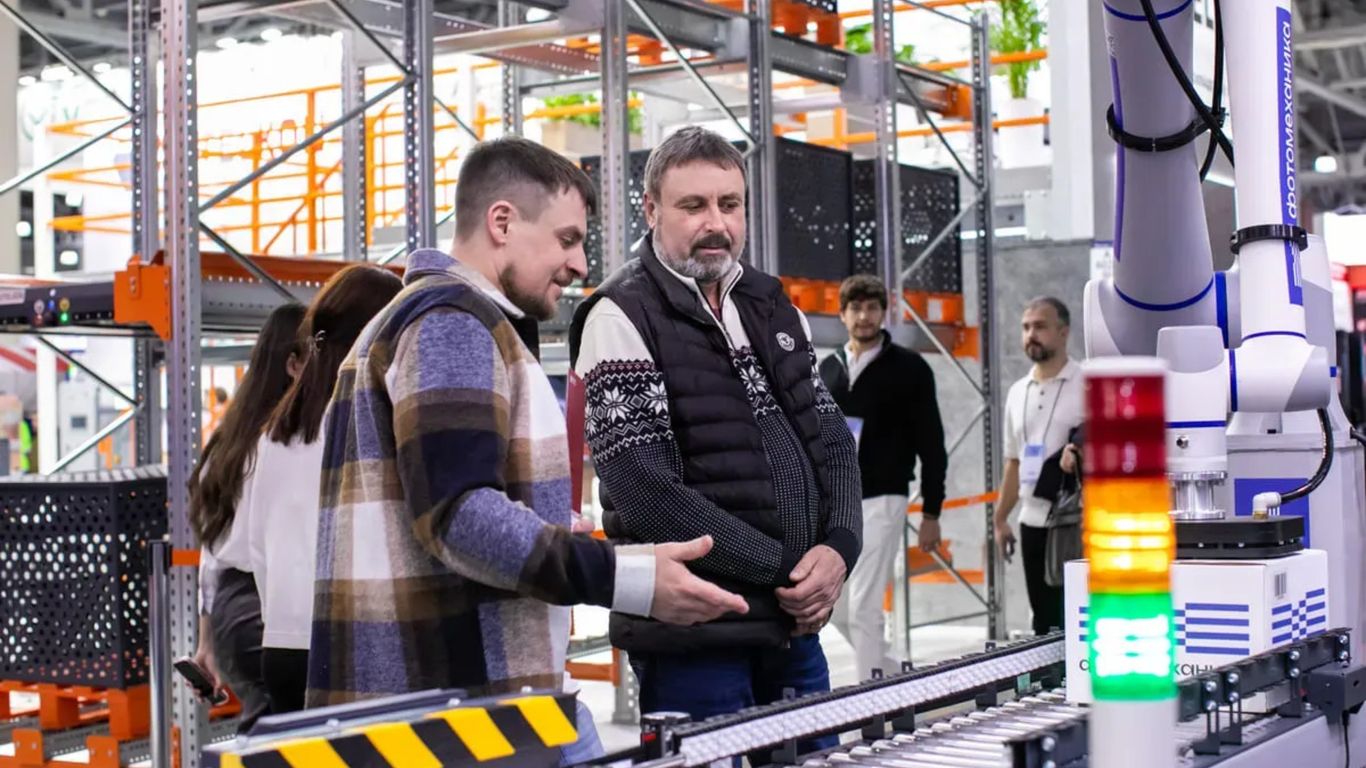
So, why should a manufacturing company even bother with all this Industrial IoT 4.0 stuff? It sounds complicated, and let’s be honest, it can be. But the payoff? It’s pretty significant. Think about it: you’re not just upgrading machines; you’re fundamentally changing how your entire operation runs, and for the better.
Improved Product Customization and Agility
Remember when making even small changes to a product line meant a huge, costly overhaul? Well, Industry 4.0, powered by IoT, flips that script. Because your systems are connected and talking to each other, you can tweak designs, adjust production on the fly, and even create highly personalized products without grinding everything to a halt. This means you can respond way faster to what customers actually want, which is a massive competitive edge these days. It’s like going from a rigid assembly line to a super flexible workshop that can churn out unique items.
Enhanced Worker Safety and Productivity
This is a big one. IoT sensors aren’t just for machines; they can keep an eye on your people too. Wearable tech can monitor things like a worker’s exposure to heat or harmful substances, or even their fatigue levels. If something looks risky, the system can send an alert to the worker and their supervisor, potentially preventing a serious accident. Plus, by automating repetitive or dangerous jobs, your human team can focus on tasks that require more skill and critical thinking. It’s not about replacing people; it’s about making their jobs safer and more meaningful.
Driving Sustainability Through Smart Manufacturing
Being green isn’t just good for the planet; it’s good for business. Industrial IoT helps manufacturers cut down on waste and energy use. How? By giving you super detailed insights into your operations. You can see exactly where energy is being gobbled up unnecessarily or where materials are being wasted. For instance, sensors can monitor machine performance to ensure they’re running at peak efficiency, using only the power they need. Or, better quality control means fewer faulty products end up in the trash. It all adds up to a leaner, more environmentally friendly operation.
Real-World Impact of Industrial IoT 4.0
It’s one thing to talk about Industry 4.0 and the Industrial Internet of Things (IIoT) in theory, but seeing it in action is something else entirely. Plenty of companies are already putting these smart technologies to work, and the results are pretty impressive. They’re not just dabbling; they’re fundamentally changing how they make things.
Siemens’ Smart Manufacturing Solutions
Siemens has been a big player in this space, developing platforms like MindSphere. Think of it as a central hub where all the data from factory machines can be gathered and looked at. This isn’t just about collecting numbers; it’s about understanding what those numbers mean. By seeing how machines are performing in real-time, manufacturers can tweak settings to get more output, catch potential problems before they stop production, and generally run things more smoothly. It’s about making factories smarter and more responsive.
GE Aviation’s Predictive Engine Maintenance
GE Aviation is using IIoT in a pretty critical area: jet engines. These engines generate a ton of data while they’re flying. GE uses sensors to keep tabs on everything – temperature, pressure, vibration, you name it. By analyzing this constant stream of information, they can predict when a part might be getting worn out or when an engine might need attention. This means they can schedule maintenance before something actually goes wrong, which is a huge deal for safety and reliability. It also cuts down on unexpected repair costs and keeps planes in the air more often.
Bosch’s Plant-Wide IoT Implementation
Bosch has taken a broad approach, integrating IoT across many of its manufacturing plants. They’re using sensors everywhere to keep an eye on production lines, energy use, and the quality of the products coming off the line. This kind of detailed, real-time view helps them spot inefficiencies, reduce waste, and make sure their products meet high standards. It’s a systematic way of using connected technology to improve almost every aspect of their manufacturing process.
Navigating Challenges in Industrial IoT 4.0 Adoption
So, you’re thinking about jumping into the world of Industrial IoT 4.0. That’s great! It promises a lot, like smarter factories and smoother operations. But, like trying to assemble IKEA furniture without the instructions, it’s not always a walk in the park. There are definitely some hurdles to clear before you get to that shiny, connected future.
Addressing Data Management and Interoperability
First off, let’s talk data. Industrial IoT devices churn out a lot of information. We’re talking about sensor readings, machine performance logs, environmental data – it all adds up fast. Having a solid plan for how to collect, store, and actually use all this data is super important. It’s not just about having the data; it’s about making sense of it. And then there’s the interoperability puzzle. Your factory probably has machines from different companies, right? Getting them all to talk to each other nicely can be a real headache. Different communication styles, different languages – it’s like trying to get a cat and a dog to have a polite conversation. You need systems that can bridge these gaps so everything works together.
Strengthening Cybersecurity in Connected Environments
When you connect everything, you also open up new doors for trouble. Cybersecurity is a big one. Think about it: if your factory’s systems are all linked up, a security breach could cause chaos. We’re not just talking about stolen data; we’re talking about potentially shutting down production lines or messing with critical machinery. So, putting up strong digital fences is non-negotiable. This means regular security updates, secure network designs, and making sure your team knows the risks.
Managing Investment Costs and Workforce Skills
Let’s be real, setting up an IIoT system isn’t cheap. There’s the cost of new hardware, software, and getting everything integrated. Companies need to look at the long game and figure out if the benefits will eventually outweigh the initial spending. It’s a big decision. On top of that, you need people who know how to manage all this new tech. The skills needed are changing. You’ll want folks who are comfortable with data analysis, IT systems, and keeping things secure. Training your current team or hiring new talent is a must. It’s a bit like learning a new language – it takes time and effort, but the rewards can be pretty significant.
The Future Trajectory of Industrial IoT 4.0
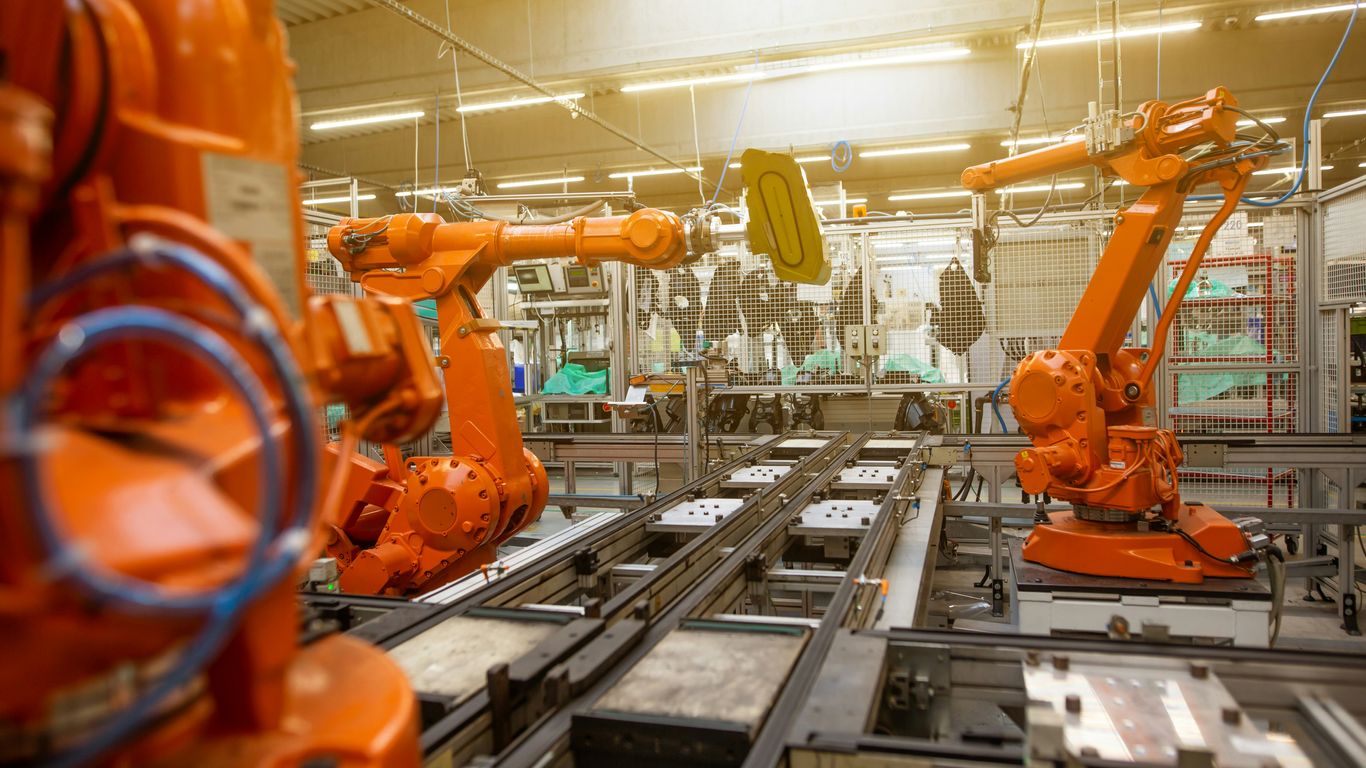
So, where is all this Industry 4.0 stuff heading? It’s not just about making factories a bit smarter; it’s about a complete overhaul. We’re seeing some pretty wild advancements on the horizon that will change how things are made even more.
Advancements in Edge and Quantum Computing
Edge computing is really starting to shine. Instead of sending all the data way off to a central server, we’re processing it right there, close to the machines. This means quicker reactions, which is a big deal when you need to adjust something on the fly. Think of it like having a super-fast assistant right next to you, instead of having to call someone across town. And then there’s quantum computing. It sounds like science fiction, but it could eventually help solve manufacturing puzzles that are just too complex for today’s computers. We’re talking about optimizing processes in ways we can’t even imagine right now. It’s still early days, but the potential is huge for solving complex problems.
The Role of 5G in Enabling Seamless Connectivity
Connectivity is everything in this connected world, right? That’s where 5G comes in. It’s not just about faster phones; for factories, it means a much more reliable and quicker way for all those machines and sensors to talk to each other. Imagine a factory floor with thousands of devices sending data constantly. 5G can handle that traffic without breaking a sweat, cutting down on delays and making everything run smoother. This kind of robust connection is what allows for things like real-time monitoring and control on a massive scale.
Towards Fully Autonomous and Self-Optimizing Factories
What’s the end goal? Well, the vision is for factories that can pretty much run themselves. We’re moving towards systems that can make decisions on their own, learn from their mistakes, and constantly tweak their own performance to be better. This means:
- Machines that can identify potential issues before they happen and schedule their own maintenance.
- Production lines that can automatically adjust to produce different products based on demand, without much human input.
- Overall systems that continuously improve efficiency and reduce waste through constant data analysis and adaptation.
It’s a big shift, and it’s going to take time, but the path is clear: more automation, more intelligence, and factories that are truly self-sufficient.
The Road Ahead
So, what does all this mean for the future? Basically, Industry 4.0, with the Industrial Internet of Things at its core, isn’t just a passing trend. It’s changing how things are made, making factories smarter and operations smoother. Sure, there are hurdles like managing all the data and making sure everything talks to each other, not to mention the cost and training involved. But the payoff – better efficiency, less waste, and more adaptable production – seems pretty big. Companies that jump on board now are likely setting themselves up for success down the line. It’s a big shift, but it looks like it’s the way manufacturing is headed.
Frequently Asked Questions
What exactly is Industry 4.0?
Think of Industry 4.0 as the next big step in how things are made. It’s all about using smart technology, like computers and the internet, to make factories work better and faster. Imagine machines that can talk to each other and make smart choices on their own!
How does the Internet of Things (IoT) fit into Industry 4.0?
IoT is like the nervous system for Industry 4.0. It means putting tiny sensors on machines and equipment. These sensors collect information, like how hot a machine is or if it’s shaking a lot. This information is sent over the internet so we can understand what’s happening and fix problems before they even start.
What are the main advantages of using Industry 4.0 in factories?
There are many cool benefits! Factories can run more smoothly, which means less wasted time and materials. They can also make products exactly how customers want them, even making small batches. Plus, it can make factories safer for workers and help protect the environment.
Can you give an example of a company using this technology?
Sure! Companies like Siemens use this tech to make their factories super smart. GE Aviation uses sensors on jet engines to know when they might need fixing, saving money and keeping planes flying safely. Bosch has also used it to make their factories run better and use less energy.
Is it hard for companies to start using Industry 4.0?
It can be tricky! Companies need to handle lots of data, make sure all their different machines can work together, and keep their systems safe from hackers. It also costs money to set up, and workers might need new training for these new technologies.
What’s next for Industry 4.0?
Things are getting even smarter! We’ll see computers that can process information even faster, closer to where the data is made. New types of computing might solve really tough problems. Soon, factories could run almost entirely on their own, always figuring out how to do things even better.