You know, it’s funny how things change. Just a few years ago, the idea of our everyday gadgets talking to some super-secure digital ledger seemed like science fiction. But here we are. The way we do business is shifting, and a big part of that is how we’re linking up the Internet of Things (IoT) with blockchain technology. It’s not just about making things more high-tech; it’s about making them work better, be more trustworthy, and frankly, a lot more secure. We’re going to break down what this means for different industries and what we can expect down the road.
Key Takeaways
- Combining IoT and blockchain creates a secure and transparent way to handle data from connected devices.
- This integration makes IoT systems much safer from cyber threats.
- Industries like supply chains and healthcare are already seeing big improvements in tracking and managing information.
- The main benefits include better data protection, clear visibility, and more efficient operations.
- While there are challenges like system size and privacy, the future looks promising for this technology.
Understanding The Synergy Of Iot And Blockchain
So, we’ve got the Internet of Things, right? It’s basically a huge network of devices, from your smart fridge to big industrial machines, all chattering away and sending data. It’s pretty amazing how much information these things can collect. But let’s be honest, managing all that data securely and making sure it’s legit? That’s been a real headache. Traditional systems often rely on central servers, which can be like a single weak spot for hackers. That’s where blockchain comes in, and it’s a game-changer.
Defining Blockchain For Iot
Think of blockchain as a super secure, shared digital notebook. Every time an IoT device does something or sends information, it gets written down in this notebook. The cool part is that this notebook isn’t kept in just one place; it’s copied and spread across many computers. This makes it incredibly difficult for anyone to tamper with the records. Once something is written down, it’s pretty much there forever, and everyone on the network can see it. This creates a system where devices can talk to each other and share data with a lot more confidence. It’s like having a public record that’s almost impossible to fake.
The Core Benefits Of Integration
Putting blockchain and IoT together isn’t just about mixing two technologies. It’s about creating something much more robust. The main advantages really boil down to a few key things:
- Better Security: Because the data is spread out and cryptographically secured, it’s much harder for unauthorized people to get in and mess with things. No more single points of failure.
- More Transparency: Everyone involved can see the same ledger of transactions. This means you can track where data came from and what happened to it, which is huge for accountability.
- Increased Efficiency: Automating processes with smart contracts, which are self-executing agreements written on the blockchain, can cut out middlemen and speed things up considerably. This can lead to lower costs down the line.
Enhancing Data Integrity And Trust
This is where things get really interesting. With IoT devices constantly generating data, making sure that data is accurate and hasn’t been messed with is paramount. Blockchain’s immutability means that once data is recorded, it can’t be changed. This is a big deal for industries where trust is everything, like in tracking pharmaceuticals or verifying the origin of food products. It builds a foundation of trust in the data itself, which then allows for more reliable machine learning applications to be built on top of it. You can be more confident that the information your systems are using is the real deal, leading to better decisions and more reliable operations.
Revolutionizing Industries Through Iot And Blockchain
The way different industries operate is changing, and the Internet of Things (IoT) is a big part of that. Now, imagine adding blockchain to the mix. It’s not just about making things more secure; it’s about fundamentally changing how businesses work, making them more efficient and trustworthy. Let’s look at a few areas where this combination is making a real difference.
Transforming Supply Chain Management
Think about tracking goods from where they’re made all the way to your doorstep. Traditionally, this process can be complicated, with lots of different companies and systems involved, making it hard to know exactly where something is or if it’s been tampered with. Blockchain changes this by creating a shared, unchangeable record of every step. Every time a product moves, is inspected, or changes hands, that information is added to the blockchain. This means everyone involved – from the manufacturer to the retailer to the customer – can see the same, accurate history. This level of detail and security helps build confidence throughout the entire supply chain, making it more reliable for everyone.
- Increased Transparency: All parties can view the product’s journey, reducing guesswork.
- Better Traceability: Pinpointing the origin of issues or recalls becomes much simpler.
- Reduced Fraud: It’s much harder to introduce fake goods or alter records when everything is on a secure ledger.
Enhancing Healthcare Operations
In healthcare, the security and privacy of patient data are super important. IoT devices, like wearable health trackers or remote monitoring systems, collect a lot of sensitive information. By using blockchain, this data can be stored and shared in a way that’s both secure and private. Imagine a patient being able to control exactly who sees their medical history, with every access logged on an unchangeable record. This not only protects patient privacy but also makes it easier for doctors to access accurate, up-to-date information when they need it, potentially leading to better diagnoses and treatments. It also helps in tracking pharmaceuticals, making sure they are authentic and haven’t been tampered with from the factory to the patient.
Streamlining Energy Sector Processes
The energy sector is another area ripe for this kind of change. Think about smart grids. IoT sensors can monitor energy production and consumption in real-time. When combined with blockchain, this data can be used to create more efficient energy distribution systems. For example, peer-to-peer energy trading could become a reality, where individuals with solar panels can sell excess energy directly to their neighbors, with all transactions securely recorded and managed by smart contracts on the blockchain. This not only makes the grid more resilient but also potentially lowers costs for consumers and encourages the use of renewable energy sources. It also helps in managing and verifying carbon credits or other environmental assets with a high degree of trust.
Key Advantages Of Combining Iot And Blockchain
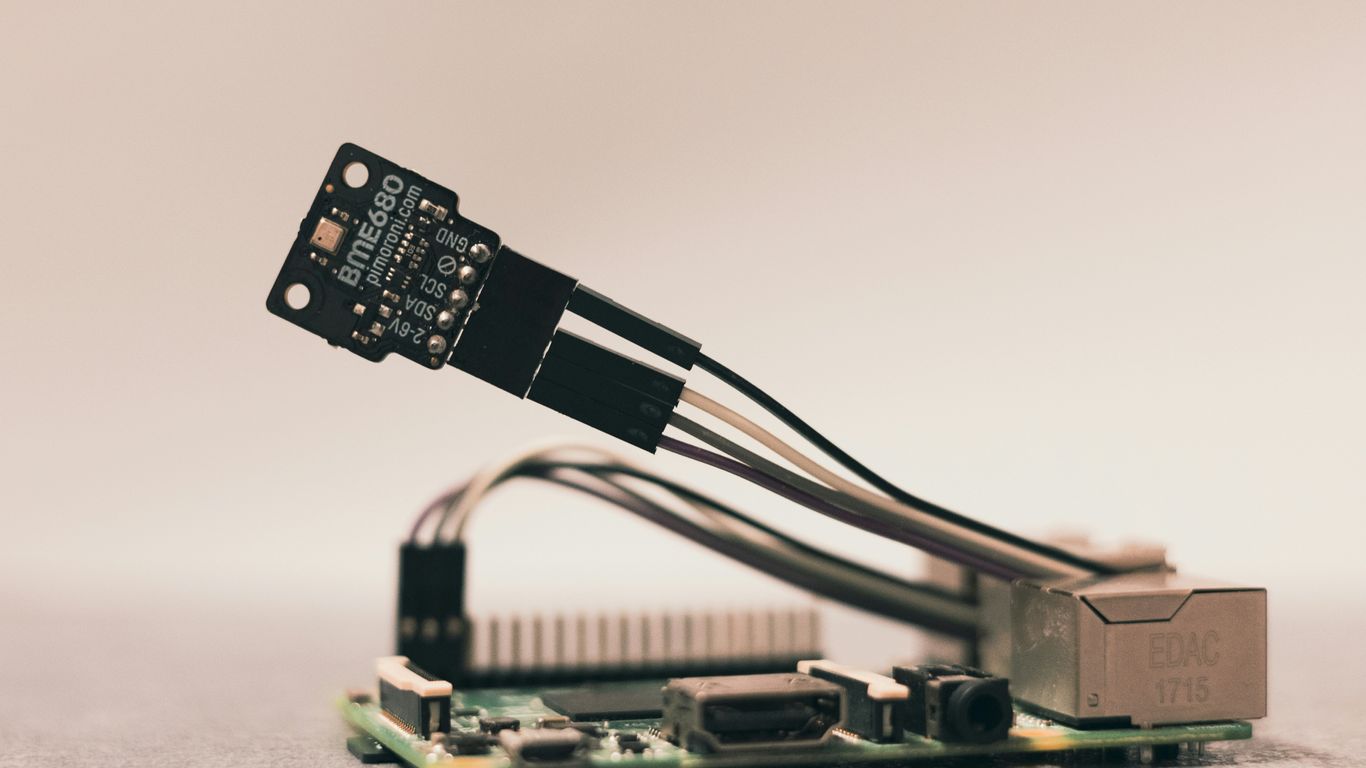
So, why bother putting these two technologies together? Well, it turns out there are some pretty big wins. Think about all the gadgets and gizmos connected to the internet these days – they’re spitting out data like crazy. The problem is, keeping all that information safe and making sure it’s legit can be a real headache. That’s where blockchain steps in, and honestly, it makes a world of difference.
Fortifying Data Security
This is a huge one. Traditional systems often have a central point where all the data goes. If someone hacks that one spot, they’ve got everything. It’s like leaving your front door wide open. Blockchain, though, is different. It spreads the data out across a whole network, and each piece is locked down with fancy cryptography. It’s way harder for bad actors to mess with anything. This distributed nature means there’s no single weak link to target. It’s a much more robust way to protect sensitive information coming from your smart fridge or a factory sensor.
Achieving Unprecedented Transparency
Ever wondered where a product really came from or how it got to you? With IoT and blockchain working together, you can get a clear picture. Every step, every movement, every piece of data can be recorded on the blockchain. This ledger is shared, so everyone involved can see what’s going on. It’s like having a public record book that can’t be erased or changed. This makes it super easy to track things, verify where something originated, and build a lot more trust between parties. For example, in a supply chain, you can see the exact journey of goods, from raw materials to the final delivery, with every checkpoint verified.
Boosting Operational Efficiency And Cost-Effectiveness
Remember those old days of paperwork and middlemen slowing everything down? Blockchain can help cut that out. Using something called smart contracts, which are basically agreements written in code, you can automate a lot of processes. When an IoT device senses something (like a temperature change or a delivery confirmation), a smart contract can automatically trigger the next step – maybe releasing a payment or sending an alert. This means less manual work, fewer errors, and things happen a lot faster. Plus, by cutting out intermediaries, you often save money on fees. It’s about making things run smoother and cheaper.
Here are some of the core benefits:
- Stronger Data Protection: Blockchain’s decentralized and immutable ledger makes IoT data much harder to tamper with or access without permission. Every bit of data is cryptographically secured and checked by many computers on the network.
- Clearer Tracking: Every interaction and data point from an IoT device can be logged on the blockchain, creating an easy-to-follow history. This lets you track items in real-time and confirm where data came from.
- Smarter Automation: Smart contracts can automatically handle tasks based on data from IoT devices. This speeds up operations, reduces the need for people to do repetitive jobs, and makes transactions quicker. This integration strengthens digital trust and enhances operational efficiency across industries.
Navigating Implementation Hurdles
So, we’ve talked a lot about how cool IoT and blockchain are together, right? It sounds like a match made in tech heaven. But, like trying to assemble IKEA furniture without the instructions, getting these two technologies to play nice in the real world can be a bit of a headache. It’s not just plug-and-play, unfortunately.
Addressing Scalability Challenges
One of the biggest bumps in the road is just the sheer amount of data these IoT devices churn out. Think about a smart city with thousands of sensors monitoring traffic, air quality, and energy use, or a huge factory floor buzzing with activity. All that information needs to be processed, and traditional blockchains can get really slow and expensive when they’re swamped with transactions. It’s like trying to pour a river through a garden hose – things just don’t flow.
- Sharding: This is a technique where the blockchain is split into smaller, more manageable pieces. Each piece can handle transactions on its own, which really speeds things up.
- Layer-2 Solutions: Imagine these as express lanes for transactions. They handle a lot of the work off the main blockchain, only reporting the final results, making everything much quicker.
- Sidechains: These are separate blockchains that work alongside the main one, taking on specific tasks to reduce congestion.
Finding ways to handle all that data quickly and without breaking the bank is key to making this work on a large scale.
Overcoming Privacy Concerns
Blockchain is famous for being open and transparent, which is great for tracking things. But here’s the catch: not all the data from your smart fridge or fitness tracker should be out there for everyone to see. Sensitive stuff, like personal health records or secret company formulas, needs to stay private. It’s a tricky balance trying to keep a verifiable record while also keeping certain information locked down.
- Encryption: We can scramble the data before it even hits the blockchain. Only people with the right digital keys can unscramble it later.
- Access Controls: We need to set up strict rules about who gets to see what. This means carefully defining user roles and permissions.
- Zero-Knowledge Proofs: This is a more advanced method that lets someone prove something is true without actually revealing the sensitive details behind it. Think of it as showing you have the answer without showing the answer itself.
Integrating With Existing Infrastructure
Most IoT devices out there weren’t built with blockchain in mind. They might not have the processing power or the right software to connect smoothly with a blockchain network. This often means we have to update hardware, rewrite software, or sometimes even replace devices altogether. It’s a big job, and making this transition easier is really important for getting more people to adopt this technology. Plus, we need to get businesses, developers, and even the folks making the rules to understand and trust what’s going on. Figuring out clear legal guidelines for smart contracts and who owns what data is also an ongoing puzzle.
The Future Landscape Of Iot And Blockchain
So, where are we headed with all this IoT and blockchain stuff? It’s pretty exciting, honestly. We’re not just talking about better security or tracking packages anymore. The real game-changer is how these technologies are paving the way for systems that can pretty much run themselves.
Emerging Trends And Predictions
One of the biggest things to watch is how IoT devices will become more autonomous. Imagine your smart home not just telling you when you’re low on milk, but actually ordering it from the store itself, using blockchain to handle the payment securely. Or think about self-driving cars that can manage their own maintenance appointments and pay for charging automatically. It’s all about devices making smart, secure decisions based on the data they collect, without us needing to micromanage everything.
We’re also seeing a big push for different systems to actually talk to each other. Right now, a lot of IoT and blockchain platforms are like separate islands. The goal is to create common languages and rules so they can connect and share information smoothly. This is going to be huge for making everything work together better.
Autonomous Systems Driven By Data
This move towards autonomy is really driven by the sheer amount of data IoT devices are generating. When you combine that with blockchain’s ability to store data securely and transparently, you get a powerful combination. AI and machine learning are going to play a much bigger role here, sifting through all that data to find patterns, predict problems before they happen, and make operations run way more smoothly. It’s like giving these systems a brain that can learn and adapt.
Interoperability And Standardization Efforts
Getting all these different devices and systems to work together is a major focus. Think about it: if your smart thermostat can’t talk to your energy provider’s system, or if your car’s data can’t be shared securely with your insurance company, the full potential is lost. That’s why there’s so much work going into creating standards and common protocols. It’s a bit like building a universal adapter so everything can plug in and communicate, no matter who made it or what network it’s on. This standardization is key to moving beyond isolated applications and creating a truly connected ecosystem.
Driving Innovation With Iot And Blockchain
Empowering Decentralized Applications
So, we’ve talked about how IoT and blockchain work together to make things more secure and transparent. But what does that actually mean for building new stuff? It means we can create applications that don’t rely on a single company or server to run. Think about it: instead of a central company controlling a service, the control is spread out. This is the heart of decentralized applications, or dApps.
With IoT devices feeding data into a blockchain, these dApps can act on that information in new ways. For example, imagine a network of smart weather stations. Instead of one company collecting all that data and selling it, the stations could use a blockchain to record their readings. A dApp could then access this data to offer hyper-local weather forecasts, and the weather stations could even get paid automatically in cryptocurrency for their reliable data, all thanks to smart contracts.
Here’s a quick look at how this plays out:
- Automated Payments: Smart contracts can automatically release payments to IoT device owners once certain conditions are met (like delivering data or completing a task).
- Decentralized Data Marketplaces: Imagine a place where you can buy and sell IoT data directly, without a middleman taking a huge cut. Blockchain makes this possible by tracking ownership and transactions securely.
- Community-Owned Networks: Groups of people could collectively own and manage IoT networks, like a neighborhood smart grid, with decisions made through a decentralized system.
This shift from centralized control to distributed networks is a major game-changer for innovation.
Fostering Trust In Digital Ecosystems
Trust is a big deal, right? Especially when we’re talking about data and transactions happening between machines. IoT devices, by their nature, generate a ton of information. But how do you know that information is real? How do you know it hasn’t been messed with? That’s where blockchain really shines.
By recording IoT data on an unchangeable ledger, blockchain creates a verifiable history. This means if a sensor says the temperature in a warehouse hit a certain point, you can trust that record. This is huge for industries where accuracy is key, like food safety or pharmaceuticals. It cuts down on disputes and makes everyone involved feel more confident.
Consider these points:
- Verifiable Data Trails: Every piece of data from an IoT device gets a timestamp and is added to the blockchain. This creates an audit trail that’s incredibly hard to fake.
- Reduced Counterfeiting: In supply chains, this means you can be much more sure that what you’re buying is the real deal, not a knock-off.
- Secure Identity Management: IoT devices themselves can have a secure, blockchain-based identity, making it easier to manage who has access to what data and systems.
Solving Real-World Problems Through Connectivity
Ultimately, all this tech talk comes down to one thing: making life better and businesses run smoother. The combination of IoT and blockchain isn’t just theoretical; it’s already being used to tackle some pretty complex issues.
Think about smart cities. IoT sensors can monitor traffic, air quality, and energy usage. When this data is secured and made transparent by blockchain, city planners can make much better decisions. They can optimize traffic flow to reduce pollution, manage energy grids more efficiently, and even improve public safety.
Here are a few examples:
- Smart Grids: IoT sensors monitor energy production and consumption. Blockchain records these transactions, allowing for automated billing and more stable energy distribution, even with renewable sources.
- Waste Management: Sensors in trash bins can signal when they’re full. Blockchain can track collection routes and verify services, leading to more efficient city operations and less overflowing garbage.
- Environmental Monitoring: Networks of sensors can track pollution levels or water quality. Blockchain provides a trustworthy record of this data, which can be used for regulatory compliance or public awareness campaigns.
It’s about using connected devices and secure record-keeping to create practical solutions that have a real impact.
Wrapping It Up
So, we’ve talked a lot about how putting IoT and blockchain together is really shaking things up. It’s not just some futuristic idea anymore; it’s actually making things work better and safer right now. Think about tracking products more honestly or keeping sensitive information locked down tight. Sure, there are still some kinks to work out, like making sure these systems can handle all the data and keeping things private, but the direction is clear. As more people see how useful this combo is, expect to see it pop up in more places, helping to build a more connected and reliable digital world for everyone.
Frequently Asked Questions
What is Blockchain for IoT?
Think of Blockchain for IoT as a super-secure way to connect everyday devices, like smart refrigerators or factory machines, using a special digital ledger called a blockchain. This ledger keeps track of all the information and actions from these devices in a way that’s very hard to change or hack, making everything more trustworthy.
How does connecting blockchain and IoT help businesses?
It’s like giving your devices a secure ID and a trustworthy diary. This connection helps businesses keep their information safe from hackers, lets them see exactly where their products are and if they’re okay (like in shipping), and makes their operations run much smoother and cheaper.
Can this technology make things like shipping safer and more reliable?
Absolutely! Imagine tracking a package from the factory all the way to your home. With blockchain and IoT, every step is recorded on a secure, unchangeable list. This means you can be sure the product is real, hasn’t been messed with, and you know exactly where it is at all times. It makes the whole process much more honest.
Does this help keep my personal information safe when using smart devices?
That’s a big goal! While blockchain makes data very secure, keeping personal information private is still being worked on. New methods are being developed to protect sensitive details, so you can use smart devices with more confidence that your private information stays private.
Are there any difficulties in using this technology?
Yes, there are a few bumps in the road. Making sure the systems can handle tons of data from millions of devices is a challenge. Also, connecting new blockchain systems with older devices can be tricky and cost money. Getting everyone to understand and trust this new way of doing things takes time too.
What does the future look like for blockchain and IoT?
The future looks really exciting! We’ll likely see devices that can make decisions and even pay for things on their own, all thanks to secure blockchain records. Plus, efforts are being made to make sure different blockchain and IoT systems can work together easily, making everything more connected and efficient.