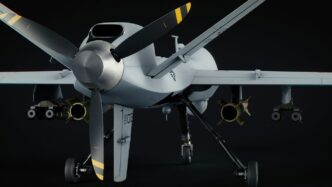
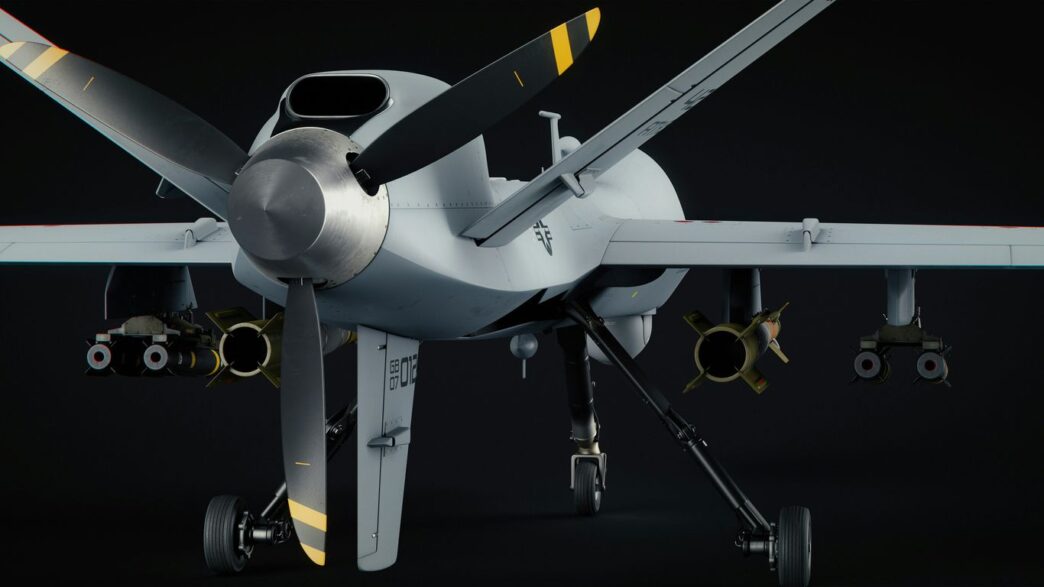
Things are really changing fast in the world of defense technology. Geopolitical stuff is heating up, and that means more money is flowing into new ideas and companies. It’s not just the big, old companies anymore; startups are getting a lot of attention and investment. This shift is happening because of a few big things coming together, like how the government is buying new tech and how AI is getting way better. We’re seeing a whole new wave of defense tech startups popping up, and it feels like a pretty big deal for the future.
Key Takeaways
- Government buying processes are getting faster, which helps new defense tech startups get their ideas out there quicker.
- AI is becoming a bigger part of defense, from running machines on its own to helping people do their jobs better and faster.
- Making things like drones and weapons is changing, with 3D printing and other new methods helping startups produce things more quickly and cheaply.
- Keeping communication lines open and secure, even when things get tough, is a major focus, leading to new kinds of networks and ways to find your way without GPS.
- Having access to the materials needed for new technology and energy sources is becoming super important for national security, and startups are working on mining and energy solutions.
Transformational Catalysts Fueling Defense Tech Startups
It feels like just yesterday, the defense world was moving at a snail’s pace. But things have really changed, especially over the last couple of years. We’re seeing a bunch of big shifts all happening at once, and it’s making defense tech startups pop up and grow like never before. It’s not just one thing; it’s a mix of stuff that’s really shaking things up.
Procurement Modernization Accelerates Innovation
The way the government buys defense technology is getting a serious makeover. There’s a big push to speed things up, focusing more on what actually works and less on endless paperwork. Think of it like this: instead of waiting years for a new gadget, they’re trying to get it into the hands of people who need it much faster. This means less red tape and more getting things done. It’s a big deal because it allows new ideas from smaller companies to get a real shot.
Silicon Valley’s Evolving Relationship with Defense
Remember when Silicon Valley and defense seemed like totally different worlds? That’s not really the case anymore. Tech companies, especially those working on AI, are starting to see that national security is a pretty important area. With new funding and a clearer path, some big AI players are now working with the defense sector, making their technology tougher and more suited for military needs. It’s a sign that cutting-edge tech is becoming more intertwined with defense.
New Programs Spur Startup Growth
On top of all this, there are new government initiatives rolling out. Things like programs aimed at boosting drone technology or creating new ways to develop advanced systems are opening doors. These aren’t just vague ideas; they’re creating actual opportunities for startups to step in, show what they can do, and get contracts. It’s like a shot in the arm for innovation, encouraging more companies to tackle defense challenges.
Autonomy Moves From Concept to Combat
Remember when self-driving cars felt like science fiction? Well, in defense, autonomous systems are making that same leap, moving way beyond just lab tests and into real-world operations. It’s happening faster than many expected, and it’s changing how missions are planned and executed. We’re seeing new companies pop up, like Anduril and Saronic, that are really pushing the boundaries across land, air, and sea.
The Rise of Autonomous Systems Trailblazers
This isn’t just about one type of robot. We’re talking about a whole range of systems designed to operate with less human input. Think drones that can scout ahead, ground vehicles that can patrol without a driver, or even ships that can navigate complex waters on their own. These aren’t just experimental toys anymore; they’re becoming key players on the modern battlefield. The demand for these capabilities has really sparked a wave of innovation, with startups leading the charge.
Challenges in Orchestrating Mass Autonomy
Okay, so having a few autonomous systems is one thing, but coordinating a whole swarm? That’s a whole different ballgame. Getting multiple unmanned systems, and even mixing them with manned ones, to work together smoothly towards a common goal is a huge puzzle. It’s like trying to conduct a symphony where every musician is playing a different instrument and improvising. The need for smart command and control systems that can manage this complexity is more urgent than ever.
- Defining clear roles and responsibilities for each autonomous unit.
- Developing communication protocols that are robust and secure.
- Creating adaptive mission plans that can change on the fly based on real-time data.
- Ensuring human operators can effectively supervise and intervene when needed.
AI’s Role in Autonomous Collaborative Teaming
This is where artificial intelligence really shines. AI is the secret sauce that allows these autonomous systems to not just operate independently, but to actually work together. We’re seeing AI that can help systems:
- Share information and sensor data in real-time.
- Make joint decisions based on a collective understanding of the situation.
- Adapt their tactics as a group to overcome unexpected challenges.
Companies are developing AI engines that can optimize tasks and delegate them to different systems, almost like a digital operations center. Others are creating ways for operators to talk to these systems using just their voice, making control much simpler and less dependent on bulky equipment or fragile networks. The ability for AI to enable this kind of coordinated action is what truly moves autonomy from a concept to a combat-ready reality.
AI Permeates Defense Workflows
Agentic AI in Mission-Critical Applications
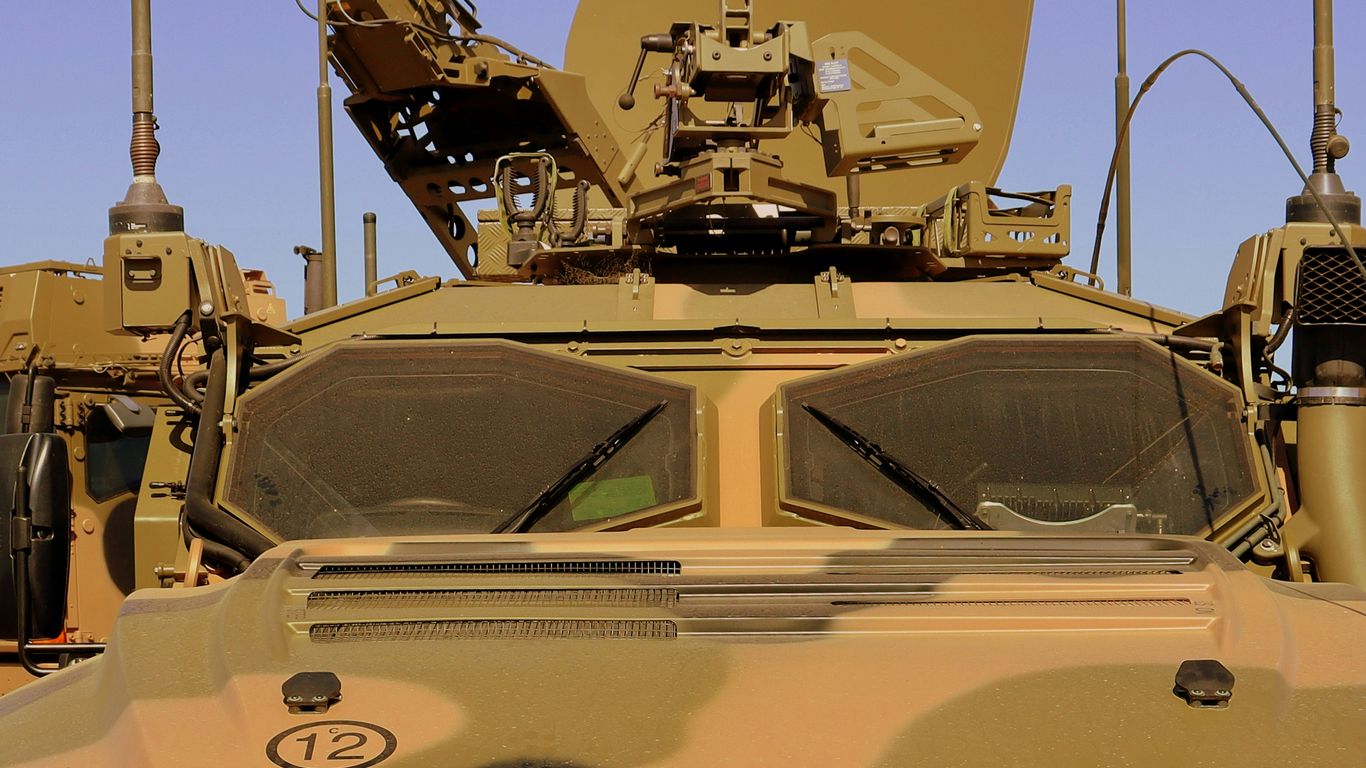
It’s pretty wild how fast AI is showing up everywhere in defense, not just for the boring back-office stuff but right in the middle of the action. We’re talking about agentic AI, which basically means AI that can act on its own to get things done. Think of it like having a super-smart assistant who can actually make decisions and carry out tasks without you holding their hand every second. This is a big deal for things like planning missions or figuring out the best way to move supplies. Companies are building AI that can look at all sorts of messy information – like notes, emails, and reports – and then spit out useful plans or summaries. It’s like they’re finally figuring out how to make AI work with the chaotic reality of defense work.
Maturing Infrastructure for AI Integration
One of the reasons AI is finally getting into these critical jobs is that the tech behind it has gotten a lot better. It used to be a huge headache trying to get AI models to talk to existing defense systems. Now, there’s better software, ways to package AI so it’s easier to use, and even options for keeping things secure and offline if needed. This means sensitive data doesn’t have to be sent out to the cloud or put into clunky, separate systems. It can actually be integrated into the tools people are already using. This makes it way easier for startups to get their AI solutions adopted without a massive overhaul of the whole system.
AI-Native Companies Transforming Operations
Because of these advances, we’re seeing a whole new wave of companies that are built around AI from the ground up. They’re not just adding AI to old software; they’re creating new tools designed specifically for defense tasks. These companies are making a real difference in how quickly and accurately things get done. For example, some are focused on spotting targets and threats really fast, others are streamlining mission planning, and some are even improving how logistics and supply chains work. It’s a pretty exciting time because these AI-native companies are pushing the boundaries and showing what’s possible when AI is at the core of the operation.
New Vectors for Advanced Manufacturing
The way we make things for defense is changing, and fast. For a long time, we relied on old methods, some from way back in World War II. These processes are slow, can be dangerous, and depend on supply chains that just can’t keep up when things get busy. We’ve seen this problem pop up recently, showing that our ability to produce things like munitions quickly isn’t what it needs to be. It’s expensive to counter cheap attacks when you don’t have enough stuff to send out. Plus, we’re running low on some critical items.
This is where new ideas and new companies are stepping in. Startups are really shaking things up, finding ways to make things faster and cheaper. Think about additive manufacturing, or 3D printing. It’s not just for making small parts anymore. Companies are using it to build drones in hours instead of weeks, making them cheaper and easier to adapt for different missions. Others are rethinking how rocket fuel is made, cutting down production time and making it work better. The push is on to create manufacturing capacity that’s flexible and can scale up rapidly for important materials.
Emerging conflict zones also mean we need new kinds of equipment, and we need it made quickly. Startups are stepping up here too, building systems designed for tough places like the Arctic. They’re focused on making things that can be replaced easily if they’re lost, which is a big deal when you’re facing a lot of low-cost threats. These companies are working on the very basics of our defense systems, and their success in ramping up production is key to closing the gap we’re facing.
Edge and Network Resilience in Contested Environments
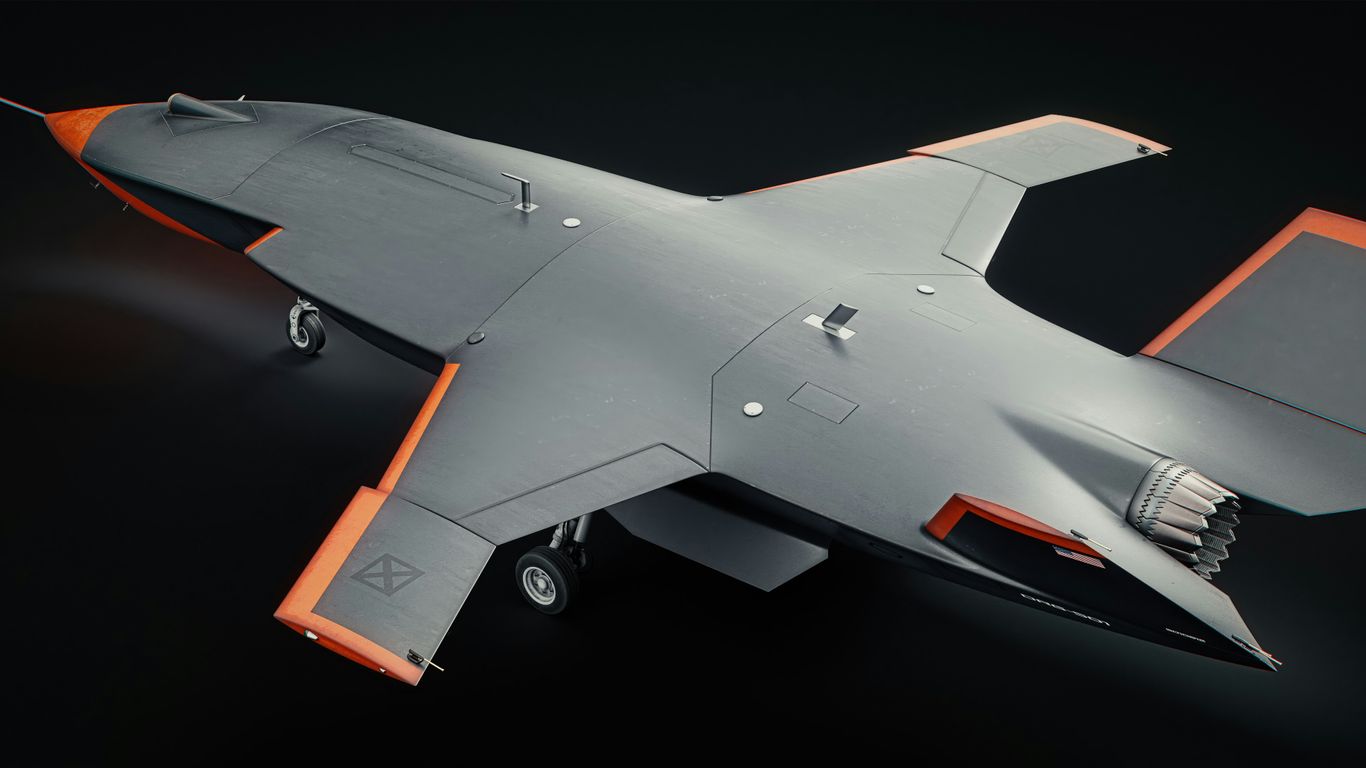
It’s getting tougher out there for communications. Adversaries are getting pretty good at messing with our signals – jamming them, faking them, or just listening in. So, keeping things connected when things get rough is a big deal.
AI-Enhanced Mesh Networks for Connectivity
Think of it like a spiderweb. Instead of one main line that can be cut, mesh networks spread the connection out. If one part gets damaged, the rest of the web can still work. Now, add AI to that. These smart networks can figure out the best way to send information, even if parts of the network go down. They can automatically reroute signals and fix themselves, keeping the lines of communication open when it matters most. It’s all about making sure the data keeps flowing, no matter what.
Detecting and Thwarting Wireless Espionage
Bad actors are always trying to snoop on wireless communications. Startups are building clever systems that use special radios to listen for suspicious signals. They can spot unusual activity that might mean someone is trying to spy on your communications. Once detected, these systems can help block or confuse the eavesdroppers, keeping your conversations private and secure. It’s like having a digital bodyguard for your wireless signals.
Alternative Navigation Solutions Beyond GPS
We all rely on GPS, but what happens when that signal is jammed or unavailable? It’s a big problem. That’s why new ideas are popping up. Some systems use motion sensors and other data to keep track of where you are, even without GPS. Others are looking at using existing radio signals from cell towers or even natural signals like Earth’s magnetic field to figure out location. The goal is to have reliable ways to know where you are, even if the sky is falling, so missions can continue without missing a beat.
Energy and Materials Independence as Strategic Imperatives
It’s becoming pretty clear that relying on other countries for the stuff we need to build our own tech isn’t a great long-term plan. We saw this with recent trade issues, where access to things like rare earth minerals got complicated fast. China, for example, has a huge chunk of the market for producing and processing many of these strategic minerals. When they put export controls on some of these materials, it really highlighted how dependent we’ve become.
Securing Critical Materials for Technological Leadership
This isn’t just about having enough parts; it’s about staying ahead. If we can’t get our hands on the raw materials needed for advanced batteries, AI chips, or even just basic electronics, our ability to innovate and lead in technology takes a serious hit. It’s like trying to build a house without any bricks. We need to find ways to get these materials reliably, and that means looking at new mining techniques and processing methods. Startups are stepping up here, trying to speed up the whole process from finding minerals to getting them ready for use. Companies are working on making mining more efficient, sometimes using automation to get real-time data straight to geologists, which helps find deposits faster. The nation that secures reliable access to both energy and the materials that enable its generation and storage will define the next era of technological leadership.
Foundational Energy Infrastructure for the Future
Powering all this new technology is a massive challenge. Think about how much electricity data centers alone are going to use – it’s projected to more than double. We need a solid energy foundation. This means looking at all sorts of options, from improving existing power grids to exploring new energy sources. Nuclear power is definitely part of the conversation for reliable, long-term energy. But it’s not just about generation; it’s also about storage and distribution. Battery technology is key, and companies are developing new materials to make batteries hold more power and last longer. We also need to think about how to keep the lights on even when demand spikes or when traditional power sources are strained. This is where things like distributed energy systems and grid stabilization come into play.
Bridging the Execution Gap in Mineral Production
Finding minerals is one thing, but actually getting them out of the ground and processed is another. There’s a gap between discovering a mineral deposit and having it ready for manufacturing. In the past, it took a really long time to get a mine up and running. Now, some startups are trying to change that. They’re building companies that handle everything from exploration to operation, aiming to bring new projects online much faster than before. This is important because the demand for these materials is only going up. We can’t afford to be slow when adversaries are moving quickly. It’s about more than just supply chains; it’s about national security and making sure we have what we need to build the future, right here at home. This is a big shift from just optimizing supply chains to making sure we have the basic building blocks for our own technological independence defense technology is rapidly advancing.
What’s Next for Defense Tech?
So, looking ahead, it’s pretty clear that 2026 is shaping up to be a big year for defense technology. We’ve seen how global events are pushing for new ideas, and how money is flowing into companies that can actually build these advanced systems. It’s not just about big, old companies anymore; a whole new group of startups is stepping up. They’re making things faster, smarter, and more adaptable. This shift means we’re likely to see even more innovation in the coming years, especially as governments and militaries realize they need these cutting-edge solutions to stay ahead. It’s an exciting time, and it’s going to be interesting to watch how these new players continue to change the game.
Frequently Asked Questions
Why are so many new defense technology companies starting up now?
It’s like a perfect storm! Tensions between countries are rising, making nations want stronger defenses. Also, the way governments buy new tech has gotten faster, and big tech companies are more interested in helping with national security. All these things together mean more money and more smart people are focusing on defense technology.
What does ‘autonomy moves from concept to combat’ mean?
It means that things like self-driving tanks or drones that can fly and fight on their own are moving from being just ideas or test projects to actually being used in real-world military situations. They are becoming a real part of how battles might be fought.
How is Artificial Intelligence (AI) changing defense work?
AI is being used in many ways, like helping to plan missions, making systems smarter, and even helping soldiers make decisions faster. It’s also being used behind the scenes to manage resources and make operations smoother. Think of it as making defense systems much more intelligent and efficient.
What is ‘advanced manufacturing’ in defense?
This is about using new ways to build military equipment, like 3D printing. It helps make things faster, cheaper, and more adaptable. This is especially important for things like making lots of bullets or drones quickly, which is something older factories struggle with.
Why is ‘network resilience’ important for defense?
In modern conflicts, enemies can try to jam or block communication signals. Network resilience means creating communication systems that can keep working even if parts are damaged or attacked. It’s like having a backup plan for your communication so you don’t get cut off.
What does ‘energy and materials independence’ mean for defense?
It means countries want to be able to get the important materials (like metals for batteries or electronics) and energy they need without relying too much on other countries. This is crucial because if another country controls these resources, they could control your ability to build advanced technology and defend yourself.