

Thinking about starting a business in 2026? It’s a good time to look ahead. Things are changing fast with new tech and how people want to work and shop. Finding the best business to start means looking at what’s coming next. We’ve put together some ideas that seem like they’ll do well, based on what experts are seeing. It’s all about finding a need and filling it, maybe with some smart tech or a new way of doing things.
Key Takeaways
- AI and automation are creating new opportunities for businesses that can help others use these tools.
- Remote work is here to stay, so businesses that help teams connect and feel like a team from afar will be in demand.
- Many companies need expert advice but can’t hire full-time executives, creating a market for flexible, part-time leadership services.
- There’s a growing interest in making homes more energy-efficient and sustainable, opening doors for green renovation consulting.
- People are looking for more than just advice; they want coaches who can actively help them execute plans and achieve results.
1. AI-Powered Business Operations Consulting
Alright, let’s talk about AI and how it’s changing the game for businesses. If you’re looking for a solid idea for 2026, helping companies figure out how to use artificial intelligence to run smoother is a big one. Think about it: most small and medium-sized businesses are swamped with daily tasks. They know AI could help, but they don’t have the first clue where to start. That’s where you come in.
Your job would be to look at how a company operates – from customer service to inventory – and figure out where AI tools can make things faster, cheaper, or just plain better. This could mean setting up chatbots to handle customer questions, using AI to predict when machines might break down so they can be fixed before they cause a huge problem, or even helping them make smarter decisions based on data. It’s about making their day-to-day work less of a headache.
Here’s a quick look at what you might help clients with:
- Automating repetitive tasks: Freeing up employees for more important work.
- Analyzing customer data: To understand what people really want.
- Improving supply chain efficiency: Making sure products get where they need to go without delays.
- Personalizing customer experiences: Making each customer feel special.
The market for this kind of help is really taking off. Companies are realizing that just having AI tools isn’t enough; they need people who know how to actually make them work for their specific business. You’ll need to stay on top of the latest AI developments, because things change fast, but if you’re good at explaining tech in simple terms and solving problems, this could be a really good path. It’s about making technology work for people, not the other way around. You can find more on how AI is shaping business in 2026 trends.
It’s not just about selling software; it’s about providing a service that genuinely makes businesses more efficient and competitive. And honestly, who doesn’t want that?
2. Remote Team Culture Platforms
Working from home is pretty much the norm now, right? But with everyone scattered, keeping a team feeling connected and like they’re actually part of something can be a real challenge. That’s where remote team culture platforms come in. These aren’t just fancy chat apps; they’re designed to help companies build and keep a strong vibe, even when nobody’s in the same office. Think of it as building a virtual water cooler and break room all rolled into one.
These platforms can do a bunch of things to make remote work feel less isolating. They might offer ways to do virtual team-building games, give shout-outs to people doing great work, or even just let you see who’s online and available for a quick chat. It’s all about making sure people feel seen and appreciated, no matter where they’re logging in from.
Here are some key features you’ll find:
- Virtual Social Spaces: Digital environments where team members can hang out, chat, and interact spontaneously, much like they would in a physical office. Some platforms even let you customize your avatar or workspace.
- Recognition and Rewards: Tools to publicly acknowledge achievements and contributions, helping to boost morale and reinforce positive behaviors.
- Pulse Surveys and Feedback: Quick ways to check in with the team’s mood and gather honest feedback on how things are going, allowing for quick adjustments.
- Team-Building Activities: Integrated or suggested activities designed to help colleagues bond and get to know each other better outside of regular work tasks.
Companies are looking for ways to keep their remote employees engaged and happy. Platforms like Gather are making waves by focusing on spontaneous interactions. Building one of these platforms could be a smart move because, let’s face it, keeping remote teams cohesive is only going to get more important.
3. Fractional Executive Services Marketplace
Lots of smaller companies and startups really need experienced leaders, like a CFO or a COO, but hiring someone full-time just isn’t in the budget. That’s where a fractional executive services marketplace comes in. Think of it as a place that connects these businesses with top-notch executives who can work on a part-time or project basis. It’s a smart way for companies to get the guidance they need without the big commitment.
This kind of platform usually has a few key things going for it. First, they do a good job of vetting the executives to make sure they’re actually as good as they say they are. Then, they use smart systems to match the right executive with the right business need. Plus, they often include tools to help manage the projects once they’re underway. It’s all about making the process smooth and effective for everyone involved.
How do these marketplaces make money? Usually, they take a cut from the deals they help make, and sometimes they charge a fee for businesses that want extra features or access to a wider pool of talent. It’s a business model that taps into the growing gig economy and the general move towards more flexible work arrangements. The demand for experienced leadership is high, and this setup makes it accessible. Women are increasingly taking on fractional executive roles, especially in marketing leadership. This trend indicates a broader shift in how businesses are approaching leadership models.
Here’s a quick look at what makes this idea work:
- Affordable Access: Small businesses get high-level support without the cost of a full-time hire.
- Skilled Talent Pool: Connects businesses with proven professionals.
- Flexibility: Executives can work with multiple clients, and businesses can scale support up or down.
- Efficiency: Streamlined matching and project management tools save time.
If you’re good at building networks and creating trust, this could be a really solid business idea for 2026. It fits right in with how work is changing.
4. Green Home Renovation Consulting
More and more people are thinking about how their homes affect the planet, and honestly, it makes sense. Utility bills keep going up, and nobody likes wasting energy. That’s where a green home renovation consulting business comes in. You’d be helping homeowners figure out how to make their places more energy-efficient and eco-friendly. Think about advising them on things like adding better insulation, installing smart thermostats that actually learn their habits, or even looking into solar panel options. It’s not just about saving the planet, though that’s a big part of it; it’s also about saving people money in the long run.
This is a business that taps into a growing desire for sustainability and practical cost savings.
Here’s a look at what you might offer:
- Energy Audits: Go into homes and pinpoint where energy is being lost. This could be leaky windows, poor insulation, or inefficient appliances.
- Material Recommendations: Suggesting eco-friendly building materials, paints with low VOCs (volatile organic compounds), and sustainable flooring options.
- System Upgrades: Advising on installing high-efficiency HVAC systems, tankless water heaters, or rainwater harvesting systems.
- Renewable Energy Integration: Helping homeowners understand and implement solar power, geothermal systems, or even small wind turbines if their location allows.
You could make money through consultation fees, but also by setting up partnerships with local contractors and suppliers who specialize in these green products. If you’re good at explaining complex ideas simply and have a knack for understanding building science, this could be a really solid venture for 2026.
5. Player-Coach Business Coaching
Running a business can feel like you’re playing a sport all by yourself. You’re the star player, the coach, and sometimes, even the water boy. It’s a lot. That’s where player-coach business coaching comes in. Think of it as having a seasoned pro on your team, not just telling you what to do, but getting in there and doing it with you.
This isn’t your typical advice-only coaching. A player-coach gets their hands dirty. They help with things like sales training, figuring out how to make your operations smoother, and even looking at how you can use new tech like AI to your advantage. It’s about direct action and real accountability.
Here’s what makes this model work:
- Hands-on Support: You get someone who understands the game and is willing to play it with you.
- Tailored Strategies: No cookie-cutter plans here. It’s all about what works for your specific business.
- Focus on Execution: The goal is to get things done, not just talk about them.
- Community Aspect: Often, these coaches build a network of other business owners, creating a supportive environment.
The core idea is to provide entrepreneurs with both strategic guidance and practical, in-the-trenches assistance. It’s perfect for small business owners who need more than just a pep talk; they need a partner who can help them win.
This approach is great for businesses in fields like home services, healthcare, or finance, where practical application is key. If you’re looking to build a business that truly helps others execute and grow, this model is a solid bet for 2026.
6. Micro-Logistics Delivery Platforms
Okay, so think about this: everyone’s ordering stuff online these days, right? Groceries, that new gadget, even prescriptions. But getting those things from the store or warehouse to your front door, especially super fast, is a whole other ballgame. That’s where micro-logistics delivery platforms come in. Basically, you’re building the tech that makes all those quick, local deliveries happen.
What does that actually mean? It means creating a system that can figure out the best way to get a delivery driver from point A to point B, maybe picking up a few things along the way. It’s all about making that last little bit of the journey – the ‘last mile’ – as smooth and speedy as possible. You’re connecting local businesses, like that corner bakery or the pharmacy down the street, with drivers who can make those deliveries happen.
Here’s a quick rundown of what makes these platforms tick:
- Route Optimization: Smart software that plans the most efficient paths for drivers, saving time and gas.
- Real-Time Tracking: Letting both the business and the customer see exactly where the delivery is.
- Driver Management: A way to connect with and manage a pool of delivery drivers, often using a gig economy model.
- Business Integration: Making it easy for local shops to plug their orders into your system.
The real magic is in making local delivery feel almost instant and totally reliable. You can make money in a couple of ways: charge businesses a monthly fee to use your platform (like a subscription) or take a small cut of each delivery fee. It’s a growing area because people just expect things to arrive quickly now. The tricky part? You’ve got to be good at managing the actual delivery process and keep up with all the local rules and regulations. But if you can build a solid system, there’s a lot of potential here.
7. Digital Learning Platforms
The way people learn new things is changing, and fast. With jobs shifting and new tech popping up all the time, folks need to keep their skills sharp. That’s where digital learning platforms come in. Think of them as online schools, but way more flexible and often focused on specific skills that are actually in demand right now, like coding, AI basics, or even how to be a better leader.
These platforms are becoming super important for both individuals trying to get ahead and companies wanting to train their staff. It’s not just about watching videos anymore, though. Good platforms offer ways to learn at your own speed, get feedback, and even connect with mentors. They’re a big deal because they help people adapt to the changing job market.
Here’s what makes a digital learning platform stand out:
- Adaptive Learning Paths: The system figures out what you know and what you need to work on, then tailors the lessons just for you. No more sitting through stuff you already mastered.
- Certifications: Getting a certificate at the end of a course can really help show off your new skills to potential employers.
- Live Mentorship: Sometimes you just need to ask a real person a question. Having access to experts who can guide you makes a huge difference.
- Community Features: Learning with others, sharing ideas, and working on projects together can make the whole experience more engaging.
Monetization usually happens through subscriptions – people pay a monthly or yearly fee – or by selling courses directly. Big companies also buy licenses to train their whole teams. It’s a solid business idea because the need for continuous learning isn’t going anywhere.
8. Wellness Coaching Services

People are really starting to focus on their well-being these days, and it’s not just about hitting the gym. We’re talking about a whole picture approach to feeling good, both mentally and physically. This is where wellness coaching comes in. It’s a field that’s seen a lot of growth, and for good reason. Think of it as personalized guidance to help folks live healthier, happier lives. It’s more than just telling someone to eat more vegetables; it’s about figuring out what works for them.
The demand for personalized health and lifestyle support is booming. Many individuals are looking for someone to help them sort through all the health advice out there and create a plan that actually fits their life. This could mean anything from improving diet and exercise habits to managing stress or even getting better sleep. It’s about making sustainable changes that stick.
Here’s a look at what a wellness coaching business might involve:
- Holistic Approach: Covering physical health, mental clarity, emotional balance, and even social connections.
- Personalized Plans: Tailoring strategies to individual needs, goals, and lifestyles.
- Accountability and Support: Helping clients stay on track and overcome obstacles.
- Education: Providing clients with the knowledge they need to make informed choices.
Some popular areas within wellness coaching include nutrition guidance, fitness planning, stress reduction techniques, and sleep improvement strategies. You might find yourself working with clients on everything from meal prepping to mindfulness exercises. It’s a really rewarding path if you enjoy helping people make positive changes. If you’re interested in this area, exploring different coaching niches can give you a better idea of where to focus your efforts.
9. Content Creation Agency
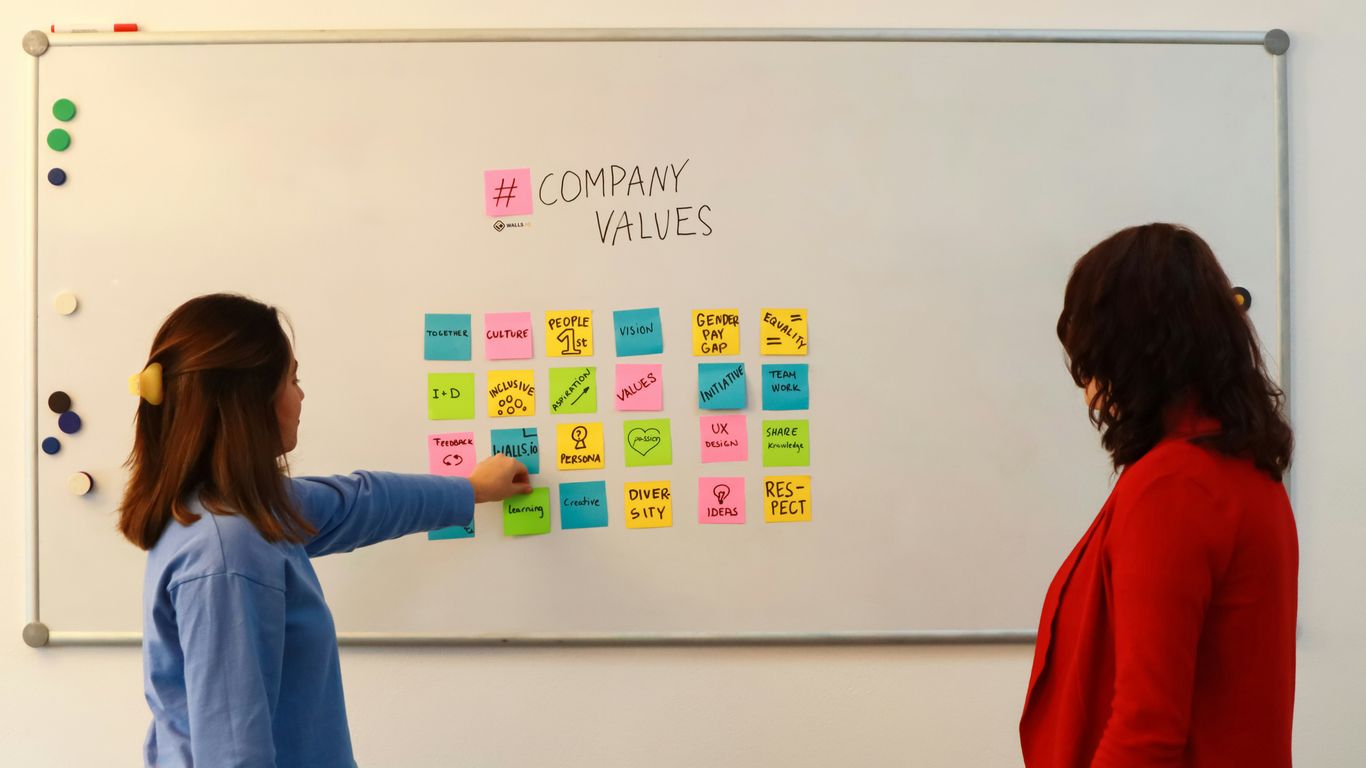
In today’s world, businesses big and small are constantly looking for ways to connect with their audience. And how do they do that? Through content. That’s where a content creation agency comes in. Think of it as a service that helps companies tell their story, sell their products, or just get their message out there.
The demand for good content is huge, and it’s only going to get bigger. Businesses need everything from blog posts and website copy to social media updates, videos, and even podcasts. It’s a lot for one company to handle on its own, especially if they don’t have a dedicated team for it. So, they turn to agencies that specialize in making this stuff.
What kind of content are we talking about?
- Blog articles and website copy
- Social media posts and graphics
- Video scripts and editing
- Podcast production and editing
- Email newsletters
- Infographics and other visual assets
Starting an agency like this doesn’t always need a massive pile of cash. You can begin by focusing on a few services you’re good at, maybe even working from home. Tools like Canva for design, Grammarly for writing, and basic video editing software can get you going without breaking the bank. As you get clients and build a reputation, you can expand your services and hire more people.
Here’s a quick look at how you might structure your services:
| Service Type | Description |
|---|---|
| Written Content | Blog posts, website copy, articles, emails |
| Visual Content | Graphics, infographics, social media images |
| Video & Audio | Scriptwriting, editing, podcast production |
| Social Media Mgmt. | Content planning, posting, engagement |
It’s all about helping businesses communicate effectively. If you’ve got a knack for writing, design, or video, this could be a really solid business idea for 2026.
10. Social Media Management
Okay, so social media. It’s not just for sharing vacation photos anymore, right? For businesses in 2026, it’s a pretty big deal. Small and even medium-sized companies are pouring money into it because they know it’s how they connect with people. But here’s the thing: keeping up with all the platforms, the trends, and actually making content that works? It’s a full-time job, and most business owners are already swamped.
That’s where you come in. Starting a social media management gig means you’re the one making sure their online presence is on point. You’ll be creating posts, figuring out what’s trending so they don’t look out of touch, and scheduling everything so it goes out at the right time. Tools like Hootsuite or Buffer are your best friends here, making the whole process smoother. The real win is showing clients clear results – like more engagement or better brand awareness.
Here’s a quick rundown of what you’d be doing:
- Content Creation: Coming up with posts, graphics, and maybe even short videos that fit the brand.
- Platform Management: Posting regularly, responding to comments and messages, and keeping profiles updated.
- Strategy & Analysis: Figuring out what works best for each client and tracking how their social media is performing.
- Trend Watching: Staying on top of new features and what’s popular so the client’s content feels fresh.
It’s a field that’s always changing, so you’ve got to be ready to learn. But if you’re good at communicating and understand how people interact online, this could be a really solid business idea. Plus, with so many businesses needing this help, you’re looking at a pretty good market. It’s a way to help companies grow without needing a huge startup budget, which is great for new entrepreneurs.
Ready to Make Your Move?
So, we’ve looked at some pretty interesting ideas for starting a business in 2026. Things are definitely changing fast, with tech like AI popping up everywhere and people wanting more sustainable options. It feels like there are a lot of chances out there, whether you’re thinking about helping other businesses with AI, creating tools for remote teams, or focusing on green energy. The main thing is to stay aware of what’s happening and be ready to adapt. Don’t be afraid to start small, test your ideas, and learn as you go. The future is open, and with the right approach, you can definitely find your place in it.