So, what’s this whole ‘business-to-consumer’ thing all about? Basically, it’s when companies sell stuff directly to you and me, the individual folks, instead of selling to other businesses. Think about your favourite online shop or that app you use for ordering food – that’s B2C in action. It’s all about making things easy, personal, and convenient for us buyers. We’ll be looking at some cracking b2c examples to see how it all works.
Key Takeaways
- Businesses connect directly with individuals, cutting out the middleman, which is the core of the B2C model.
- Successful B2C brands focus on making things easy and personal for the customer, from browsing to buying.
- Examples like Amazon, Shopify stores, and Warby Parker show how companies can really shake up their industries by selling direct.
- Marketing in B2C is about building relationships, using things like social media ads and loyalty schemes to keep customers coming back.
- Execution is key; a smooth mobile experience, quick delivery, and clear calls to action are vital for making sales happen.
Understanding the Business-to-Consumer Model
Defining Business-to-Consumer Sales
At its heart, the business-to-consumer (B2C) model is pretty straightforward: it’s how companies sell their products or services directly to us, the individual customers. Think about your last online purchase or a trip to the supermarket – that’s B2C in action. Unlike business-to-business (B2B) sales, which often involve lengthy negotiations between companies, B2C transactions are usually quicker and driven more by personal needs and desires. It’s about making things easily available for everyday people.
The main goal is to create a direct link between the business and the person buying the product. This means companies need to make their goods or services easy to find, appealing, and accessible. They do this through various means, from designing attractive websites and running social media ads to offering special deals and ensuring a smooth buying process. It’s a model that’s become incredibly common, shaping how we shop for almost everything.
The Direct Connection with Consumers
What really sets B2C apart is this direct line of communication and sales. Businesses aren’t selling to another company that then sells to the customer; they’re selling straight to you. This direct connection allows companies to get immediate feedback, understand what customers like (and don’t like), and adapt their offerings much faster. It’s a dynamic relationship where businesses can really get to know their audience.
- Speed: Decisions are often made quickly, sometimes on impulse.
- Emotion: Branding and how a product makes someone feel play a big role.
- Convenience: Easy access and a simple buying process are key.
This direct approach means businesses have to be really good at marketing themselves and making their products stand out. They need to capture attention and build trust quickly, often relying on things like attractive packaging, clear product descriptions, and positive customer reviews. It’s a constant effort to stay relevant in a busy marketplace.
The success of a B2C business hinges on its ability to connect with individual consumers on a personal level. This involves understanding their needs, preferences, and buying habits, and then tailoring the product or service, marketing message, and overall experience to meet those specific expectations. It’s about building a relationship, not just making a sale.
Accessibility and Consumer-Centric Value
Accessibility is a huge part of the B2C model. Businesses aim to make their products and services available through as many convenient channels as possible, whether that’s a physical shop, a website, a mobile app, or even social media. The focus is always on the consumer – what do they want, and how can the business provide it in the easiest and most satisfying way? This consumer-centric approach means businesses are constantly thinking about the customer experience from start to finish.
For example, a company might offer:
- Multiple payment options.
- Easy returns policies.
- Customer support available through chat, email, or phone.
Ultimately, B2C is all about making it simple and appealing for individuals to buy what they need or want, directly from the company that makes or provides it. It’s a model that’s become a cornerstone of modern commerce, shaping how we interact with brands every single day.
Key Business-to-Consumer Examples in Action
When businesses talk directly to us, the shoppers, it really changes things. It’s not just about selling stuff; it’s about making us feel understood and making buying easy. Let’s look at a few companies that have really nailed this.
Amazon’s Hyper-Personalised Shopping Experience
Amazon is the big one, isn’t it? They’ve built their whole empire on knowing what we want, sometimes before we do. Think about it: you look at a product, and suddenly, ads for similar things pop up everywhere. That’s their algorithm at work, trying to keep you on their site. They also make it super simple to buy things with that one-click option, and getting stuff the next day is pretty standard now. It feels like they’ve got everything, and they make it incredibly easy to find and buy it.
The sheer convenience and the feeling that the platform is tailored to your individual tastes are what keep millions coming back. It’s a masterclass in using data to make shopping feel personal.
Shopify Boutiques: Nimble Online Storefronts
Then you have all the smaller shops that use platforms like Shopify. These are often run by individuals or small teams who are passionate about what they sell, whether it’s handmade jewellery, unique clothing, or artisan coffee. Because they’re not bogged down by huge corporate structures, they can be really flexible. They get to build their own brand identity, talk directly to their customers on social media, and often offer a more personal touch. It’s great for us because we get access to unique products and can support smaller businesses directly.
- Direct Communication: You can often message the shop owner directly with questions.
- Unique Products: Access to items you won’t find on the high street.
- Personalised Service: A more human touch compared to large corporations.
Warby Parker’s Disruption of Eyewear Retail
Warby Parker really shook up the glasses industry. Before them, buying glasses often meant a trip to a specific optician, dealing with insurance, and waiting weeks. Warby Parker decided to cut out a lot of that hassle. They let you try on frames at home before you buy, which is a brilliant idea. Plus, they handle the prescription side of things and sell directly to you online or in their own stores. They proved that you could offer stylish, affordable glasses with a focus on customer convenience. It’s a prime example of a company looking at an old industry and finding a much better way for the customer.
- Try-at-Home Programme: Reduces the risk of buying glasses online.
- Direct Sales Model: Cuts out middlemen, potentially lowering costs.
- Integrated Experience: Combines online browsing with physical stores and prescription services.
Showcasing Business-to-Consumer E-commerce Successes
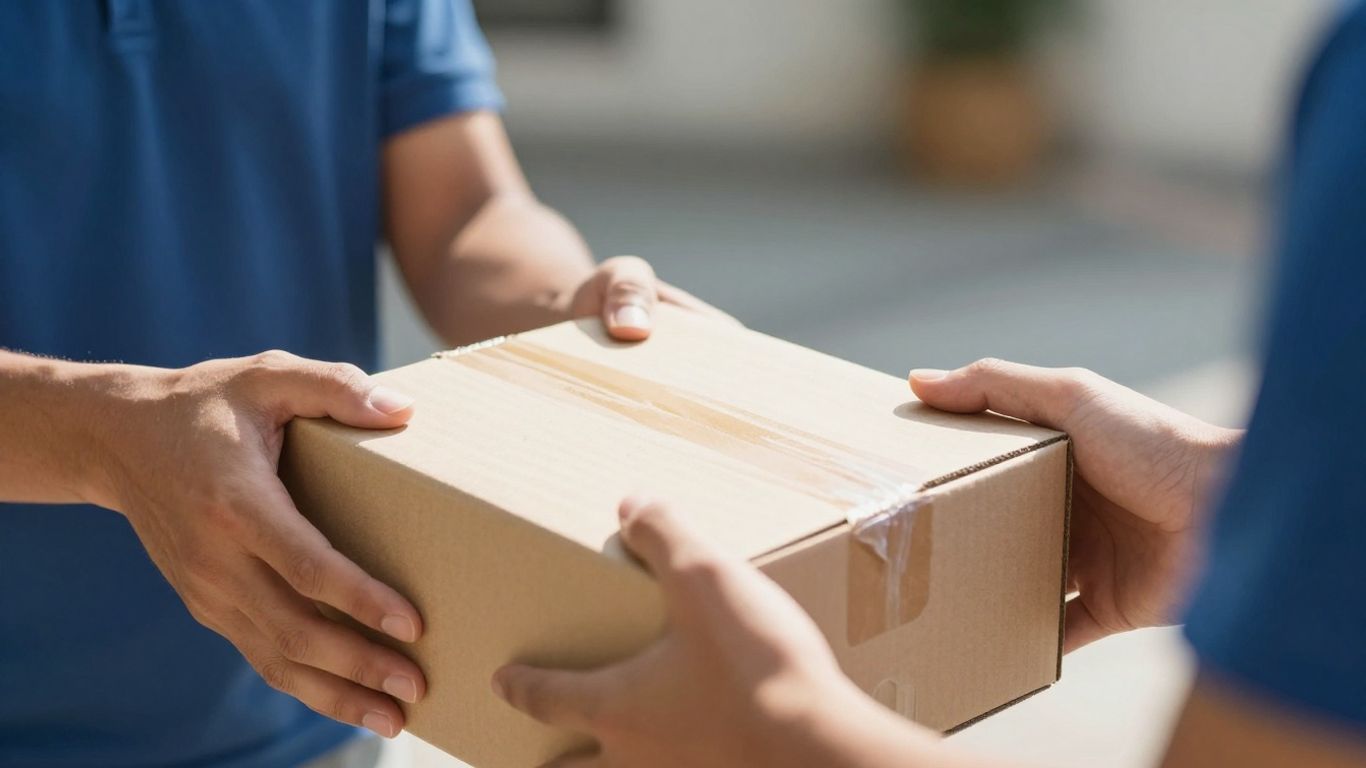
Right then, let’s look at some actual businesses that are absolutely smashing it in the direct-to-consumer space. It’s not just about having a website; it’s about creating an experience that makes people want to come back. These examples show how brands are getting it right, blending convenience with that all-important emotional connection.
Nike’s Gamified Engagement and Exclusive Drops
Nike really knows how to get people excited. They’ve moved beyond just selling trainers; they’ve built a whole ecosystem. Their SNKRS app, for instance, isn’t just for buying shoes. It’s a bit like a game, with limited releases and special drops that create a real buzz. This scarcity and reward system makes customers feel like they’re part of something exclusive. It’s a clever way to keep people engaged and coming back for more, turning a simple purchase into an event.
Glossier’s Community-Powered Beauty Brand
Glossier is a prime example of a brand that grew from the ground up using social media. They started by building a community, and that community now helps shape their products. It’s a brilliant business-to-consumer model because customers feel heard and involved. They go from seeing something on Instagram to buying it in just a few clicks. It proves that a good story and a connected audience are just as important as the product itself. This approach has helped them build a loyal following and a strong brand narrative.
Zappos’ Customer-First Approach to Online Shopping
Zappos is famous for putting its customers at the heart of everything. They really took the anxiety out of buying shoes online. Think about it: free shipping, super easy returns, and a customer service team that actually seems to care. They showed that you can build loyalty not just by having great products, but by having policies that respect your customers’ time and money. It’s all about making the shopping experience as smooth and trustworthy as possible, which is a big deal when you can’t try things on first. This focus on service is a key part of their B2C ecommerce success.
The common thread running through these successful B2C e-commerce brands is a deep understanding of their customer. They’re not just selling products; they’re building relationships. This means paying attention to every little detail, from how easy the website is to use to how quickly an order arrives. It’s about making the entire process feel personal and hassle-free, even when it’s all happening online.
Effective Business-to-Consumer Marketing Strategies
Right then, let’s talk about how businesses actually get their stuff in front of us, the consumers. It’s not just about having a good product; it’s about making sure we know about it and actually want it. In today’s world, you can’t just shout into the void and expect people to listen. Consumers are bombarded with messages, so brands need to be smart about how they connect. The goal is to be noticed, be liked, and be bought from.
So, what are the tricks of the trade? Well, it’s a mix of things, really. Think about how you see ads yourself – some are just annoying, others… well, they actually make you stop and look.
Personalised Social Media Advertising
This is a big one. You know how sometimes you look at something online, and then suddenly, you see ads for it everywhere? That’s personalised advertising. Companies use data about what you like, what you search for, and what you click on to show you ads they think you’ll be interested in. It feels a bit like they’re reading your mind, but it often works because it feels more relevant than a generic ad. It’s like getting a recommendation from a friend, rather than a stranger.
Influencer Partnerships for Brand Humanisation
Another popular tactic is working with influencers. These are people who have a following on social media, and they talk about products they like. When an influencer shows off a product, it feels more real and less like a corporate advertisement. They can show you how they use it in their everyday life, which helps you imagine yourself using it too. It’s a way to make a brand seem more human and relatable, especially to younger audiences.
Mobile-First SMS and Email Campaigns
Most of us check our phones constantly, right? So, businesses are designing their emails and text messages to be easy to read on a small screen. This means short, punchy messages with clear calls to action. They’re not just sending out mass emails anymore; they’re trying to make them feel like a personal message, often using information they have about you to make it more specific. It’s all about getting your attention quickly and making it easy to respond.
Loyalty Programmes for Emotional and Transactional Bonds
Who doesn’t like a bit of a reward? Loyalty programmes are a classic for a reason. They encourage you to keep coming back by offering perks, discounts, or exclusive access. Think of coffee shop loyalty cards or airline miles. These programmes build a connection with you, not just because you get something out of it, but because it makes you feel like a valued customer. It’s a way to create both a practical reason (saving money) and an emotional reason (feeling appreciated) to stick with a brand. These strategies are all part of how businesses try to connect with their audience in a crowded marketplace.
The key to effective B2C marketing isn’t just about shouting the loudest. It’s about understanding who you’re talking to, what they care about, and how to reach them in a way that feels natural and helpful, not intrusive. It’s a constant balancing act between getting your message across and building a genuine relationship.
Business-to-Consumer Across Diverse Industries
It’s easy to think of B2C as just online shops selling clothes or gadgets, but the direct-to-consumer model is popping up everywhere these days. Industries that used to feel a bit complicated or hard to get into are now making things much simpler for us.
Transforming Wellness with Digital Solutions
Remember when getting advice on health or fitness meant booking an appointment weeks in advance? Well, that’s changing. Now, you can get personalised vitamin plans suggested by apps, have therapy sessions right from your phone, or get workout routines that adjust as you go. It’s all about making wellness more accessible and tailored to what you need, when you need it. You buy and manage it all directly, cutting out the middle steps.
The Rise of B2C in Financial Services
Money matters can feel a bit daunting, right? But B2C is shaking things up here too. Instead of just traditional banks, we’re seeing more ‘robo-advisors’ that help manage investments automatically. Peer-to-peer lending platforms let people lend money directly to each other, and digital wallets make paying for things super quick. It’s a move towards finance that’s controlled by you, on your phone, and works at your pace.
Seamless Travel Planning Through B2C E-commerce
Planning a holiday used to involve juggling airline websites, hotel booking sites, and separate pages for activities. Now, many travel companies let you sort out your flights, accommodation, and even day trips all in one place. You can build your whole trip and book it instantly, making the whole process feel much smoother and less like a chore. This direct approach means less hassle for travellers and more control over their plans.
The common thread across all these different sectors is making things easier for the person buying. Whether it’s a new health tracker or a holiday booking, the experience needs to be straightforward, quick, and build trust. It’s about cutting out the confusing bits and getting straight to what you want.
Driving Business-to-Consumer Sales Through Execution
Right then, let’s talk about actually making those B2C sales happen. It’s not just about having a decent product or a slick website; it’s about how you put it all together. Think of it like baking a cake – you need good ingredients, sure, but if you mess up the baking time or the order you add things, it’s going to be a disaster. The same applies here. Every single touchpoint a customer has with your brand needs to feel right, making them feel good about spending their money and, hopefully, coming back for more.
The Importance of Mobile-Optimised User Experience
Honestly, if your website isn’t playing nice on a phone, you’re probably losing a chunk of business. Most people are browsing and buying on their phones these days, so it’s got to be easy to use. No one wants to be pinching and zooming all over the place just to find the ‘add to basket’ button. It needs to load fast, look good, and be simple to click around on, no matter what size screen they’re using.
Fast Delivery and Instant Gratification
We live in a world where we want things now, don’t we? If someone decides they want something, they usually want it pretty quickly. This means getting orders out the door fast is a big deal. Whether it’s same-day delivery for local customers or just making sure online orders are dispatched within 24 hours, speed counts. For digital services, it means instant access the moment they pay. It taps into that feeling of ‘yes, I got what I wanted, right away’.
Clear Calls-to-Action and Emotionally Resonant Branding
So, what do you actually want people to do? ‘Buy Now’, ‘Sign Up’, ‘Learn More’? Whatever it is, make it super obvious. Don’t make them hunt for it. But it’s not just about telling them what to do; it’s about why they should do it. People connect with brands that feel like them, that share their values, or just have a style they like. This emotional connection is what turns a casual browser into a loyal customer. It’s about building a relationship, not just making a quick sale.
The entire customer journey, from the first time they hear about you to the moment they receive their order (and beyond), needs to feel smooth and reassuring. Any hiccup can make them think twice. It’s about building trust at every single step.
Wrapping It Up
So, we’ve looked at how businesses can talk straight to us, the shoppers. It’s all about cutting out the middleman and making things easier for everyone. Whether it’s a slick app, a friendly shop assistant, or just a website that’s simple to use, the goal is the same: get the product or service to us directly. It seems like the businesses that do this best are the ones that really listen and adapt, making us feel like they get what we want. It’s a busy world out there, and getting that direct connection right is pretty much key for any company wanting to stick around.
Frequently Asked Questions
What exactly is B2C?
B2C simply means ‘business-to-consumer’. It’s when a company sells its products or services straight to you, the individual customer, instead of selling to another business. Think of buying a new video game or ordering a pizza – that’s B2C in action!
How is B2C different from B2B?
B2C is about selling to individuals like you and me for personal use. B2B, on the other hand, is when a business sells to another business, often for their own operations. B2C sales are usually quicker and more about personal choice, while B2B can involve bigger deals and longer decision-making.
Can you give an example of a B2C company?
Loads of companies you know are B2C! For instance, when you buy clothes from Nike online, or stream music on Spotify, or get a coffee from Starbucks, those are all examples of businesses selling directly to consumers.
What makes a B2C business successful?
Successful B2C businesses make it easy and enjoyable for you to buy. They focus on things like having a user-friendly website, offering quick delivery, making their products look appealing, and connecting with customers through social media or loyalty schemes. It’s all about making the customer feel valued.
What is B2C e-commerce?
B2C e-commerce is just a fancy way of saying online shopping where you buy directly from a company. So, when you buy something from an online shop like Amazon or a brand’s own website, that’s B2C e-commerce. It’s all about buying things over the internet from businesses.
Why do companies use the B2C model?
Companies use the B2C model because it lets them build a direct relationship with their customers. This means they can get feedback faster, understand what people really want, and create special offers or products just for them. It helps them build a strong brand and keep customers coming back.