Selling directly to people, rather than other businesses, is a big deal for companies these days. It’s all about how businesses connect with us, the everyday shoppers. Think about your favourite online store or that coffee you love that you can now order straight to your door. That’s B2C in action. We’re going to unpack what that means and look at some real-world b2c examples to see how it all works.
Key Takeaways
- Business-to-consumer (B2C) means selling products or services straight to individual customers, unlike selling to other businesses (B2B).
- Direct-to-consumer (DTC) is a type of B2C where brands bypass middlemen and sell directly through their own channels.
- B2C fulfillment involves handling smaller, individual orders quickly and getting them to people’s homes, which is different from B2B’s bulk shipments to businesses.
- Technology like automated systems and good customer relationship management (CRM) tools are important for making B2C operations run smoothly.
- Companies like Illy Caffè, Harney & Sons, and DHL show how different businesses use B2C strategies to reach customers and manage sales effectively.
Understanding the B2C Landscape
Defining Business-To-Consumer Transactions
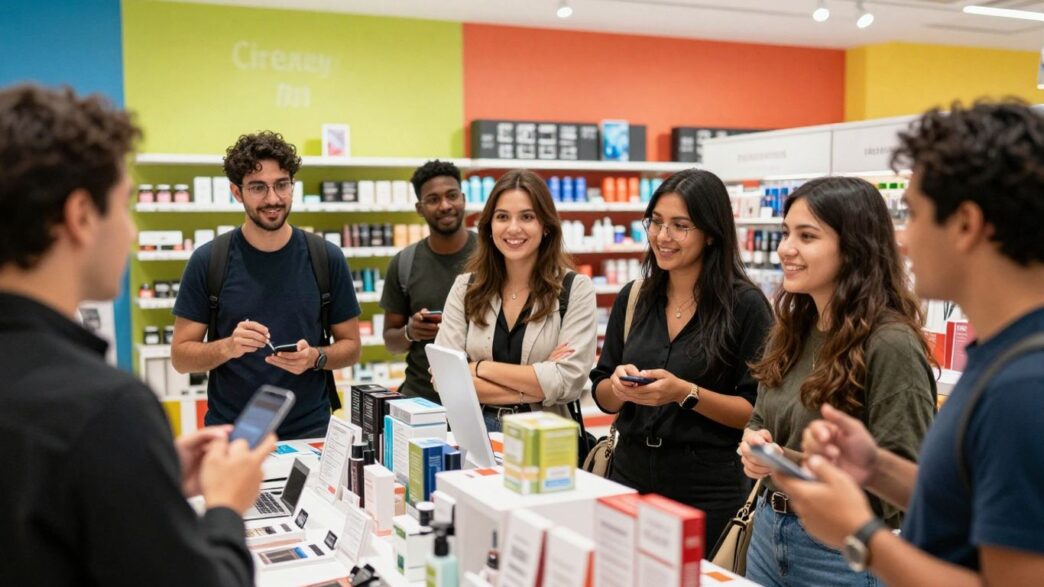
Business-to-consumer (B2C) is all about companies selling their goods and services straight to us, the individual shoppers. Think about buying a new jumper online, ordering a pizza for delivery, or even booking a holiday – these are all classic B2C examples. It covers a massive range of sectors, from the clothes we wear and the food we eat, to the entertainment we enjoy and the holidays we take. Whether it’s a small independent shop or a huge global brand, a physical store or an online giant, if they’re selling directly to you, that’s B2C in action. This direct connection gives businesses a lot more say in how you experience their brand, letting them tailor their marketing and product ideas specifically for us.
B2C Versus Direct-To-Consumer Models
People often use ‘B2C’ and ‘Direct-to-Consumer’ (DTC) interchangeably, and while they’re very similar, there’s a slight difference. DTC is really a specific type of B2C. In a DTC model, a brand cuts out the middlemen – like wholesalers or retailers – and sells its own products directly to customers, often through its own website. This gives them even more control over the entire customer journey. B2B, on the other hand, is completely different; that’s when businesses sell to other businesses, like a software company selling its product to another firm.
Key Industries Embracing B2C
Loads of industries have really leaned into the B2C model, especially with the rise of online shopping. Here are a few big ones:
- Retail and E-commerce: This is probably the most obvious. From fashion and electronics to homeware and books, online stores are a massive part of B2C.
- Food and Beverage: Think meal kit deliveries, online grocery shopping, and direct sales of speciality items like coffee or wine.
- Hospitality and Travel: Booking hotels, flights, or experiences directly through a company’s website falls under B2C.
- Entertainment: Streaming services, online gaming, and ticket sales for events are all B2C.
The shift towards businesses selling directly to consumers means that every interaction, from the first click on a website to the moment a package arrives, becomes a chance to build a relationship. It’s not just about the product anymore; it’s about the whole experience.
Navigating the Shift to B2C Fulfillment
So, you’ve got a handle on selling to other businesses, which is great. But now you’re thinking about selling directly to customers, and that’s a whole different ball game. The online shopping world is booming – think trillions of pounds in sales globally. It’s a massive opportunity, and you’d be mad not to want a piece of it. But here’s the thing: selling to individuals means dealing with people who want their stuff fast, are more likely to send things back, and can make your year incredibly busy during peak times. It’s not just about changing who you sell to; it’s about completely rethinking how your whole operation works.
The Growing E-commerce Opportunity
The digital marketplace is expanding at an incredible rate. More and more people are choosing to shop online for everything from their weekly groceries to the latest gadgets. This shift presents a huge chance for businesses to reach a wider audience than ever before. This growth isn’t just a trend; it’s a fundamental change in how consumers shop.
| Year | Global Retail E-commerce Sales (Trillions) |
|---|---|
| 2024 | 5.8 |
| 2028 | 6.8 |
Rethinking Fulfillment Strategies for Consumers
When you move from business-to-business (B2B) to business-to-consumer (B2C) fulfillment, you’re stepping into a world with different expectations. B2B orders are often large, predictable, and go to business addresses with flexible delivery times. B2C orders, on the other hand, are usually smaller, more varied, and need to get to people’s homes, often with tight delivery windows. This means your processes need to be quicker, more accurate, and much more customer-focused.
- Order Volume: Expect many small orders instead of a few big ones.
- Delivery Speed: Customers want things quickly – think next-day or even same-day.
- Returns: You’ll need a straightforward and customer-friendly returns process.
- Customer Service: Support needs to handle a high volume of individual queries.
The way you handle orders, store your products, and get them to the customer’s doorstep needs a serious overhaul. It’s about making sure each individual customer has a good experience, from the moment they click ‘buy’ right through to when they receive their package.
Core Components of a B2C Fulfillment Strategy
Getting B2C fulfillment right involves several key areas working together smoothly. You can’t just tweak your old B2B system; you need to build something new that’s designed for the individual customer.
- Inventory Management: You need to keep track of lots of different products, predict what people will buy (even when it’s unpredictable!), and make sure you don’t run out of popular items or end up with too much stock.
- Order Processing: Systems need to handle orders from all your sales channels, sort them quickly, and give you a clear view of what’s happening with each one, especially during busy periods.
- Warehouse Operations: Your warehouse needs to be set up for speed and accuracy. This might mean different layouts, better ways of picking items, and careful packing to make sure products arrive in good condition.
- Shipping and Delivery: Working with delivery companies is key. You’ll want to offer different shipping options, get good rates, and provide customers with tracking so they know where their order is.
Optimising B2C Operations with Technology
Running a B2C operation means dealing with a lot of individual orders, each with its own quirks. Trying to manage all that manually just doesn’t cut it anymore. Technology is the key to making things run smoothly, cutting down on mistakes, and keeping customers happy. It’s not just about having a website; it’s about the systems working behind the scenes.
The Role of Process Automation
Automation is a game-changer for B2C. Think about all the repetitive tasks involved in getting an order from the website to the customer’s doorstep. Automation can handle a lot of this, freeing up your staff for more important jobs. This includes things like automatically routing orders to the right warehouse, sending out shipping notifications, or even managing basic customer queries. It helps speed things up and reduces the chance of human error, which is pretty important when you’re dealing with potentially thousands of orders a day.
- Automated Order Routing: Directs orders to the most suitable fulfillment centre based on stock levels and customer location.
- Inventory Updates: Real-time syncing across sales channels to prevent overselling.
- Customer Notifications: Automated emails or texts for order confirmation, shipping, and delivery.
- Returns Management: Streamlining the process for customers to initiate and track returns.
Implementing automation isn’t just about efficiency; it’s about building a more reliable system that can scale as your business grows. It means fewer headaches for your team and a better experience for your customers.
Integrating Warehouse Management Systems
A good Warehouse Management System (WMS) is like the brain of your warehouse operations. For B2C, it needs to be smart enough to handle a high volume of diverse products and individual orders. It helps you keep track of exactly what you have, where it is, and how quickly it’s moving. This means better inventory accuracy, which is vital to avoid disappointing customers with out-of-stock items. A well-integrated WMS can also guide your warehouse staff through picking and packing, making sure the right items are sent out quickly and correctly.
Leveraging Customer Relationship Management Tools
Customer Relationship Management (CRM) tools are essential for understanding and interacting with your B2C customers. While B2B often involves long-term relationships with a few key clients, B2C is about managing many individual transactions. A CRM helps you keep track of customer purchase history, preferences, and any past interactions. This information allows for more personalised marketing, better customer service, and can even help predict future buying behaviour. For example, consolidating customer data can help you understand purchasing trends across different regions, like how illy Caffè might tailor its offerings in Malaysia versus Singapore based on past sales.
| Feature | B2B Focus | B2C Focus |
|---|---|---|
| Customer Data | Account history, contract details | Purchase history, preferences, communication logs |
| Communication | Account manager, negotiated terms | Personalised offers, support tickets, feedback |
| Sales Process | Long sales cycles, relationship building | Transactional, quick resolution, repeat business |
| Marketing | Targeted campaigns to specific accounts | Broad reach, personalised recommendations |
Key Differences: B2B Versus B2C Fulfillment
So, you’re thinking about selling directly to customers, huh? It’s a big step, and it means your whole approach to getting products out the door needs a serious rethink. Selling to other businesses (B2B) is a different ballgame entirely compared to selling to individuals (B2C). It’s not just about changing who you send invoices to; it’s about how you handle everything from the moment an order comes in to when it lands on someone’s doorstep.
Order Characteristics and Volume
Think about the orders themselves. B2B orders are often big. We’re talking cases or pallets of the same thing, sent to a business address. They’re usually predictable, too – a shop might order stock every month. This means you’re dealing with fewer, larger shipments. B2C, on the other hand, is all about the individual. You’ll get lots of small orders, maybe just one or two items, going to different homes all over the place. The volume can be huge, especially during sales, and the items in each order can be really varied. This high volume of small, diverse orders is the defining feature of B2C fulfillment. It’s a completely different rhythm to manage.
| Aspect | B2B Fulfillment | B2C Fulfillment |
|---|---|---|
| Order Size | Larger quantities, often bulk | Smaller quantities, individual units |
| Order Frequency | Less frequent, predictable | High frequency, less predictable |
| Product Variety | Limited SKUs, consistent products | High SKU diversity, changing inventory |
| Order Volume | Lower volume, higher value per order | High volume, lower value per individual order |
| Delivery Destination | Commercial addresses, business locations | Residential addresses, individual consumers |
Delivery Expectations and Destinations
Where the package is going and when it needs to get there are also massive differences. B2B deliveries usually go to business addresses, and businesses are generally okay with deliveries happening during standard working hours. They might even schedule deliveries. For consumers, though? It’s all about speed and convenience. People expect their online orders to arrive quickly, often within a day or two, and they want them delivered to their homes, which can include evenings and weekends. Getting the right item to the right person, fast, is what B2C is all about. This is why having a solid e-commerce platform is so important for managing these expectations.
Customer Relationships and Communication
Finally, how you talk to your customers and the kind of relationship you build is miles apart. With B2B, you’re often dealing with established relationships, account managers, and negotiated terms. It’s more about long-term partnerships. For B2C, it’s a different story. You’re interacting with individual customers, often for the first time with each order. They want real-time updates – where’s my package? – and easy ways to sort out problems or make returns. The focus is on providing a smooth, positive experience for each person, every time.
The shift from B2B to B2C fulfillment isn’t just an operational tweak; it’s a fundamental change in how you view your customer and their journey. Speed, accuracy, and a positive unboxing experience become paramount, often taking precedence over the cost-efficiency that might drive B2B decisions.
The B2C Fulfillment Process Unpacked
From Order Placement to Processing
So, a customer’s clicked ‘buy’ on your website. What happens next? Well, your e-commerce system grabs all the important bits: where to send it, how they’re paying, and what they’ve ordered. It’s a quick check to make sure the payment’s gone through and that you actually have the items in stock. This initial verification is absolutely key to avoiding disappointed customers later on.
Efficient Picking, Packing, and Shipping
Once the order’s confirmed, it’s off to the warehouse. Staff get a list – either on a screen or a bit of paper – telling them exactly what to grab. They then find those items and bring them to a packing station. Here, the magic happens: choosing the right box, adding bubble wrap or paper so nothing gets bashed about, popping in a packing slip, and maybe even a little thank-you note or a free sample. After that, it’s weighed, labelled, and sorted for the delivery company. You’ll usually get a tracking number sent straight to the customer so they can follow its journey.
Streamlining Returns Processing
Things don’t always go to plan, and sometimes customers need to send items back. The fulfillment process doesn’t stop there. It also involves receiving those returns, checking them over to see if they can go back on the shelf, need fixing, or are just a write-off. Getting this bit right is just as important as sending the order out in the first place.
The entire journey from a customer clicking ‘buy’ to them opening their parcel is a direct reflection of your brand. Every step, from the confirmation email to the speed of delivery and the way the item is presented, matters. Getting this right can turn a one-time buyer into a regular.
Here’s a quick look at how B2C orders typically differ from B2B ones:
| Aspect | B2B Fulfillment | B2C Fulfillment |
|---|---|---|
| Order Size | Larger quantities, fewer product types | Smaller quantities, wider product variety |
| Order Volume | Lower volume, higher value per order | High volume, lower value per order |
| Delivery | Business addresses, scheduled delivery windows | Residential addresses, faster delivery expectations |
| Customer Relationship | Long-term partnerships, account management | Individual transactions, focus on experience |
Benefits of Embracing B2C Fulfillment
So, you’re thinking about shifting some focus towards selling directly to customers? It’s a big move, and honestly, it can feel a bit daunting at first. But the upsides are pretty significant, and they go way beyond just selling more stuff. Getting your head around B2C fulfillment can really open up new avenues for your business.
Diversifying Revenue Streams
One of the most immediate advantages is that you’re not putting all your eggs in one basket anymore. Relying solely on business-to-business (B2B) sales can be risky, especially when the economy gets a bit wobbly. By adding direct-to-consumer (B2C) sales, you create a more stable income. Plus, you can often charge a bit more for certain services that consumers appreciate, like special gift wrapping or custom packaging. It’s about building a more resilient financial structure for your company.
Driving Technology Innovation
Dealing with individual customer orders, each with its own quirks and delivery needs, really pushes you to get smarter with your operations. You’ll find yourself looking at ways to automate tasks, perhaps integrating better warehouse management systems, or even using customer relationship management (CRM) tools more effectively. This push for better technology doesn’t just help your B2C side; it often improves your B2B operations too, making everything run more smoothly and efficiently across the board.
Expanding Market Reach
When you start fulfilling orders directly to consumers, you’re suddenly able to reach a whole new group of people. This isn’t just about selling more products; it’s about building brand awareness with a wider audience. You might find yourself exploring new geographical areas or even different types of customer segments you hadn’t considered before. It’s a chance to grow your business in ways you might not have thought possible.
The shift to B2C fulfillment means you’re not just moving boxes; you’re managing individual customer experiences. This requires a different approach to logistics, focusing on speed, accuracy, and presentation for each order, which in turn can lead to greater customer loyalty and repeat business.
Real-World B2C Examples in Action
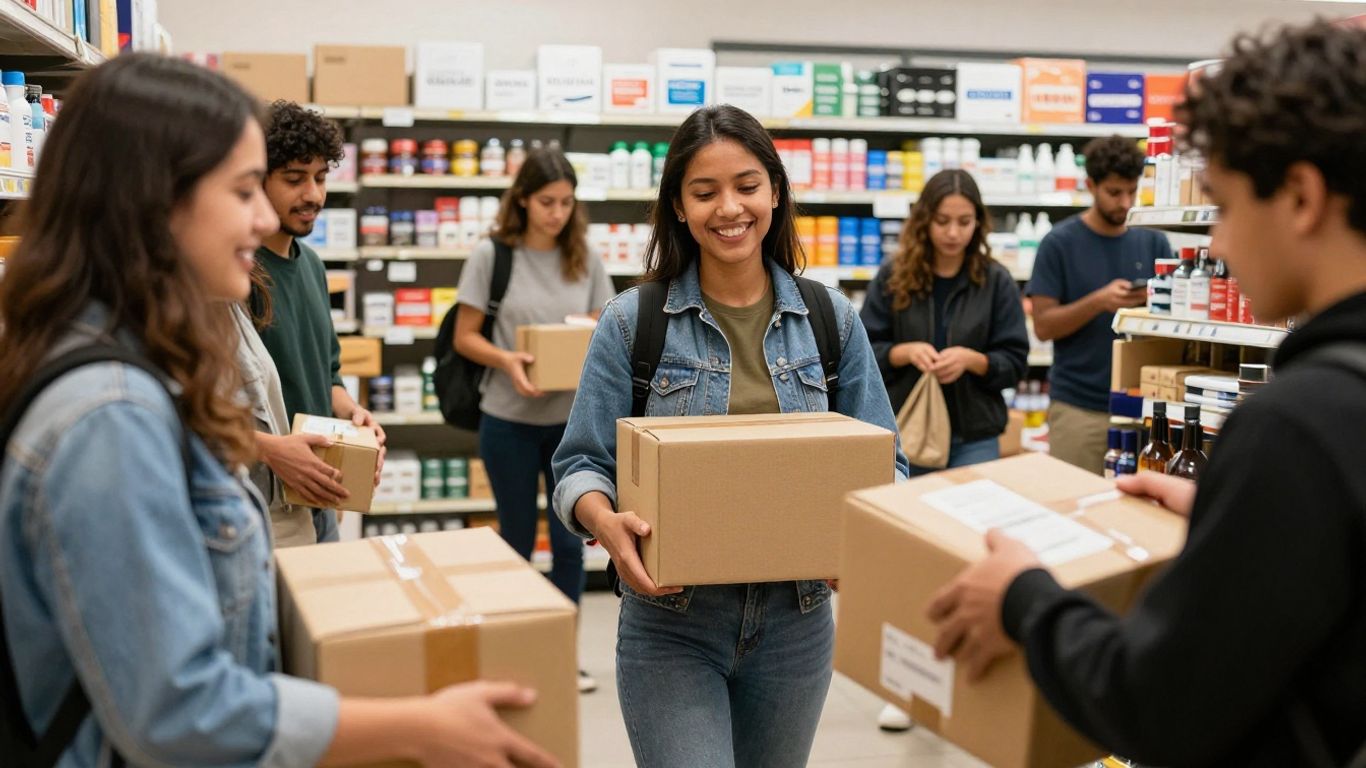
It’s one thing to talk about B2C fulfillment and the tech that goes with it, but it’s another to see how actual companies are making it work. Let’s look at a few examples that show different sides of the B2C coin.
Illy Caffè’s Malaysian and Singaporean Distribution
Illy Caffè, the fancy Italian coffee brand, needed a solid way to get its products to customers in Malaysia and Singapore. They partnered with Cedro Sdn. Bhd, a company that specialises in B2C distribution. Cedro uses a Software as a Service (SaaS) platform to manage everything from orders to stock levels. This means they can keep track of product batches and expiry dates, which is pretty important for food and drink. Plus, it speeds up how quickly they can get orders out the door. This shows how technology can really streamline the process for getting goods from a warehouse to someone’s doorstep.
Harney & Sons’ CRM Consolidation
Harney & Sons, a tea company, ran into a common problem: their customer information was all over the place. They had data in their customer relationship management (CRM) system, their email marketing tools, and their analytics platforms. It was a mess, and it made it hard to give customers a consistent experience. When they tried to add a text messaging service, it didn’t work well because they couldn’t link it to their other customer data. They ended up using a bunch of different tools, which is expensive and confusing.
By switching to a unified platform, they managed to bring all their customer data together. This meant they could send more personalised messages and keep track of things like loyalty programmes and subscriptions more easily. It saved them time and made it simpler to manage customer relationships without needing a whole team of tech experts.
The takeaway here is that having all your customer information in one place makes a huge difference. It’s not just about sending emails; it’s about understanding the whole customer journey and making it smooth.
DHL’s Dual B2B and B2C Support
DHL is a giant in the logistics world, and they’re a great example of a company that handles both business-to-business (B2B) and business-to-consumer (B2C) deliveries. They have to be good at sending large shipments to other businesses, which often have different delivery needs and schedules. But they also have to be brilliant at sending individual packages to people’s homes, which usually means faster delivery times and more detailed tracking information.
Here’s a quick look at how their needs differ:
- Order Size: B2B orders are often bigger and more predictable, while B2C orders are usually smaller and can pop up unexpectedly.
- Delivery Location: Businesses get deliveries at commercial addresses, but consumers get them at home, often with specific time requests.
- Customer Relationship: B2B involves ongoing partnerships, whereas B2C is more about individual transactions and making sure each customer is happy.
DHL’s ability to manage both shows the flexibility needed in the fulfillment world. They have to have systems that can handle the scale and predictability of B2B while also catering to the speed and individual attention required for B2C.
Wrapping It Up
So, we’ve looked at how businesses are getting their products straight to us, the customers. It’s not just about selling stuff online anymore, is it? Companies are really trying to connect with us directly, whether that’s through slick apps, social media, or even just making sure the package arrives looking nice. It seems like the businesses that are doing well are the ones that pay attention to what we want, making things easy and maybe even a bit fun. It’s a big shift from how things used to be, and it’s pretty interesting to see how it all plays out.
Frequently Asked Questions
What exactly is a business-to-consumer (B2C) sale?
A business-to-consumer (B2C) sale happens when a company sells its products or services straight to individual people, like you and me. Think of shops in the mall, online stores, or even restaurants – they’re all selling directly to customers.
Is selling directly to customers (DTC) the same as B2C?
While they sound similar and are often used interchangeably, direct-to-consumer (DTC) is actually a type of B2C. DTC means the company makes its own products and sells them directly online, cutting out middlemen. B2C is a broader term that includes all sales to individual customers, whether the company makes the product or not.
Why is B2C order handling different from B2B?
B2C order handling is all about speed and individual customers. Orders are usually smaller, but there are many more of them, and people expect them quickly, often at their homes. B2B, on the other hand, involves larger orders going to businesses, with more flexible delivery times.
What’s the most important part of B2C order delivery?
Getting the order to the customer quickly and correctly is key. People want their items fast, and they expect them to arrive in good condition. Making the delivery process smooth and reliable helps keep customers happy and encourages them to buy again.
How does technology help with B2C sales?
Technology is a huge help! Things like automated systems can speed up packing and shipping. Special software can manage customer information, making it easier to send personalised messages or offers. It helps businesses handle lots of orders efficiently and understand their customers better.
What are the main benefits for a business that starts selling directly to customers?
Selling directly to customers can bring in more money because businesses can offer special services or charge a bit more for the convenience. It also pushes companies to use new technologies and find better ways to reach more people, potentially growing their business a lot.