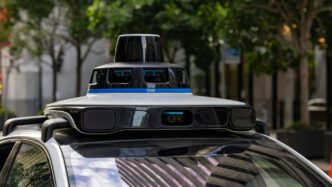

Understanding Mobileye ADAS Technology
The Core of Mobileye’s Vision-Centric Approach
Mobileye really built its name on a specific way of looking at the road – literally. Their whole thing is about using cameras as the primary way to ‘see’ what’s happening around the car. Think of it like how we humans use our eyes first and foremost. This ‘vision-centric’ idea means they focus a lot on processing visual information to understand the environment. It’s not just about spotting a car ahead; it’s about figuring out its speed, direction, and what it might do next, all from camera feeds.
Key Features Driving Road Safety
What makes Mobileye’s systems stand out are the features they pack in. They’ve developed a bunch of smart functions that help drivers out a lot. Here are some of the main ones:
- Forward Collision Warning: This alerts you if you’re getting too close to the car in front, giving you time to react.
- Lane Departure Warning: If you start drifting out of your lane without signaling, the system will let you know.
- Traffic Sign Recognition: It can read speed limit signs and other important road signs, displaying them for you.
- Pedestrian and Cyclist Detection: This is a big one, spotting vulnerable road users and warning the driver.
Impact on Collision Avoidance and Lane Keeping
These features aren’t just fancy add-ons; they have a real impact. The collision avoidance systems work by constantly monitoring the distance and speed relative to other vehicles. If a potential crash is detected, the system can provide audible and visual warnings, and in some cases, even apply the brakes automatically. Similarly, the lane-keeping assistance uses camera data to identify lane markings. By understanding the car’s position within the lane, it can provide gentle steering inputs to keep the vehicle centered, preventing unintentional lane departures. This combination of features significantly reduces the risk of certain types of accidents.
The Evolution of Advanced Driver Assistance Systems
Remember when cars just had cruise control? It feels like ages ago. Back then, that was the height of driver assistance. Now, we’re talking about systems that can practically drive themselves, at least under certain conditions. It’s been quite a journey, really. The whole idea of cars helping us out on the road has changed dramatically over the years.
From Early ADAS to Generative AI
We started with pretty basic stuff. Think anti-lock brakes and electronic stability control. These were good, sure, but they were mostly about preventing accidents after something started to go wrong. Then came the first real ADAS features, like parking sensors and basic lane departure warnings. These systems used simple sensors and algorithms to give drivers a heads-up.
The real game-changer, though, has been the explosion in computing power and artificial intelligence. This has allowed systems to move from just warning drivers to actively assisting them, and even taking over certain driving tasks. We’ve seen the progression from simple alerts to sophisticated features like adaptive cruise control and automatic emergency braking. Now, with the rise of generative AI, we’re seeing even more advanced capabilities emerge, aiming for more human-like driving and personalized experiences.
The Role of Sensor Fusion in Modern Vehicles
Modern cars are basically packed with sensors. You’ve got cameras everywhere, radar systems, and sometimes even LiDAR. But just having these sensors isn’t enough. The magic happens when the car can actually combine the information from all these different sources. This is called sensor fusion.
- Cameras: Great for reading signs, seeing lane lines, and identifying colors (like traffic lights).
- Radar: Works well in bad weather (rain, fog) and can measure the speed and distance of objects.
- LiDAR: Provides a very detailed 3D map of the surroundings, good for precise object detection.
By fusing the data from these sensors, the car gets a much more complete and reliable picture of what’s going on around it. It’s like having multiple people looking around the car and telling the driver what they see, but much faster and more accurately.
Mobileye’s Contribution to ADAS Development
Mobileye has been a big player in this evolution. They really focused on using cameras as the primary sensor, which was a bit different from others at the time. They developed sophisticated computer vision algorithms to interpret what the cameras see.
- Early Focus: Pioneered camera-based systems for lane keeping and forward collision warning.
- Advanced Perception: Developed algorithms to detect and classify objects like cars, pedestrians, and cyclists.
- System Integration: Created integrated chips and software that car manufacturers could easily put into their vehicles.
Their work has helped make advanced safety features more common and affordable, pushing the whole industry forward. They’ve been instrumental in bringing many of the ADAS features we see today into mass production vehicles.
Mobileye’s Visionary Role in Automotive Safety
Mobileye really changed the game when it comes to making cars safer. They’ve been all about using cameras to ‘see’ the road and understand what’s happening around the vehicle. It’s like giving the car eyes, but way better than ours.
Empowering Vehicles with Computer Vision
At its heart, Mobileye’s tech uses computer vision. This means it can process images from cameras, much like we do, but with incredible speed and precision. It identifies things like other cars, pedestrians, cyclists, and lane markings. This ability to ‘see’ and interpret the environment is the foundation for all their safety features. Think about it: without knowing what’s there, a car can’t react.
Machine Learning for Enhanced Perception
But just seeing isn’t enough. Mobileye uses machine learning, a type of artificial intelligence, to make that vision smarter. The systems learn from vast amounts of driving data. This helps them get better at recognizing objects, even in tricky situations like bad weather or poor lighting. It’s how the system can tell the difference between a shadow and a real obstacle, or predict what a pedestrian might do next. This continuous learning means the safety features keep improving over time.
Millions of Vehicles Benefiting Worldwide
This isn’t just some futuristic concept; it’s already on the road. Mobileye’s technology is found in millions of cars globally. From basic collision warnings to more advanced lane-keeping systems, their tech is actively helping to prevent accidents every single day. It’s pretty amazing to think about how many potential crashes have been avoided thanks to this vision-centric approach.
Revolutionizing Road Safety with Mobileye ADAS
Mobileye’s approach to driver assistance is really changing how we think about car safety. It’s not just about adding a few fancy features; it’s about building systems that actively work to prevent accidents before they even happen. The core idea is to give cars ‘eyes’ and a ‘brain’ to understand the road environment just like a human driver, but with faster reaction times and no distractions. This technology is making a big difference out there.
Preventing Accidents Through Intelligent Systems
Think about it: human error is a major factor in most car crashes. Mobileye’s systems are designed to step in and help mitigate these risks. They use cameras and sophisticated software to constantly monitor the surroundings. If the system detects a potential hazard, like a car braking suddenly ahead or a pedestrian stepping into the road, it can alert the driver or even apply the brakes automatically. This proactive approach is key to reducing the number of accidents on our roads.
Improving Driver Response Times
One of the biggest advantages of ADAS is its ability to react faster than a human can. Our own reaction times can be slowed by many things – a moment of distraction, fatigue, or just the time it takes to process information. Mobileye’s systems are processing data constantly and can identify a threat and initiate a response in fractions of a second. This speed can be the difference between a near miss and a serious collision. It’s like having an extra set of incredibly fast reflexes watching out for you.
The Future of Safe Driving with Mobileye
What’s next? Mobileye is continuously developing its technology, pushing the boundaries of what’s possible. We’re seeing systems that can handle more complex driving scenarios, communicate with other vehicles (V2X), and build increasingly accurate real-time maps of the environment. The goal is a future where driving is significantly safer for everyone, with fewer accidents and a more relaxed experience for the driver. It’s an exciting time for automotive safety, and Mobileye is definitely at the forefront of it all.
The Technological Backbone of Mobileye ADAS
So, how does Mobileye actually make all this happen? It’s not magic, though sometimes it feels like it. At its core, Mobileye relies on a sophisticated blend of hardware and software that works together to give cars eyes and a brain. They’re big on using cameras, which they call ‘vision-centric,’ to see the world around the vehicle. This approach means they’re not just looking at raw data; they’re interpreting what they see, much like we do.
Leveraging AI for Real-Time Environmental Models
This is where the artificial intelligence really comes into play. Mobileye uses AI to build a constantly updating picture of what’s going on outside the car. Think of it like a super-fast sketch artist drawing everything the car encounters – other vehicles, pedestrians, cyclists, road signs, lane markings, you name it. This model isn’t static; it’s a live feed, updated many times per second. This allows the system to predict what might happen next, like if a car is about to change lanes or if a pedestrian might step into the road. It’s this ability to create and maintain these real-time environmental models that lets the ADAS features work so effectively.
The Power of Perception Radar Solutions
While cameras are great, they can sometimes struggle in bad weather or low light. That’s where other sensors come in. Mobileye also incorporates radar technology. Radar is really good at detecting objects and their speed, even when visibility is poor. It can see through fog, rain, and darkness. By combining the visual information from cameras with the radar data, the system gets a more complete and reliable understanding of its surroundings. This fusion of different sensor types makes the ADAS more robust and dependable across a wider range of conditions.
Integrating LiDAR and Camera Data
Beyond cameras and radar, some advanced systems also look at LiDAR. LiDAR uses lasers to create a very precise 3D map of the environment. While Mobileye’s primary focus has been vision, integrating data from various sensors, including potentially LiDAR, is a common strategy in the ADAS world. This multi-sensor approach provides redundancy and allows the system to cross-check information. For example, if a camera sees something, and radar confirms an object at that location with a certain speed, and LiDAR provides a precise distance and shape, the confidence in the system’s perception increases significantly. This layered approach is key to building trust and safety in these complex systems.
Mobileye ADAS in the Production Vehicle Market
Dominance in SAE Level 2 and Level 3 Systems
Right now, most cars you see on the road with advanced driver assistance features are rocking what’s called SAE Level 2 or Level 3 systems. These are the ones that can handle steering and speed control under certain conditions, but you, the driver, still need to keep your eyes on the road and be ready to take over. Think of Tesla’s Autopilot or similar systems – they’re super helpful, but they definitely require your attention. Mobileye is a big player here, supplying its tech to lots of car companies. It’s a sign that while we’re getting closer to fully self-driving cars, we’re not quite there yet for everyday driving.
Supplying Leading Car Manufacturers
Mobileye’s technology is pretty much everywhere. They work with a ton of major car brands, from your everyday sedans to fancier models. This widespread adoption shows how much carmakers trust Mobileye’s vision-centric approach to ADAS. They’re not just selling a product; they’re providing a core piece of the safety puzzle for millions of vehicles.
Addressing Challenges in Fully Autonomous Systems
Getting a car to drive itself completely, in any situation, is a massive challenge. It’s not just about seeing the road; it’s about understanding everything happening around the car, predicting what other drivers and pedestrians might do, and making split-second decisions. While Mobileye is a leader in the current ADAS market, the jump to full autonomy (Level 4 and Level 5) involves a whole new level of complexity. This includes things like:
- Sensor Fusion: Combining data from cameras, radar, and LiDAR to get a complete picture.
- AI and Machine Learning: Developing systems that can learn and adapt to unpredictable scenarios.
- Redundancy and Safety: Building in backup systems so the car can still operate safely if something goes wrong.
- Mapping and Localization: Knowing exactly where the car is at all times, even without GPS.
These are the hurdles that companies like Mobileye, along with others in the industry, are working hard to overcome to make truly driverless cars a reality.
Looking Ahead
So, what does all this mean for the future of driving? Mobileye’s focus on vision-based tech is really changing the game for how cars see the road. It’s not just about fancy features anymore; it’s about making driving safer for everyone. As these systems get smarter and more common, we can expect fewer accidents and a smoother ride for all of us. It’s pretty cool to think about how far we’ve come and where it’s all heading, with technology like Mobileye’s leading the charge towards safer streets.