
Understanding The Asimo Robot Cost
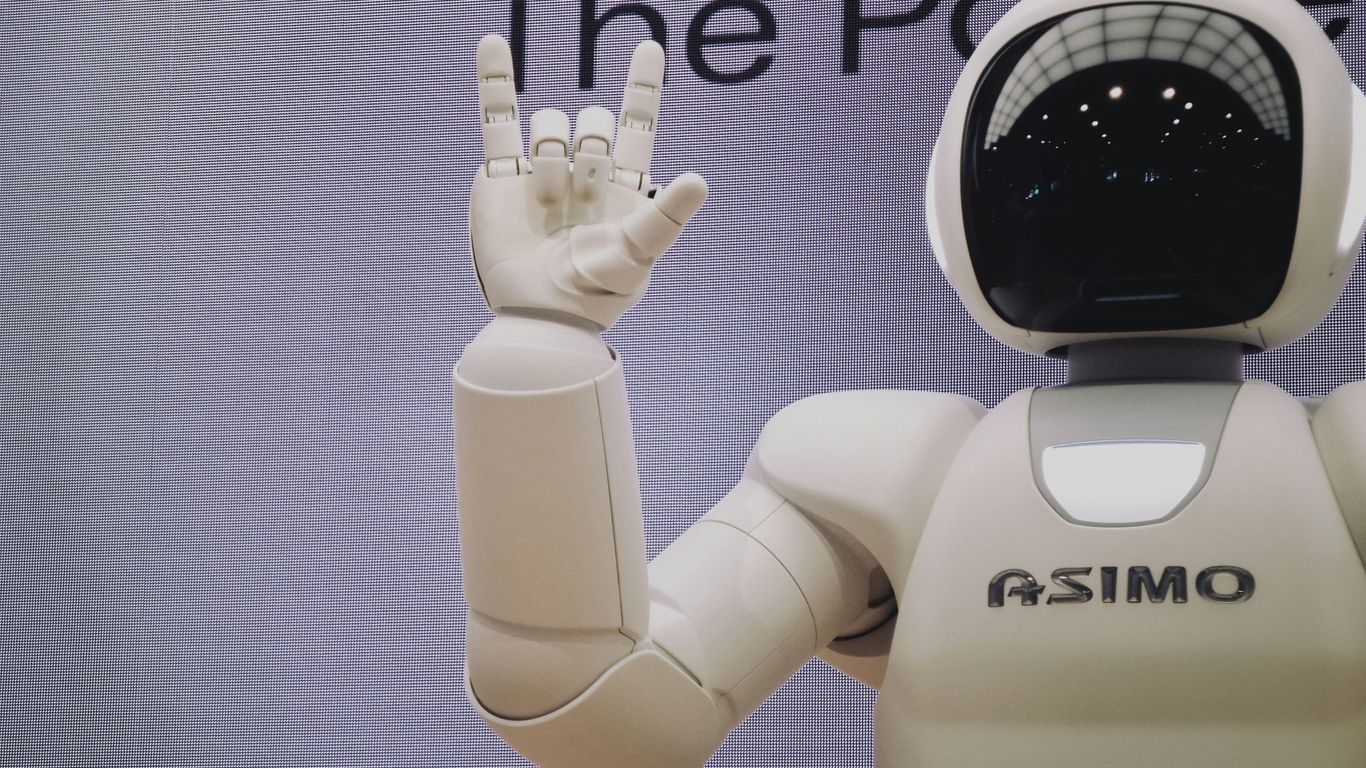
So, let’s talk about ASIMO. You might remember this little guy, Honda’s famous humanoid robot. It was a pretty big deal back in the day, and honestly, it still is when you think about what it represented. Honda poured a ton of resources into ASIMO, and understanding why it cost so much is key to appreciating the whole picture.
Honda’s Investment in Advanced Robotics
Honda didn’t just wake up one day and decide to build a robot. This was a long-term play, a serious commitment to pushing the boundaries of what was possible in robotics. Think of it as Honda’s way of saying, "We’re not just about cars; we’re about the future of movement and interaction." They saw robotics as a natural extension of their engineering prowess, a way to explore new frontiers in technology that could eventually trickle down into other areas, like their vehicles.
The R&D Behind Asimo’s Capabilities
What made ASIMO so special? Well, it could do things that seemed like science fiction at the time. It could walk, run, climb stairs, and even interact with people. All of that required some seriously complex engineering. We’re talking about:
- Advanced Mobility: Developing the ability to walk and run smoothly, maintaining balance on uneven surfaces, was a huge hurdle. This involved intricate joint designs and sophisticated control systems.
- Environmental Recognition: ASIMO needed to
Factors Influencing Asimo’s Development Expenses
Building something as advanced as ASIMO wasn’t exactly cheap, and a lot went into making it happen. It wasn’t just about slapping some parts together; it was a massive undertaking that cost Honda a pretty penny.
Cutting-Edge Technology and Materials
Think about it: ASIMO was designed to walk, run, and interact with people. That kind of movement and intelligence requires some seriously sophisticated tech. Honda had to develop and use specialized components that weren’t just lying around. We’re talking about things like:
- Advanced Actuators: These are like the robot’s muscles, allowing for smooth and precise movements. Creating ones that could mimic human motion without being too bulky or power-hungry was a huge challenge.
- High-Performance Sensors: To understand its surroundings and people, ASIMO needed a lot of sensors. These had to be sensitive enough to pick up on subtle cues but also robust enough for everyday use.
- Lightweight, Strong Materials: To make ASIMO agile and capable of running, Honda likely used materials that were both light and incredibly strong. This isn’t your average plastic; think specialized alloys or composites.
The sheer novelty of these components meant they had to be invented or heavily customized, driving up costs significantly.
Years of Research and Iteration
ASIMO didn’t just appear overnight. It was the result of decades of research and development, building on previous robotics projects. Honda is known for its long-term vision, and ASIMO was a prime example of that. This involved:
- Fundamental Research: Understanding the physics of bipedal locomotion, balance, and human-robot interaction takes a lot of time and study.
- Prototyping and Testing: Honda likely went through countless prototypes, each one an improvement on the last. Every test, every failure, and every success added to the knowledge base but also to the overall expense.
- Software Development: The ‘brain’ of ASIMO, its operating system and AI, required immense development. This isn’t just coding; it’s about creating systems that can learn and adapt.
Skilled Engineering and Design Teams
Robotics at ASIMO’s level requires some of the brightest minds in engineering and design. Honda had to assemble and retain top talent, which comes at a premium.
- Specialized Expertise: You need people who understand everything from mechanical engineering and electrical systems to artificial intelligence and human-computer interaction.
- Team Collaboration: Getting these diverse experts to work together effectively on such a complex project is a challenge in itself and requires significant management and resources.
- Global Talent: While Honda is a Japanese company, developing something like ASIMO might have involved bringing in specialists from around the world, adding to the logistical and financial considerations.
The High Price of Innovation
Benchmarking Against Other Advanced Projects
When you’re building something as complex as ASIMO, it’s natural to look around and see what others are doing, especially in the world of advanced tech. But honestly, comparing ASIMO’s development cost to, say, a new smartphone or even a cutting-edge car engine, just doesn’t quite fit. ASIMO wasn’t just about making a product; it was about pushing the boundaries of what a machine could do, mimicking human movement and interaction. This kind of pioneering work is inherently expensive because you’re often inventing the tools and techniques as you go. Think about it: other advanced projects might be refining existing technologies, but ASIMO was trying to create entirely new ones.
The Cost of Pioneering Humanoid Robotics
Let’s be real, building a robot that walks, climbs stairs, and even dances isn’t cheap. It requires a whole lot of specialized parts, custom-made components, and materials that can handle the stress of constant movement. Plus, the software needed to control all of that is incredibly intricate. It’s not like buying off-the-shelf parts; a lot of it had to be designed and built from scratch. This is where the costs really start to add up. Honda poured years of effort and a significant amount of money into making ASIMO a reality, and that kind of dedication to a groundbreaking project comes with a hefty price tag.
Honda’s Commitment to Future Mobility
For Honda, ASIMO wasn’t just a cool robot; it was a symbol of their long-term vision for mobility. They saw ASIMO as a stepping stone, a way to learn and develop technologies that could eventually be applied to cars, motorcycles, and other forms of transportation. This forward-thinking approach means they were willing to invest heavily, even if the immediate return wasn’t obvious. It’s about building a foundation for the future, and that kind of investment in research and development is always going to be costly. It’s a bit like planting a tree – you don’t get fruit the next day, but you’re building something that will last and provide benefits down the line.
Asimo’s Legacy and Honda’s Future
ASIMO might be retired, but its influence is far from over. Think of ASIMO as the granddaddy of Honda’s current tech push. That robot, with its ability to walk, run, and even understand simple commands, was a huge step. It wasn’t just about making a cool robot; it was about Honda learning how to build machines that could interact with the world and people. This knowledge is now showing up in their latest projects, especially in their electric vehicles.
From Asimo to Automotive AI
Honda’s new electric cars, like the upcoming 0 Series, are getting pretty smart. They’re using a new in-house operating system, even named ASIMO, to power advanced AI features. This AI is designed to help with things like self-driving and understanding what you want the car to do, much like the original ASIMO robot was designed to understand human intentions. It’s a direct line from that early humanoid robot to the brains inside today’s cars. This connection highlights how Honda sees robotics and AI as key to the future of mobility.
The Enduring Impact of Asimo’s Development
Developing ASIMO cost a lot, no doubt. But it wasn’t just about the money spent. It was about the years of trial and error, the brilliant minds working on complex problems, and the sheer determination to push boundaries. This kind of deep research pays off in ways you can’t always predict. It built a foundation of knowledge within Honda that they can now apply to all sorts of new technologies.
Here’s a look at what ASIMO’s development really meant:
- Robotics Expertise: Honda gained invaluable experience in creating complex, mobile robots. This included figuring out balance, movement, and interaction.
- AI Foundations: The work on ASIMO’s ‘brain’ laid groundwork for the AI systems now being integrated into vehicles.
- Human-Machine Interaction: ASIMO taught Honda how machines can better understand and respond to humans, a skill vital for future tech.
- Innovation Culture: It reinforced Honda’s commitment to long-term, ambitious research projects, even if they don’t have an immediate payoff.
Lessons Learned for Future Asimo Robot Cost Considerations
Looking back, the high cost of ASIMO wasn’t just for the robot itself. It was an investment in Honda’s future. They learned a ton about what it takes to build advanced machines. This means that when they develop new technologies, like the AI for their cars, they’re starting from a much stronger place. They know the challenges, they have the expertise, and they’ve learned how to manage the costs associated with pioneering new fields. It’s a cycle of learning and building that Honda seems to do really well, and ASIMO was a big part of that journey.
So, What’s the Takeaway on ASIMO’s Price Tag?
Looking back at ASIMO, it’s clear Honda poured a ton of brainpower and cash into making that robot a reality. It wasn’t just about building a cool machine; it was about pushing the limits of what’s possible in robotics and human-like interaction. While ASIMO itself might be retired, the lessons learned and the tech developed definitely live on. Think about Honda’s fancy new electric cars and their smart AI systems – a lot of that probably traces back to the ASIMO project. So, even though the price tag was sky-high, the investment seems to have paid off in the long run, shaping the future of Honda’s innovations in ways we’re still seeing today.