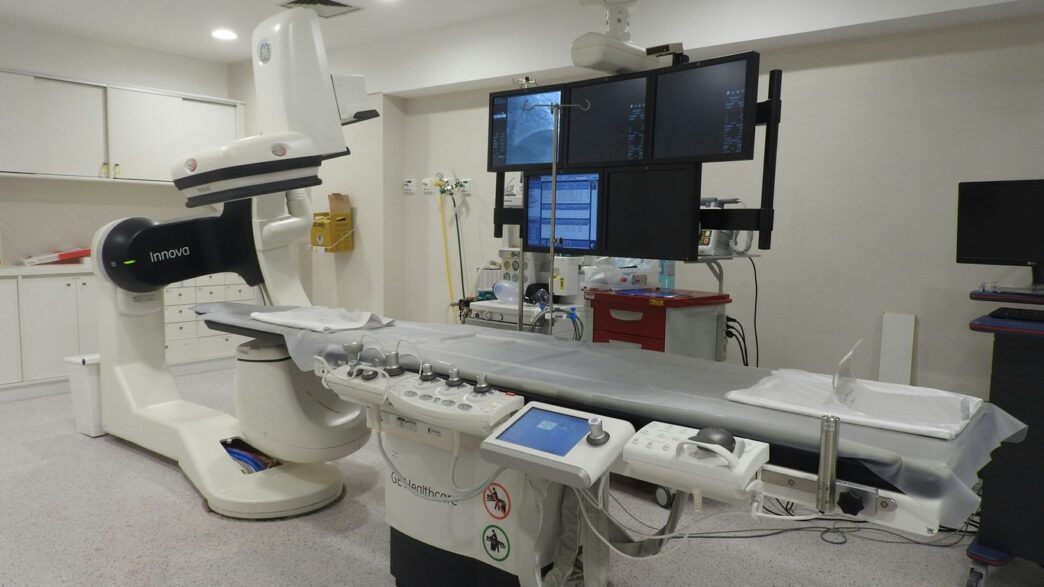
Understanding The Da Vinci Robot Price Landscape
So, you’re curious about the price tag on a da Vinci robot, huh? It’s not exactly a simple number you can just look up on a website. Think of it more like buying a high-end car – there are a bunch of things that can change the final cost. It’s a big investment, no doubt about it, and hospitals really need to get a handle on what they’re signing up for.
Factors Influencing Da Vinci Robot Cost
What makes one da Vinci system cost more than another? Well, a few things come into play. The specific model you’re looking at is a big one; newer, more advanced versions naturally cost more. Then there’s the whole package – what accessories or extra features are included? Sometimes, it’s about the software too, and how up-to-date it is. The more bells and whistles, the higher the price.
Here are some of the main things that bump the price up or down:
- System Model: Different generations and configurations of the da Vinci system exist, each with its own price point.
- Included Instruments and Accessories: The number and type of surgical instruments and accessories bundled with the system can affect the initial cost.
- Software and Upgrades: Advanced software features or the need for immediate upgrades can add to the overall expense.
- Geographic Location: Pricing can sometimes vary based on the region or country due to import duties, taxes, and local market conditions.
The Role of Technology in Da Vinci Robot Pricing
Technology is a huge driver here. As the robots get smarter and more capable, the price tends to reflect that. Think about how smartphones have evolved; newer models with better cameras and faster processors cost more. Surgical robots are similar. Advances in AI, better imaging, and more precise instruments all contribute to the cost. But, it’s a bit of a double-edged sword. While new tech drives up the initial price, it also promises better patient outcomes and potentially more efficient procedures down the line, which can offset the cost over time.
Market Dynamics and Da Vinci Robot Price Trends
The market itself plays a big role. When there are more companies making similar robots, prices can become more competitive. However, Intuitive Surgical, the maker of the da Vinci system, has had a pretty strong hold on the surgical robotics market for a while. This means they’ve had a lot of control over pricing. We’re starting to see more competitors pop up, though, and that could shake things up. Also, global events, like supply chain issues or changes in how countries trade, can indirectly affect the cost of these complex machines. It’s a constantly shifting landscape, and what you see today might be different next year.
Key Components Affecting Da Vinci Robot Acquisition
So, you’re looking into getting a da Vinci robot, huh? It’s a big step, and honestly, the price tag isn’t just one number. There are several pieces to the puzzle that add up to the total cost of bringing this advanced tech into your facility.
Initial System Purchase Price
This is the big one, the upfront cost of the robot itself. It’s not like buying a car where you see a sticker price and that’s that. The da Vinci system comes in different configurations, and the specific model you choose, along with any specialized instruments or accessories, will really impact this initial figure. Think of it as the base model versus the fully loaded version – there are significant differences.
Ongoing Maintenance and Service Agreements
Once you’ve got the robot, the costs don’t stop. These machines are complex, and they need regular check-ups and upkeep to keep running smoothly. Most hospitals opt for a service contract. These agreements cover routine maintenance, software updates, and emergency repairs. While they add to your yearly expenses, they can prevent much larger, unexpected repair bills down the line and keep your system operational. It’s a bit like insurance for your surgical robot.
Training and Implementation Costs
Getting the robot is one thing; getting your staff comfortable and proficient with it is another. There’s a significant investment in training surgeons, nurses, and technicians. This includes initial training programs, ongoing education as new features roll out, and potentially bringing in specialized trainers. Plus, you have to factor in the time your staff will spend in training, which means they might not be available for other duties. Implementation also involves setting up the necessary infrastructure in the operating room, which can sometimes require modifications.
Competitive Forces Shaping Da Vinci Robot Pricing

Okay, so let’s talk about what’s really going on with the price tags on these da Vinci robots. It’s not just Intuitive Surgical calling the shots anymore. The whole surgical robotics game is getting crowded, and that’s shaking things up.
Emergence of New Surgical Robotic Systems
For a long time, da Vinci was pretty much the only game in town. But now? Not so much. We’re seeing a bunch of other companies jumping in with their own robotic systems. Some are trying to do the same thing da Vinci does, just maybe a bit cheaper or with a slightly different approach. Others are focusing on super specific types of surgery, like minimally invasive procedures using tiny incisions. Think companies like Vicarious Surgical, which is already making waves with its single-incision approach. This competition is a big deal because it forces everyone to think harder about what they’re offering and, yes, what they’re charging.
Impact of Alternative Robotic Platforms
It’s not just about direct competitors. The broader advancements in robotics, even outside of surgery, are having an effect. AI is getting way smarter, allowing robots to learn and adapt. This means new systems can be built more modularly, focusing on software and specific tasks rather than trying to build everything from scratch. This unbundling of technology creates opportunities for companies that might just offer a piece of the puzzle, like advanced software or better training tools. These alternative platforms, even if they aren’t direct da Vinci replacements yet, are pushing the boundaries and making the whole field more dynamic. It’s like when smartphones came out – suddenly, there were apps for everything, changing how we thought about mobile devices.
Intuitive Surgical’s Pricing Strategies
So, how is Intuitive Surgical reacting to all this? They’ve been around the block, and they know how to play the long game. Their pricing isn’t just about the sticker price of the robot itself. They’ve historically relied on a mix of upfront costs and then ongoing revenue from service contracts and, importantly, the disposable instruments and accessories you need for each procedure. This model has worked well for them. However, with more competition and a general shift in how businesses operate, they’re likely looking at how to adapt. We might see them offering more flexible payment options or perhaps bundling services differently. It’s a balancing act: keep their market share while still making a profit in a more competitive environment. They’ve got a huge installed base and a lot of data from millions of procedures, which is a big advantage, but they can’t afford to stand still.
The Evolving Business Models for Robotic Surgery
It feels like just yesterday that buying a big piece of medical equipment meant a huge upfront payment, right? Well, the way hospitals and clinics are paying for things like the da Vinci robot is changing, and it’s pretty interesting to see.
Shift Towards Usage-Based Pricing
Instead of just buying the whole system outright, which is a massive chunk of change, we’re seeing more companies offer pricing based on how much the robot is actually used. Think of it like paying for electricity – you use more, you pay more. This can make it easier for hospitals to get their hands on advanced tech without such a big initial hit to their budget. It also means the cost is more directly tied to the procedures being done, which makes a lot of sense.
SaaS-Like Models and Their Impact
This is kind of a natural progression from usage-based pricing. We’re starting to see "Software as a Service" (SaaS) models pop up in the robotics world. This means you’re not just buying hardware; you’re subscribing to a service that includes the robot, software updates, and maybe even support. It spreads the cost out over time and often includes ongoing improvements. This approach can make advanced surgical tools more accessible and predictable in terms of budgeting. It also means companies are incentivized to keep their systems running smoothly and improving, because their revenue depends on it.
Long-Term Value and ROI Considerations
When you look at these new pricing models, it’s not just about the sticker price anymore. Hospitals really need to think about the total cost over the life of the equipment and what kind of return on investment they can expect. This includes:
- Initial acquisition cost: Even with new models, there’s still a starting point.
- Maintenance and service fees: These are often bundled into subscription models now.
- Training costs: Getting staff up to speed is always a factor.
- Potential for increased procedure volume: Does the robot allow for more surgeries?
- Improved patient outcomes: This is harder to put a number on, but it’s a big deal.
Figuring out the true value means looking beyond just the upfront expense and considering how the technology impacts patient care and hospital efficiency over the long haul.
Future Projections for Da Vinci Robot Costs in 2025
Anticipated Price Adjustments
So, what’s the deal with Da Vinci robot prices heading into 2025? It’s not a simple ‘up’ or ‘down’ answer, really. We’re seeing a bit of a tug-of-war happening. On one hand, Intuitive Surgical, the main player here, has a pretty established system. They know what works, and hospitals are used to their pricing structure. But, and this is a big ‘but’, there are more competitors popping up. Think Medtronic’s Hugo system and others. When you get more options, prices usually start to feel some pressure. It’s unlikely we’ll see a massive drop, but maybe some more flexibility or bundled deals could appear. Hospitals are definitely looking at the total cost, not just the sticker price.
Technological Advancements and Cost Reduction
Technology is always moving, right? For surgical robots, this means things are getting smarter and, in some ways, more efficient to build. AI is playing a bigger role, helping robots learn procedures faster. This could mean less custom programming for each new surgery type, which saves time and money. Also, the hardware itself might become a bit cheaper to produce as manufacturing processes improve and more companies get into the game. It’s not like your phone where prices drop dramatically every year, but incremental improvements can add up. The goal is to make these advanced tools more accessible without sacrificing quality.
The Da Vinci Robot Price in a Growing Market
This whole surgical robotics field is growing like crazy. More procedures are being done robotically, and more surgeons want to use them. When demand is high, it can keep prices steady or even push them up. However, as mentioned, competition is a big factor. We’re also seeing new business models, like usage-based pricing, which can change how hospitals pay for these systems. Instead of one huge upfront cost, they might pay more per procedure but less initially. This makes it easier for more hospitals to get in on the action. It’s a dynamic market, for sure, and 2025 will likely show us more of this evolution.
Strategic Considerations for Da Vinci Robot Investment
So, you’re thinking about bringing a da Vinci robot into your hospital. That’s a big step, and honestly, it’s not just about the sticker price. You’ve got to look at the whole picture, you know? It’s like buying a house – you don’t just consider the mortgage; you think about property taxes, insurance, and maybe even those surprise repairs.
Evaluating Total Cost of Ownership
When we talk about the total cost, we’re really looking at everything you’ll spend over the robot’s life. It’s not just the initial purchase, which, let’s be real, is a hefty chunk of change. You also have to factor in the yearly service contracts. These can add up, and they’re pretty much non-negotiable if you want to keep the machine running smoothly and get access to the latest software updates. Then there’s the cost of training your surgical teams. This isn’t a one-and-done thing; people leave, new staff come in, and you’ll want to keep everyone up to speed on new procedures or system upgrades. Don’t forget consumables, either – things like specialized instruments and drapes that you’ll need for every single procedure. It all adds up, and it’s easy to underestimate if you’re only looking at the upfront cost.
Here’s a rough breakdown of what to expect:
- Initial System Purchase: This is the big one, often running into the millions. Prices can vary based on the specific model and any customization.
- Annual Maintenance & Service: Expect this to be a significant percentage of the initial purchase price each year. It covers repairs, software updates, and technical support.
- Training Programs: Costs for initial training, ongoing education, and certification for surgeons and staff.
- Consumables & Instruments: Disposable items and specialized instruments that are used during procedures and need regular replacement.
- Infrastructure Upgrades: Potential costs for modifying operating rooms to accommodate the robot’s size and power requirements.
Assessing Return on Investment
Okay, so you’ve got the costs. Now, how do you figure out if it’s actually worth it? This is where Return on Investment (ROI) comes in. It’s about seeing if the money you spend on the robot brings in more money or saves you money in the long run. Think about increased patient volumes because you can do more complex surgeries or offer minimally invasive options that attract more people. There’s also the potential for shorter hospital stays, which can reduce overall healthcare costs for patients and insurers. And let’s not forget about improved patient outcomes – fewer complications mean fewer readmissions and less money spent on follow-up care. Ultimately, a strong ROI means the robot is not just a fancy piece of equipment, but a smart business decision that benefits both the hospital and its patients. It’s a complex calculation, and you’ll want to look at data from similar hospitals if you can.
Navigating the Da Vinci Robot Price for Hospitals
When you’re a hospital administrator or a surgeon looking at this, the price tag can seem pretty daunting. It’s a huge capital expense, and getting approval can be a whole process. You’ll need to build a solid business case, showing how the robot aligns with the hospital’s strategic goals. This means demonstrating not just the clinical benefits but also the financial advantages. Sometimes, looking at different financing options or leasing agreements can make the initial investment more manageable. It’s also smart to talk to other hospitals that already use the da Vinci system. They can offer real-world insights into the costs, the challenges, and the benefits they’ve experienced. Don’t be afraid to negotiate with the sales representatives, either. There’s often some wiggle room, especially if you’re looking at multiple systems or long-term contracts. Remember, the goal is to find a solution that fits your hospital’s budget and operational needs, not just to buy the latest technology.
Wrapping It Up
So, looking ahead to 2025, the price of the da Vinci robot, and robotic surgery in general, is definitely something to keep an eye on. While the initial cost is still a big hurdle, we’re seeing new players and new tech that could shake things up. It’s not just about the sticker price anymore; it’s about the whole package – how easy it is to use, how it performs over time, and what kind of value it brings to hospitals and patients. As the technology gets better and more companies jump into the game, we might see more options and maybe even some price adjustments. It’s a complex picture, for sure, but one thing is clear: robotic surgery is here to stay and will likely become even more common.