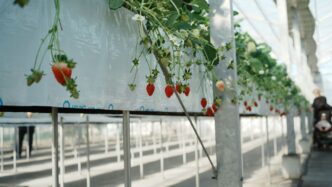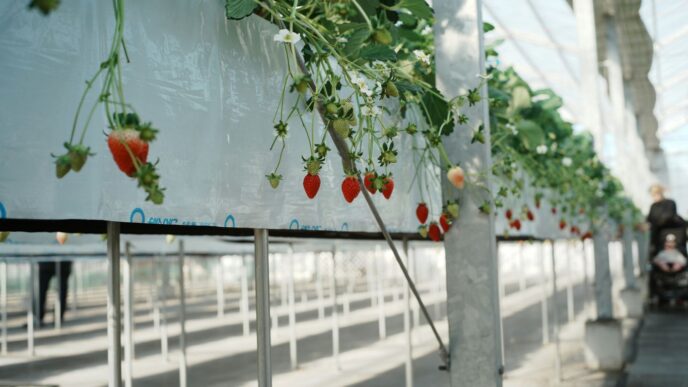
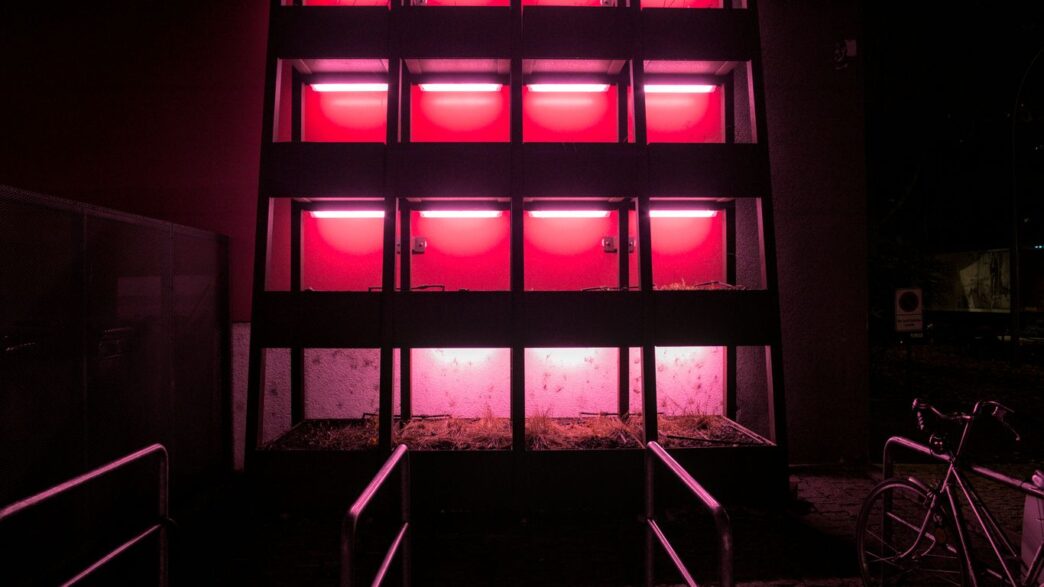
It seems like everywhere you look, there’s talk about vertical farming. You might be wondering, why all the buzz now? Well, it turns out that what used to be a niche idea is becoming a really practical way to grow food. A lot of smart people have been working on making it better and cheaper, and it’s finally paying off. So, why has vertical farming recently become more economical? Let’s break it down.
Key Takeaways
- New tech like better LED lights and automated systems makes vertical farms run more smoothly and cost less to operate.
- These farms use way less water and land than traditional methods, and they don’t need pesticides, cutting down on big expenses.
- People want fresher, local food, and vertical farms can supply that, even in areas that don’t have many grocery stores.
- Growing food right in cities or close to where people live means less money spent on shipping and fewer worries about supply chain problems.
- More money is flowing into vertical farming companies, and as they get bigger, they can grow food more affordably.
Technological Advancements Driving Economic Viability
It’s pretty wild how much technology has changed farming, especially with vertical farms. We’re not talking about just a few tweaks here and there; these are big leaps that make growing food indoors actually make sense financially.
Innovations in LED Lighting and Hydroponics
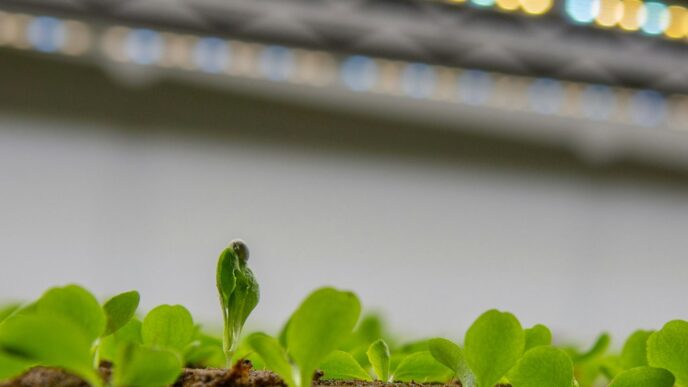
Remember when grow lights were just basic bulbs? Now, we’ve got specialized LEDs that are super efficient. They give plants exactly the light spectrum they need to grow, and they don’t waste a ton of energy as heat. This means lower electricity bills, which is a big deal when you’re running a farm 24/7. Plus, hydroponics – growing plants in water with nutrients – has gotten way better. We’re talking about precise nutrient mixes and water delivery systems that give plants everything they need without any fuss. It’s like giving them a perfectly balanced meal, all the time.
- LEDs use less energy than older lighting.
- They can be tuned to specific plant needs.
- Hydroponics cuts down on water use significantly.
Automation and Robotics in Farming Operations
This is where things get really futuristic. Think robots doing the heavy lifting, literally. Automated systems can handle planting, harvesting, and even moving crops around. This isn’t just about making things easier; it cuts down on labor costs, which can be a huge part of farming expenses. Plus, robots don’t get tired or make mistakes like humans sometimes do. This level of automation means farms can operate more consistently and efficiently. Some companies are even developing robot arms that can pick delicate produce without bruising it. It’s pretty impressive stuff.
The Role of Data Science and Precision Agriculture
Farming used to be a lot of guesswork. Now, it’s becoming a science. Sensors are everywhere in these vertical farms, collecting data on everything: temperature, humidity, CO2 levels, nutrient content in the water, you name it. This information is fed into computer systems that analyze it. Farmers can then make really specific adjustments to optimize growing conditions for each crop. It’s like having a super-smart assistant who knows exactly what every plant needs. This precision means less waste and better yields. We’re talking about using data to grow the perfect plant, every single time.
Reduced Operational Costs and Resource Efficiency
One of the biggest draws of vertical farming, and why it’s becoming more practical by the day, is how much it can cut down on everyday expenses and how smartly it uses what it has. Think about it: traditional farming is at the mercy of the weather, needing vast amounts of land and water, and often relying on chemicals to keep crops healthy. Vertical farms flip that script.
Significant Water Savings Compared to Traditional Farming
Water is a big deal, right? In a vertical farm, water is used in a closed-loop system, often through hydroponics or aeroponics. This means the water that isn’t used by the plants is collected, treated, and reused. It’s a stark contrast to field farming, where a huge chunk of water just evaporates from the soil or runs off the fields. We’re talking about using up to 95% less water in some cases. That’s not just good for the planet; it makes a big difference in operating costs, especially in areas where water is scarce or expensive.
Minimized Land Footprint and Urban Integration
Land in cities is pricey, and traditional farms need acres and acres. Vertical farms, on the other hand, grow upwards, not outwards. They can be stacked in warehouses, shipping containers, or even built into existing buildings. This means you can grow a lot of food in a tiny space, often right where people live. This drastically cuts down on the need for expensive agricultural land and opens up possibilities for farming in urban areas that were previously off-limits. It also means less land needs to be cleared for farming, which is a win for natural habitats.
Elimination of Pesticides and Herbicides
Because vertical farms are controlled environments, they’re naturally protected from many of the pests and diseases that plague outdoor crops. This means farmers can skip the pesticides and herbicides altogether. Not only does this result in cleaner produce that consumers are increasingly asking for, but it also saves money on buying and applying these chemicals. Plus, it removes the environmental concerns associated with chemical runoff into local waterways. It’s a healthier approach for both the plants and the people who eat them.
Shifting Consumer Demand and Market Opportunities
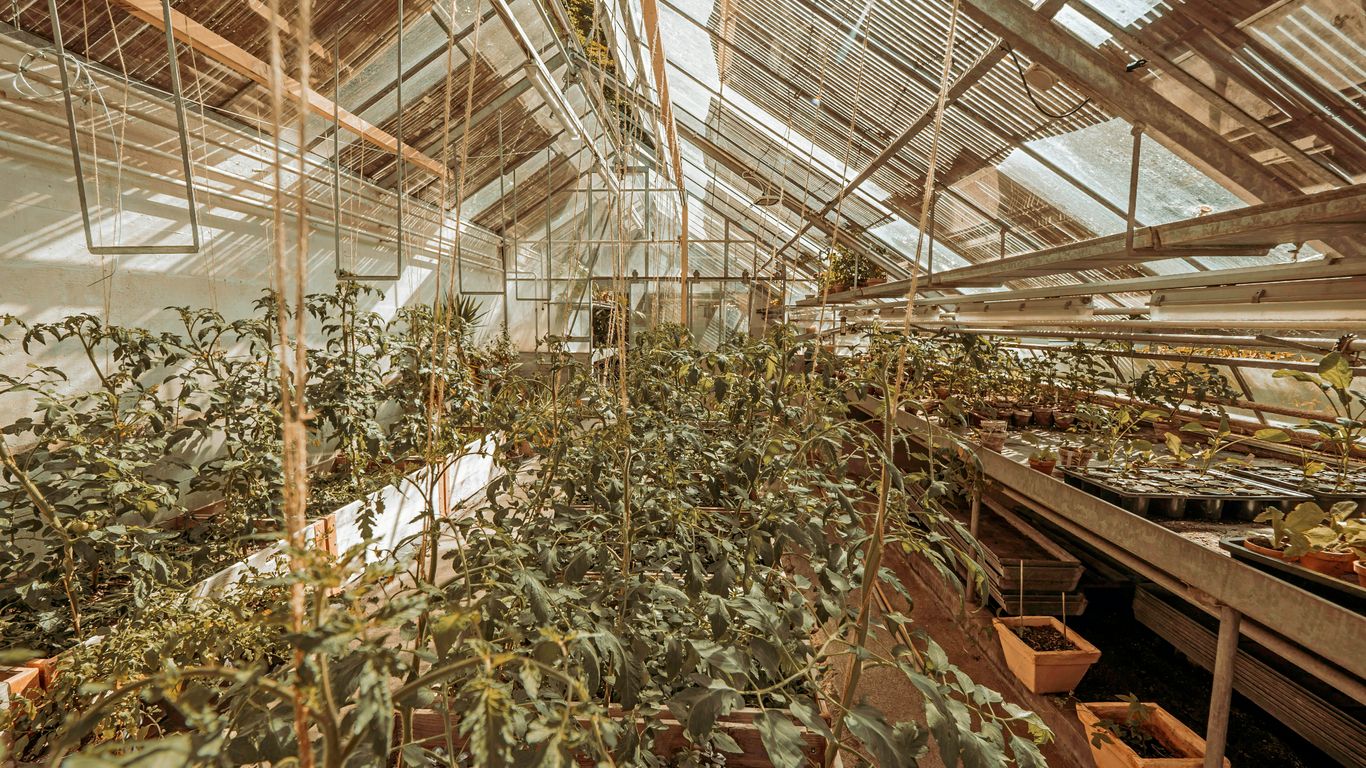
It’s not just about the tech and cost savings anymore; people are genuinely starting to care more about where their food comes from and how it’s grown. We’re seeing a big shift in what consumers want, and vertical farming is perfectly positioned to meet these new demands.
Growing Preference for Locally Sourced Produce
Remember when buying local meant driving out to a farm stand or a farmer’s market? Well, that’s still a thing, but now we’re talking about a whole new level of local. With vertical farms popping up in or near urban centers, the idea of a "100-mile diet" is becoming a "100-yard diet" for some. People are tired of produce that’s traveled thousands of miles, losing freshness and nutrients along the way. They want to know their greens were grown just down the street, not flown in from another continent. This desire for freshness and a reduced carbon footprint is a huge win for indoor farms.
Consumer Willingness to Pay for Freshness and Nutrition
Folks are getting more educated about food. They understand that fresher means more vitamins and better taste. This awareness is translating into a willingness to spend a bit more for produce that guarantees peak freshness and nutritional value. It’s a departure from the old days of just grabbing whatever was cheapest on the supermarket shelf. People are realizing that investing in high-quality, nutrient-dense food is an investment in their own health. Vertical farms, with their ability to harvest and deliver produce within hours, can deliver that superior quality consistently.
Addressing Food Deserts with Urban Farming Solutions
This is a really important point. Many urban areas, often low-income neighborhoods, are known as "food deserts." That means they lack access to fresh, healthy food options. Traditional farming can’t easily solve this because setting up large farms in the middle of a city just isn’t practical. Vertical farms, however, can be built almost anywhere. Imagine small, efficient farms operating right in these communities, providing residents with easy access to fresh fruits and vegetables. This not only improves diets but also creates local jobs and strengthens community food security. It’s a way to bring healthy food directly to the people who need it most, making a real difference.
Supply Chain Resilience and Reduced Transportation Costs
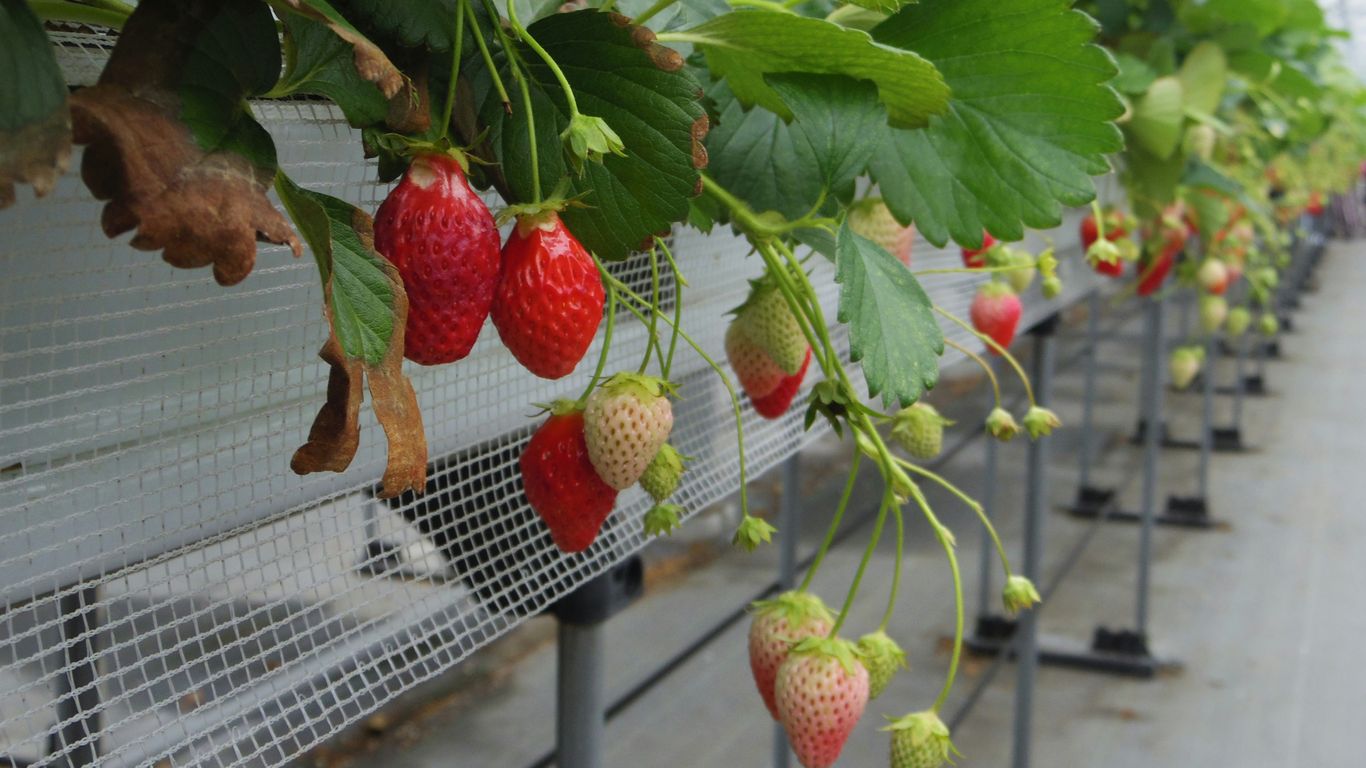
Think about how far your salad greens usually travel before they land on your plate. For a long time, the trend was bigger farms, further away from cities, with food shipped in. This worked okay when everything ran smoothly, but we saw during recent global events how fragile those long supply chains can be. Vertical farms flip this idea on its head. By placing farms right in or near urban centers, the distance food travels shrinks dramatically.
Proximity to Consumers Shortens Delivery Times
This closeness means produce gets from the farm to your fork in hours, not days. That’s a big deal for freshness. When food sits around for a week or more, it loses a lot of its taste and nutrients. Imagine biting into a tomato that was picked that morning versus one that’s been on a truck for three days. It’s a different experience entirely. Many vertical farms are now modular, meaning they can be set up in places like grocery stores or restaurants, making them even more self-reliant for fresh ingredients.
Mitigating Risks Associated with Long-Distance Freight
Long-haul trucking and shipping are vulnerable. Weather delays, traffic jams, or even global disruptions can halt the flow of food. Vertical farms, being local, sidestep many of these issues. They offer a more predictable supply, which is a huge win for retailers and consumers alike. This local approach also helps build more robust food systems that aren’t so easily knocked off balance.
Modular Farms for Point-of-Consumption Cultivation
One of the most exciting parts is the rise of small, modular vertical farms. These aren’t massive warehouses; they’re often container-sized units that can be installed almost anywhere. Think of a restaurant having its own small farm on-site to grow herbs or specialty greens. This cuts out the middleman and the transportation entirely for those specific items. It gives businesses more control over their ingredients and offers customers the freshest possible product. It’s a smart way to adapt to changing demands and build a more dependable food network.
Investment and Scalability in the Vertical Farming Sector
Increased Funding for Vertical Farming Startups
It feels like every week there’s news about another vertical farming company raking in a ton of cash. Companies like Plenty, which has this massive farm called Tigris in South San Francisco, have pulled in hundreds of millions of dollars. They’re growing a million plants at once, which is pretty wild to think about. And it’s not just the big players; smaller startups are getting attention too. This influx of money means more research, more farms being built, and more ways to get fresh food to people.
Economies of Scale in Larger Vertical Farm Operations
While those small, container-style farms are cool for specific uses, the real game-changer for making vertical farming cheaper is doing it on a bigger scale. Think of it like any other business – the more you produce, the less each individual item costs. Large vertical farms can optimize their energy use, buy supplies in bulk, and streamline their operations. This is how they can start to compete with traditional farming prices, especially for high-value crops like herbs and leafy greens. It’s not just about building more farms, but building smarter, bigger ones.
The Potential for Diverse Crop Cultivation
Right now, most vertical farms focus on things like lettuce and herbs because they grow fast and don’t need a ton of space. But that’s changing. Scientists are working on adapting more crops for indoor growing. They’re even looking at using gene-editing to make plants that do better in these controlled environments. Imagine growing things like micro-tomatoes or even exploring indoor aquaculture, where fish and plants grow together using the same water systems. The goal is to move beyond just greens and herbs to a wider variety of produce, making vertical farms even more useful.
The Future is Stacked and Sustainable
So, yeah, vertical farming isn’t just some sci-fi dream anymore. It’s here, and it’s making more sense economically than ever. We’re seeing these farms pop up everywhere, from huge operations growing tons of produce to smaller container farms you can put right in your neighborhood. They use way less water, don’t need pesticides, and can grow food right where people live, cutting down on travel time and keeping things fresher. Sure, there are still some kinks to work out, like figuring out the best energy sources and which crops make the most sense to grow indoors. But the momentum is undeniable. It feels like we’re on the edge of a big shift in how we get our food, and honestly, it looks pretty promising.
Frequently Asked Questions
What exactly is vertical farming?
Vertical farming is like growing plants in a skyscraper! Instead of spreading out on a farm, plants are stacked in layers, often indoors. Think of it as a high-tech way to grow food in a small space, sometimes even in cities.
Why is vertical farming becoming cheaper?
New technology, like super-efficient LED lights and smart robots that help with farming tasks, is making it easier and less costly to run these farms. Plus, they use way less water and no pesticides, which saves money too.
Does vertical farming use less water than regular farms?
Yes, a lot less! Vertical farms can use up to 90% less water than traditional farms. They often grow plants using water-based systems, and this water is recycled, so none is wasted.
Can vertical farms grow different kinds of food?
Right now, they’re great at growing things like lettuce, herbs, and small fruits because they grow fast and don’t need much space. Scientists are working on finding ways to grow bigger crops like grains indoors too, but it’s still a challenge.
Is the food from vertical farms healthier?
Because they grow food without pesticides and can harvest it when it’s perfectly ripe, the produce can be very fresh and nutritious. Plus, since these farms can be built right in cities, the food gets to you faster, keeping more of its goodness.
Will vertical farms replace regular farms completely?
Probably not. Big crops like wheat and corn still grow best in large outdoor fields. But vertical farms are a fantastic way to grow fresh food right where people live, especially in cities, and they help make sure we have enough food for everyone.