So, renewable energy. It’s everywhere these days, right? From solar panels popping up on rooftops to those giant wind turbines you see on the highway. It feels like the whole world is trying to go green. But what does that actually mean for, you know, the money side of things? We’re talking about the economics of renewable energy here. It’s not just about saving the planet; it’s about how we power our lives, create jobs, and make smart investments for the future. Let’s break down what’s happening and what might come next.
Key Takeaways
- Renewable sources now provide almost 30% of the world’s electricity, and this number keeps going up.
- Solar and wind power are expected to be the main types of electricity generation by 2030.
- New technologies like green hydrogen and battery storage are helping to make renewables more reliable.
- While investments in clean energy are growing a lot, building better power grids and having clear government rules are still big challenges.
- The energy market now really values speed, being able to change things quickly, and coming up with new ideas.
The Shifting Landscape of Renewable Energy Economics
It feels like just yesterday that renewable energy was this niche thing, talked about by a few folks who really cared about the planet. Now? It’s front and center, and the money flowing into it is pretty wild. We’re seeing a massive shift in how the world powers itself, and the economics behind it are changing fast.
Global Investment Trends in Clean Energy
Globally, clean energy is pulling in way more cash than fossil fuels these days. We’re talking about trillions of dollars being invested. For instance, 2024 saw a record $2.1 trillion poured into clean energy projects. A big chunk of that, around $728 billion, went straight into solar and wind power, which are growing like crazy. It’s not just governments either; venture capital and big tech companies are buying up clean tech firms, especially those focused on energy storage and hydrogen. It’s a competitive scene, for sure.
The Dominance of Solar and Wind Power
When you look at where the electricity is coming from, solar and wind are really taking over. They’re not just the fastest-growing sources; in many places, they’re now the cheapest way to get new electricity, even with all the inflation we’ve seen. Projections show that by 2030, these two could be supplying over 60% of the world’s electricity. Solar alone is expected to become the biggest renewable energy source, even bigger than hydropower. It’s a huge change from where we were even a decade ago.
Emerging Technologies Bridging the Energy Gap
Of course, relying only on the sun and wind has its challenges, especially when the sun isn’t shining or the wind isn’t blowing. That’s where other technologies come in. Green hydrogen, made by splitting water, is showing up in transportation, like those new trains in Germany. Then there’s battery storage, with massive systems like California’s Tesla Megapacks storing excess energy for when it’s needed most. And we can’t forget smart grids – these modern grids use tech to manage electricity flow better. These innovations are key to making sure we have power when we need it, all the time.
Key Drivers of Renewable Energy Growth
So, what’s really pushing renewable energy forward right now? It’s not just one thing, but a mix of factors that are making solar panels and wind turbines more than just a niche idea. They’re becoming the smart choice for powering our world.
Falling Costs and Pricing Inequalities
This is a big one. For a long time, renewable energy was seen as more expensive than traditional fossil fuels. But that’s changed, and dramatically so. In many parts of the world, building new solar or wind farms is now cheaper than running existing coal or gas plants. This isn’t just a small difference; it’s a significant shift that makes renewables the most economical option for new electricity generation. Even with global inflation and supply chain hiccups, the cost of solar and wind power has dropped so much that they’re often the cheapest way to get new power online. This price advantage is a huge draw for utilities and businesses looking to cut costs.
Government Incentives and Policy Support
Governments play a massive role here. Think of policies like tax credits, subsidies, and renewable energy mandates. These aren’t just handouts; they’re designed to level the playing field and encourage investment in cleaner technologies. For instance, major initiatives like the Inflation Reduction Act in the United States have poured billions into clean energy through tax incentives, making projects more financially viable. While policies can sometimes shift, the general trend globally is towards supporting renewables, which gives investors more confidence to put their money into these projects.
Venture Capital and Private Sector Investment
It’s not just governments getting involved. Venture capital firms and big corporations are pouring money into the renewable sector too. We’re seeing major tech companies buying up clean energy startups, especially those focused on energy storage and green hydrogen. In 2024 alone, billions were invested in these areas. This private sector interest is a strong signal that people believe in the long-term potential of renewables. It fuels innovation and helps bring new technologies to market faster. The sheer amount of capital flowing into clean energy shows a broad-based confidence in its future.
Navigating the Challenges in the Renewable Sector
Even with all the excitement and investment pouring into renewable energy, it’s not all smooth sailing. There are definitely some bumps in the road that the industry has to deal with. It’s like trying to build a really cool treehouse, but you keep running out of the right kind of wood or the town council keeps asking for more permits.
Supply Chain Volatility and Component Shortages
So, you’ve got solar panels, right? Turns out, there are actually too many of those right now, which is good for prices. But then you look at wind turbines, and suddenly there aren’t enough of the specific parts needed to build them. And don’t even get me started on batteries – the materials that go into them are still all over the place price-wise. It’s a constant juggling act trying to get enough of the right stuff, at the right time, from all over the world. This global balancing act of supply and demand can really slow things down.
Permitting Delays and Regulatory Hurdles
This is a big one. Getting a new solar farm or wind project off the ground involves a ton of paperwork and approvals. In places like the U.S., these processes can get really bogged down. You’re talking about zoning laws, environmental reviews, and sometimes, just plain old local opposition. Projects can get stuck in this bureaucratic maze for ages, which means more time and money spent before any actual construction can even begin. It’s not uncommon for projects to get canceled because of these issues.
The Need for Modernized Power Grids
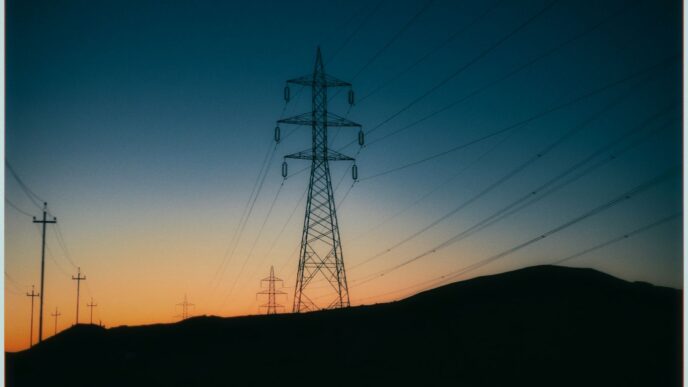
Our electricity grids are, frankly, pretty old in many places. We’re trying to push a lot more renewable energy through them, but they weren’t really built for that. Think of it like trying to send a massive amount of data through an old dial-up modem. We need smarter grids with better technology and more transmission lines to handle all this new energy. While some places are making progress, many countries just can’t upgrade their infrastructure fast enough to keep up with how quickly new renewable tech is coming online. This mismatch can lead to reliability issues and makes it harder to get clean energy where it’s needed.
The Economic Impact of Renewable Energy Adoption
It’s pretty wild to think about how much renewable energy is changing things, not just for the planet, but for our wallets too. We’re seeing a huge shift, and it’s creating jobs and boosting economies in ways we might not have expected.
Job Creation in the Clean Energy Sector
This is a big one. The move towards cleaner energy isn’t just about cutting emissions; it’s also a major engine for job growth. Worldwide, millions of people are now working in clean energy fields. We’re talking about jobs in manufacturing solar panels and wind turbines, installing them, maintaining them, and even in the research and development side of things. Plus, as we build out smarter grids and more efficient energy systems, that opens up even more employment opportunities.
Here’s a quick look at where the jobs are:
- Solar Energy: Installation, manufacturing, and maintenance.
- Wind Power: Turbine construction, operation, and repair.
- Battery Storage: Manufacturing, installation, and system management.
- Electric Vehicles: Production and infrastructure development.
- Energy Efficiency: Retrofitting buildings and developing new technologies.
It’s a pretty positive trend, especially when you compare it to job losses expected in some older energy sectors.
Economic Growth Fueled by Renewables
Beyond just jobs, renewable energy is a real driver of economic activity. When we invest in solar farms, wind projects, and new grid infrastructure, that money circulates. It means more business for local companies, more demand for materials, and often, more tax revenue for communities. Renewable energy is becoming a significant contributor to national and global economic growth. Think about it: building out a whole new energy system requires massive investment, and that investment has ripple effects throughout the economy.
Investment Opportunities in Emerging Markets
This is where things get really interesting for the future. Many developing countries and emerging markets have incredible potential for renewable energy, like abundant sunshine or wind resources, but they haven’t tapped into it much yet. Now, with the costs of solar and wind power dropping so much, these regions are becoming prime spots for investment. Scaling up renewables in these areas can help them leapfrog traditional fossil fuel dependence, build out their energy infrastructure, and create local economic benefits. It’s a chance to develop sustainably from the ground up, which is a win-win for everyone involved.
Future Prospects and Investment Strategies
Meeting Soaring Global Energy Demand
The world’s appetite for energy isn’t slowing down, not one bit. As populations grow and economies develop, especially in emerging markets, we’re going to need a whole lot more power. The good news? Renewables are stepping up to the plate. Solar and wind are already the cheapest ways to get new electricity in many places, and that trend is only going to continue. This shift means that meeting future energy needs is increasingly tied to how fast we can build out clean energy infrastructure. It’s not just about replacing old power plants anymore; it’s about building a whole new system that can handle this massive demand increase. We’re seeing record investments, but honestly, it’s still not enough to keep pace with where we need to be by 2030 if we’re serious about climate goals. Think of it like this:
- Global clean energy investment hit $2.1 trillion in 2024, which sounds like a lot, but experts say we might need to nearly double that by 2030.
- Emerging markets, where energy demand is growing fastest, are getting only a small slice of the investment pie, even though they represent a huge chunk of the world’s population.
- Upgrading and expanding power grids is a huge piece of the puzzle, and current investment levels are falling short of what’s needed.
The Role of Green Hydrogen and Battery Storage
Okay, so solar and wind are great, but they don’t always produce power when we need it, right? That’s where green hydrogen and battery storage come in. They’re like the supporting actors that make the whole show run smoothly. Battery storage is getting cheaper and better, helping to smooth out the bumps when the sun isn’t shining or the wind isn’t blowing. Green hydrogen, made using renewable electricity, is looking like a real game-changer for industries that are hard to electrify, like heavy transport and manufacturing. It’s still early days for hydrogen, and there are definitely challenges to overcome, like building out the infrastructure and bringing down costs. But the potential is huge.
Here’s a quick look at where things stand:
| Technology | Current Status | Future Potential |
|---|---|---|
| Battery Storage | Rapidly falling costs, increasing deployment | Grid-scale storage, electric vehicle integration, grid stability |
| Green Hydrogen | Emerging technology, high production costs | Decarbonizing heavy industry, long-haul transport, energy storage |
Accelerating the Transition with Strategic Investments
So, how do we speed all this up? It really comes down to smart money and smart policies. We need governments to keep providing stable incentives, not flip-flopping on policies every few years. That helps private investors feel more confident putting their cash into new projects. We also need to get better at permitting – nobody wants to wait years for a project to get approved. Streamlining those processes, while still being mindful of local communities, is key. And, of course, we need to train more people. The clean energy sector needs skilled workers, from engineers to installers. It’s a complex web, but with focused investment in the right areas – like grid upgrades, storage, and hydrogen – we can really push the pedal to the metal on this energy transition.
Wrapping It Up
So, where does all this leave us? Renewable energy is definitely here to stay and is growing fast, making up a big chunk of the electricity we use now. Solar and wind are leading the charge, and things like battery storage and smart grids are helping make sure the power stays on. It’s great that we’re seeing so much money flowing into clean energy, way more than into fossil fuels, and it’s even creating more jobs. But, it’s not all smooth sailing. We’ve got issues with supply chains, getting projects approved, and making sure our power grids can handle everything. Plus, policies can change, which makes investors a bit nervous. The bottom line is, while the technology is getting better and cheaper, the real speed bumps are things like stable government rules, updated infrastructure, and reliable supply lines. It’s a complex picture, but the shift to cleaner energy is happening, and it’s going to take smart people and coordinated efforts to keep the momentum going.