
We hear a lot about Artificial Intelligence these days, and how it’s changing things. But have you ever stopped to wonder about the energy it all uses? It’s not just about the big data centers; even a simple request to an AI takes power. So, how much energy does an AI use per prompt, really? It’s a question with a surprisingly complex answer, and it matters more than you might think as AI becomes a bigger part of our lives.
Key Takeaways
- The energy needed for a single AI prompt might seem tiny, like seconds of watching TV, but when billions of prompts are sent daily, the total adds up fast.
- Creating AI-generated images or videos uses significantly more energy than just text-based prompts, with video being particularly power-hungry.
- Factors like the size of the AI model, the efficiency of the hardware running it, and the energy needed for data center cooling all play a big role in how much power is used.
- While individual AI companies are making their models more efficient, the massive increase in AI use means the overall energy demand is still growing, putting strain on power grids.
- There’s a lot of debate about how to accurately measure AI’s energy use, with some calculations only looking at the core processing and others including a wider range of factors like cooling and idle systems.
Understanding The Energy Footprint Of AI Prompts
It feels like AI is everywhere these days, right? From writing emails to making pictures, it’s become a pretty common tool. But have you ever stopped to think about what it takes, energy-wise, for AI to do all that? It’s not just about the electricity powering your computer; there’s a whole lot more going on behind the scenes. The energy cost of a single AI prompt might seem tiny, but when you multiply that by billions of requests every single day, it starts to add up.
The Growing Demand For AI Energy
AI models, especially the big ones that can do so many different things, need a ton of power. Think about training these models – it’s like sending a supercomputer through a massive library for months on end. This training phase uses a huge amount of electricity. Then, once they’re ready to go, they still need power to answer your questions or create content. This constant need for energy is growing fast as more and more people use AI tools.
Challenges In Measuring AI’s Environmental Impact
Figuring out exactly how much energy AI uses isn’t straightforward. Companies often don’t share detailed information, and even when they do, the way they measure things can be different. Some might only count the power used by the specific chip doing the work, while others include the energy for cooling the data center, keeping other machines running, and even the water used. This makes it hard to compare one AI’s impact to another’s. It’s like trying to compare apples and oranges when everyone’s using a different scale.
The Nuance Behind A Single Prompt’s Consumption
So, what about that single prompt you just sent? It’s complicated. A simple text request might use less energy than asking an AI to generate a complex image or a video. And even then, the size and design of the AI model itself play a big role. Some studies suggest that the energy used by a single prompt could be anywhere from a fraction of a watt-hour to several watt-hours. For context, a typical LED light bulb uses about 10 watts. If an AI prompt uses, say, 3 watt-hours, that’s like running that light bulb for about 20 minutes. It’s not a lot for one go, but imagine doing that millions of times an hour.
Quantifying Energy Use Per AI Interaction
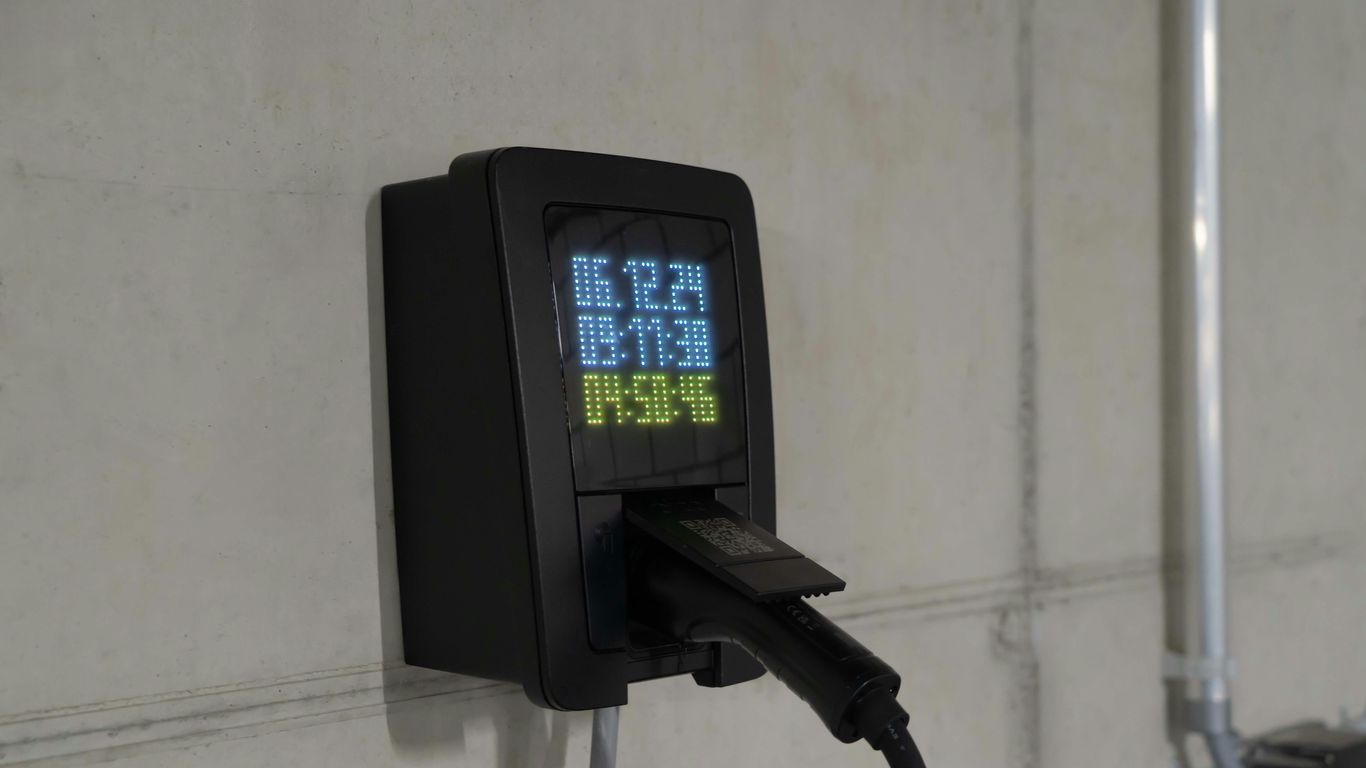
So, how much juice does a single AI prompt actually sip? It’s not a simple number, and honestly, it changes depending on what you’re asking the AI to do. Think of it like comparing a quick text message to sending a whole movie file – both use data, but the scale is wildly different.
Comparing AI Prompts To Everyday Tasks
It’s tough to give a single figure for every AI prompt because the energy cost varies so much. Some reports suggest that a simple text-based query might use a tiny amount of energy, perhaps comparable to a very brief electronic task. However, when you start asking for more complex outputs, the energy draw climbs. For instance, a study indicated that asking an AI chatbot 15 questions, requesting 10 images, and three short videos could use about 2.9 kilowatt-hours of electricity. That’s a fair bit more than just sending an email, and it starts to add up when you consider how often people are using these tools.
Energy Consumption Of Text Generation Vs. Image Creation
When we break it down, generating text is generally less energy-intensive than creating images. A text-based AI model, especially a smaller, more focused one, might use anywhere from 114 to a few thousand joules per response. That’s a pretty wide range, and it often comes down to the model’s size and how many parameters it’s working with. On the flip side, generating an image requires the AI to process a lot more data to create visual information. This means it needs more computational power, and consequently, more energy. The difference can be significant, making image generation a more costly operation in terms of energy.
The Significant Cost Of AI-Generated Video
If text is one end of the spectrum and images are in the middle, then AI-generated video is definitely at the high-energy end. Creating even a short video clip using AI can be surprisingly power-hungry. Some estimates suggest that producing just a few seconds of AI video could consume energy equivalent to running a microwave for a full hour. This is because video generation involves creating a sequence of images, often with motion and complex scene details, which demands a massive amount of processing power. The energy required for AI video production is a major contributor to the overall environmental footprint of AI.
Factors Influencing AI Energy Consumption
So, we’ve talked about how AI uses energy, but what actually makes that number go up or down? It’s not just one thing; a bunch of different elements play a role. Think of it like driving a car – how much gas you use depends on the engine size, how fast you’re going, and even the terrain.
Model Size and Complexity
This is a big one. Larger AI models, the ones with billions of parameters, are like super-powered engines. They can do amazing things, but they need a lot more juice to run. Smaller, more specialized models might be perfectly fine for simpler tasks and use way less energy. It’s like using a giant truck to pick up a single carton of milk – overkill, right? Researchers are looking into ways to make these models more efficient, but for now, bigger often means more power.
Hardware Efficiency and Optimization
What kind of computer chips are running the AI? That matters a lot. Newer chips, like Nvidia’s H100, are built specifically for AI tasks and can be really powerful, but they also tend to be more power-hungry than older or less specialized hardware. Even the way these chips are designed and optimized can make a difference. The hardware itself is a major piece of the energy puzzle. Plus, you have to remember that the reported energy use of just the chip might not tell the whole story; you often need to double that figure to account for the supporting systems.
Data Center Overhead and Cooling
AI doesn’t just run on a single computer. It lives in massive buildings called data centers, filled with racks and racks of servers. These places need a ton of electricity just to keep the lights on and, more importantly, to keep everything cool. Imagine a giant refrigerator running 24/7. Cooling systems can use as much energy as the servers themselves, especially in warmer climates or during peak demand times. So, even if the AI model is efficient, the environment it’s running in adds a significant chunk to the total energy bill. It’s like trying to cool your house on a scorching summer day – the air conditioner is working overtime.
The Cumulative Impact Of Billions Of Prompts

So, we’ve talked about how much energy a single AI prompt might use. It sounds pretty small, right? Like, maybe a tiny fraction of what your fridge uses in a day. But here’s where things get interesting, and honestly, a little concerning. Think about it: billions of these prompts are sent out every single day, all across the globe. That tiny amount, multiplied by an astronomical number, starts to add up. It’s the sheer volume that turns a whisper into a roar.
Scaling AI Usage And Its Energy Demands
When you have millions, even billions, of people using AI tools for everything from writing emails to generating art, the energy demand isn’t just a little bit higher; it’s a whole different ballgame. A single AI model, like the ones powering popular chatbots, can use significantly more energy than a traditional search engine query. Some estimates suggest a generative AI prompt might need about ten times the power of a standard web search. If a billion people each send just one prompt, that’s a lot of energy being used, even if each individual prompt is small.
Here’s a rough idea:
- Online Search: Around 0.3 watt-hours (Wh)
- Generative AI Prompt: Roughly 3 watt-hours (Wh)
To put that into perspective, running a typical refrigerator for a whole day uses about 1500 Wh. That means:
- 1500 Wh could power about 5,000 online searches.
- 1500 Wh could power about 500 generative AI prompts.
So, while one prompt is small, 500 of them start to look like a significant chunk of daily energy use for a household appliance.
The Role Of Data Centers In AI’s Energy Footprint
All these AI prompts don’t just float around in the ether. They need powerful computers, housed in massive data centers, to process them. These data centers are energy hogs. They need electricity not just for the servers doing the AI work, but also for keeping everything cool. Imagine a giant air conditioner running 24/7 for thousands of computers – that’s a lot of power. Some reports suggest that the energy used just to cool these facilities can be substantial, sometimes even rivaling the energy used by the servers themselves. The location of these data centers also matters; if they’re in places that rely on fossil fuels for electricity, the carbon footprint gets even bigger.
The Need For Transparency In AI Energy Reporting
This is where it gets tricky. Companies developing AI are starting to share some numbers, but it’s not always clear what’s included in those calculations. Is it just the energy used by the specific chip that processed the prompt? Or does it include the energy for the entire system, the cooling, the network, and all the other bits that keep a data center running? Some companies might use a very narrow definition, making their per-prompt energy use look tiny. Others, like Google, are trying to be more thorough, looking at the whole picture. Without clear, standardized ways of measuring and reporting this energy use, it’s hard for us to really grasp the total impact and compare different AI systems fairly. We need companies to be upfront about their energy consumption, so we can all understand the real cost of using these powerful tools.
Efforts Towards More Sustainable AI
So, we’ve talked about how much energy AI can gobble up. It’s a lot, right? But the good news is, people are actively working on making AI kinder to the planet. It’s not just about building bigger and faster models; it’s about building smarter ones.
Improvements In Model Efficiency
One big area of focus is making the AI models themselves use less power. Think of it like upgrading your old car to a hybrid. Researchers are figuring out how to get the same or even better results from AI models that require less computational muscle. This means less electricity is needed to train these models and even less when they’re actually doing their job, like answering your prompts. This refinement in algorithms and model architecture is key to reducing the energy cost per interaction. It’s about getting more bang for your computational buck.
Choosing The Right Model For The Task
Another smart approach is simply not using a sledgehammer to crack a nut. Do you really need the most powerful, energy-hungry AI model to answer a simple question like "What’s the weather tomorrow?" Probably not. Developers and users are starting to realize that smaller, more specialized models can handle many everyday tasks just fine. Using a less complex model for simpler jobs means significantly less energy is consumed. It’s like using a small screwdriver for a tiny screw instead of a power drill. This careful selection can lead to substantial energy savings when scaled across millions of users. For instance, a standard model might perform just as well as a complex reasoning model for certain tasks, but use a fraction of the energy [c950].
Developing Energy Rating Systems For AI
To help everyone make more informed choices, there’s a push to create systems that rate AI models based on their energy consumption. Imagine an Energy Star label, but for AI. This would allow users and developers to compare different models and choose the ones that are more efficient. It’s still early days, but the idea is to bring transparency to AI’s energy footprint. Some initiatives are already tracking this, providing leaderboards that rank models by their energy use across various tasks. This kind of information is vital for driving competition towards more sustainable AI development. The goal is to find that sweet spot where performance, accuracy, and energy efficiency all align.
Debates Surrounding AI Energy Claims
It feels like every other week, a new number pops up about how much energy AI uses. One company says a single prompt is like running a microwave for a second, another suggests it’s way more. It gets confusing fast, right? The real issue is that these numbers often lack the full story.
Skepticism Towards Reported Energy Figures
When companies like OpenAI release figures, like the "average" ChatGPT query using a tiny bit of energy, it’s a start. But a lot of folks in the know are raising eyebrows. Why? Well, for starters, what even is an "average" query? Is it a quick question, or a whole back-and-forth conversation? Does it cover simple text or complex image generation? Without that kind of detail, it’s hard to take the number at face value. Some researchers think the actual energy use could be much higher, especially if you consider the sheer number of servers and the global scale of AI use. It’s like saying a car uses "X" amount of gas without saying if it’s a sports car or a minivan.
What’s Included In Energy Calculations?
This is where things get really murky. When someone reports an AI’s energy use, what exactly are they counting? Are they just looking at the electricity used by the computer chip doing the work (that’s called inference)? Or are they also factoring in the massive energy needed to train the AI model in the first place? And what about the energy to keep the data centers running – the cooling systems, the lights, everything? Plus, the source of the electricity matters a ton. Is it coming from clean renewable sources or fossil fuels? A kilowatt-hour from solar is very different from one from coal.
Here’s a quick look at what could be included:
- Training the AI model: This is a huge, one-time (or periodic) energy cost.
- Running the AI (Inference): This is the energy used for every single prompt you send.
- Hardware Manufacturing: The energy to build the chips and servers.
- Data Center Operations: Cooling, lighting, and general upkeep.
- Network Transmission: Energy to send data back and forth.
The Importance Of Comprehensive Measurement Methodologies
To really get a handle on AI’s energy footprint, we need a standard way of measuring it. Right now, it’s a bit of a free-for-all. Some studies look at one specific model, others try to guess the total usage. It’s like trying to compare apples and oranges, or maybe more accurately, apples and power plants. We need clear guidelines so that we can actually compare different AI systems and understand their true environmental cost. Think about energy ratings on appliances – we need something similar for AI, so we know which tools are more efficient and which are energy hogs. Without that, it’s just guesswork, and that’s not going to help us build a more sustainable AI future.
So, What’s the Bottom Line?
Look, figuring out the exact energy cost of a single AI prompt is tricky. Companies are getting better at making their AI tools more efficient, which is good news. Google, for instance, says it’s cut down the energy use for its prompts a lot. But here’s the thing: even a tiny bit of energy adds up fast when billions of people are using these tools every single day. Think about it like a leaky faucet – one drip doesn’t seem like much, but over time, it wastes a ton of water. The same goes for AI. While a single prompt might seem small, the sheer volume of them means we’re talking about a big energy footprint overall. We need to keep pushing for more efficient AI and be mindful of how much we’re using it, especially as AI gets integrated into more and more things we do online.
Frequently Asked Questions
How much energy does one AI prompt actually use?
It’s tricky to give one exact number because it depends on many things. Some studies say a single text prompt might use as little energy as watching TV for a few seconds. However, other tasks like creating images or videos use much more. Think of it like this: a simple question to an AI is like a quick text message, but asking it to make a movie is like asking it to run a whole factory for a bit!
Why is AI energy use a big deal?
While one AI prompt uses a small amount of energy, billions of people use AI every single day. When you add up all those tiny amounts, it becomes a huge amount of energy. This is like how a single drop of water seems small, but oceans are made of billions of them. All this energy use can affect our planet.
Does making AI models use more energy than using them?
Yes, definitely! Training an AI model, which is like teaching it everything it knows, takes a massive amount of energy. It’s like building a super complex machine. Once it’s built, using it (like asking it questions) still uses energy, but usually much less than the initial training.
What makes some AI use more energy than others?
Several things make a difference. Bigger and more complicated AI models usually need more power. The computer hardware they run on also matters; newer, more efficient chips use less energy. Plus, the buildings where these computers live (data centers) need a lot of energy just to stay cool, especially in hot weather.
Are companies making AI more energy-efficient?
Yes, many companies are working hard to make AI use less energy. They are finding ways to make the AI models smarter and smaller, and the computer systems that run them are getting better. For example, some companies have made their text-generating AI use way less energy than it did just a year ago!
How can we know if an AI is using a lot of energy?
It’s hard to know for sure because companies don’t always share all the details. Some experts think the numbers companies give might only include the computer parts and not things like cooling systems. It would be helpful if there were clear labels, like on appliances, showing how much energy different AI tools use, so we can choose the greener options.