Data centers are becoming huge parts of our digital lives, but they come with a lot of hidden problems. We used to think of them as just places for websites and streaming, but now with AI booming, they’re using way more power and water than ever before. This article looks at the growing data center risks, from how they affect the environment and public health to the impact on local communities and the resources we need.
Key Takeaways
- Data centers are consuming massive amounts of energy, often forcing a return to fossil fuels and threatening renewable energy goals. This surge in demand is largely driven by AI computing.
- The significant water needs of data centers create conflicts in water-scarce regions, especially as climate change worsens drought conditions.
- Operational emissions from backup generators contribute to air pollution, leading to substantial public health costs related to respiratory and cardiovascular issues.
- Data centers often provide few local jobs while receiving significant tax breaks, creating economic disparities and placing burdens on nearby communities.
- The demand for components like batteries for data centers drives resource extraction, causing environmental damage and geopolitical issues, raising questions about resource allocation.
Escalating Energy Consumption and Its Ripple Effects
The amount of power data centers need is climbing fast, and nobody seems fully ready for what that means. The story used to be about websites and streaming, but now it’s all about AI, which uses a massive chunk of electricity. A single major data center can pull as much power as a small city.
The Growing Demand for Data Center Power
- With AI and streaming growing, electricity use in data centers is getting out of hand.
- In some spots, like Northern Virginia, new data center projects could triple current energy demand by 2030.
- It’s not a local thing—US data centers could soon use more electricity than the country of Poland.
| Year | US Data Center Power Demand (TWh) | % of US Total Power Use |
|---|---|---|
| 2020 | 70 | 1.8% |
| 2026 | 210 (projected) | ~5% (projected) |
Impact on Renewable Energy Goals
- The speed at which data centers are eating through electricity has thrown off plans to go green.
- With grid capacity stretched thin, utilities are slowing down or pausing renewable projects.
- In some countries, like Germany, efforts to shut down coal plants are postponed because data centers want dependable power.
List of ways data centers mess with clean energy plans:
- Force utilities to rely more on natural gas and coal for backup.
- Siphon limited renewable output away from homes and businesses.
- Make battery storage (to smooth out wind/solar bumps) too expensive for other sectors.
Competition for Scarce Energy Resources
It’s a tug-of-war, and not just among tech companies. Others needing power—factories, households, even public transit—end up fighting for a shrinking slice.
- Spot shortages can mean higher prices for everyone, especially in regions with lots of data center buildout.
- Small towns sometimes get pressured to approve new, energy-hogging centers to attract investment, even if that means locals deal with brownouts or pay more for electricity.
All in all, the energy appetite of data centers is throwing wrenches into everything from climate targets to the price of your electric bill. The ripple effects are landing on everyone, not just the tech firms writing the checks.
Water Scarcity and Cooling System Demands
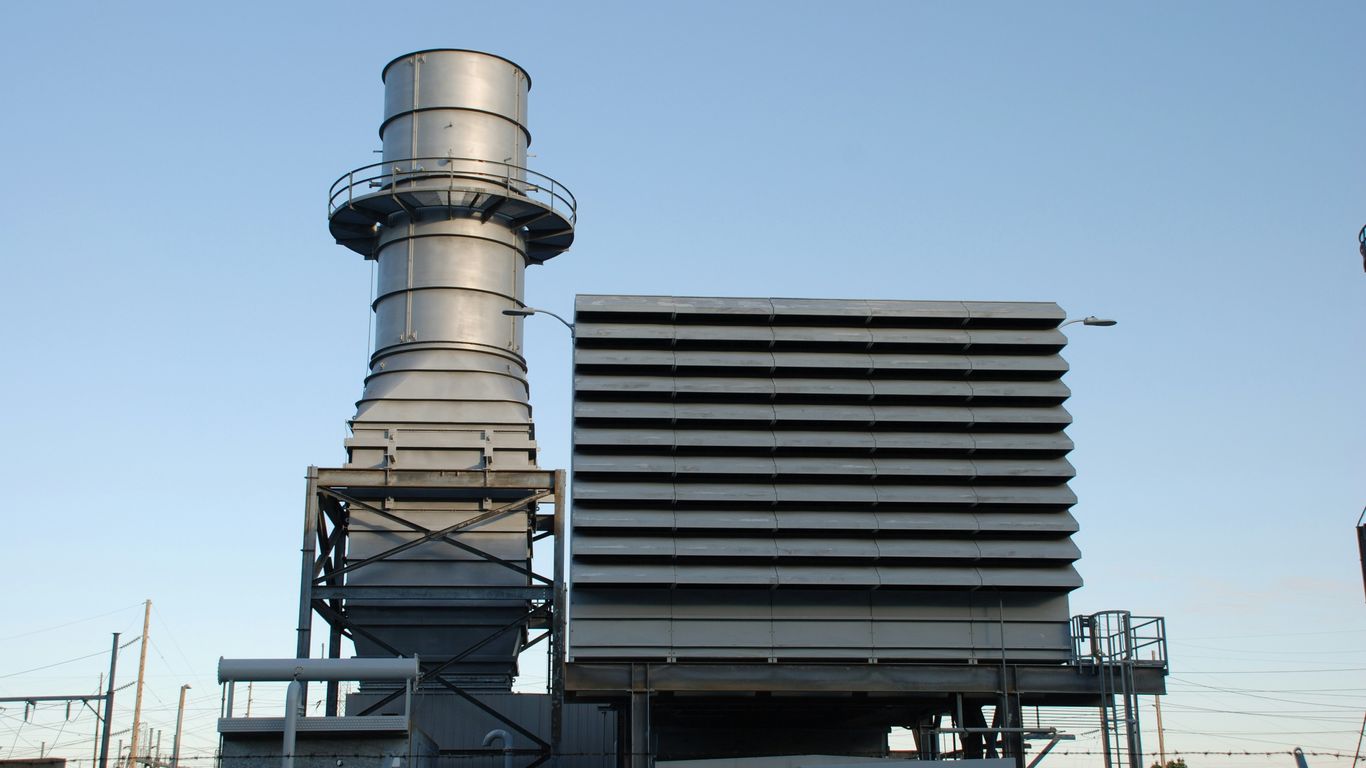
You know, it’s easy to think of data centers as just these big buildings full of computers, humming away. But they’re also massive water users. These places need to stay cool, and a lot of that cooling relies on water. We’re talking millions of gallons every single day for a single large facility. That’s a lot of water, right?
High Water Consumption in Data Centers
So, how much water are we really talking about? A big data center, the kind that handles all that AI processing we hear so much about, can easily use between 3 to 5 million gallons of water daily. To give you some perspective, that’s about the same amount of water a town of 40,000 people uses in a day. It’s a staggering figure when you stop and think about it. This water is primarily used in cooling systems, often through large evaporative cooling towers, to keep the servers from overheating. It’s a constant need, day in and day out.
Conflict with Water-Stressed Regions
Here’s where it gets tricky. A lot of these data centers are popping up in areas that are already struggling with water shortages. It’s estimated that around 40% of these facilities are located in regions already facing high water stress. Imagine being a farmer trying to grow crops, or a town trying to supply its residents with enough water, and then a massive data center comes along needing millions of gallons. This competition for a limited resource can create some serious friction. It’s not just about the data center’s needs; it’s about the needs of the entire community and the environment around it.
Climate Change Exacerbating Water Competition
And if all that wasn’t enough, climate change is making things even tougher. We’re seeing more intense droughts and unpredictable weather patterns in many parts of the world. This means the water that data centers rely on is becoming even scarcer. So, the problem isn’t just about how much water data centers use, but also about the fact that the available water supply is shrinking in many places. This puts even more pressure on the system, making it harder for everyone – from agriculture to households to these tech giants – to get the water they need. It’s a complex issue with no easy answers, and it’s only going to get more challenging as the climate continues to change.
Public Health Costs from Operational Emissions
Air Pollution from Backup Generators
Those massive data centers need to stay online, no matter what. That means they have backup generators, usually running on diesel. While they’re great for keeping the servers humming during a power outage, these generators pump out a lot of nasty stuff into the air. We’re talking about things like nitrogen oxides and particulate matter, which aren’t exactly good for us to breathe. It’s a bit of a hidden cost, you know? The shiny tech we all rely on has a shadow side that affects the air quality around these facilities.
Quantifying Health-Related Expenses
It’s tough to put an exact number on it, but studies have tried to figure out how much this air pollution costs us in terms of health. Some estimates put the annual price tag for health issues linked to data center emissions somewhere between $5.7 billion and $9.2 billion. That’s a huge chunk of change, and it doesn’t even cover everything. When you look at the full picture, including everything from asthma flare-ups to more serious heart problems, the cost over a few years could easily climb to $20 billion. It’s a stark reminder that environmental problems often translate directly into human health problems, and that has a real financial impact on our healthcare systems. The air pollution from power sources is a growing concern.
Respiratory and Cardiovascular Impacts
So, what exactly happens when we breathe in that generator exhaust? For starters, it can really mess with your lungs. People living near these facilities might experience more asthma attacks, bronchitis, and other breathing difficulties. It’s not just about short-term irritation, either. Long-term exposure to this kind of pollution is linked to more serious issues, including chronic respiratory diseases. And it doesn’t stop there; this pollution can also affect your heart. We’re talking about increased risks for heart attacks, strokes, and other cardiovascular problems. It’s a pretty grim picture when you consider the direct link between the operational emissions of these data centers and the well-being of the communities nearby.
Community Concerns and Economic Disparities
It’s easy to get caught up in the shiny new tech that data centers enable, but we really need to talk about who’s actually paying the price. While these massive facilities promise innovation, they often leave the local communities feeling the pinch in ways that aren’t always obvious. The economic benefits, like job creation, frequently don’t trickle down as much as proponents claim.
Limited Local Job Creation
When a new data center pops up, you might expect a hiring boom, right? Well, it’s not always that simple. Many of the jobs created are highly specialized and go to people already in the tech industry, often from outside the immediate area. The number of permanent, well-paying jobs for local residents can be surprisingly small compared to the scale of the facility. This means the promised economic uplift doesn’t always materialize for the folks living right next door.
Disproportionate Community Burdens
Communities often end up shouldering the downsides without seeing a proportional share of the rewards. Think about the increased traffic from construction and maintenance vehicles, the strain on local infrastructure like roads and power grids, and the potential for environmental impacts like noise and light pollution. These are real costs borne by the community. Meanwhile, data center companies often secure significant tax breaks, sometimes for years, which means local governments have less revenue to spend on public services that benefit everyone. It’s a tough trade-off when you consider that these facilities can consume as much power as a small city.
Tax Breaks Versus Local Benefits
This brings us to the heart of the issue: the balance between incentives and actual community gain. Data centers frequently lobby for and receive substantial tax abatements, sometimes in the millions. This is often justified by the promise of future economic growth and jobs. However, as mentioned, the job creation can be minimal, and the tax revenue lost can be substantial. This leaves local governments in a bind, potentially sacrificing much-needed funds for services like schools and public safety in exchange for a speculative economic boost. It’s a complex situation that requires careful consideration of long-term economic impacts for the entire community, not just the tech companies involved.
The Environmental Toll of Resource Extraction
It’s not just about the buildings and the servers, you know? All that tech needs raw materials, and getting them out of the ground is a whole other mess. Think about the batteries data centers use – they need specific minerals. These aren’t just lying around; they have to be mined, and that process can really mess up the environment.
Mineral Demands for Battery Storage
Data centers, especially with the rise of AI, are gobbling up energy. To keep things running smoothly and avoid blackouts, they rely heavily on battery storage. These batteries, the kind that also power electric cars, need minerals like lithium and cobalt. The demand for these is skyrocketing. It’s a bit of a catch-22: we want green tech, but the stuff to build it can cause its own set of problems.
Here’s a look at some key minerals and their uses:
| Mineral | Primary Use in Data Centers | Environmental Concerns |
|---|---|---|
| Lithium | Battery storage | Water depletion, habitat destruction |
| Cobalt | Battery cathodes | Child labor, toxic waste |
| Nickel | Battery components | Air and water pollution |
Ecological Havoc from Mining Operations
When companies dig for these minerals, especially in places like South America or parts of Africa, it can be pretty destructive. We’re talking about huge open pits, massive water usage in already dry areas, and the destruction of natural habitats. It’s not just a local issue either; the pollution can spread. The process often involves chemicals that can contaminate soil and water for years. This extraction process can leave lasting scars on the landscape and the communities living nearby. It’s a tough trade-off when you consider the need for reliable power for our digital lives.
Geopolitical Machinations in Resource Acquisition
Getting these minerals isn’t just an environmental issue; it’s a political one too. Countries that have large reserves of these critical minerals often find themselves in complex international situations. There’s a lot of competition, and sometimes, the way resources are acquired can be tied to political instability or questionable deals. The US, for example, is looking to secure its own supply chains, which means more mining projects domestically, like the one in Nevada. This brings the environmental and social impacts closer to home, sparking local opposition and raising questions about how we balance national interests with local well-being and environmental protection.
- Resource Competition: Nations vie for control over mineral-rich territories.
- Supply Chain Vulnerability: Dependence on a few countries creates risks.
- Ethical Sourcing: Ensuring minerals are mined without human rights abuses is a challenge.
- Domestic Extraction: Bringing mining operations home can lead to local environmental battles.
Navigating the Evolving Regulatory Landscape

It feels like every week there’s a new rule or guideline popping up about data centers. Governments and local bodies are starting to really pay attention to how these massive facilities impact everything from energy grids to the air we breathe. It’s a bit of a wild west situation still, but things are definitely changing.
Emerging Environmental Policies for Data Centers
Governments are beginning to put actual policies in place to manage the environmental footprint of data centers. This isn’t just about asking nicely anymore. We’re seeing rules about energy efficiency, water usage, and even where new centers can be built. Some places are pushing for data centers to use a certain percentage of renewable energy, which is a big deal.
- Mandatory energy efficiency standards: Many new regulations focus on making sure data centers don’t waste power. This can mean requirements for cooling systems, server hardware, and overall building design.
- Water usage restrictions and reporting: In areas where water is scarce, data centers might face limits on how much water they can draw for cooling. They may also have to report their water consumption.
- Renewable energy targets: Some regions are setting goals for data centers to source a specific portion of their electricity from renewable sources like solar or wind.
- Waste heat utilization mandates: A few forward-thinking policies encourage or require data centers to find ways to reuse the heat they generate, perhaps for local heating systems.
Tracking Regulatory Frameworks Across Regions
Keeping up with all these different rules can be a headache. What’s happening in Europe might be totally different from what’s going on in North America or Asia. Each region is trying to figure out its own approach, often based on local environmental challenges and energy availability.
Here’s a quick look at how some areas are approaching this:
| Region | Key Focus Areas | Notable Policies |
|---|---|---|
| European Union | Energy efficiency, carbon emissions, water use | EU Code of Conduct for Data Centres, proposed carbon pricing for data centers |
| United States | State-level initiatives, grid impact, water scarcity | California’s energy efficiency standards, New York’s water use reporting |
| Asia-Pacific | Rapid growth management, renewable energy adoption | Singapore’s stricter licensing, Japan’s energy saving initiatives |
The Need for Strategic Grid Expansion
All these data centers need a lot of power, and the existing electrical grids weren’t always built to handle that kind of demand, especially in new locations. So, there’s a big push to expand and modernize the grid. This isn’t just about building more power lines; it’s about making the grid smarter, more resilient, and capable of handling more renewable energy sources. This strategic grid expansion is key to supporting both data center growth and broader clean energy goals. It’s a massive undertaking, involving significant investment and planning to make sure the lights stay on everywhere, not just for the servers but for all of us too.
Balancing Innovation with Environmental Responsibility
It’s a tough spot we’re in, isn’t it? On one hand, we’ve got all these amazing new AI tools and technologies popping up, promising to change the world. Think about AI helping doctors spot diseases earlier or figuring out how to make our energy grids smarter. That’s pretty incredible stuff. But then you look at the power these things need, the water for cooling, and all the resources dug up to build the hardware, and it’s a bit of a wake-up call. We’re at a point where we have to figure out how to keep pushing forward with innovation without wrecking the planet in the process.
AI’s Potential for Environmental Solutions
It’s not all doom and gloom, though. AI itself can actually be a big help in tackling environmental problems. It can crunch numbers to model climate change, help manage renewable energy sources more effectively, and even make factories and farms run more efficiently, using less energy and fewer resources. For example, AI is being used to optimize traffic flow in cities, which cuts down on fuel consumption and air pollution. It’s also helping farmers use water and fertilizer more precisely, reducing waste and runoff. These kinds of applications can offset some of the environmental costs associated with the technology itself. We’re seeing efforts to explore eight cooling strategies designed to enhance the sustainability of AI data centers, which is a good sign.
Justifying Environmental Costs for Essential AI
This is where things get a little complicated, ethically speaking. Not all AI is created equal when it comes to its impact versus its benefit. Using AI to develop new medicines or predict natural disasters? Most people would agree that the environmental cost is justified by the potential to save lives or prevent widespread damage. But what about AI for entertainment or social media trends? The argument gets weaker. It’s like the difference between using a lot of electricity for a life-saving MRI machine versus using it to power a video game console 24/7. The benefits just don’t always line up with the resource demands. We need to ask ourselves if the application is truly necessary or just a luxury.
Pursuing Technological Advancement Responsibly
So, what’s the path forward? It’s not about stopping progress, but about being smarter about it. We need to push for:
- Transparency: Companies need to be upfront about the environmental footprint of their data centers and AI operations. No more hiding the real costs.
- Investment in Renewables: Tech giants should be investing heavily in renewable energy sources to power their facilities, not just relying on the existing grid, which often still uses fossil fuels.
- Efficiency Gains: Continued research into more energy-efficient hardware and smarter cooling systems is a must. Every bit of energy saved counts.
- Policy and Regulation: Governments need to step in with clear rules and standards for data center construction and operation, making sure they don’t harm local communities or the environment.
- Prioritizing Use Cases: Encouraging the development and use of AI for critical applications like healthcare, climate science, and disaster response, while being more cautious about its use in less impactful areas.
Ultimately, the goal is to find a way for technology to advance without leaving a trail of environmental destruction. It’s a balancing act, for sure, and one that requires a lot of thought and action from everyone involved.
Looking Ahead: Balancing Progress with Responsibility
So, where does this leave us? Data centers are clearly here to stay, powering so much of our modern lives, especially with AI booming. But we can’t just ignore the growing strain on our power grids, the thirsty demand for water, and the pollution that affects communities. It’s not a simple black-and-white issue. While some AI applications can actually help the environment, the sheer scale of these facilities means we have to be smart about how we build and run them. We’re seeing some companies start to make plans, and there’s a push for more renewable energy, but it’s a race against time. The real challenge is figuring out how to keep innovating and enjoying the benefits of technology without causing harm to the planet and the people living near these massive operations. It’s about finding that balance, and it’s going to take a lot of careful thought and action from everyone involved.
Frequently Asked Questions
Why are data centers using so much more energy now?
Data centers used to be mainly for websites and streaming. Now, they are also powering advanced technologies like Artificial Intelligence (AI). This new demand for AI computing means data centers need a lot more electricity, sometimes as much as a small city uses!
How do data centers affect the environment, especially with water?
Data centers need huge amounts of water to keep their computers cool. Many are built in places that already don’t have enough water. This can cause problems for local towns and farms, especially as climate change makes droughts worse.
Do data centers cause health problems for people nearby?
Yes, sometimes. The backup generators that keep data centers running during power outages can release pollution into the air. This pollution can lead to breathing problems and other health issues for people living close by.
Do data centers create many jobs for the local community?
Often, data centers don’t create a lot of local jobs, even though they can get big tax breaks from the government. This means the community might have to deal with the downsides, like pollution and resource use, without seeing many economic benefits.
What kind of materials are needed for data centers, and where do they come from?
Data centers need special materials, especially for battery storage that keeps them running without interruption. Getting these materials, like lithium, often involves mining that can harm the environment and sometimes involves difficult global politics.
Can AI actually help the environment, even though it uses a lot of energy?
Yes, AI can be a big help! It can be used to create better climate models, manage renewable energy more efficiently, and make industries use less energy. While AI uses a lot of power, its benefits for solving environmental problems could potentially outweigh the costs.