Understanding Artificial General Intelligence
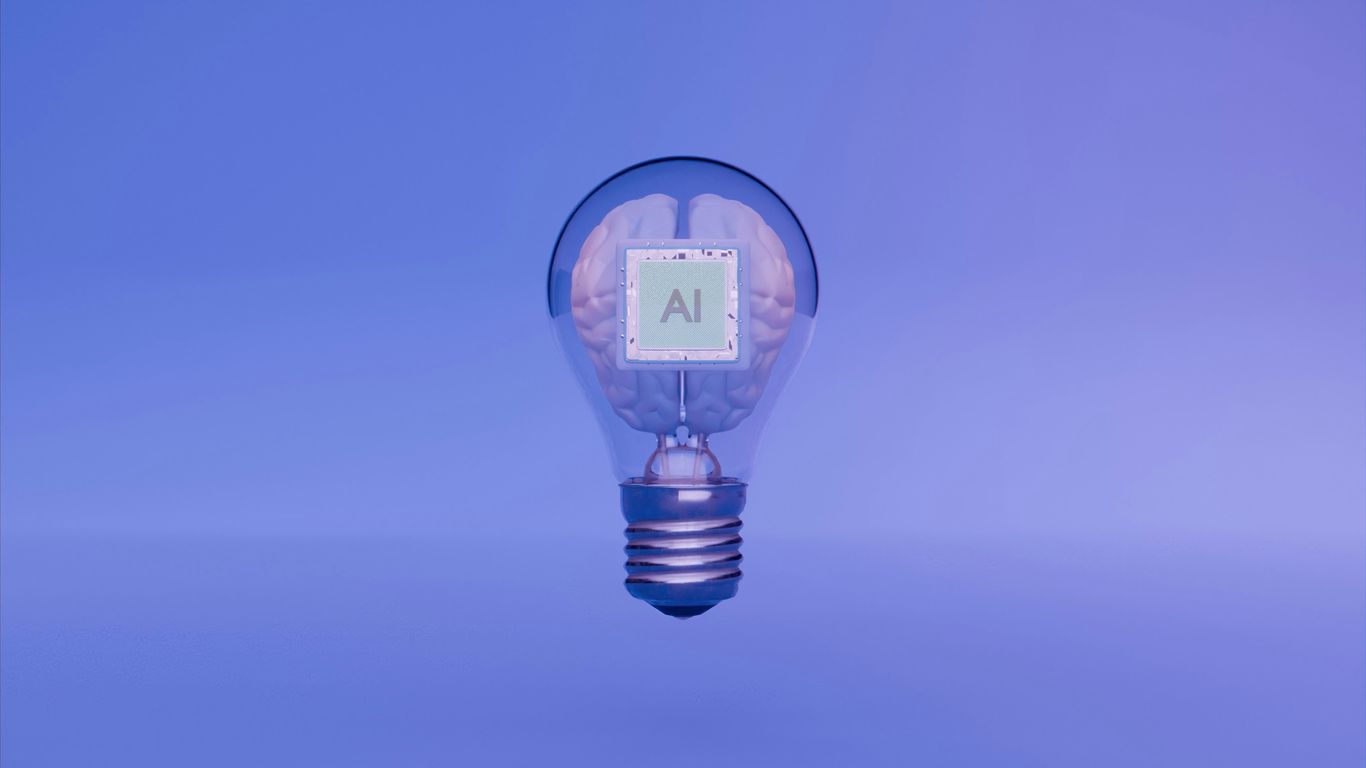
Getting your head around Artificial General Intelligence (AGI) can seem like chasing a moving target. One minute, everyone’s talking about chatbots writing poems, and the next, you’re hearing about machines that could outthink us. Here’s how it all breaks down.
Generative AI Versus Artificial General Intelligence
- Generative AI is good at making stuff—writing, drawing, composing music—but it sticks to patterns it learned before.
- AGI, by contrast, is the idea of a machine that can solve any problem, no matter the topic. Not just playing chess or answering trivia, but actually understanding and responding to new situations, kind of like a person.
- Think of generative AI as a professional chef who can whip up any dish in the cookbook, while AGI would be more like a curious cook who’s able to invent entirely new kinds of food from scratch after hearing a few guidelines.
Here’s a quick comparison:
| Feature | Generative AI | Artificial General Intelligence |
|---|---|---|
| Scope | Specific tasks | Any intellectual task |
| Adaptability | Low | High |
| Learning Approach | From examples | From experience, generalizes across problems |
| Human-likeness | None to limited | Intended to mirror human cognitive abilities |
The Essence of General Intelligence
- AGI gets its name because it’s "general"—not limited to one job at a time. We’re used to computers that can tally numbers crazy fast but get confused if you ask them to grab coffee.
- The whole point of AGI is to build a computer system that can do a bunch of different mental jobs with the same flexibility as a human being.
- Instead of switching between different AI assistants for music, maps, or advice, imagine one system that can explain why your favorite band broke up, plan your vacation, and help you study for an exam—all at once, no sweat.
Is Artificial General Intelligence Truly Possible?
There’s a lot of debate here, to say the least.
- Some experts say it’s just a matter of time and advancements in tech.
- Others think we’re not even close—since we barely know how our own brains work, let alone how to copy that in code.
- A third group wonders if we’ll ever really get there, since human thinking is tangled with feelings, intuition, and context.
And then there’s the question about risks—if we eventually build a machine that’s as smart as us or smarter, what happens next?
| Common AGI Debates | What People Say |
|---|---|
| Timeline | "Arriving this century" vs. "Decades away, if ever" |
| Feasibility | "Tech will crack it" vs. "Too complex to simulate" |
| Risk | "Transformative benefits" vs. "Serious dangers" |
| Ethical worries | "Needs regulation" vs. "Let innovation lead" |
So, if you’re keeping an eye on AGI, you’re watching one of the biggest and weirdest races in technology today—a race with a finish line we can’t quite see yet.
The Evolving Landscape of AI
It feels like AI is everywhere these days, doesn’t it? It’s not just some futuristic idea anymore; it’s actively changing how things work. We’ve seen some pretty big leaps in just the last few years, and it’s all thanks to a few key things.
Key Milestones in AI Development
Thinking back, AI wasn’t always this sophisticated. Early on, it was more about simple rules and logic. Then came the big breakthroughs:
- The rise of machine learning: This was a game-changer. Instead of programming every single step, we started building systems that could learn from data. Think of it like teaching a kid by showing them examples, rather than giving them a giant instruction manual.
- Deep learning’s impact: A more advanced form of machine learning, deep learning uses complex networks to process information, kind of like a simplified version of how our brains work. This is what’s behind a lot of the amazing image and speech recognition we see today.
- Natural Language Processing (NLP) advancements: Computers are getting much better at understanding and even generating human language. This is why virtual assistants are so much more helpful now, and why chatbots can actually hold a decent conversation.
The Role of Data Science in AI
Honestly, AI wouldn’t be much without data. Data science is basically the art and science of making sense of all that information. It’s the foundation upon which most AI systems are built.
- Gathering and cleaning data: You need good quality data to train AI models. This means collecting it from various sources and making sure it’s accurate and usable. It’s a lot of work, but super important.
- Finding patterns: Data scientists use tools and techniques to spot trends and insights within the data. This is where the ‘intelligence’ in AI starts to emerge.
- Building predictive models: Based on the patterns found, data science helps create models that can predict future outcomes or classify new information. This is what allows AI to do things like recommend products or detect fraud.
Advancements in Machine Learning and NLP
Machine learning (ML) and Natural Language Processing (NLP) are really where the rubber meets the road for a lot of AI applications. They’re constantly getting better.
ML algorithms are becoming more efficient, meaning they can learn faster and with less data. This makes AI more accessible and practical for more businesses. We’re seeing ML used for everything from predicting equipment failures in factories to helping doctors spot diseases in scans.
NLP has made huge strides too. Computers can now understand context and nuance in language much better than before. This means more natural conversations with AI assistants, better translation services, and tools that can summarize long documents automatically. It’s making human-computer interaction feel a lot less robotic.
Transformative Applications of AI Across Industries
It’s pretty wild how AI is popping up everywhere these days, isn’t it? We’ve all heard about generative AI, but the real game-changer is how AI is starting to reshape entire industries. Think about it – from how we get medical help to how we shop, AI is quietly making things different. It’s not just about automating tasks anymore; it’s about fundamentally changing how businesses operate and how we interact with the world.
Revolutionizing Healthcare with AI
Healthcare is a big one. Imagine AI that can look at all your medical history, your genes, and the latest research all at once. It could spot diseases way earlier than we can now and suggest treatments that are actually likely to work. This could mean fewer trial-and-error treatments, saving time and money, and hopefully making people healthier faster. On the hospital side, AI could help predict how many patients will show up, figure out the best staff schedules, and make sure supplies are where they need to be. This could mean shorter waits and happier patients.
Enhancing Customer Experiences in Retail
Retail is another area where AI is making waves. Ever get a product recommendation that’s spot-on? That’s AI at work. It’s getting better at understanding what you like and suggesting things you might actually want. Beyond just recommendations, AI can help manage inventory, predict what shoppers will want next, and even help with customer service. Think chatbots that can actually help you solve problems instead of just sending you in circles. It’s all about making shopping smoother and more personal.
AI’s Impact on Finance and Manufacturing
In finance, AI is already a big deal for things like spotting fraud and figuring out investment risks. It can sift through massive amounts of data to find patterns that humans might miss. For manufacturing, AI is being used to predict when machines might break down, so they can be fixed before they cause major delays. It’s also helping to make production lines more efficient and check the quality of products. Basically, AI is helping these industries become smarter, faster, and more reliable.
Navigating the Ethical and Societal Implications
So, we’ve talked a lot about what AI can do, but we really need to stop and think about the bigger picture. It’s not just about cool new tech; it’s about how this stuff changes our lives and our communities. We have to be smart about how we bring these powerful tools into the world.
Addressing Job Displacement Concerns
This is a big one, right? People worry about AI taking jobs. And honestly, it’s a valid concern. Think about it like the Industrial Revolution – new machines changed how work was done, and some jobs just… disappeared. AI is doing something similar, but maybe even faster. It’s not just factory work anymore; it’s affecting office jobs, creative fields, you name it.
- Automation of Tasks: AI can do repetitive tasks much faster and more accurately than humans. This means jobs focused on those tasks are likely to change or go away.
- Need for New Skills: As AI takes over some jobs, new ones will pop up, but they’ll require different skills. We’ll need people who can build, manage, and work alongside AI systems.
- Economic Shifts: This transition could lead to big changes in how we distribute wealth and support people who are out of work. It’s a societal challenge we need to plan for.
Ensuring Reliability and Preventing Misuse
Beyond jobs, there’s the question of trust. Can we really count on AI? And what happens if someone uses it for bad things?
- Accuracy and Bias: AI learns from data. If that data is biased, the AI will be too. This can lead to unfair outcomes, especially in areas like hiring or loan applications.
- Understanding Decisions: Sometimes, AI makes decisions in ways that are hard for us to follow. This ‘black box’ problem makes it tricky to fix errors or know why something went wrong.
- Malicious Use: Like any powerful tool, AI can be used for harm. Think about deepfakes, sophisticated cyberattacks, or autonomous weapons. We need safeguards.
The Need for Regulatory Frameworks
Because AI is so powerful and affects so many parts of our lives, we can’t just let it develop without rules. We need a plan.
| Area of Regulation | Current Status (as of April 2026) | Potential Future Focus |
|---|---|---|
| Data Privacy | Growing concern, some laws exist | Stricter controls on data collection and usage by AI |
| Algorithmic Bias | Awareness increasing | Mandates for bias testing and mitigation |
| AI Safety & Accountability | Limited formal rules | Clear lines of responsibility for AI errors and harms |
| Autonomous Systems | Early discussions | International agreements on AI in warfare and transport |
Governments and international bodies are starting to look at this, but it’s a race against time. We need thoughtful rules that protect people without stifling innovation. It’s a balancing act, for sure.
The Future Trajectory of Artificial Intelligence

Anticipating Future Technological Advancements
So, where’s all this AI stuff heading? It’s moving fast, that’s for sure. We’ve seen generative AI get pretty good at making text and pictures, but the real game-changer people are talking about is Artificial General Intelligence, or AGI. Think of it as AI that can actually think and learn like a human, tackling any problem, not just the ones it was specifically trained for. It’s a big leap from the ‘narrow’ AI we mostly use now, which is great at one thing, like playing chess or recognizing faces, but not much else. The push towards AGI is fueled by a lot of smart people, more computing power than ever, and serious money being poured into research. It’s not just about making smarter computers; it’s about creating systems that can adapt and figure things out on their own.
The Growing Investment in AI Research
Money talks, and right now, it’s shouting about AI. Companies and governments are investing billions into AI research and development. This isn’t just for the big tech giants either; startups are popping up everywhere, trying to find new ways to use AI. This massive influx of cash means more researchers, better equipment, and faster progress. We’re seeing breakthroughs happening more frequently, from AI that can understand and respond to human language in a more natural way to systems that can help doctors spot diseases earlier than ever before. It’s a bit like a gold rush, but for intelligence.
Shaping a Responsible AI Future
Okay, so AI is getting smarter and more powerful. That’s exciting, but it also brings up some big questions. What happens to jobs when AI can do them? How do we make sure AI systems are fair and don’t make biased decisions? And who’s in charge of making sure AI isn’t used for bad stuff? These aren’t easy questions, and there aren’t simple answers. We need rules and guidelines, sort of like traffic laws for AI. It’s not just about building the smartest AI possible; it’s about building AI that benefits everyone and doesn’t cause more problems than it solves. We need to be thinking about the ethical side of things just as much as the technological side. This means having open conversations about the risks and working together to create AI that’s safe, reliable, and works for all of us.
Conclusion
So, where does all this leave us? AI is moving fast, and it’s not just a buzzword anymore. We’re seeing it show up in everything from healthcare to retail, and even though the idea of AGI sounds like something out of a sci-fi movie, it’s starting to feel a little more real each year. But let’s be honest—there are still a lot of unknowns. We don’t know exactly how AGI will change our lives, or when it’ll actually arrive. What we do know is that it’s important to keep asking questions, stay curious, and pay attention to both the good and the not-so-good sides of these new tools. Whether you’re excited, worried, or just plain confused, you’re not alone. The future of AI is a big topic, and we’re all figuring it out together, one step at a time.