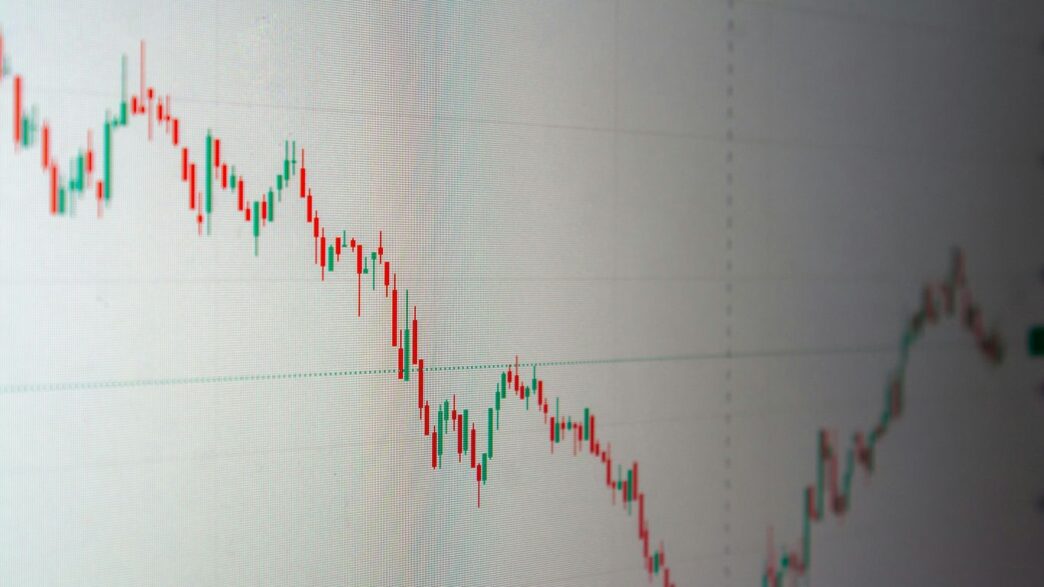
So, what’s the deal with Pi Network lately? Many folks who’ve been mining Pi Coin from their phones are wondering what happened to Pi Network, especially with all the talk about lawsuits and prices seeming to drop. It’s a bit confusing, right? Unlike other coins that you can just trade right away, Pi has been doing things differently. Let’s break down what’s going on, why people are asking ‘what happened to Pi Network?’, and what might come next.
Key Takeaways
- The perceived ‘price drop’ for Pi Coin is mainly due to its Enclosed Mainnet status, meaning it’s not officially tradable on major exchanges. Any prices seen are speculative.
- Moving to an Open Mainnet is the next big step for Pi Network, which will allow for actual trading, price discovery, and broader market access.
- Successful KYC verification for users and building real-world utility for Pi Coin within its ecosystem are critical for the network’s future success.
- Pi Network has a huge user base and is designed to be accessible and eco-friendly, but faces challenges with value uncertainty and competition.
- Pioneers should stay informed, complete KYC, avoid unofficial trading, and focus on the project’s utility while managing expectations about potential profits.
Understanding Pi Network’s Current Valuation Challenges
Right now, talking about the ‘price’ of Pi Coin is a bit like trying to guess the value of a house before it’s even built. It’s tricky because Pi Network is still in what they call an ‘Enclosed Mainnet’ phase. This basically means you can’t just hop onto a big crypto exchange like Binance or Coinbase and trade Pi Coin for dollars or Bitcoin. So, any price you might see floating around? That’s mostly guesswork, often from unofficial markets that aren’t really trading the actual coin. It’s more like an IOU, and those can swing wildly based on hype rather than real supply and demand.
The Impact of Enclosed Mainnet Status
This enclosed state is the biggest reason why Pi Coin doesn’t have a clear market value yet. Without the ability to be listed on major exchanges, there’s no real place for buyers and sellers to meet and set a price based on actual trading. It’s like having a fantastic product but no store to sell it in. The core team seems to be taking a careful approach, but this waiting game has definitely led to some impatience among users who were hoping for more immediate results.
Absence of Liquidity and Exchange Listings
Because of the Enclosed Mainnet, Pi Coin isn’t available on the big trading platforms. This lack of a liquid market means there’s no easy way for the price to be discovered. You can’t just check a ticker symbol and see what it’s worth. This absence of official trading channels contributes significantly to the uncertainty surrounding its value. It’s a bit of a catch-22: you need an open market for price discovery, but you can’t get on an open market until certain development milestones are met.
Perceived Slow Pace of Development
While the Pi Network team is busy working on the underlying technology, getting KYC (Know Your Customer) verification sorted for millions of users, and building out the ecosystem, the whole process can feel slow from the outside. For many users who joined hoping for quick gains, this extended development period can feel like progress is stalled. This perception, whether entirely accurate or not, can dampen enthusiasm and make people question the project’s momentum.
Navigating Regulatory Uncertainty
Let’s face it, the world of cryptocurrency is still a bit of a wild west when it comes to regulations. Governments everywhere are still figuring out how to handle digital assets. Projects like Pi Network, with its massive user base and unique way of distributing coins, could potentially attract attention from regulators. This uncertainty adds another layer of complexity to the project’s valuation, as future rules could impact how Pi Coin operates and is traded.
What Happened to Pi Network: The Road to Open Mainnet
So, what’s the deal with Pi Network and why does it feel like things have been in slow motion? A big part of the story is the journey towards what they call the ‘Open Mainnet’. Think of it like this: right now, Pi is in a sort of testing phase, an ‘Enclosed Mainnet’. This means all the Pi you’ve mined is sort of stuck in a digital holding pen. It can’t be freely traded on big crypto exchanges, and its real value is still up in the air. The whole point of moving to an Open Mainnet is to finally let Pi loose into the wild, allowing it to be bought, sold, and used in the real world.
The Critical Role of Open Mainnet Launch
The Open Mainnet launch is basically the finish line for this phase. It’s when Pi Coin can actually be listed on exchanges, which is a huge deal. Without it, any price you see is just a guess, not what people are actually paying for it. This is why so many people are waiting for this step; it’s what will finally give Pi a market price and make it a tradable asset. The year 2025 has been eventful for Pi, with many interesting moments and a sense of anticipation among people [a568].
Successful KYC Verification as a Prerequisite
Before Pi can go fully open, there’s a massive hurdle: KYC, or Know Your Customer. Millions of users have mined Pi, and to make sure everything is legitimate and to follow rules, everyone needs to pass this verification. It’s a big job, and the team has been working on rolling it out. If you want your mined Pi to actually be usable on the Mainnet, getting your KYC done is a must. It’s a bit like getting your ID verified before you can access certain services.
Building Robust Utility and Ecosystem
Just having a coin that can be traded isn’t enough, right? The Pi Network team knows this. They’re also focused on building actual uses for Pi within its own network. This means encouraging developers to create apps and services where you can actually spend your Pi. Think of it like creating a mini-economy where Pi is the currency. The more useful Pi becomes within its own apps, the more people will want it, and that’s what gives it lasting value beyond just speculation.
Sustaining Community Engagement and Growth
Pi has a massive community, which is one of its biggest strengths. Keeping all those people engaged and excited is key. The team needs to keep communicating, keep developing, and make sure people feel like they’re part of something real. When the Open Mainnet finally happens, and if there’s real utility, that massive community could really help Pi take off. It’s a balancing act, for sure, keeping everyone happy while building something complex.
Analyzing Pi Network Price Predictions Amidst Uncertainty
Predicting the price of Pi Coin right now is a bit like guessing what the weather will be like next year – it’s really tough to say for sure. Because Pi is still in its ‘Enclosed Mainnet’ phase, it can’t be traded on regular crypto exchanges. This means there’s no real market to set a price based on supply and demand. Any prices you might see floating around are mostly speculative, based on what people think it might be worth, not what it actually is.
Speculative Scenarios for 2025
If Pi Network does launch its Open Mainnet sometime in 2025, we could see a few different things happen with its price. It really depends on how quickly people can get verified (KYC), how many apps start using Pi, and just generally how the whole crypto market is doing at the time. It’s all a big ‘if’.
Here’s a rough idea of what could happen, but remember, this is pure guesswork:
- Conservative: Open Mainnet launches, but not many apps are ready to use Pi, and the crypto market is a bit shaky. Price might stay pretty low, maybe between $0.10 and $1.00.
- Moderate: Open Mainnet is live, some useful apps are popping up, and the market is stable. We could see prices in the $1.00 to $5.00 range.
- Optimistic: Open Mainnet is a success, lots of popular apps are using Pi, the crypto market is booming, and maybe it gets listed on a few exchanges. Prices could potentially jump to $5.00 – $20.00.
Long-Term Outlook for 2026-2030
Looking much further ahead, from 2026 to 2030, it gets even more complicated. The Pi Network’s long-term success, and therefore its price, will depend on whether it can keep growing, stay relevant against new crypto projects, and adapt to any new rules that governments might put in place. The real value will come from people actually using Pi for things, not just holding it.
Factors that will play a big role:
- Ecosystem Growth: How many useful apps and services are built on Pi?
- Technology: Can the network handle lots of users and transactions smoothly and securely?
- Adoption: Are people around the world actually using Pi for everyday things?
- Regulations: How do governments worldwide decide to treat cryptocurrencies like Pi?
- Competition: What other new crypto projects emerge, and how do they stack up?
Factors Influencing Future Price Trajectories
Several key things will shape Pi Coin’s price over time. The biggest one is the Open Mainnet launch. Without it, there’s no real market. After that, the development of actual uses for Pi Coin is super important. If people can buy coffee, pay for services, or use dApps with Pi, its value will naturally increase. Exchange listings would also bring more buyers and sellers, creating a more stable price. Finally, the overall mood of the cryptocurrency market will have an effect – if Bitcoin and Ethereum are doing well, it often lifts other coins too.
The Pi Network Mainnet: Unlocking Potential Value
The Pi Network Mainnet transition is really the big step everyone’s waiting for. Think of it like this: right now, your Pi coins are mostly just numbers in an app. The Mainnet is what makes them actual, real digital money that can move around. It’s the actual blockchain, the solid foundation where everything becomes official and verifiable.
Enabling Trading and Market Liquidity
Once the Pi Network goes fully open on the Mainnet, that’s when things get interesting for trading. It means Pi Coin can finally be put on public exchanges. This is a huge deal because it opens the door for people to actually buy and sell Pi, creating a market where its value can be determined by supply and demand. Right now, any prices you see are just guesses or from unofficial places, not a real market price. This lack of a public market is why some people feel like Pi is dropping, even though it hasn’t really been available to trade freely yet.
Facilitating Real-World Utility
With the Mainnet live and open, the apps and services being built on the Pi Network can actually start using Pi Coin for payments. This is where the project’s goal of real-world use really kicks in. Imagine buying things or paying for services within the Pi ecosystem using your mined coins. This utility is what gives a cryptocurrency lasting value, moving beyond just speculation. It’s about creating a functional economy within the network.
Establishing True Price Discovery
Without a public market, there’s no real way to know what Pi Coin is worth. The Mainnet launch is what allows for true price discovery. When Pi becomes available on exchanges, the market will decide its value based on how many people want it, how much is available, and how useful it is. This process moves away from the current speculative environment and towards a more grounded valuation.
Enhancing Trust and Transparency
A fully operational and open Mainnet makes the whole Pi Network project look more legitimate and transparent to the wider crypto world. It shows that the project is progressing and building a real, functional blockchain. This increased trust is important for attracting more users, developers, and potentially, investors in the future. It’s about proving the project’s viability and long-term potential.
Benefits and Hurdles of the Pi Network Ecosystem

So, Pi Network. It’s got this massive group of people signed up, right? Like, millions worldwide. That’s a pretty big deal in the crypto world, giving it a real chance to make a splash if they play their cards right. Plus, you don’t need a fancy computer or a degree in computer science to get involved; you can just use your phone. That makes it super easy for anyone to jump in, which is cool.
They’re also trying to make Pi Coin useful for actual stuff, not just for trading. Think apps and services where you can spend your Pi. And get this, it’s supposed to be better for the environment than some of those other cryptocurrencies that guzzle electricity. That’s a nice bonus.
But it’s not all smooth sailing. The biggest hang-up right now is that nobody really knows what Pi Coin is actually worth. Because it’s not on the big exchanges yet, any price you see is just a guess, a sort of IOU. It’s like saying you’ll pay someone $10 for a coffee next week – it’s not real money until you actually hand it over.
Then there’s the whole control thing. Even though they talk about being decentralized, the main team is still calling a lot of the shots, especially with things like the Know Your Customer (KYC) checks. Some people wonder if that’s too much power in one place. And let’s be real, the crypto space is packed. Pi Network has to show why it’s different and better than all the other thousands of coins out there. Plus, figuring out all the different rules and laws about crypto in different countries is a headache they’re still dealing with. Keeping all those millions of users interested and active over a long period, especially when they’re waiting for things to happen, is another big challenge. It’s a lot to juggle.
Actionable Insights for Pi Pioneers

So, you’re a Pi Pioneer, huh? It’s easy to get caught up in the hype, but let’s talk about what you can actually do right now. This whole crypto thing can feel like a wild ride, and Pi Network is no exception. The project has been around for a while, and while many are waiting for that big Open Mainnet launch, there are some practical steps you can take to stay on track and manage your expectations.
Staying Informed and Completing KYC
First off, staying updated with official information is super important. Don’t rely on random social media posts or rumors. The Pi Network team puts out updates, and you need to be plugged into those. This means checking the official announcements within the app and their verified social channels. Also, if you haven’t already, get your Know Your Customer (KYC) verification sorted. This is a big hurdle for moving to the Open Mainnet, and if you’re not verified, you’ll be left behind. It’s a pretty straightforward process, usually involving submitting some ID, but it’s a necessary step for anyone serious about the network.
Avoiding Unofficial Trading and Managing Expectations
Look, I get it. You see people talking about Pi Coin prices, and you might be tempted to try and buy or sell it outside of official channels. Seriously, avoid unofficial trading like the plague. These peer-to-peer deals or unofficial markets are not regulated, and there’s a huge risk of getting scammed. You could lose whatever Pi you have, or send money and get nothing in return. It’s just not worth the gamble. Instead, focus on the long game. Pi Network is a project with a long development cycle. Think of it as a marathon, not a sprint. Don’t expect to get rich quick; that’s just not how this usually works. It’s better to treat your Pi holdings as a long-term prospect with all the risks that come with it, rather than a guaranteed payday.
Focusing on Utility and Securing Accounts
What’s the point of a cryptocurrency if you can’t actually use it for something? That’s where utility comes in. As the Pi Network ecosystem grows, with more apps and services being built, try to engage with them. Contributing to or using these dApps once they are fully functional is how real value is built. It’s not just about mining; it’s about participating in the network’s growth. And hey, while you’re at it, make sure your account is secure. Use a strong password, enable any security features available, and don’t share your login details. Protecting your account is just as important as any other step in this journey. For those interested in the broader crypto space, understanding how projects like this integrate with other platforms, such as gaming studios like CiDi Games, can offer a glimpse into future possibilities CiDi Games.
Wrapping Things Up
So, what’s the takeaway from all this talk about lawsuits and Pi Coin’s perceived price drops? It seems like Pi Network is still in a holding pattern. The big stuff – like actually being able to trade Pi freely on exchanges – hasn’t happened yet. A lot of what people see as a ‘drop’ is really just guesswork because there’s no real market for it. The project has a huge number of users, which is pretty cool, but it needs to show what Pi can actually do. Whether it becomes a widely used digital currency or just fades away really depends on them finally opening up the network and building things people want to use. For now, it’s a waiting game, and Pioneers should keep their expectations grounded.
Frequently Asked Questions
When can I trade Pi Coin on big exchanges?
You’ll be able to trade Pi Coin on major exchanges once the Pi Network officially opens its Mainnet. This means it’s no longer in a testing or restricted phase. The team needs to make sure lots of people have passed their identity checks (KYC) and that there are cool apps and services built on the network before this happens.
How much is Pi Coin worth right now?
Right now, Pi Coin doesn’t have an official price. Since it’s not on public exchanges, any prices you might see are just guesses or from unofficial places where people are trading promises (IOUs). These prices aren’t the real deal and can change a lot based on rumors.
Is Pi Network a real crypto project?
Yes, Pi Network is a real project created by smart people from Stanford. Their goal is to make cryptocurrency easy for everyone to use from their phones. It’s not a scam, but like any new project, it has risks, and we don’t know for sure how successful it will be in the long run.
How do I move my mined Pi to the Mainnet?
To move your Pi coins to the Mainnet, you first need to successfully complete the KYC (Know Your Customer) verification. After that, you’ll need to follow the steps provided in the official Pi Network app to migrate your coins.
What can I actually use Pi Coin for?
The main idea is to use Pi Coin within the Pi Network itself. Think of it as a way to pay for things or services offered by other users and developers on the network, like in a digital marketplace built by the Pi community.
Why does it feel like Pi Coin’s value is dropping?
It feels like the value is dropping mainly because Pi Coin isn’t officially tradable yet. The prices you see are just speculative guesses. Since you can’t buy or sell it freely on big markets, there’s no real way to know its true value, and rumors can cause these guessed prices to go up and down a lot.