The Internet of Things, or IoT, is no longer just a buzzword; it’s become a real part of how we live and work. Basically, it’s about making everyday objects smart enough to connect and talk to each other. This simple idea is changing everything, from how we manage our homes to how factories run. Let’s get into what the purpose of the Internet of Things really is, beyond just having more gadgets online.
Key Takeaways
- The core purpose of the Internet of Things is to connect physical objects, allowing them to collect and share data, effectively extending the internet’s reach into the physical world.
- Smart homes use IoT to bring convenience and better control to daily living through automated lighting, security, and appliances.
- Wearable technology, a part of IoT, connects our bodies to devices, providing data for fitness tracking and personal health management.
- Industries and agriculture benefit from IoT through optimized processes, precision farming for better crop yields, and smarter city infrastructure.
- Challenges like cybersecurity, data privacy, and making different devices work together need attention as the IoT world grows.
Understanding the Core Purpose of Internet of Things
So, what’s the big idea behind the Internet of Things, or IoT as everyone calls it? It’s not just about having a bunch of gadgets talking to each other. At its heart, IoT is about giving everyday objects a kind of digital voice. Think about it: we’ve already got the internet connecting our computers and phones. IoT just takes that idea and expands it, letting things like your thermostat, your car, or even a factory machine join the conversation.
Decoding the Network of Connected Objects
Basically, IoT means embedding technology – like sensors and software – into physical items. This lets them gather information about their surroundings and then share that information. It’s like giving them eyes and ears, and a way to report what they’re sensing. This network isn’t just a random collection; it’s designed to allow these objects to interact with each other and with us, often without us even needing to be there.
The Foundation of Data Exchange
All this connectivity boils down to one thing: data. These connected objects are constantly collecting and sending out information. This data is the fuel that powers IoT. It can tell us how a machine is performing, if a room is too hot, or if a package has arrived. Without the ability to exchange this data, the whole system wouldn’t work. It’s the exchange of this information that allows for automation, insights, and new ways of doing things.
Extending the Internet’s Reach
Imagine the internet as a highway. Before IoT, it was mostly for cars (computers and phones). Now, IoT is like building new roads and on-ramps for all sorts of other vehicles – appliances, sensors, tools, you name it. This extension means the internet isn’t just a tool for information anymore; it’s becoming a way to interact with and control the physical world around us. It’s about making our environment more responsive and, hopefully, more useful.
Smart Homes: Enhancing Daily Living Through Connectivity
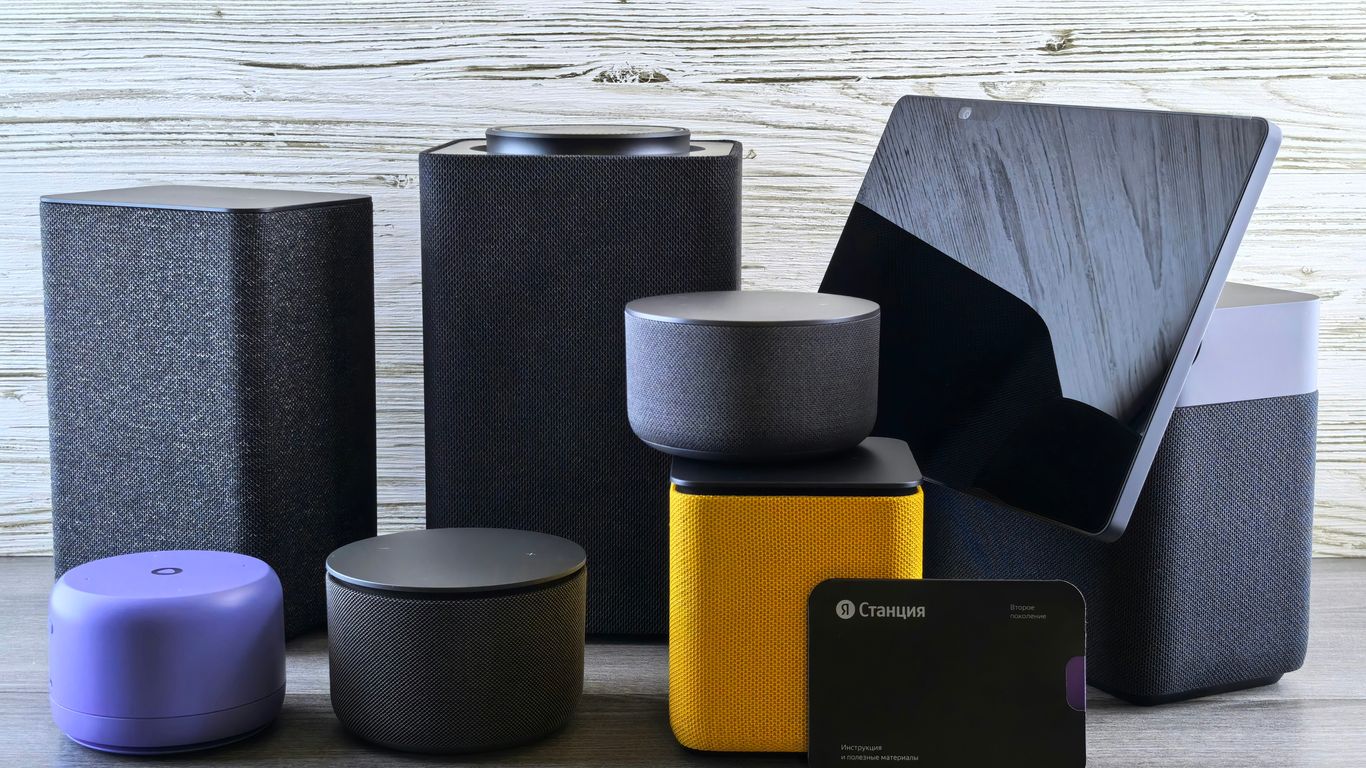
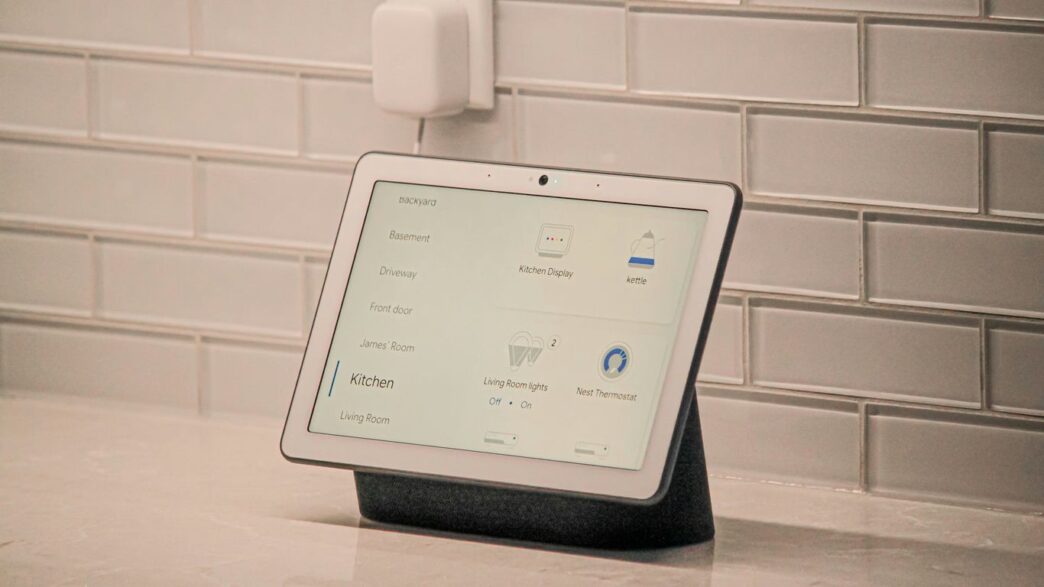
So, the whole idea of the Internet of Things (IoT) really hits home, literally, when we talk about smart homes. It’s not just about having fancy gadgets; it’s about making our everyday lives a bit easier and, honestly, more comfortable. Think about it – your house is starting to talk to you, or at least, your devices are talking to each other and to you through your phone.
Convenience in Home Automation
This is probably the most obvious part of a smart home. You know, those little conveniences that add up. Being able to adjust your thermostat from your couch, or even from work if you forgot to turn it down, is pretty neat. It’s not just about comfort, either. Smart lighting can be set on schedules, so lights turn on when you get home and off when you leave, saving energy without you even thinking about it. You can also control appliances remotely. Imagine preheating your oven on your way home from the grocery store so it’s ready when you are. It’s these small things that really change how you interact with your living space.
Elevating Home Security
Security is a big one for most people, and IoT has made some big strides here. You can get smart locks that let you lock and unlock your doors from your phone. No more worrying if you left the door unlocked after you’ve already driven off. Plus, smart security cameras and sensors can send alerts straight to your phone if there’s any unusual activity. You can even check in on your pets or kids while you’re away. It gives you a sense of being connected and in control, even when you’re not physically there.
Beyond Basic Appliances
It’s not just lights and locks, though. The smart home concept goes way beyond that. Your refrigerator might be able to tell you when you’re running low on milk, or even suggest recipes based on what you have. Coffee makers can be programmed to have your coffee ready the moment you wake up. Even your washing machine could potentially let you know when a cycle is finished. It’s about making chores less of a hassle and freeing up your time for other things. Some of the newer stuff even includes things like smart toilets that can be controlled by an app, which, while maybe a bit much for some, shows just how far this technology is going.
Wearable Technology: Connecting Our Bodies and Well-being
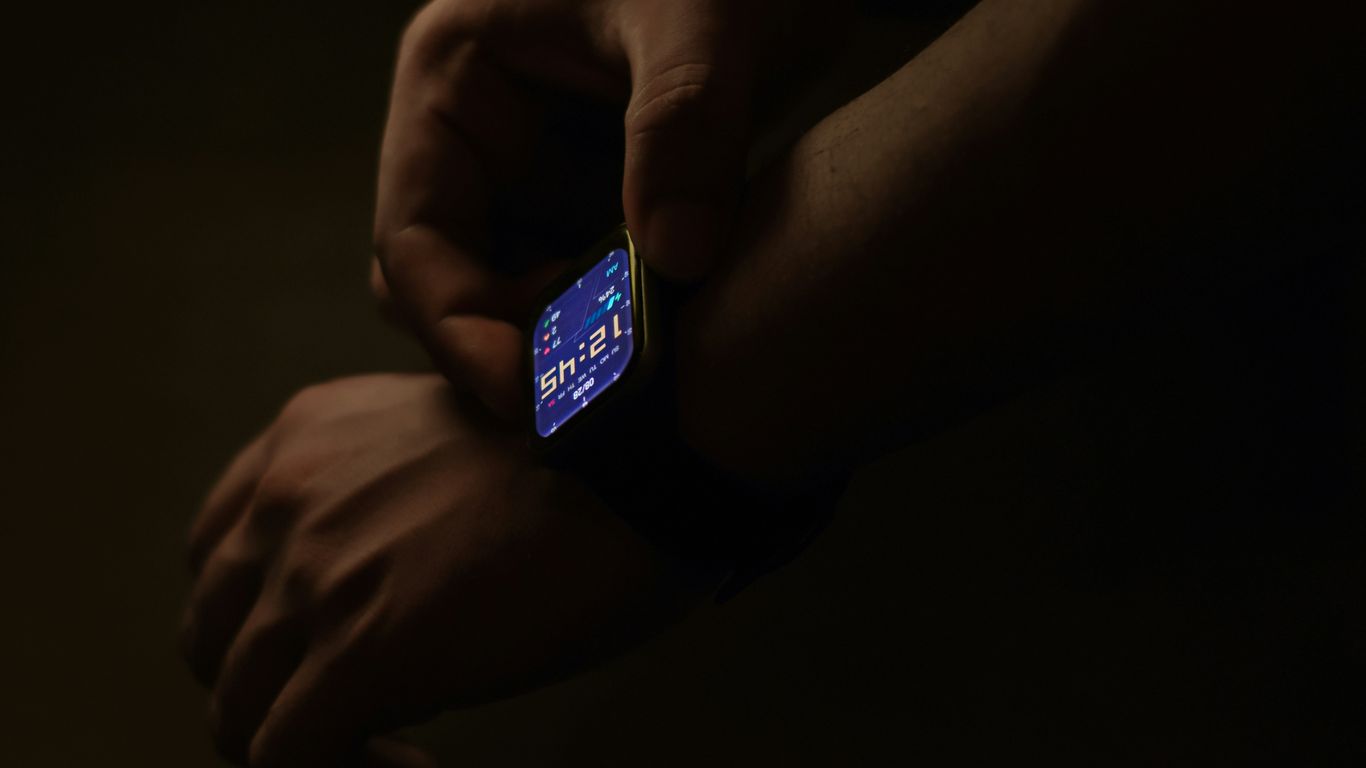
Wearable tech is a pretty neat part of the whole Internet of Things picture. It’s basically about putting connected gadgets right onto our bodies, and it goes way beyond just counting steps. Think about it – these devices can keep tabs on all sorts of things happening inside us.
Biometric Data for Fitness Enthusiasts
For anyone serious about their workouts, wearables are a game-changer. They can track your heart rate during a run, how many calories you’re burning, and even your breathing patterns. This information is super helpful for figuring out if you’re pushing yourself too hard or not hard enough. It’s like having a personal coach on your wrist, giving you real-time feedback.
Here’s a quick look at what some common wearables track:
- Heart Rate
- Step Count
- Sleep Quality
- Calorie Expenditure
- Blood Oxygen Levels
Personal Health Management Tools
But it’s not just for athletes. These gadgets are becoming really important for everyday health too. Smartwatches and fitness trackers can monitor your sleep patterns, which is pretty eye-opening when you see how much (or how little) quality rest you’re actually getting. Some can even send alerts if they detect something unusual, like a sudden drop in heart rate. This gives people a more hands-on way to look after their own health, which is pretty cool.
Integrating Technology into Apparel
And it’s not just watches and wristbands anymore. We’re seeing technology woven directly into our clothes. Imagine a shirt with built-in sensors that monitor your vitals while you’re exercising. Ralph Lauren did something like this with their Polo Tech Shirt, embedding sensors to track things like heart rate and breathing. It’s a sign that connected tech is becoming less of a separate gadget and more of a natural part of what we wear.
Industrial and Agricultural Applications of IoT
The Internet of Things isn’t just about making our homes smarter or our gadgets more connected. It’s also making big waves in industries that keep our world running, like manufacturing and farming. Think about factories – they’re getting a serious upgrade with IoT. Machines are now talking to each other and to central systems, sharing data about how they’re performing. This means we can spot problems before they even happen, like a machine starting to act weird. It’s all about keeping things running smoothly and avoiding those costly shutdowns. This kind of predictive maintenance is a game-changer for keeping production lines humming.
Optimizing Manufacturing Processes
In manufacturing, IoT sensors are placed on all sorts of equipment. These sensors track things like temperature, vibration, and output. This information is sent wirelessly, so managers can see in real-time what’s going on. If a machine’s vibration levels go up unexpectedly, it might signal a part is about to fail. Instead of waiting for a breakdown, a maintenance crew can be sent out to fix it during a scheduled downtime. This keeps production flowing and saves a ton of money. It’s also helping companies figure out the most efficient ways to use energy and materials, cutting down on waste.
Precision Agriculture for Increased Yields
Farming is another area where IoT is making a huge difference. Farmers are using sensors in their fields to get a clear picture of what their crops need. These sensors measure soil moisture, nutrient levels, and even the weather. With this data, farmers can apply water and fertilizer exactly where and when it’s needed. This is called precision agriculture, and it means less waste of resources and healthier, bigger harvests. It’s a big step up from just guessing what the land needs. We’re seeing systems that help monitor livestock health too, which is pretty neat. This technology is helping to boost global food security through better farming practices. You can find out more about how IoT is revolutionizing agriculture by looking into smart monitoring systems for livestock and crops, which significantly reduce labor hours and improve efficiency in farming operations.
Smart City Infrastructure Management
Beyond factories and farms, IoT is also being used to manage our cities better. Think about traffic lights that adjust based on real-time traffic flow, or trash bins that signal when they’re full, so collection routes can be optimized. Smart grids use IoT to manage electricity distribution more efficiently, reducing outages and saving energy. Even things like streetlights can be connected, dimming when no one is around and brightening when they detect movement. These applications might seem small individually, but together they help make cities run more smoothly and improve the quality of life for everyone living in them.
The Role of Physical Design in IoT Devices
Functional Necessities in Device Form
When we talk about the Internet of Things, it’s easy to get caught up in the software, the apps, and all the data flying around. But let’s not forget that these devices are physical things. They have to exist in the real world, and how they’re built matters a lot. Think about a smart thermostat; it needs to look okay in your living room, right? It can’t just be a clunky box. Or imagine a sensor out in a factory, dealing with dust and heat. It needs to be tough. These aren’t just about looks; they’re about making sure the device actually works where it’s supposed to.
Sensor Sensitivity and Placement
The physical design directly impacts how well a sensor can do its job. A temperature sensor, for instance, will give a totally different reading if it’s sitting out in the sun versus if it’s tucked away in a shaded spot. The same goes for motion detectors; where you put them can mean the difference between catching a person walking by or just picking up a car driving past the window. It’s all about making sure the physical form helps the sensor gather the right information.
Power Efficiency and Longevity
Lots of IoT gadgets are meant to run for ages without anyone touching them. This means they have to be really good with power. The physical design has to fit batteries, or maybe even find ways to grab energy from the environment, like solar power. If a device is always needing a new battery, it kind of defeats the purpose of being "smart." I remember reading about some early smart home stuff that ate batteries like crazy, which was a real pain for people using them.
Navigating the Challenges of an Interconnected World
So, we’ve talked a lot about how cool and useful all these connected gadgets are. But, like anything new and big, it’s not all sunshine and rainbows. There are some real headaches we need to sort out as more and more stuff gets hooked up to the internet.
Addressing Cybersecurity Concerns
This is probably the one that keeps people up at night. When your toaster or your thermostat can be controlled from your phone, it also means someone else could potentially mess with it. Imagine a hacker getting into your home’s security system or, worse, a factory’s control panel. It’s not just about your personal data; it’s about physical safety and keeping critical systems running. We need really solid security built into these devices from the start, not just as an afterthought. It’s like making sure your front door has a good lock before you even think about what color to paint it.
Ensuring Data Privacy and Trust
These connected devices collect a ton of information about us. Your smart watch knows your heart rate, your smart speaker hears your conversations, and your smart fridge knows what you eat. Where does all that data go? Who sees it? We need clear rules and honest practices about how this information is gathered, stored, and used. If people don’t trust that their personal details are safe and won’t be misused, they’re going to be hesitant to adopt this technology. Building that trust is a big deal.
Overcoming Interoperability Hurdles
This one’s a bit more technical, but it’s super important. Right now, a lot of devices from different companies don’t play nicely together. It’s like trying to plug a European appliance into an American outlet – it just doesn’t work without an adapter, and sometimes not even then. For the IoT to really reach its potential, devices need to be able to talk to each other, no matter who made them. We’re seeing a lot of different communication methods out there, and figuring out which ones will become the standard, or how to make them all work together, is a big puzzle we’re still trying to solve. It’s a bit of a mess, honestly, and it slows down progress.
So, What’s Next?
We’ve seen how the Internet of Things has gone from a cool idea to something that’s actually part of our everyday lives. It’s not just about having more gadgets connected to the internet; it’s about making things work better, whether that’s in our homes, on farms, or in big factories. Sure, there are still some tricky bits to sort out, like keeping everything secure and making sure all these different devices can talk to each other nicely. But the main point is that IoT is changing how we do things, making life a bit easier and opening up new possibilities we’re only just starting to figure out. It’s a journey that’s definitely still unfolding.
Frequently Asked Questions
What exactly is the Internet of Things (IoT)?
Think of the Internet of Things, or IoT, as a giant network where everyday objects can connect to the internet and talk to each other. It’s like giving things like your fridge, lights, or even your watch a way to send and receive information, making them ‘smart’.
How do smart homes use IoT?
Smart homes use IoT to make your life easier and safer. Your lights can turn on automatically when you get home, your thermostat can learn when to save energy, and you can check on your home’s security from your phone, no matter where you are.
What are wearable devices, and how do they relate to IoT?
Wearable devices are gadgets you wear, like smartwatches or fitness trackers. They use IoT to collect information about you, like your heart rate or how many steps you take. This helps you keep track of your health and fitness goals.
Does IoT only apply to homes and personal gadgets?
No, not at all! IoT is also a big deal in factories, farms, and even cities. It helps machines run better, helps farmers grow more food with less water, and makes city services like traffic flow more smoothly.
Are there any downsides to having so many connected devices?
Yes, there are. Because so many devices are connected, it’s important to keep them safe from hackers (cybersecurity). Also, we need to make sure our personal information is kept private and that different devices can all work together smoothly.
Why is the physical design of IoT devices important?
The way an IoT device looks and is built matters a lot! It needs to work well in its environment, like being tough enough for a factory or looking nice in your home. It also needs to use power efficiently so it can last a long time without needing new batteries.