You hear a lot about the Internet of Things, or IoT, these days. It sounds fancy, right? Smart toasters, vibrating forks, connected doorbells – it all seems a bit much sometimes. But what’s the real point behind all this tech? It’s more than just gadgets; it’s about making things work better, both for us at home and for businesses. Let’s cut through the noise and figure out the actual purpose of the Internet of Things.
Key Takeaways
- The core purpose of the Internet of Things is to connect everyday objects to the internet, enabling them to send and receive data, making them smarter and more responsive.
- Beyond consumer gadgets, IoT has a huge impact on businesses by improving how things are done, leading to big economic possibilities.
- Real-world uses of IoT range from preventing equipment breakdowns before they happen to managing buildings more efficiently and monitoring our environment.
- Implementing IoT isn’t without its challenges, including figuring out the business side, dealing with security risks, and making sure different technologies can work together.
- The future of IoT points towards technology that works quietly in the background, helping us make faster decisions and avoid problems by providing clear data insights.
Understanding the Core Purpose of the Internet of Things
Beyond Smart Toasters and Vibrating Forks
Okay, so we hear "Internet of Things" or IoT thrown around a lot. It sounds fancy, right? Maybe you picture a toaster that texts you when your toast is ready, or a fork that vibrates if you’re eating too fast. While those things could exist, the real point of IoT goes way deeper than just making everyday objects a bit more… chatty. It’s about connecting physical things to the internet so they can collect and share information. This interconnectedness is what allows for a wide range of applications and advancements across various industries. Think about it: instead of just a simple temperature sensor, a smart thermostat has multiple sensors – for humidity, light, and motion. It’s not just about convenience; it’s about gathering data to make smarter decisions, often without us even having to think about it. It’s about technology fading into the background, almost like magic.
The Ubiquitous Sensors and Connectivity Driving IoT
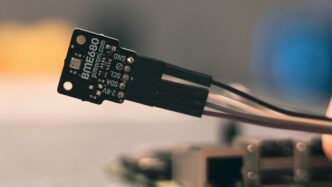
What’s really making IoT possible right now is the sheer availability and decreasing cost of sensors and ways to connect them. It’s not some futuristic dream; it’s happening because we can put tiny sensors on almost anything and get that data back. A modern smartwatch, for example, is packed with sensors: accelerometers, gyroscopes, heart rate monitors, microphones, even barometric altimeters. Add in all the ways it can connect – Wi-Fi, Bluetooth, cellular – and you see the potential. This isn’t just for consumer gadgets either. Companies are putting sensors on heavy machinery to track wear and tear, helping them schedule maintenance before a breakdown happens. This kind of data collection is key to how IoT works.
From Consumer Gadgets to Industrial Transformation
While we often see IoT in our homes with smart speakers or thermostats, its impact is far more significant in the business world. For product companies, it means adding more sensors and connectivity to what they already make. But it’s also about changing how businesses operate entirely. Consider how wearable fitness trackers started as simple hardware but evolved into services offering health plans based on user activity. Even industries like construction are benefiting, with sensors embedded in concrete to monitor its curing process. Governments are also pushing IoT forward, with initiatives focused on advanced manufacturing, smart cities, and agriculture. It’s a shift from just selling a product to offering ongoing services and outcomes.
The Business-to-Business Potential of IoT
Transforming Business Processes Across Industries
IoT isn’t just about smart fridges or fitness trackers—its real power comes into play when businesses use it to reshape how they operate from the ground up. In manufacturing, factory managers can monitor equipment with smart sensors, fixing problems before they cause costly downtime. Farmers are adopting networked systems to monitor soil moisture and crop health, changing the way food is grown and harvested. Even in construction, sensors in concrete track how buildings set and age, supporting better safety and maintenance.
Here’s a quick rundown of how IoT is changing business processes:
- Tracking inventory and materials in real-time
- Predicting maintenance needs for machines
- Monitoring energy use to cut waste
- Automating repetitive or dangerous tasks
With all this, it’s clear why IoT is more than just a buzzword for businesses. For more on the impact of decisions made with real-time data, read about how businesses use IoT devices for efficiency.
Economic Impact and Market Projections
B2B IoT is where a big share of the economic action is happening—around 70% of its potential value, by some estimates. The numbers are staggering:
| Year | Estimated B2B IoT Market Value (USD) | Total Economic Potential (USD) |
|---|---|---|
| 2020 | $5 trillion | $19 trillion |
These numbers come from a range of global sources and experts, showing both the size of the opportunity and the challenge of moving these projections into reality. Governments everywhere—Germany, South Korea, Singapore, and Australia, for example—are putting money into IoT for industries like manufacturing, farming, and transportation, betting on the big payoff to come.
Leveraging IoT for Operational Efficiency
The most immediate benefit businesses see from IoT is just doing what they already do, but faster and with fewer mistakes. Whether it’s running machines only when needed or stopping problems before they snowball, IoT is helping save money and time. Here are a few ways companies are squeezing more out of their systems:
- Get notified right away when equipment falters—instead of waiting until things break completely.
- Automate temperature and lighting controls to match building use, reducing energy bills.
- Cut down on paperwork by sharing data digitally between machines, computers, and staff.
Basically, businesses are using IoT to make smarter choices without having to constantly watch over every little detail. The more these systems spread, the more background magic they’ll work—making industries run better almost without anyone noticing.
Real-World Applications of the Internet of Things
The Internet of Things (IoT) isn’t just about gadgets that talk to your phone. It’s changing the way industries keep their machines running and cities manage resources—basically, IoT is showing up everywhere, from big bulldozers to the air you breathe at school. If you look at some examples from smart buildings to equipment repair, the practical impact becomes crystal clear. Here’s what IoT is doing out in the wild:
Predictive Maintenance in Heavy Equipment
Factories and construction companies are starting to get serious about minimizing downtime. Instead of waiting for a bulldozer to break down, companies now use sensors to monitor engine temperature, vibration, and other key data on their machines. By watching for warning signs, they can fix issues before they turn into expensive breakdowns. The benefits?
- Less unplanned maintenance
- Longer equipment lifecycle
- Safer working conditions for employees
Here’s a quick look at potential savings:
| Approach | Average Annual Maintenance Cost | Downtime Hours/Year |
|---|---|---|
| Traditional | $120,000 | 120 |
| IoT Predictive | $80,000 | 45 |
Those numbers are for a small fleet—multiply that out across a large business and it’s easy to see why this is getting attention. The industry case for IoT in maintenance goes way beyond what consumer gadgets can do, and there’s a broader discussion on IoT integration throughout modern life.
Optimizing Building Management with Occupancy Sensors
Office and commercial building owners are getting smarter about how they manage lighting, heating, and even cleaning schedules. Using sensors under desks, on ceilings, or at entrances, they collect data on:
- Who is in the building and when
- Which meeting rooms are actually being used
- How much energy different floors need
All this means they can reduce wasted energy by dimming lights and turning down HVAC in unused rooms. Plus, cleaning staff can be sent only to areas that actually need attention. Smart management isn’t just about saving money—it’s also about making the workplace more comfortable for everyone.
Environmental Monitoring and Public Works
Cities and schools are starting to place small, affordable sensors in all kinds of spots. Some of these are used to measure things like CO2 and dust levels in classrooms—or to check if a city’s snowmelt system is doing its job on sidewalks. These sensors are usually cheap enough that you can install a bunch of them and get data you simply couldn’t get with the big, expensive monitors.
Here are some ways this helps:
- Detect air quality problems fast
- Monitor outdoor infrastructure with real-time data
- Make smart decisions about repairs before issues snowball
IoT is becoming part of the landscape. It’s not hard to imagine a future where most of our buildings, machines, and public systems are quietly gathering the data we need to run things better—all without anyone needing to think much about it.
Navigating the Challenges in IoT Implementation
Rolling out Internet of Things (IoT) solutions sounds easier on paper than it is in real life. Between figuring out where to begin, protecting data from hackers, and getting tons of gadgets to play nice together, the hurdles can pile up pretty quickly.
Addressing Business and Expertise Hurdles
Businesses new to IoT often hit a wall early. The biggest obstacle tends to be not having a clear plan or enough know-how. Some common headaches include:
- Figuring out the actual value of IoT (what’s the point, anyway?)
- Not having enough people with the right technical background
- Senior managers who are unsure about IoT or feel it’s too complex
A lot of teams end up stuck in research mode or tinkering with pilots that never make it company-wide. It’s like having a fancy toolbox but not knowing what to build.
The Foremost Challenge: Cybersecurity Risks
When you connect everything to the internet, it becomes a bigger target. Nobody wants hackers turning off factory machines or unlocking the front door. The top security worries are:
- Unauthorized access to critical devices
- Data leaks during transmission
- Outdated devices left unpatched
| Security Concern | Risk Level |
|---|---|
| Device hacking | High |
| Data interception | Medium |
| Software vulnerabilities | High |
| Weak authentication | High |
Keeping up with patches, using strong passwords, and having a good plan for what to do if something does go wrong—they’re all must-dos. But in practice, it’s a lot for IT teams to juggle.
Interoperability and Competing Communication Protocols
It’d be nice if all IoT devices spoke the same language, but that’s not reality yet. Different brands use their own systems, and getting them to connect can be a nightmare. If you’ve ever tried mixing smart bulbs from one company with a speaker from another, you know the pain.
Common trouble spots include:
- Devices that only work in their own brand’s ecosystem
- Too many competing communication standards (Bluetooth, Zigbee, Wi-Fi, etc.)
- Extra work to patch everything together or use special bridges/gateways
According to some estimates, nearly 40% of the potential value in IoT comes from making these systems talk to each other. Until the industry sorts this out, businesses will keep running into headaches trying to scale up their IoT projects.
The Future Vision: Seamless Integration and Data Insights
The future of IoT looks nothing like a lab experiment or a tangle of random devices. It’s supposed to make daily operations smoother without drawing much attention. These changes won’t necessarily look flashy, but they’ll change the way businesses and people function from the ground up. Let’s look at what’s next.
When Technology Fades into the Background
The real goal is to have IoT do its job quietly. Devices should handle the small stuff—adjust lighting, manage energy use, or trigger alerts—without anyone fussing with a dashboard every time. Here’s where things are headed:
- You’ll notice fewer buttons, screens, or pop-up warnings. Stuff just works.
- Systems quietly collect data, check conditions, and tweak themselves.
- You interact less, but everything reacts more quickly.
The Promise of Faster Decisions and Problem Avoidance
With more sensors and better analytics, companies can spot problems before they turn ugly or expensive. It’s all about feeding the right information to the right place, fast:
| Capability | Old Approach | IoT-Driven Approach |
|---|---|---|
| Maintenance | Reactive (fix it if broken) | Predictive (fix before fail) |
| Decision-Making Speed | Slow, manual | Automated, speedy |
| Data Use | Siloed, little shared | Integrated, shared |
A few improvements IoT brings to the table:
- Real-time alerts for critical systems.
- Automatic adjustments of machinery or utilities.
- Earlier warnings about potential issues, based on live trends—not just historic data.
Defining Infrastructure for Digital Twins
Digital twins are virtual copies of real-world stuff—like machines, factory floors, or even whole buildings. They use IoT data to stay up-to-date. This sounds futuristic, but it’s already here for some:
- Physical systems constantly send updates to digital models.
- Engineers can simulate changes or spot issues virtually before acting in the real world.
- Groups can collaborate by reviewing the digital twin, reducing the need to all be on-site.
Let’s be honest: getting here takes some work. Systems have to connect smoothly. Data must flow without hiccups. But once things are rolling, you’re less likely to sweat the details—the tech just sorts itself out, and folks focus on making decisions, not piecing together scattered information.
So, What’s the Point?
Look, we’ve talked a lot about sensors, connectivity, and all the fancy tech words that go with it. It’s easy to get lost in the hype, right? But at the end of the day, the Internet of Things is really about making things work better, smarter, and sometimes, just a little bit easier. Whether it’s a factory keeping its machines running smoothly or a city managing its snowmelt system, the real value comes when this technology fades into the background and just does its job. It’s not about having a toaster that texts you when your bread is ready; it’s about using connected devices to gather information, solve problems, and maybe even save some money along the way. The goal is to make our lives and our businesses run a bit more smoothly, often without us even having to think about it. That’s the real purpose, beyond all the buzz.
Frequently Asked Questions
What exactly is the Internet of Things (IoT)?
Think of IoT as connecting everyday objects to the internet. It’s like giving things like your thermostat, lights, or even a refrigerator a way to ‘talk’ to each other and to you through the internet. This allows them to do smart things, like adjust the temperature automatically or let you know when you’re low on milk.
Is IoT just about smart home gadgets?
While smart home devices are a popular example, IoT goes much further. It’s also used in big industries to make factories run smoother, help farmers grow better crops, and even manage city services like traffic lights and water systems. It’s about making all sorts of things ‘smarter’ and more connected.
How does IoT help businesses?
Businesses use IoT to work more efficiently. For example, factories can use sensors to predict when a machine needs fixing before it breaks down, saving time and money. It helps them understand how things are working in real-time and make better decisions based on that information.
What are some real-world examples of IoT in action?
Sure! Imagine sensors on large machines that alert mechanics when a part is wearing out, so they can fix it early. Or buildings that use sensors to adjust heating and cooling based on how many people are inside, saving energy. Even cities use IoT to monitor air quality or manage snow-melting systems.
What are the biggest challenges with IoT?
One major concern is security. Since so many devices are connected, it’s important to protect them from hackers. Another challenge is making sure all the different devices and systems can work together smoothly, as they often use different communication methods.
What’s the future of IoT?
The goal is for IoT to become so integrated into our lives that we barely notice it, like magic. It will help us make faster decisions, avoid problems before they happen, and create detailed digital copies of physical things (called ‘digital twins’) to better understand and manage them.