
Understanding Waymo Austin Price Dynamics
When you first look at Waymo’s prices in Austin, it’s easy to wonder how they stack up. It’s not always a straightforward comparison to your usual Uber or Lyft ride, and there are a few things that make Waymo’s pricing what it is.
Initial Cost Comparisons: Waymo Versus Competitors
It seems like a lot of people have noticed that Waymo rides can sometimes cost more than what you’d expect from Uber or Lyft. This isn’t always the case, though. Some folks report Waymo being significantly cheaper, especially for longer trips, while others have seen higher prices, particularly for shorter rides. It really depends on the day, the time, and where you’re going.
Here’s a general idea of what people are seeing:
- Shorter Trips (under 1.4 km): Waymo can sometimes be 40-45% more expensive than Uber or Lyft.
- Medium Trips (4.3 km to 9.3 km): The price difference tends to shrink, with Waymo being around 35% more expensive.
- Longer Trips: Many users report Waymo being considerably cheaper than Uber or Lyft for longer distances.
The core idea is that Waymo’s price isn’t fixed and can fluctuate based on demand and other factors, just like traditional rideshares, but the patterns can be different.
Factors Influencing Waymo’s Pricing Strategy
So, why the variation? Several things play a role. For starters, Waymo is still relatively new in Austin, and they’re managing demand carefully. One way to do that is by adjusting prices. Think of it like this: if everyone wants a ride at the same time, prices might go up to manage the flow.
Other factors include:
- Operational Costs: Running a fleet of autonomous vehicles, even without a human driver, still has costs. This includes maintenance, charging, and the technology itself.
- Service Area: Waymo operates within specific zones in Austin. Prices might differ slightly depending on how far into or out of these zones your trip goes.
- Demand: Like any service, when more people want a ride, prices can adjust. This is especially true during peak hours or major events.
The Role of Novelty in Waymo’s Price Point
There’s also the ‘newness’ factor. For many, taking a ride in a fully driverless car is a unique experience. Some people might be willing to pay a bit more just for the novelty and the chance to experience the future of transportation. This ‘early adopter tax,’ as some call it, can influence pricing, especially in the initial stages of a service’s rollout. It’s like being one of the first to try a new gadget – you often pay a premium for that privilege.
Comparing Waymo’s Value Proposition
So, we’ve talked about the sticker price, but what are you actually getting for your money with Waymo? It’s not just about the fare itself, is it? There’s a whole experience wrapped up in that ride.
Beyond the Fare: Quality of Service and Experience
When you hop into a Waymo, it’s a different vibe than your typical Uber or Lyft. For starters, there’s no human driver to chat with, which some people really like. It’s just you and the road ahead, with a pre-ride safety briefing that feels a bit like an airline announcement. It’s very… protocol-driven. On the flip side, some folks find this more robotic feel less appealing. They might miss the little personal touches a human driver can offer, like adjusting the music or having a quick chat about the local sights. It’s a trade-off: efficiency and predictability versus a more personalized, human touch.
The Impact of Driverless Technology on Cost
This is where things get interesting. The big promise of driverless tech is that it’ll eventually be cheaper because you’re cutting out the driver’s wage. Right now, though, it’s a bit of a mixed bag. Some early reports suggest Waymo can be cheaper than Uber, especially for longer rides, while others show it costing more for short hops. It’s still early days, and the cost of the technology itself, plus the remote support some of these vehicles apparently still need, plays a part. It’s not quite the "driverless means dirt cheap" scenario yet, but the potential is there.
Perceived Value: What Riders Are Willing to Pay For
Ultimately, what people are willing to pay for is subjective. Some riders are happy to pay a bit extra to avoid the hassle of human drivers – no more canceled rides, no more drivers getting lost, and definitely no more surge pricing games. The idea of a reliable, predictable ride, even if it costs a little more, holds a lot of appeal. Others might see the novelty of a driverless car as a tourist attraction, a fun experience worth the price tag, rather than just a way to get from point A to point B. It really comes down to what you value most in your transportation: pure cost savings, a unique experience, or just a hassle-free journey.
Analyzing the Waymo Austin Price Structure
So, let’s talk about how Waymo actually sets its prices in Austin. It’s not quite as straightforward as just looking at a meter, and there are some interesting differences compared to your usual Uber or Lyft.
Surge Pricing and Its Absence in Waymo
One of the first things people notice, especially if you’ve ever tried to get a ride during rush hour or after a big event, is that Waymo doesn’t seem to do surge pricing. You know, that annoying thing where your fare suddenly jumps up because everyone else also needs a ride? Waymo seems to skip that entirely. This means you can often get a predictable fare, even when demand is high. It’s a pretty big deal when you’re trying to budget your trip or just need to get somewhere without a surprise cost.
Consistency and Predictability of Waymo Fares
Because Waymo largely avoids surge pricing, their fares tend to be more consistent. You might see slight variations based on distance and time, sure, but you’re not going to get that wild swing you sometimes see with other services. This predictability is a big plus for many riders. It makes planning easier, and honestly, it just feels more honest. You know what you’re likely to pay before you even book the ride, which is a nice change of pace.
The ‘Early Adopter Tax’ on Autonomous Rides
Now, it’s worth mentioning that sometimes, especially with new technology, there’s what some people call an ‘early adopter tax.’ When Waymo first started offering rides in Austin, some reports suggested that shorter trips might have been priced a bit higher per mile compared to Uber or Lyft. This isn’t necessarily about Waymo being more expensive overall, but more about the novelty factor and the initial costs of rolling out such advanced tech. As more autonomous vehicles hit the road and the technology becomes more common, we might see these initial price differences shrink or even disappear. It’s a bit like buying the first model of a new gadget – it often costs more than later versions.
Waymo’s Price Relative to Uber and Lyft
Direct Fare Comparisons: A Closer Look
So, how does Waymo’s price tag stack up against the familiar apps like Uber and Lyft? It’s a question many folks in Austin are asking, and honestly, the answer isn’t always straightforward. Some people report Waymo being consistently cheaper, especially for longer trips, while others have seen Waymo quotes come in higher than Uber Comfort. It really seems to depend on the day, the time, and maybe even a bit of luck.
Here’s a general idea of what people are seeing, though remember this can change:
- Shorter Trips: Waymo can sometimes be pricier, especially for those quick hops across town. Think of it like a premium service – you might pay a bit more for the novelty and the driverless experience.
- Longer Trips: For journeys that take a bit more time, Waymo often becomes more competitive, and in some cases, significantly cheaper than its human-driven counterparts.
- Event Pricing: During big events, Waymo seems to avoid the wild surge pricing that Uber and Lyft are known for, which can make it a much more predictable and sometimes cheaper option.
Accounting for Additional Costs: Tips and Upgrades
This is where things get really interesting, and where Waymo can sometimes pull ahead. When you compare the base fare, Uber and Lyft might look cheaper. But you’ve got to factor in a few other things.
- Tipping: This is a big one. While Waymo doesn’t have a tipping option (since there’s no driver to tip!), Uber and Lyft rides often end up costing more once you add a tip. Some people tip 10-20%, which can add a substantial amount to the final bill. If you’re someone who always tips, Waymo’s upfront price might actually be a better deal.
- Ride Quality and Upgrades: With Uber and Lyft, you often have choices – a standard ride, a comfort ride, or a premium car. These upgrades cost more. Waymo, for the most part, offers a consistent experience. While it might not always be the absolute cheapest option compared to a basic Uber, it’s often comparable to or cheaper than the ‘comfort’ or slightly nicer options on other apps, without the extra upsell.
Long-Term Price Trends in Ridesharing
Looking ahead, it’s tough to say exactly where Waymo’s pricing will land. Right now, it feels like there’s a bit of an ‘early adopter’ premium, or perhaps the cost of being a novel service. As more autonomous vehicles hit the road and the technology becomes more common, we could see prices adjust. Competition will likely play a huge role. If other driverless services pop up, or if Waymo expands its fleet significantly, prices might come down to attract more riders. On the flip side, if Waymo continues to offer a reliable, surge-free experience, they might be able to command a slightly higher price point because of that consistency and quality of service. It’s a balancing act, for sure.
The Cost-Benefit Analysis of Choosing Waymo
So, when you’re looking at getting from point A to point B in Austin, how does Waymo stack up against the usual suspects like Uber and Lyft? It’s not always a simple ‘cheaper’ or ‘more expensive’ answer, and that’s where the cost-benefit analysis comes in. You’ve got to think about what you’re actually getting for your money, beyond just the dollar amount.
When Waymo Proves More Economical
Sometimes, Waymo just makes more sense financially. This often happens when you factor in things that aren’t always obvious in the initial fare. For instance, Waymo doesn’t have surge pricing, which can be a huge relief during busy times or after big events. You know what you’re going to pay, pretty much. Plus, if you’ve had experiences with Uber or Lyft drivers who were less than stellar – maybe they were late, got lost, or the car wasn’t in great shape – you might find yourself willing to pay a bit more for the predictable, consistent experience Waymo offers. Some folks have reported Waymo rides being significantly cheaper than comparable Uber or Lyft trips, especially for longer distances, even when accounting for potential tips on the other services.
Here’s a quick look at potential savings:
- No Surge Pricing: Waymo’s price stays the same, unlike Uber/Lyft which can jump significantly.
- Tip Inclusion: While Uber/Lyft fares might seem lower, a 20% tip can quickly close that gap, or even make Waymo cheaper.
- Car Quality: Waymo vehicles are generally newer and well-maintained, avoiding the need to pay extra for a ‘comfort’ or ‘premium’ option on other apps just to get a decent ride.
Situations Where Other Options May Be Cheaper
On the flip side, there are definitely times when Uber or Lyft might win on price. If you’re taking a very short trip, especially in an area where Waymo’s pricing might be adjusted for novelty or early adoption, you could see lower upfront costs with the traditional services. Also, if you’re someone who rarely tips on rideshares, or if you’re comparing Waymo’s price to the absolute cheapest, no-frills Uber or Lyft option (and you don’t mind the potential downsides), then the other apps might come out ahead. It really depends on your priorities and the specific trip.
Consider these scenarios:
- Very Short Distances: For quick hops, the base fare on Uber/Lyft might be less than Waymo’s minimum.
- No Tipping: If you don’t tip on rideshares, the initial fare is what you pay, which could be lower than Waymo.
- Basic Service Comparison: Comparing Waymo to the lowest-tier Uber/Lyft without any add-ons might show a price advantage for the latter.
The Trade-Off Between Price and Reliability
Ultimately, choosing between Waymo and other ride options often comes down to what you value most. Are you looking for the absolute lowest price, or are you willing to pay a bit more for a more dependable, comfortable, and predictable experience? Many users report that Waymo offers a level of consistency that can be hard to find with human drivers, who might cancel, get lost, or have other issues. For some, the peace of mind and the elimination of ‘human error’ or ‘human unpredictability’ is well worth a slightly higher fare. It’s about weighing the dollars and cents against the quality of the ride and the potential for hassle. As Waymo’s service matures and expands, we’ll likely see these price dynamics continue to shift, but for now, it’s a pretty interesting calculation for Austin riders.
Future Outlook for Waymo Austin Pricing
Market Competition and Price Evolution
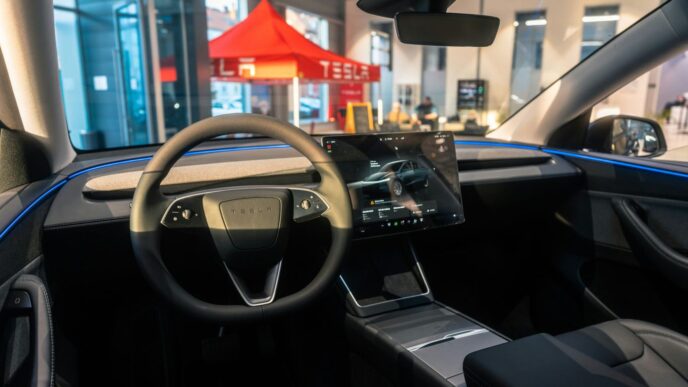
So, what’s next for Waymo’s prices in Austin? It’s a bit of a moving target, really. As more companies get into the self-driving game – think Tesla’s Robotaxi, which is already making some noise – Waymo’s going to have to keep an eye on what everyone else is doing. If Tesla is really offering rides for half the price of Uber, like some reports suggest, Waymo might feel the pressure to adjust. The more players there are, the more likely we are to see prices either stabilize or even drop. It’s just how markets tend to work, right? Companies try to grab customers by being the most attractive option, and often, that means being the cheapest.
Technological Advancements and Cost Reductions
Right now, Waymo is still pretty new in Austin, and there’s a lot of investment going into making sure everything runs smoothly and safely. That includes things like the fancy sensors and the teams that monitor the rides remotely, just in case. But as the technology gets better and more common, those costs should naturally come down. We’re talking about the cars themselves becoming cheaper to build and maintain, and the software getting smarter so it needs less human oversight. It’s a bit like when smartphones first came out – super expensive, but now you can get a pretty decent one for a lot less.
Consumer Acceptance and Its Effect on Pricing
Ultimately, how much people are willing to pay for a Waymo ride will shape its future pricing. If folks in Austin find the service so good – reliable, clean, and maybe even a novelty – that they’re happy to pay a bit more than they would for a regular Uber or Lyft, then Waymo can probably keep its prices higher. But if people start balking at the cost, especially when other options are available, Waymo will have to reconsider. It’s a balancing act. They need to cover their costs and make a profit, but they also need enough people using the service to make it worthwhile. We’re seeing this play out already, with some people finding Waymo cheaper than expected on longer trips, while others note it’s pricier for short hops. It’s all about what the market will bear.
So, What’s the Verdict on Waymo’s Price?
After looking at all this, it seems like Waymo’s price in Austin isn’t a simple yes or no answer. Sometimes it’s cheaper, sometimes it’s more. A lot of people mentioned that even if it costs a bit more, the ride itself is often better – no weird smells, no awkward small talk, and just a smoother drive. Plus, you don’t have to worry about cancellations or surge pricing hitting you unexpectedly. For many, that peace of mind and consistent experience is worth a few extra bucks. It really comes down to what you value most in a ride: saving every last penny, or getting a reliable, comfortable trip every time. The market will keep figuring this out, and we’ll all benefit from the choices.