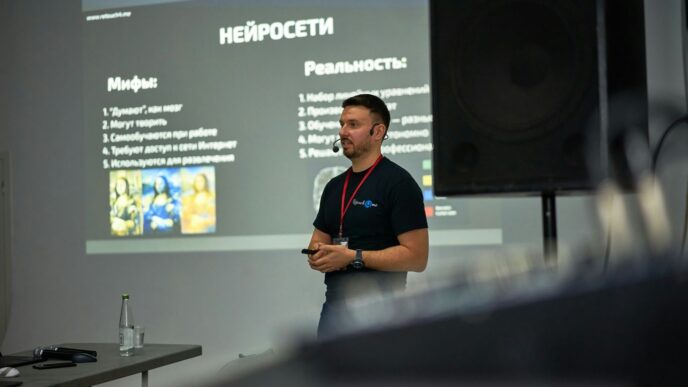

So, I went to some recent ad age events, and wow, things are changing fast. It wasn’t just about new gadgets; it was about how the whole advertising world is shifting. Lots of talk about AI, how we watch sports, and what creators are up to. Plus, shopping is getting mixed into everything. It feels like a lot to keep up with, but here are some of the main things I picked up.
Key Takeaways
- AI is starting to run more of the show, helping with planning and buying ads. It’s also making campaign execution faster and more automated, with easier ways for brands to try things out.
- Live sports are still a big deal for getting people’s attention. Companies are putting more money into events like the World Cup and Olympics, trying to make watching live TV more like targeted ads.
- Creators are becoming a bigger part of how brands grow. They’re not just doing short social posts anymore; their influence is spreading to streaming and free TV platforms.
- Shopping is showing up everywhere, not just on retail sites. AI assistants are helping people shop, and ads are popping up in videos, making it hard to tell where discovery ends and buying begins.
- Marketers need to figure out how to reach Gen Z and Gen Alpha. AI is becoming a way to advertise to them, and there’s a lot to learn from how Gen Z marketers are working today.
Agentic AI Innovations Reshape Advertising
It feels like just yesterday we were talking about AI as a futuristic concept, but at the recent Ad Age events, it’s clear that future is now. Agentic AI, specifically, is moving beyond just a buzzword and into actual product roadmaps. We’re seeing platforms that can take a marketing objective and, using AI, make decisions across planning, creative, and optimization. It’s pretty wild to think about.
Agentic AI Redefining Media Planning and Buying
This is where things get really interesting. Instead of humans manually sifting through data and making educated guesses, AI is starting to do the heavy lifting. Think about it: AI agents that can understand campaign goals and then figure out the best way to reach audiences, allocate budgets, and even suggest creative approaches. It’s about making media planning and buying more efficient and, hopefully, more effective.
Automation in Campaign Execution
We’re also seeing a big push towards automation in the actual execution of campaigns. Historically, a lot of this has been a manual process, but that’s changing fast. Platforms are rolling out features that automate tasks like targeting adjustments, creative rotations, and budget management in real time. For example, some platforms are introducing automated campaign types that optimize themselves based on performance data. This frees up marketers to focus on strategy rather than getting bogged down in the day-to-day.
Turnkey Tests and Pilots for Brands
What’s great is that these advanced AI capabilities aren’t just for the big players with huge tech teams. The industry is making these innovations accessible. Many partners are offering what you could call ‘turnkey’ solutions – ready-to-go tests and pilot programs. This means brands of all sizes can start experimenting with agentic AI without a massive upfront investment or a complex integration process. It’s a smart way to let companies dip their toes in the water and see the benefits firsthand.
Live Sports To Make Their Mark in 2026
It’s pretty clear that when it comes to grabbing people’s attention, live sports are still king. Think about it – everyone’s watching the same thing at the same time. This is why big companies are putting more money into making sure their ads are seen during these big events.
Audience Attention Concentrated in Live Sports
Major players like Disney and NBCUniversal are really leaning into this. Disney, for example, is building its whole advertising tech plan around the massive reach and cultural impact of live sports and other major events. They’re investing in tech and ways to measure ad success that work for both live TV and streaming. NBCUniversal is doing something similar, especially with its plans for the 2026 Winter Olympics in Milano Cortina. With huge global events like the FIFA World Cup in June 2026 and the Winter Olympics in February, it’s no surprise that viewership is expected to skyrocket.
Platform Investments Around Tentpole Events
These big events, often called ‘tentpole’ events, are becoming the centerpieces for advertising strategies. Media companies are realizing they can’t just broadcast; they need to create a whole experience around these moments. This means more than just showing the game. It involves creating special content, interactive features, and making sure advertisers can connect with fans in meaningful ways before, during, and after the event. The goal is to capture that concentrated audience attention and turn it into opportunities for brands.
Operationalizing Live Media as Addressable Ecosystems
What’s really changing is how media owners are making live sports more like a digital advertising space. Instead of a one-size-fits-all approach, they’re working to make it more ‘addressable’ – meaning ads can be targeted to specific groups of viewers. This also makes it more measurable. We’re seeing announcements from places like TikTok, NBCUniversal, and Disney about new ways to track ad performance during live events. It’s about turning the massive audience of live sports into a more organized and effective advertising environment for brands.
Creator-Led Storytelling Moves Up the Funnel
It feels like creators are everywhere these days, right? And it turns out, they’re not just for quick social media clips anymore. At recent Ad Age events, the big takeaway was that creator strategy is becoming a major way for brands to grow and connect. Think of it as a whole new way to tell stories that actually get people interested.
Creator Strategy as a Growth Lever
Brands are starting to see creators as more than just people who post online. They’re becoming a real part of how businesses plan and get their message out. It’s about finding the right talent to work with, someone who can naturally weave a brand into their content without it feeling forced. This isn’t just about getting more likes; it’s about building trust and making a real connection with audiences. This shift means creators are now seen as a key driver for business growth.
Beyond Short-Form Social Content
We’re moving past just thinking about TikToks and Reels. Creators are now involved in bigger projects, like lifestyle series that blend entertainment with shopping. For example, Pinterest showcased a show where creators host a lifestyle series, encouraging viewers to save ideas and even buy products from brands like Wayfair and Michaels. This kind of content is designed to take someone from just watching to actively engaging and potentially buying. It’s about making the whole experience more interactive and shoppable.
Influencing Streaming and FAST Platforms
Creators aren’t just staying on social media. Their influence is spreading to streaming services and free ad-supported TV (FAST) platforms. This means brands can reach audiences in new places, using creator-led content that feels more authentic. It’s a way to tap into existing fan bases and introduce them to products or services in a way that feels natural. This cross-platform approach is becoming more common as creators build their own content empires.
Commerce Media Evolves Beyond Retail
It feels like just yesterday we were talking about commerce media being all about those big online stores. But things are changing, fast. At the recent Ad Age events, it was clear that commerce media is breaking out of its retail-only box. We’re seeing a real shift where the line between just browsing and actually buying is getting pretty fuzzy.
Blurring Lines Between Discovery and Conversion
Think about it: you’re watching a show on your TV, and suddenly you can buy something right then and there. That’s the kind of thing we’re talking about. Platforms are figuring out how to make that happen. It’s not just about seeing an ad and then going to a website later. It’s about making the whole experience smoother, from seeing something you like to having it in your cart.
AI Shopping Assistants and Sponsored Prompts
And then there’s AI. It’s showing up everywhere, including in shopping. Big retailers are experimenting with AI assistants that can help you find things. You ask a question, and instead of just a list of products, you might get a sponsored suggestion right there. It’s a new way for brands to get noticed when people are actively looking for stuff.
Embedding Commerce Intent in Premium Video
This is a big one. We’re seeing more and more shoppable features popping up in places you wouldn’t expect, like premium video content. It’s like the content itself is becoming a shopping destination. This means brands can connect with people when they’re really engaged, not just when they’re scrolling through a product page. It’s about making every moment a potential buying moment.
Navigating the Gen Z and Gen Alpha Landscape

Alright, let’s talk about the younger crowds – Gen Z and Gen Alpha. These groups aren’t just the future; they’re shaping what marketing looks like right now. It’s not enough to just be on TikTok anymore. We’re seeing some pretty interesting shifts in how brands connect with them.
Emerging Marketing Moves for Gen Z
So, what’s actually working? Forget just throwing ads everywhere. It’s about being more creative and, honestly, more real. Think about it:
- Creator CMOs: Brands are starting to treat their top creators like marketing chiefs. These folks know their audience inside and out, and their input is becoming super important for campaign ideas.
- Niche Fandoms: Instead of trying to reach everyone, brands are diving deep into specific online communities. If you can genuinely connect with a passionate group, they’ll often become your biggest advocates.
- Analog Retail Experiences: This might sound weird, but bringing back some physical, hands-on experiences is a thing. Pop-up shops, interactive displays – stuff that feels tangible and not just another screen.
The big takeaway here is authenticity. These generations can spot a fake from a mile away.
AI as a Media Channel
This is where things get really interesting. AI isn’t just a tool for marketers anymore; it’s becoming a place where people actually spend time. Think about AI-powered shopping assistants or even AI chatbots that offer recommendations. Brands are starting to figure out how to place their messages or create experiences within these AI interactions. It’s a whole new frontier for advertising, and we’re just scratching the surface of what’s possible. It’s less about traditional ads and more about being helpful or informative when and where people are looking for answers.
Feedback from Gen Z Marketers
We also heard from some Gen Z marketers themselves, and their insights were pretty eye-opening. They stressed the importance of:
- Clear Goals and Autonomy: Give them a clear objective, but let them figure out the best way to get there. Micromanaging doesn’t fly.
- Cross-Functional Collaboration: They want to work with different teams, not just stay in their marketing silo. Learning from others is key.
- Ethical Considerations: They’re very aware of the impact marketing has and want to work on campaigns that are responsible and don’t feel manipulative.
It’s clear that understanding these younger demographics requires a fresh approach, one that values genuine connection and embraces new technologies like AI in smart ways.
Lessons from Purpose Marketing Efforts
Grading Purpose Marketing Ads of 2025
So, purpose marketing. It’s been a big topic, right? We saw a lot of brands trying to connect with consumers on a deeper level in 2025, going beyond just selling stuff. Some really hit the mark, while others… well, let’s just say they missed it by a mile. Think about it: when a brand talks about a cause, people want to see genuine action, not just a clever ad campaign. It’s like when you promise to help a friend move and then just show up with a pizza – it’s not quite the same as actually lifting boxes.
We looked at some of the big players. Corona, for instance, did some interesting work around ocean conservation. It felt pretty authentic because they’ve been involved in that space for a while. Then you had others, like Škoda, trying to tie their cars to environmental efforts. It’s a tougher sell when the product itself isn’t inherently green. The key takeaway? Authenticity and consistent action are way more important than a flashy slogan.
Here’s a quick look at how some efforts stacked up:
| Brand | Effort Focus | Perceived Authenticity | Impact Score (out of 5) |
|---|---|---|---|
| Corona | Ocean Conservation | High | 4 |
| Škoda | Environmental | Medium | 3 |
| Tiffany | Social Justice | Low | 2 |
| Mental Well-being | Medium | 3 |
Marketing Lessons for 2026
Looking ahead to 2026, what can we actually learn from all this? It’s not just about picking a cause and running with it. You’ve got to be smart about it.
- Know Your Audience: What do the people you want to reach actually care about? Don’t assume. Do the research. A cause that matters to your customers will feel more natural.
- Walk the Walk: Your brand’s actions need to match its words. If you’re talking about sustainability, your supply chain better reflect that. Consumers are smart and they’ll call you out if you’re just greenwashing.
- Be Specific: Vague statements about making the world better don’t cut it anymore. Focus on a clear, measurable goal. What exactly are you trying to achieve, and how will you know if you’ve succeeded?
- Integrate, Don’t Isolate: Purpose shouldn’t be a separate campaign. It should be woven into the fabric of your brand, from product development to customer service. It needs to feel like a natural part of who you are.
Basically, if you’re going to do purpose marketing, do it right. Otherwise, you might just end up doing more harm than good. It’s a tricky balance, for sure.
Wrapping It Up
So, what’s the big picture after all these talks and demos? It feels like things are really shifting, not just with new gadgets, but how we actually do the advertising work. AI is starting to take over some of the heavy lifting in planning and buying, which is a pretty big deal. And it looks like live sports and good video content are still king when it comes to reaching lots of people at once. Plus, creators are becoming even more important for brands trying to connect with folks. It’s a lot to take in, for sure, but it seems like the main goal now is to make all these new tools and ideas work together smoothly so we can actually see what’s working and make things better. It’s less about chasing the next shiny thing and more about figuring out how it all fits together.
Frequently Asked Questions
What is ‘agentic AI’ and how is it changing ads?
Agentic AI is like a smart helper for advertising. Instead of people doing all the work, this AI can figure out the best ways to plan, create, and improve ads all by itself. It helps make advertising faster and smarter.
Why are live sports a big deal for advertisers in 2026?
Lots of people watch live sports all at the same time. This means brands can reach a huge audience easily. Companies are putting more money into ads during these big games because everyone is watching.
How are creators changing how brands tell stories?
Creators, like YouTubers or TikTok stars, are becoming super important. They don’t just make short videos anymore; they help brands tell bigger stories that connect with people. This helps brands seem more real and trustworthy.
What does ‘commerce media’ mean, and how is it changing?
Commerce media used to be mostly about ads on store websites. Now, it’s spreading everywhere. It’s getting easier to see an ad and buy something right away, even in videos or when you ask an AI shopping helper a question.
How should brands connect with Gen Z and Gen Alpha?
Younger generations like Gen Z and Gen Alpha are different. Brands need to think about new ways to reach them, like using AI as a way to advertise or working with creators they trust. It’s also important to listen to what young marketers say.
What are the key lessons from ‘purpose marketing’?
Purpose marketing is when brands focus on doing good things for society. By looking at successful and not-so-successful ads from 2025, brands can learn how to make their own efforts in 2026 more effective and meaningful.