Interstellar Visitor Approaches Mars
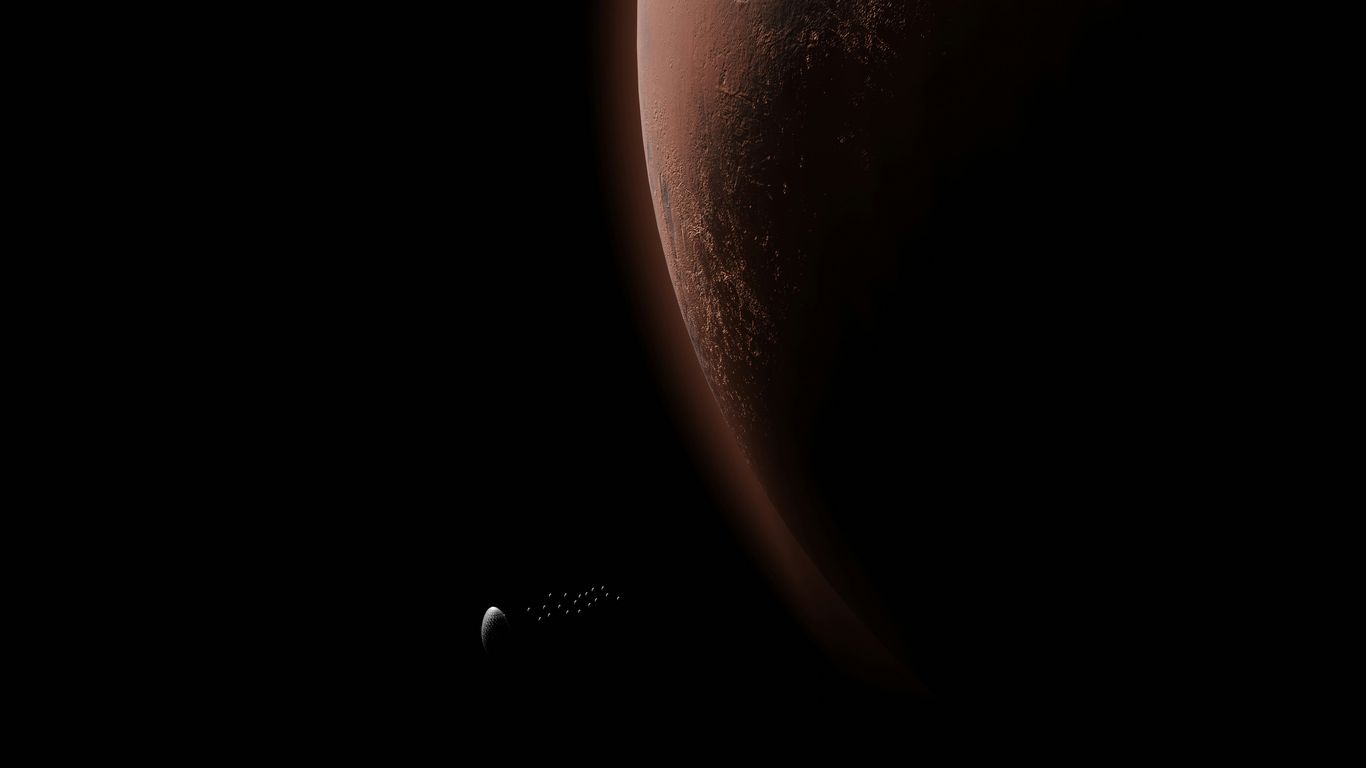
Mysterious Comet 3I/ATLAS Nears the Red Planet
So, get this: there’s a visitor from way out there, a comet called 3I/ATLAS, and it’s heading our way – well, Mars’s way, to be exact. It first popped up on our radar back in July, and now astronomers are saying it’s going to swing by the Red Planet in early October 2025. It’s going to get pretty close, passing within about 18 million miles. This is a pretty big deal because it’s an interstellar object, meaning it didn’t form in our solar system. We’ve never really had a chance to get this good a look at something like this before.
Unprecedented Imaging Opportunities with Mars Reconnaissance Orbiter
Luckily for us, NASA’s Mars Reconnaissance Orbiter (MRO) is going to be in the right place at the right time. Its HiRISE camera is super powerful, and scientists are planning to point it at 3I/ATLAS as it makes its flyby. The hope is that we’ll get some really clear pictures, maybe even clear enough to see the comet’s core, its nucleus, separate from all the gas and dust surrounding it. This comet is apparently pretty unusual, with studies showing its cloud is packed with carbon dioxide. Getting these images could tell us a lot.
Insights into Comet Composition and Origins
What’s really got people talking is how old this comet might be. Some estimates suggest it could be nearly seven billion years old. If that’s true, it’s the oldest comet anyone has ever seen. Think about that – a visitor from the very early days of the galaxy! Studying its makeup, like that carbon dioxide-rich cloud and any tail it might form as it gets closer to the Sun, could give us clues about what things were like when our solar system was just getting started. It’s even possible that objects like this played a role in how Earth itself came to be. It’s like getting a peek into the deep past, not just of Mars, but maybe of our own planet too.
The Search for Ancient Martian Life
So, Mars. It’s not exactly a tropical paradise these days, right? More like a frozen, dusty ball. But billions of years ago? Things were different. We’re talking flowing water, a thicker atmosphere – basically, a place that could have supported life. And that’s the big question driving a lot of what we do: are we alone in the universe?
Perseverance Rover’s Mission in Jezero Crater
This is where the Perseverance rover comes in. It landed in Jezero Crater, a spot that used to be a big lake with a river delta. Pretty ideal conditions for life to get going, if you ask me. The rover’s been busy, collecting samples from rocks that might hold clues. It’s got these sample tubes, ready to bring a piece of Mars back to Earth for a closer look. It’s like a cosmic treasure hunt, but instead of gold, we’re looking for signs of ancient microbes.
Evidence of Past Water and Habitability
We’ve seen a lot of evidence pointing to Mars being a much wetter place in the past. Think ancient lakebeds, river channels – the whole deal. This means the planet had the basic ingredients for life as we know it. It wasn’t just a fleeting moment of water, either; these conditions likely lasted for a significant time, giving life a real chance to take hold.
The Significance of Organic Matter Discoveries
One of the most exciting finds has been organic matter, like in a rock nicknamed "Cheyava Falls." Organics are basically the building blocks of life. Where you find them on Earth, you often find life too. This rock has these weird "poppy seed" and "leopard spot" patterns. While these can form through non-living processes, on Earth, they’re often a sign of microbes munching away on minerals. This suggests that the conditions in Jezero Crater billions of years ago might have actually been home to microbial life. It’s not definitive proof yet, but it’s a really strong hint that we might not be alone.
Unlocking Mars’ Geological History
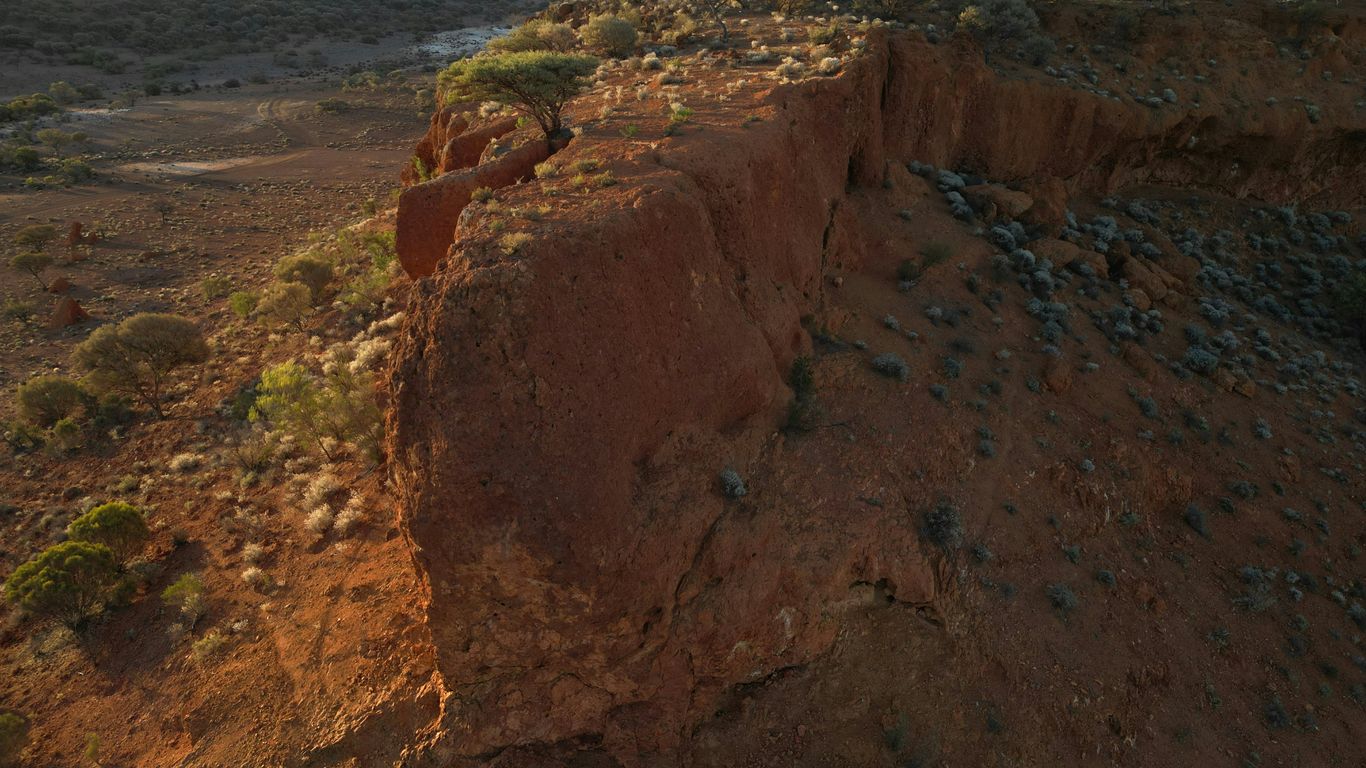
Trying to figure out what happened to Mars, especially its old supply of water, is like doing detective work with just a few clues. There’s no shortage of weird findings, and the planet keeps serving up mysteries that make scientists scratch their heads. Let’s break down what we’ve learned about the Red Planet’s past and how it’s shaped by some big geological forces.
Understanding Mars’s Water Loss
Once upon a time—literally billions of years ago—Mars had flowing rivers, lakes, and maybe even an ocean. Now, not so much. The big question is: where did all that water go?
- Powerful dust storms push water vapor high into the Martian atmosphere.
- Sunlight splits that vapor into hydrogen and oxygen, letting lightweight hydrogen drift off into space.
- Most of what’s left is locked up in the polar caps or buried underground as ice.
Here’s a quick table showing estimates of Mars’ water loss over time:
| Epoch | Water Coverage* | Main Loss Mechanism |
|---|---|---|
| ~4 billion years ago | Shallow ocean, rivers | Atmospheric escape |
| Present day | Polar ice, ground ice | Ongoing escape, freezing |
*Coverage estimates are based on data from craters, valleys, and mineral findings.
The Role of Planetary Tilt in Climate Change
Mars doesn’t just sit still; its axial tilt wobbles way more than Earth’s. When that tilt is wild—sometimes swinging 10 degrees or more—big things happen:
- More sunlight heats the polar regions, melting more ice.
- Extra water vapor means more can escape into space.
- Dust storms grow larger during high-tilt periods, boosting hydrogen loss by up to 50%.
So when Mars tipped over (sometimes up to 35 degrees), it basically fast-tracked water loss. Today, its tilt is calmer, but the damage is done. Mars dried out during those wild tilt years, and now it’s stuck in a cold, dry rut.
Geological Anomalies Revealed by Marsquakes
Marsquakes are real, and they offer a surprising look inside the planet. They’ve exposed some odd, unexpected features:
- Deep fractures running through the crust, suggesting Mars is still settling.
- Unusual layering in the rocks, possibly leftovers from lakes or lava flows.
- Evidence of shifting underground, sometimes hinting at frozen water or minerals moving around the interior.
Marsquakes don’t happen every day, but each event gives new info on what’s happening under the surface. Every rumble from below is like Mars sending up a signal, reminding us it’s not totally dormant yet.
Mars might look dead, but its rocks, faults, and old water flows say otherwise. Every new study adds another piece to the puzzle—and who knows what next year might bring.
The Ambitious Mars Sample Return Mission
Bringing bits of Mars back to Earth is a huge undertaking, and honestly, it’s hitting some bumps. The whole idea is that our rovers, like Perseverance, are pretty good at collecting cool rock and soil samples, but they can’t actually bring them home. That’s where this whole separate mission comes in. We’ve never launched anything off Mars before, so it’s a first.
Challenges and Timelines for Sample Retrieval
Getting these samples back is way more complicated than it sounds. The original plan involved a whole sequence of events: another rover would go pick up the samples Perseverance collected, then launch them into orbit. A separate spacecraft would then grab those samples, secure them, and make the long trip back to Earth. Once here, they’d land in a remote area, probably in the desert, and be taken to special facilities for study. Think of those high-security labs you see in movies – that’s the kind of place.
This whole process is really expensive and takes a long time. We’re talking billions of dollars and potentially waiting until 2040 for the first samples to arrive. NASA is looking for ways to do this faster and cheaper, which is tough when you’re dealing with launching from another planet. Plus, there are only specific windows, about every two years, when Earth and Mars are lined up just right for an easier trip, which adds to the waiting game.
The Importance of Earth-Based Analysis
Why go through all this trouble? Because we can study rocks and soil much better here on Earth. We have advanced labs and instruments that just can’t be sent to Mars. Being able to analyze these samples in detail could tell us so much about Mars’s past, like whether it ever hosted life. It’s like getting a direct message from another world, but we need to be able to read it properly.
Here’s a rough idea of the steps involved:
- Perseverance collects and caches samples.
- A fetch rover retrieves the samples.
- A Mars Ascent Vehicle launches the samples into orbit.
- An Earth Return Orbiter captures the samples and travels back to Earth.
- Samples land on Earth and are transported to a specialized analysis facility.
Future Prospects for Martian Exploration
This mission is a big deal for what comes next. If we can successfully bring samples back, it opens up so many possibilities. It’s not just about Mars; it’s about understanding how planets form and change over time. It could even give us clues about life itself. But right now, the focus is on figuring out how to make Mars Sample Return happen without breaking the bank or taking forever. The rise of private space companies is also being looked at as a potential way to speed things up and lower costs, which is pretty interesting.
What Makes Mars So Fascinating
So, why all the fuss about Mars? It really boils down to a few big questions that have been rattling around in our heads for ages. The most pressing one, of course, is: Are we alone in the universe? Mars is our closest neighbor, relatively speaking, and it shows us signs that it might have been a much more hospitable place billions of years ago. Think about it – back then, Mars had flowing water, a thicker atmosphere, and conditions that could have supported life as we know it. Today, it’s a frozen, dry world, but that past potential is what keeps us looking.
The Fundamental Question: Are We Alone?
This is the big one, right? If we can find evidence that life, even simple microbial life, existed on Mars, it would be a game-changer. It would suggest that life isn’t some incredibly rare fluke but something that can get started relatively easily. Imagine finding proof of a whole separate origin of life, a ‘second genesis,’ right next door! It’s mind-boggling.
Mars as a Window into Planetary Evolution
Even if we don’t find definitive proof of past life, Mars is still incredibly important. It’s like a case study for how planets change over time. We’re seeing how a once potentially habitable world can transform into the cold, arid planet we see today. Studying Mars’s geological history, like how it lost its water – possibly due to massive shifts in its axial tilt – helps us understand the limits of habitability. It shows us the processes that can lead to a planet’s decline, which is pretty useful information for understanding our own planet’s future.
Potential for a Second Genesis of Life
This ties back to the ‘are we alone’ question. The discovery of organic matter in rocks like the mudstone called ‘Cheyava Falls’ is super interesting. Organics are the building blocks of life as we know it, and where you find them on Earth, you often find life. This rock also has peculiar patterns, like ‘poppy seeds’ and ‘leopard spots,’ which, while they can form through non-living processes, are often associated with microbial activity on Earth. The idea that life might have started independently on Mars is a powerful motivator for all our exploration efforts.
So, What’s Next for Mars?
Looking ahead to 2025, Mars is shaping up to be a really busy place. We’ve got that mysterious comet, 3I/ATLAS, zipping by, giving us a chance to get some amazing new pictures. Plus, the whole effort to bring samples back to Earth is still a big deal, even with the delays. It’s all part of this ongoing quest to figure out if we’re alone in the universe. Whether we find definitive proof of past life or just learn more about how planets change over time, every bit of information we get from the Red Planet helps us understand our own world a little better. It’s pretty wild to think about what we might discover next.