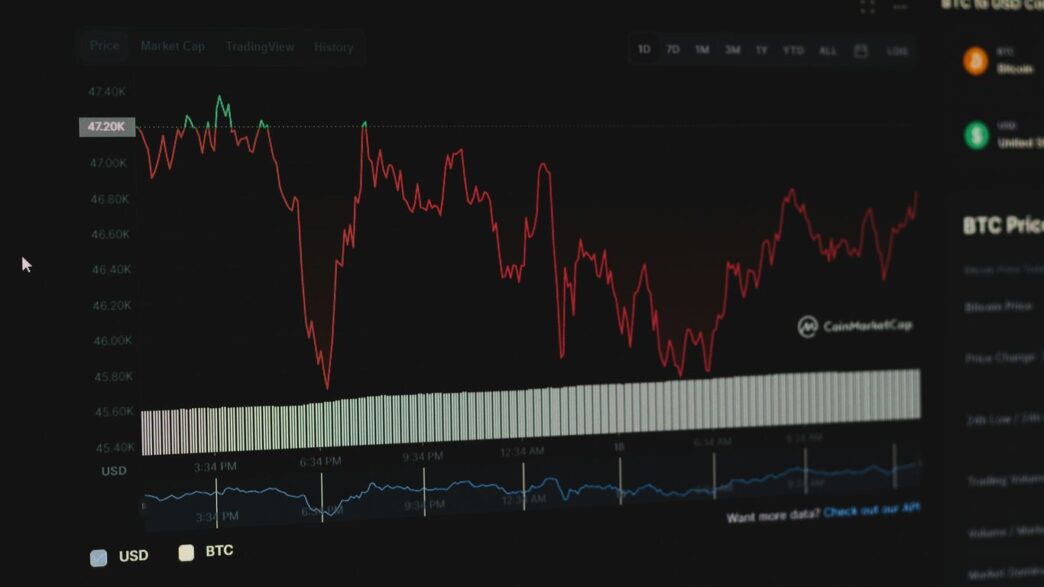
Thinking about where the big money moves? We’re looking at the top 10 stock exchanges in the world for 2025. These places are basically the financial heartbeats of countries, showing how well businesses are doing. It’s pretty wild to see how much value is traded every single day. We’ll break down the biggest players, from Wall Street to markets across the globe. This list gives you a snapshot of the financial giants shaping the global economy.
Key Takeaways
- The New York Stock Exchange (NYSE) remains a dominant force, often leading global markets.
- Major exchanges like Nasdaq, Shanghai, and Tokyo are critical hubs for international investment.
- Market capitalization is the primary metric used to rank these global financial centers.
- Euronext and the London Stock Exchange represent significant European financial power.
- Emerging markets and regional exchanges are increasingly important in the global financial landscape.
1. New York Stock Exchange
Alright, let’s talk about the big kahuna of stock markets: the New York Stock Exchange, or NYSE as everyone calls it. Located right there on Wall Street, this place is practically a symbol of global finance. It’s been around for ages, officially getting its name in 1963, but its roots go way back.
The NYSE has consistently held the title of the world’s largest stock exchange by market capitalization since the end of World War I. It’s seen its share of ups and downs, like that big crash in ’29 and another scare in ’87, but it always seems to bounce back. In 2012, it became part of the Intercontinental Exchange, which is another big player in the financial world.
Here’s a quick look at what makes it so massive:
- Market Cap: As of recent checks, it’s in the trillions of dollars, making up a huge chunk of the total global stock market value.
- Listed Companies: We’re talking thousands of companies here, from energy giants and healthcare innovators to consumer goods makers. Think big names like Exxon Mobil, Citigroup, and Pfizer.
- Key Index: The Dow Jones Industrial Average is often used to keep tabs on how the NYSE is doing, though some companies listed here are also on other exchanges.
It’s more than just a place to trade stocks; it’s a barometer for the entire economy, showing us how businesses are doing and where the money is flowing. Pretty wild when you think about it.
2. Nasdaq
Next up on our list is the Nasdaq, a name that probably rings a bell for anyone interested in tech stocks. It’s not just another stock market; it was actually the world’s first electronic stock exchange, kicking off back in 1971. This means no shouting on a trading floor, just pure digital transactions from the get-go.
Nasdaq is famous for being the go-to place for technology companies. Think Apple, Microsoft, and Tesla – they all call Nasdaq home. This focus has really shaped its identity and performance over the years.
Here’s a quick look at some key aspects:
- Founding: 1971
- Headquarters: New York City
- Trading System: Fully electronic
- Key Sectors: Technology, biotechnology, and growth-oriented companies
While it might not have the sheer number of listed companies as some other global giants, Nasdaq hosts a significant number of international firms, showing its global reach. It’s a dynamic marketplace that continues to be a major player, especially in the tech world. You can track its performance through indexes like the Nasdaq 100, which gives a good snapshot of how these major tech players are doing. It’s a pretty impressive setup, especially considering its early adoption of electronic trading, which was quite revolutionary at the time. The exchange has a substantial international presence, hosting 871 international companies as of early 2025.
3. Shanghai Stock Exchange
Alright, let’s talk about the Shanghai Stock Exchange, or SSE as it’s often called. This place is pretty massive, and honestly, it’s kind of amazing how quickly it grew. It officially got going in 1990, but its roots go way back to 1866. It’s one of the three big exchanges in China, and it’s definitely a major player on the global stage.
What’s interesting about the SSE is how it handles its shares. You’ve got ‘A’ shares, which are priced in Chinese Yuan and mostly for domestic investors, though some foreigners can get in. Then there are ‘B’ shares, which are priced in US dollars and open to both domestic and international folks. This setup really shows how they’re trying to balance local control with global access.
The SSE is currently the fourth-largest stock exchange globally by market capitalization. It’s home to some huge companies, like PetroChina and the Industrial and Commercial Bank of China. Tracking its performance is usually done through the SSE Composite index. For the first three quarters of 2025, companies listed here reported a total revenue of 37.58 trillion yuan, showing a slight increase from the previous year. You can find more details on their financial performance if you’re curious. It’s a dynamic market, for sure.
4. Tokyo Stock Exchange
Alright, let’s talk about the Tokyo Stock Exchange, or TSE as most people call it. This place has been around for a really long time, dating all the way back to 1878. It’s the main stock market in Japan, and it’s seen its fair share of history, even having to shut down for a bit after World War II.
Nowadays, it’s part of the Japan Exchange Group, which happened when it merged with the Osaka Securities Exchange back in 2013. It’s a pretty big deal globally, with a market cap that’s been in the trillions. As of recent checks, it’s home to thousands of companies, making it a major player.
Here’s a quick look at some key details:
- Founded: 1878
- Owner: Japan Exchange Group (since 2013 merger)
- Market Cap: Over $6 trillion (as of early 2024 data)
- Number of Listed Companies: Over 3,500
When people want to see how the TSE is doing, they usually look at the Nikkei 225 index. This index tracks some of the biggest names you’d expect, like Toyota and Sony. It’s definitely a stock exchange that keeps the global financial world watching.
5. Hong Kong Stock Exchange
The Hong Kong Stock Exchange, often called SEHK, has been around for a really long time, starting way back in 1891. It’s one of the main stock markets in China, but these days, you won’t find people shouting on a trading floor – they closed that part down in 2017 because everything’s online now.
It’s a pretty big deal, ranking as the fifth largest stock exchange globally. Think about it, it’s a gateway for a lot of companies, especially those based in Hong Kong. A huge chunk of its value comes from its top companies, like Tencent and HSBC.
Here’s a quick look at what makes it tick:
- Global Reach: While based in Hong Kong, it attracts companies and investors from all over.
- Key Industries: You’ll find a lot of finance, property, and tech companies listed here.
- Trading Currency: Most stocks are traded in Hong Kong Dollars (HKD).
It’s definitely a major player in the Asian financial scene and keeps growing.
6. Euronext
Euronext is a bit of a different beast compared to some of the other exchanges on this list. Instead of being tied to just one country, it’s a pan-European exchange. Think of it as a network connecting several European markets: the Netherlands, Portugal, Belgium, France, Ireland, and even a bit of the UK.
It was set up back in 2000 with the idea of representing Europe’s economy as a whole, and that’s why it primarily deals in euros. Over the years, it’s had a few ownership changes, merging with the NYSE for a while before becoming its own independent, publicly traded company again in 2014. Pretty interesting journey, right?
Right now, Euronext is a pretty big player, sitting as the seventh largest stock exchange globally. It boasts a market capitalization of around $4.36 trillion. Because it covers so many countries, you’ve got about 1,300 companies listed there, and 30 different stock indices to keep an eye on. If you want to get a general sense of how things are doing on Euronext, the Euronext 100 index is usually the one to watch. It’s made up of the biggest and most actively traded stocks on the exchange, like well-known names such as AXA, Christian Dior, and Renault.
7. London Stock Exchange
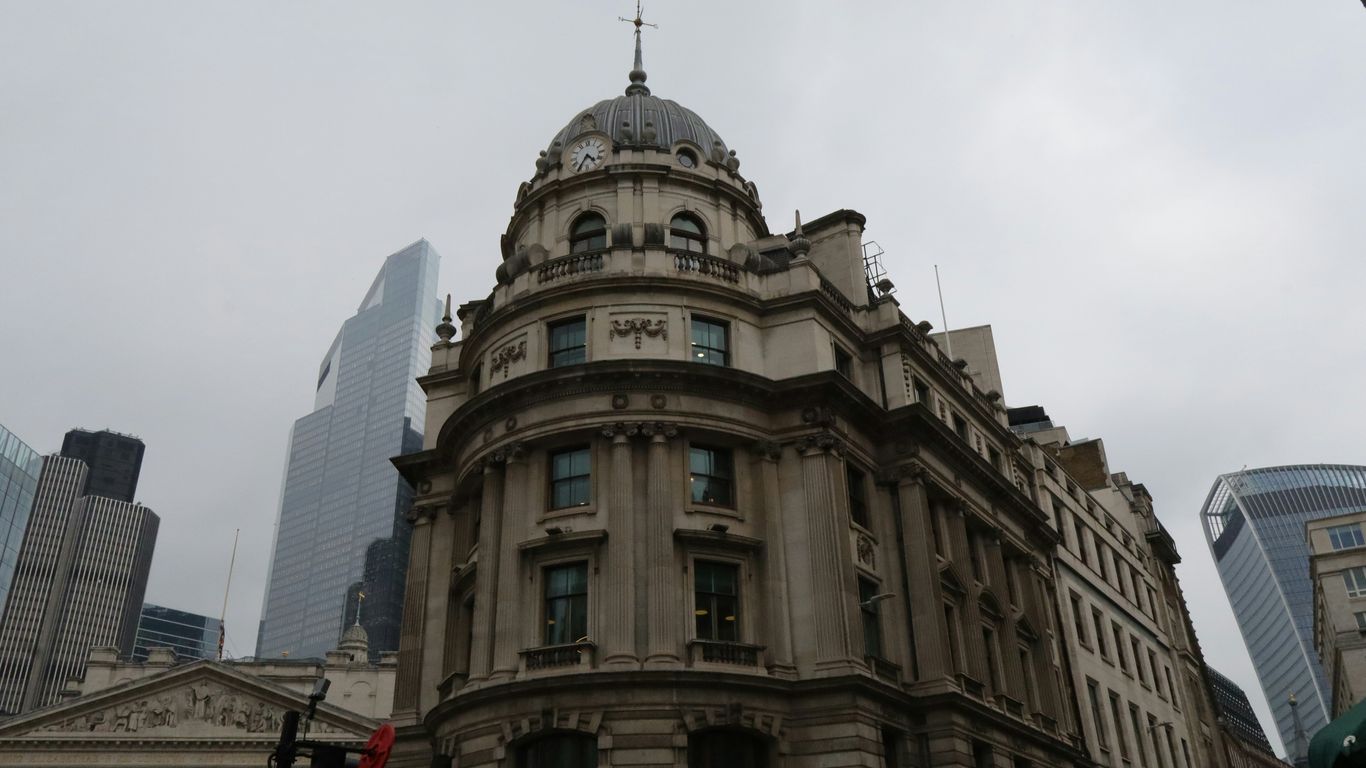
The London Stock Exchange, or LSE as it’s often called, has a really long history, going back to 1698. That’s when someone started publishing stock prices twice a week. It officially got going in 1801. For a while, after World War I, it was actually the biggest stock market in the world, but then the New York Stock Exchange took over that top spot.
Today, it’s still a major player, holding the title of the largest stock exchange in Europe and ranking pretty high globally. It’s part of the London Stock Exchange Group, which formed when the LSE joined forces with Borsa Italiana back in 2007. What’s cool about the LSE is how international it is; you’ll find over 3000 companies from about 70 different countries listed there. It’s known for being one of the most international exchanges out there.
Here’s a quick look at some key aspects:
- History: Origins trace back to 1698, officially founded in 1801.
- Ownership: Part of the London Stock Exchange Group (formed 2007).
- Global Reach: Lists over 3000 companies from 70 countries.
- Key Index: The FTSE 100 tracks its top 100 companies, including big names like BP and GlaxoSmithKline.
8. Shenzhen Stock Exchange
Alright, let’s talk about the Shenzhen Stock Exchange, or SZSE as folks call it. This place is one of China’s big three exchanges, officially kicking off in 1990 after getting started a bit earlier in ’87. It’s pretty much run by itself, but the China Securities Regulatory Commission keeps an eye on things.
It’s a major hub for tech and growth companies in China.
Back in March 2018, its market cap was around $3.49 trillion, which put it pretty high up on the global list. Everything there is traded in Chinese yuan, naturally, since most of the companies are from China.
What’s interesting about SZSE are its special boards:
- SME Board: This one started in 2004 and is specifically for small and medium-sized businesses, especially those in manufacturing. It’s a way to give these companies a platform to raise money.
- ChiNext Board: Launched in 2009, this board is often compared to the Nasdaq. It’s designed to be a place for newer, tech-focused companies and startups to get listed and find investors. Think of it as China’s growth engine for innovation.
So, while it might not be as old as some other exchanges, Shenzhen has really carved out its own niche, particularly for emerging businesses and the tech scene.
9. Toronto Stock Exchange
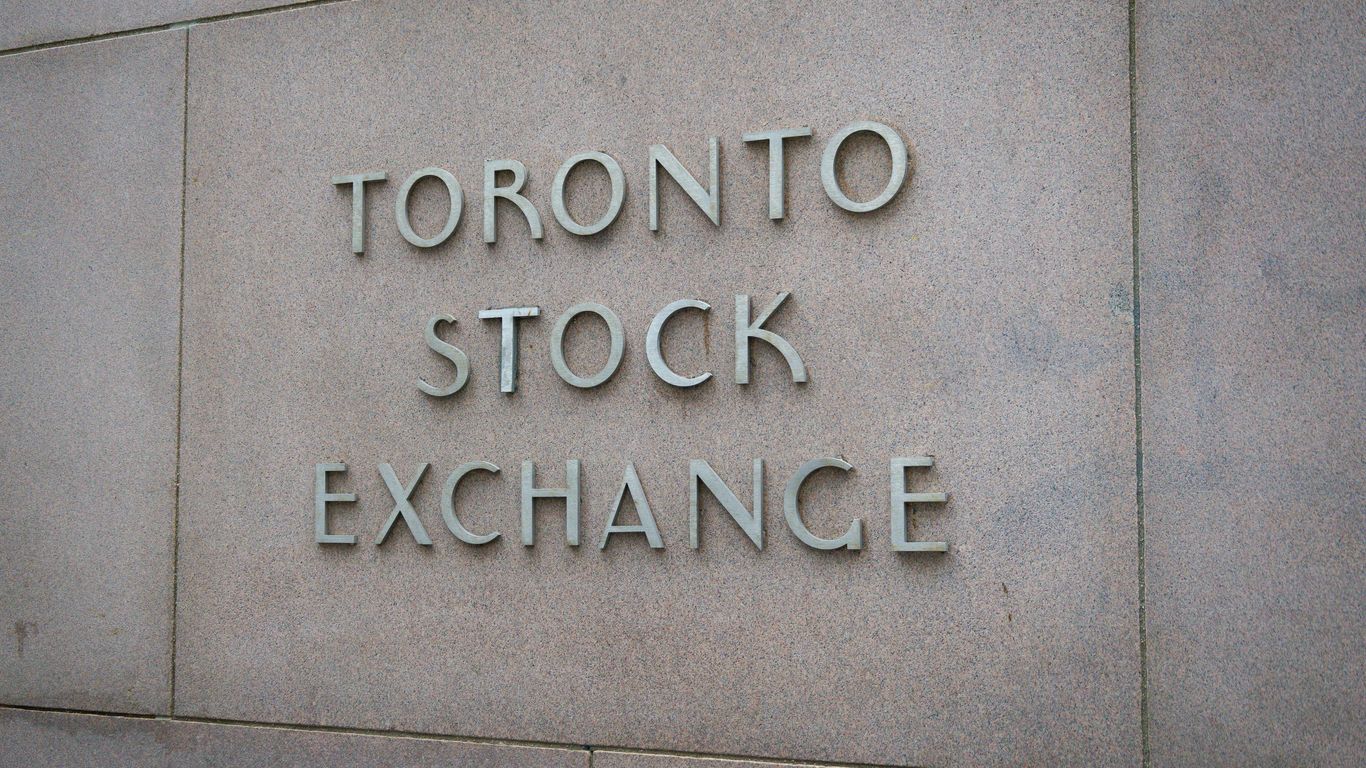
Alright, let’s talk about the Toronto Stock Exchange, or TSX as most people call it. This place has been around for a while, actually since 1852. It’s the main hub for trading stocks in Canada, and you’ll find over 1500 companies listed here. It’s pretty significant, ranking as the third-largest stock exchange in North America based on how much everything listed is worth.
The TSX is a major player on the global stage, often landing in the top 10 worldwide. It’s home to some of Canada’s biggest names, like the Royal Bank of Canada and Suncor Energy. If you want to get a general idea of how things are doing on the TSX, people usually look at the S&P/TSX Composite Index. This index tracks the top 100 companies and gives you a pretty good sense of about 70% of the exchange’s total value. It’s a solid market, especially if you’re interested in Canadian businesses or resources.
10. Saudi Exchange
Alright, let’s talk about the Saudi Exchange, also known as Tadawul. It’s been making some serious moves lately, climbing the ranks to become a pretty significant player on the global stage. This exchange is really the heart of Saudi Arabia’s financial market, and it’s seen some impressive growth, especially as the country pushes forward with its Vision 2030 economic diversification plans.
When you look at the numbers, the Saudi Exchange has a market capitalization that’s definitely noteworthy. As of mid-2024, it was hovering around the $2.8 trillion mark, which is a pretty big deal. It’s seen some ups and downs, sure, but the overall trend shows a market that’s maturing and attracting more attention.
What’s driving this? Well, a few things.
- Economic Reforms: Saudi Arabia has been actively working to open up its economy, making it more attractive to foreign investors. This includes changes to regulations and making it easier to list companies.
- Key Sectors: You’ll find a lot of activity in sectors like energy, banking, and petrochemicals, which are obviously huge in Saudi Arabia. But they’re also trying to grow other areas too.
- Vision 2030: This is the big one. The whole national strategy is about reducing the country’s reliance on oil, and the stock exchange is a key part of that. It’s a platform for companies to grow and for investors to get involved in this transformation.
It’s not just about the big companies either. The Saudi Exchange is working on developing its market infrastructure and making it more accessible. They’ve also been looking at ways to integrate more with other regional and international markets. So, while it might not have the same long history as some of the older exchanges, it’s certainly one to watch for the future.
Wrapping It Up
So, there you have it – a look at the biggest stock exchanges around the globe as of 2025. It’s pretty wild to see how much money is traded every single day on places like the NYSE and Nasdaq. These markets aren’t just numbers; they really show how different economies are doing. India’s jump into the top five is a big deal, showing how much things can change. Keep an eye on these exchanges, because they’re always moving and shaking, and what happens there affects us all, whether we’re investors or not. It’s a complex world, but understanding these major players gives you a better picture of the global financial scene.
Frequently Asked Questions
What exactly is a stock exchange?
Think of a stock exchange as a big marketplace where people can buy and sell tiny pieces of companies, called stocks or shares. It’s a place where the value of businesses is decided by how much people want to invest in them. These markets are super important because they show how healthy a country’s economy is doing.
Why are some stock exchanges much bigger than others?
The size of a stock exchange, measured by its market capitalization, depends on how many companies are listed there and how much those companies are worth overall. Countries with lots of big, successful businesses tend to have larger stock exchanges. It’s like comparing a small local market to a giant international shopping mall.
How do stock exchanges help the economy?
Stock exchanges help economies grow in a couple of ways. First, they let companies raise money to expand and create jobs by selling shares. Second, they give people a way to invest their savings and potentially make money, which helps keep the economy moving.
Are stock exchanges only for rich people?
Not at all! While big investors can trade large amounts, anyone can buy stocks, even with a small amount of money. Many people invest through retirement accounts or by buying small portions of shares. The goal is to make investing accessible to more people.
What’s the difference between the New York Stock Exchange (NYSE) and Nasdaq?
Both are huge marketplaces in New York, but they have differences. The NYSE is older and lists many established, traditional companies. Nasdaq, on the other hand, is known for listing many technology companies and was the first to use electronic trading.
How do stock markets change day to day?
Stock markets go up and down based on many things. News about companies, economic reports, global events, and even just people’s feelings about the future can make stock prices change. It’s like a constant popularity contest for businesses.