The original PlayStation, or PS1 as it’s often called, was a real game-changer, especially for role-playing games. It felt like every other month a new adventure dropped that just sucked you in for hours. We’re talking about those games that had amazing stories, characters you actually cared about, and worlds you could get lost in. It’s tough to pick favorites, but we’ve put together a list of the top RPG PS1 classics that really stood out. These are the games that defined a generation of gamers and still hold up today. Let’s take a trip down memory lane and revisit some absolute gems. This list focuses on the top 100 games for PS1, trying to capture the magic of these classic games.
Key Takeaways
- The PS1 era was a golden age for RPGs, offering a wide variety of experiences.
- Games like Final Fantasy VII set new standards for storytelling and presentation.
- Beyond the big names, many other exceptional RPGs graced the PS1.
- The console’s 3D capabilities and CD storage allowed for more immersive worlds and soundtracks.
- These top RPG PS1 titles remain beloved for their lasting impact on the genre.
1. Final Fantasy VII
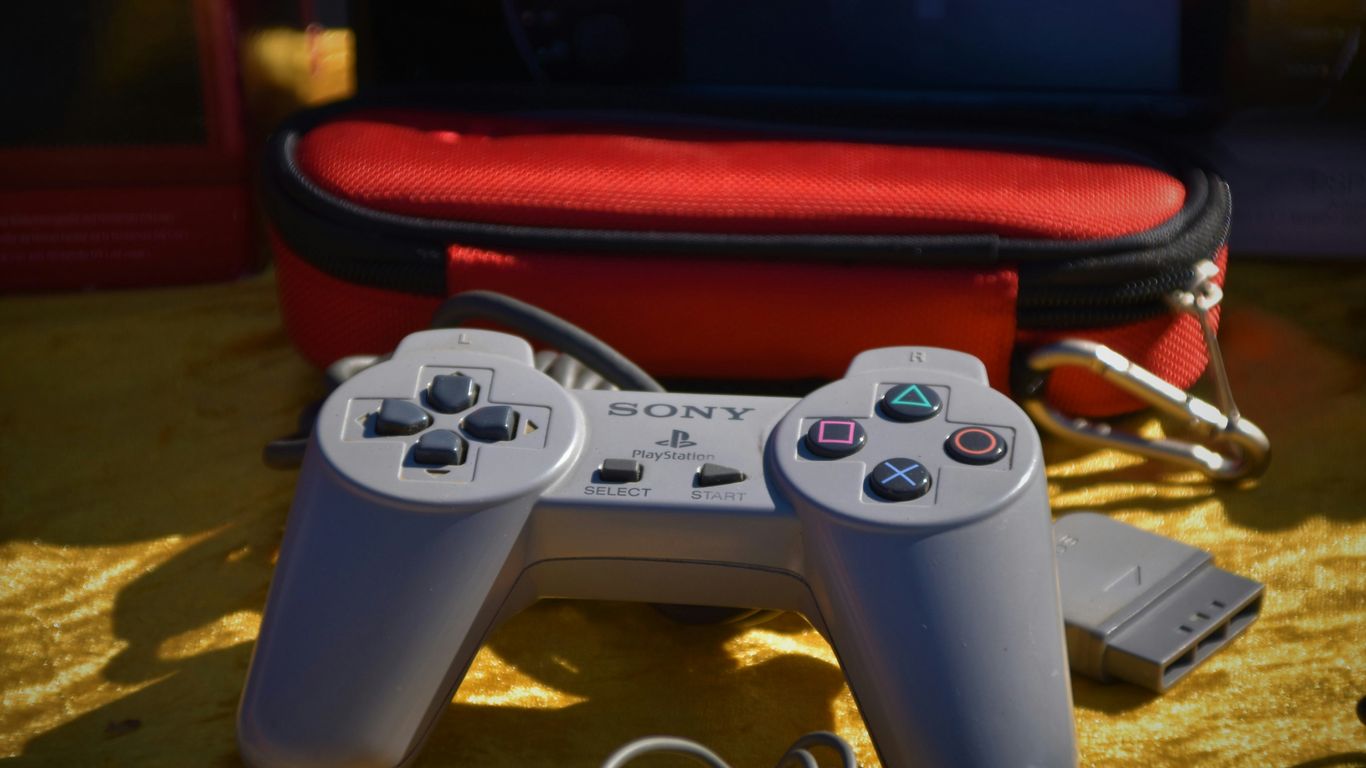
Okay, let’s talk about Final Fantasy VII. This game wasn’t just a game; it was a whole event back in the day. Square really outdid themselves, creating a story that felt huge but also really personal. You follow Cloud Strife and his crew as they go up against the Shinra Corporation and this creepy guy named Sephiroth. It was a big deal because of how it looked – those pre-rendered backgrounds and CGI cutscenes were mind-blowing for the time. Plus, the music? Absolutely unforgettable. It tackled some pretty heavy stuff too, which was unusual for games back then.
The Materia system was pretty neat. Instead of just leveling up, you slotted these magic orbs into your gear to get new powers. It made you think about how you wanted to build your characters, which was cool. It’s a title that continues to be discussed and played, even with remakes and sequels emerging decades later.
Here’s a quick rundown of what made it special:
- Epic Storyline: A sprawling narrative with memorable characters and plot twists.
- Groundbreaking Visuals: For its era, the graphics and CGI cutscenes were top-notch.
- Materia System: A flexible customization system that allowed for varied character builds.
- Emotional Impact: The game didn’t shy away from mature themes and emotional moments.
Honestly, it set a new bar for what RPGs could be on the PlayStation. It’s one of those games that just sticks with you.
2. Gran Turismo
Man, Gran Turismo on the PlayStation 1. This game really changed things for racing games, didn’t it? It wasn’t just about slamming the gas pedal and hoping for the best. Polyphony Digital put so much effort into making it feel real. The sheer number of cars you could collect and tune was mind-blowing for the time.
It felt like you were actually learning about cars and how they handle. You had to think about braking points, tire wear, and all that jazz. It was a serious sim, but still fun enough that you didn’t need a degree in automotive engineering to enjoy it.
Here’s a little of what made it special:
- Authentic Driving Physics: Cars felt different. Lighter cars handled one way, heavier ones another. It was all about that feel.
- Vast Car Collection: So many real-world cars to unlock and race. It was like a digital car show.
- Detailed Tracks: From real-world circuits to fictional ones, the courses were well-made and offered different challenges.
- License Tests: These weren’t just filler; they actually taught you how to drive better within the game’s mechanics. Passing that final license test felt like a real achievement.
3. Metal Gear Solid
Alright, let’s talk about Metal Gear Solid. This game, man, it really changed things up when it came out. Before this, stealth games weren’t really a huge thing on consoles, or at least not like this. Hideo Kojima and his team basically invented the modern stealth-action genre with this one.
You play as Solid Snake, a super-spy who has to infiltrate a nuclear disposal facility on Shadow Moses Island. The goal is to stop a terrorist group called FOXHOUND from launching a nuke. Sounds pretty standard, right? But the way it’s told is anything but. The cutscenes are long, cinematic, and full of this really serious, almost cheesy dialogue that somehow just works.
What made it special was the gameplay. You weren’t supposed to just run and gun. You had to hide, use cover, distract guards, and sneak around. It felt like you were actually a spy, not just a soldier. The controls were a bit clunky by today’s standards, but for the time, they were revolutionary. You had to manage your inventory, use gadgets like the cardboard box (seriously, the cardboard box!), and even rely on your radar to see enemy patrol paths.
Here’s a little breakdown of what made it tick:
- Stealth Mechanics: Hiding in lockers, crawling through vents, and using the environment to your advantage.
- Boss Fights: Memorable encounters with unique characters like Psycho Mantis, who could read your memory card, and Sniper Wolf.
- Storytelling: A complex plot with twists, turns, and a surprisingly deep narrative for a video game.
It wasn’t just about shooting; it was about thinking, observing, and being patient. The atmosphere was thick with tension, and the voice acting, while sometimes a bit over the top, really brought the characters to life. Metal Gear Solid set a new bar for what games could be, blending action, stealth, and a gripping story into something truly unforgettable.
4. Chrono Cross
Man, following up Chrono Trigger was a tall order, and Chrono Cross definitely felt that pressure. It’s not a direct sequel, but Square took a different route, swapping time travel for parallel dimensions. This gave the game a whole new vibe, focusing on a huge cast of characters and a really unique elemental combat system. The music in this game? Absolutely killer. The opening theme alone is something people still talk about. Visually, it was pretty striking for the time, too, and the story, while a bit tangled, offered a different kind of depth.
It wasn’t perfect, though. Some folks found the story a little hard to follow, and with so many characters joining your party, it sometimes felt like none of them got enough screen time. It’s a game that really tried something different, and even if it didn’t nail every single thing, it’s still a remarkable experience.
Here’s a quick rundown:
- Platform: PS1
- Developer: Square
- Estimated Playtime: Around 25 hours
While some might see it as a departure from Chrono Trigger, Chrono Cross really carved out its own space. It’s a game that rewards players willing to get into its intricate world and unique mechanics, even if there’s a bit of a learning curve. Despite the comparisons, Chrono Cross stands on its own as a significant RPG from the PlayStation era, offering a rich world and a memorable, if sometimes confusing, adventure.
5. Tactics Ogre
Alright, let’s talk about Tactics Ogre. This game is a real gem for anyone who likes strategy, but it’s definitely not a walk in the park. It throws you into the middle of a war-torn land called Valeria, and your choices actually matter. Like, big time. You’re not just picking dialogue options; you’re deciding the fate of characters and entire factions. It’s a heavy game, for sure.
The combat is where Tactics Ogre really shines, though. It’s all about grid-based battles, and you have to think about where everyone is, what skills they have, and even the terrain. It’s not just about having the strongest units; it’s about using your brain to outsmart the enemy. You can recruit all sorts of characters, and figuring out the best way to build your party for each mission is a huge part of the fun. Seriously, the depth here is pretty wild.
Here are a few things that make it stand out:
- Unit Customization: You get to build your army from a huge roster of characters, each with their own classes and abilities. Making the right team for the job is key.
- Class System: There are tons of classes, from basic fighters to powerful magic users. Mixing and matching these can lead to some really interesting strategies.
- Moral System: Your decisions have consequences. They can change the story, who joins you, and even the overall direction of your army. It’s a mature approach to storytelling that was pretty rare back then.
The narrative explores themes of war, destiny, and the bonds between people. While the plot might tread familiar JRPG ground at times, the presentation and character development help to make it engaging. The visuals, while dated by modern standards, possess a certain charm. The sprite work is detailed, and the character portraits convey a lot of emotion. It’s a title that rewards patience and strategic thinking, offering a rich world and a compelling story that will keep you hooked for hours on end. If you’re looking for a deep tactical experience, you really can’t go wrong with Tactics Ogre.
6. Final Fantasy VIII
Following up on the massive success of Final Fantasy VII was always going to be a challenge, and Final Fantasy VIII certainly felt that pressure. It’s a game that often gets overshadowed by its predecessor, but that doesn’t mean it’s not worth your time. This entry focuses on Squall Leonheart and his fellow mercenaries, exploring themes of love and friendship amidst a backdrop of war and political intrigue. The story, while perhaps not as universally acclaimed as VII’s, offers a compelling narrative with some truly memorable moments, especially the romance between Squall and Rinoa.
One of the most talked-about aspects of Final Fantasy VIII was its unique Junction system. Instead of traditional magic points, players draw magic from enemies and then assign it to character stats. This system, while innovative, could be a bit confusing for newcomers and led to some criticism about the game’s general gameplay. It’s a mechanic that really changes how you approach character building.
Here’s a quick look at some of its features:
- Junction System: Draw magic from enemies and equip it to boost character stats.
- Guardian Forces (GFs): Summonable creatures that provide combat support and allow for magic junctioning.
- Card Mod: A mini-game where you can convert cards into items, adding another layer of engagement.
The visuals, while dated by modern standards, possess a certain charm. The character models and environments, though blocky, have a distinct look that was impressive for the PlayStation era. The game’s soundtrack is also a highlight, with Nobuo Uematsu delivering some truly iconic tracks that stick with you long after you’ve finished playing. It’s a title that rewards players who take the time to understand its systems and appreciate its unique take on the Final Fantasy formula.
7. Vagrant Story
Vagrant Story is a bit of a curveball in the PlayStation 1’s RPG lineup. Developed by Square, the same folks behind Final Fantasy, it decided to ditch the usual turn-based battles for something more action-oriented. You play as Ashley Riot, an agent sent into the ruined city of Lea Monde to sort out a cult situation. Things get complicated fast, and Ashley ends up tangled in a murder investigation.
What really makes this game different is how it handles gear. Forget wandering into shops to buy swords and armor. Instead, Vagrant Story is all about crafting and messing with your weapons and armor. You can really tweak things to fit how you play. The combat itself happens in real-time, and you’ll need to use your brain for puzzles and strategy.
Here are some of the standout features:
- Unique Combat: It’s real-time, and you can target specific parts of enemies for different effects.
- Deep Crafting: A really involved system for making and improving your gear.
- Complex Story: A mature plot with political drama and a dark, moody setting.
The game doesn’t have any other characters to talk to, which is pretty unusual for an RPG, focusing entirely on Ashley’s journey. It explores some heavy themes, and the atmosphere is thick with intrigue. It might not be for everyone because it can be pretty challenging, but if you like a game that makes you think and rewards patience, Vagrant Story is a classic that still holds up.
8. Suikoden II
Man, Suikoden II. This one really hit different back in the day, and honestly, it still does. It picks up a few years after the first game, following this kid named Riou who gets caught up in some serious political drama between the Highland Kingdom and Jowstown. It’s a story about friendship, war, and trying to find peace when everything’s going nuts. What really makes this game special is the sheer number of characters you can recruit – over 100 of them!
Building up your base, which is this old castle, is a huge part of the fun. You find all sorts of people, from blacksmiths to bards, and they all add something to your growing army and your home base. It feels like you’re really creating something. The game doesn’t pull punches either, dealing with some heavy stuff like prejudice and the messiness of war, which makes the good moments feel even more earned.
Here’s a quick rundown of what makes it tick:
- Recruitment: Finding and convincing 108 unique characters to join your cause. Everyone has a part to play.
- Combat: It’s your classic turn-based battles for your main party, but there are also these big army battles and one-on-one duels that shake things up.
- Castle Building: Your castle grows and gets livelier as you recruit more people, offering new services and interactions. It’s your home base, after all.
Suikoden II is more than just a game; it’s this huge story that pulls you in. The emotional weight of it all, plus the satisfaction of building your army and fighting for a better future, makes it a game you won’t easily forget.
9. Resident Evil 2
Man, Resident Evil 2. This game really cranked up the terror from the first one, didn’t it? Stepping into Raccoon City after the outbreak felt genuinely unsettling. You’ve got Leon Kennedy, a rookie cop on his first day, and Claire Redfield, looking for her brother. They both end up in this nightmare scenario, trying to survive against hordes of zombies and other… things. The split story paths, where you play as either Leon or Claire and their stories kind of intertwine, was a pretty neat trick back then. It made you want to play through it twice just to see how their experiences lined up.
What really got me, though, was the atmosphere. The police station, the sewers – they were all so dark and claustrophobic. You’re constantly low on ammo, and every corner could hide a jump scare. It wasn’t just about shooting; it was about managing your resources and trying to figure out where to go next without getting eaten. The introduction of the Tyrant, a relentless pursuer, added a whole new level of panic. You couldn’t just stand and fight; you had to run and hide.
Here’s a quick rundown of what made it stand out:
- Dual Protagonists: Playing as both Leon and Claire offered different perspectives and challenges.
- Resource Management: Ammo and health items were scarce, making every encounter a tough decision.
- Atmospheric Horror: The dark environments and eerie sound design created a constant sense of dread.
- The Tyrant: A persistent threat that hunted the player, forcing evasive tactics.
Resident Evil 2 really set a standard for survival horror on the PlayStation. It was scary, it was tense, and it had that replayability factor with the different character stories. It’s a game that definitely sticks with you, and it’s a must-have for any fan of the genre. You can still find plenty of info on this classic survival horror combat.
10. Castlevania: Symphony Of The Night
Alright, let’s talk about Castlevania: Symphony of the Night. This game is just… something else. It came out on the PlayStation and honestly, it completely changed how people thought about the Castlevania series. Instead of just going from left to right and beating up Dracula’s minions, you get this huge, sprawling castle to explore. It’s not just a linear path anymore; it’s more like a giant puzzle box.
The exploration is what really makes this game shine. You’re constantly finding new areas, secret rooms, and cool gear. It feels like a true adventure where you’re uncovering the castle’s mysteries piece by piece. The map itself is massive, and backtracking is actually rewarding because you’ll often find something new with abilities you’ve picked up.
Here are a few things that make it so special:
- Metroidvania Gameplay: This is the game that really cemented the ‘Metroidvania’ style. You gain new abilities that let you access previously unreachable areas. Think double jumps, transforming into a wolf, or even a mist form to slip through grates.
- RPG Elements: You level up Alucard, find new weapons and armor, and even collect relics that give you passive bonuses or new active skills. It adds a whole layer of depth beyond just platforming and fighting.
- Art and Music: The visuals are gorgeous, with detailed sprites and backgrounds that create a really gothic, atmospheric feel. And the soundtrack? Absolutely iconic. It’s moody, memorable, and perfectly fits the castle’s vibe.
It’s a game that’s easy to pick up but has so much hidden depth. You can spend hours just exploring, fighting bosses, and finding all the secrets. Seriously, if you haven’t played it, you’re missing out on a true classic.
11. Silent Hill
Okay, so let’s talk about Silent Hill. This game really changed things up for survival horror on the PlayStation. It wasn’t just about jump scares; it was about this deep, unsettling feeling that just stuck with you. You play as Harry Mason, a regular guy looking for his daughter in this creepy, fog-covered town. And let me tell you, the town itself feels like a character, always shrouded in this thick mist and then suddenly plunged into this nightmarish otherworld. It’s a place where your worst fears seem to manifest.
The atmosphere is just incredible. The sound design is a huge part of that – those industrial, grating noises and the eerie silence really get under your skin. It’s not a game that holds your hand, either. You’re often left figuring things out on your own, which just adds to the tension.
Here’s what makes Silent Hill so memorable:
- Psychological Horror: It messes with your head, exploring themes of guilt, trauma, and repressed memories. The monsters aren’t just random; they often represent something from the characters’ pasts.
- Environmental Storytelling: The town is full of clues and details that hint at its dark history and the events unfolding.
- Resource Management: You’re constantly low on ammo and health items, forcing you to think carefully about every encounter and decision.
Silent Hill proved that horror games could be more than just gore and monsters; they could be deeply disturbing and thought-provoking. It’s a game that sticks with you long after you’ve put the controller down, and honestly, that’s the mark of something truly special.
12. Tomb Raider II
Alright, let’s talk about Tomb Raider II. This game really took things up a notch from the first one, didn’t it? Lara Croft was back, and this time she was on a globe-trotting adventure looking for a mystical artifact, the Dagger of Xian. It felt bigger, more action-packed, and honestly, a bit more over-the-top in the best way possible.
What I remember most is how much more varied the environments were. You weren’t just stuck in tombs; you were exploring underwater caves, a creepy opera house in Venice, and even a Tibetan monastery. It kept things fresh, for sure. The gameplay got a bit more refined too, with new moves for Lara and a wider array of weapons. Seriously, the grenade launcher was a game-changer.
Here’s a quick rundown of what made it stand out:
- More Action, More Lara: Lara felt more capable and the set pieces were definitely more cinematic.
- Global Adventure: The shift in locations made the world feel much larger and more exciting.
- Vehicle Sections: Driving the snowmobile and the speedboat added a new dimension to exploration and combat.
It wasn’t perfect, mind you. Some of the puzzles could be a bit obscure, and the controls, while improved, still had their moments of frustration. But overall, Tomb Raider II was a solid sequel that built on the original’s success and delivered a thrilling adventure that many of us spent hours getting lost in.
13. Crash Bandicoot 3: Warped
Man, Crash Bandicoot 3: Warped really took the platforming genre and just ran with it. It felt like Naughty Dog just threw everything they could think of into this game, and honestly, it mostly worked. You’ve got Crash zipping around in planes, riding motorbikes, even swinging on a jet ski. It’s a far cry from the more straightforward levels in the earlier games. The sheer variety of gameplay mechanics packed into Warped is what makes it so memorable. One minute you’re smashing crates in a jungle, the next you’re dodging lasers in a futuristic setting.
Here’s a quick rundown of some of the wild rides you go on:
- Time Travel Adventures: Explore different historical eras, from dinosaurs to knights to future cities.
- Vehicle Sections: Pilot planes, submarines, motorbikes, and jet skis through unique challenges.
- New Power-Ups: Crash gets some cool new moves like the Body Slam and the Fruit Bazooka, which really shake up how you approach enemies and obstacles.
It’s just pure, unadulterated fun. The controls feel tight, the levels are colorful and inventive, and the boss fights are pretty epic. It’s the kind of game that just makes you smile while you play it. Definitely a high point for the PlayStation’s platforming library.
14. Spyro The Dragon
Man, Spyro the Dragon. This game was such a breath of fresh air back in the day. You play as this little purple dragon, right? And you’re just zipping around these colorful worlds, collecting stuff. It’s not super complicated, but that’s kind of the charm. You just sort of explore and do what feels fun.
What I really liked was how open the levels felt. You could just glide around and find all the little gems and eggs. And Spyro himself is pretty cool, with his little charge attack and his flame breath. It’s the kind of game you could just pick up and play for a bit without needing to worry about a super deep story or anything.
Here’s what made it stand out:
- Vibrant Worlds: Each area felt distinct and packed with things to discover.
- Simple Controls: Easy to pick up, hard to master if you wanted to get everything.
- Charming Protagonist: Spyro is just a likable little guy.
It’s one of those games that just makes you feel good. You’re not fighting some world-ending threat, you’re just a dragon doing dragon stuff, and it’s great. Definitely a classic for a reason.
15. Tekken 3
Alright, let’s talk about Tekken 3. This game was, and honestly still is, a pretty big deal in the fighting game world. When it dropped on the PlayStation, it felt like a huge leap forward. The character models were smooth, the animations were fluid, and the gameplay? Super tight. It wasn’t just about mashing buttons; you really had to learn your character’s moves and figure out how to string them together.
Tekken 3 brought a bunch of new faces to the roster, each with their own distinct fighting style. You had the classic characters like Paul and Law, but then you got newcomers like Jin Kazama and Eddy Gordo, who quickly became fan favorites. Eddy, with his capoeira moves, was a nightmare for a lot of players back in the day.
Here’s a quick rundown of what made it special:
- Diverse Roster: A huge cast of characters, from martial arts masters to hulking brutes, each offering a unique challenge.
- Fluid Combat: The move sets were extensive, and the ability to sidestep attacks added a whole new layer of strategy.
- Tekken Force Mode: A fun beat-’em-up side mode that let you take on waves of enemies, offering a different kind of challenge.
Honestly, the game just felt right. The controls were responsive, and pulling off combos felt incredibly satisfying. It’s one of those games that defined a genre on the console, and you can still find people playing it today. If you’re looking for a classic fighting game experience, Tekken 3 is definitely worth checking out, maybe even on newer hardware if you can find it. It really holds up as a fantastic example of fighting game design.
16. PaRappa The Rapper
Alright, let’s talk about PaRappa the Rapper. This game is just… different. It’s a rhythm game, which, back in the day on the PS1, wasn’t exactly a huge genre. You play as PaRappa, this little paper-thin dog who’s trying to impress his crush, Sunny Funny. To do that, he has to learn to rap, and that’s where you come in.
Basically, you’re hitting buttons in time with the prompts that appear on screen. It sounds simple, and it is, but it’s also surprisingly challenging to get that perfect flow. The instructors you learn from are all these quirky characters, like a karate master and a chef, who teach you different rap styles. It’s all very silly and charming.
Here’s the lowdown on what makes it work:
- Iconic Characters: PaRappa, Sunny Funny, PJ Berri – they’re all super memorable.
- Catchy Tunes: The music is genuinely good, and you’ll be humming it for days.
- Unique Visuals: The flat, paper-cutout style is instantly recognizable and adds to the game’s charm.
The whole vibe of the game is just pure fun and a little bit weird, which is exactly why it stands out. It’s not about complex controls or deep strategy; it’s about feeling the beat and looking cool (or trying to, anyway). It really set the stage for rhythm games on consoles.
17. Tony Hawk’s Pro Skater 2
Alright, let’s talk about Tony Hawk’s Pro Skater 2. This game wasn’t just a sequel; it was a massive leap forward for skateboarding games. It took everything that was good about the first one and just cranked it up to eleven. The controls felt tighter, the level design was more creative, and the sheer amount of stuff you could do was mind-blowing.
One of the coolest things was the create-a-skater mode. You could actually design your own skater, pick their clothes, and even give them your own stats. Then there was the create-a-park feature, which let you build your dream skatepark from scratch. Seriously, I spent hours just messing around with ramps and rails, trying to make the perfect spot.
And the gameplay? It was just pure, addictive fun. Pulling off combos felt incredibly satisfying, and the game really rewarded you for mastering the tricks. Plus, the soundtrack was legendary, full of punk and hip-hop tracks that just fit the vibe perfectly. It’s a game that defined a genre and still holds up today. If you’re looking for a classic PS1 experience, you really can’t go wrong with Tony Hawk’s Pro Skater 2.
18. Twisted Metal 2
Man, Twisted Metal 2. This game was pure, unadulterated chaos on the PlayStation. If you ever felt the need to just blow stuff up with a ridiculous car and a whole lot of attitude, this was your jam. It took the already wild formula of the first game and just cranked everything up to eleven.
The core idea is simple: drive around an arena, shoot everything that moves, and try to be the last one standing. But it’s the execution that makes it so memorable. The vehicle selection was fantastic, each with its own unique feel and special attack. You had everything from souped-up muscle cars to ice cream trucks armed to the teeth. And the environments? They were just as much a part of the fun, offering plenty of destructible elements and strategic hiding spots.
Here’s a quick rundown of what made it so good:
- Crazy Vehicle Roster: From Sweet Tooth’s ice cream truck to Mr. Grimm’s motorcycle, picking your ride was half the fun.
- Destructible Arenas: Levels weren’t just backdrops; they were part of the battlefield, crumbling and exploding as you unleashed mayhem.
- Multiplayer Mayhem: Playing with friends was where Twisted Metal 2 truly shined. Local split-screen battles were legendary, filled with trash talk and epic explosions.
It wasn’t just about brute force, though. You had to learn the maps, figure out the best power-ups, and know when to go on the offensive and when to play it safe. It’s the kind of game that’s easy to pick up but offers enough depth to keep you coming back for more demolition derbies. Definitely a classic for anyone who enjoyed a good vehicular combat fix back in the day.
19. Dino Crisis
Alright, let’s talk about Dino Crisis. This game really threw a curveball when it came out on the PlayStation. Instead of zombies or ghosts, Capcom decided to go with dinosaurs. Yeah, you heard that right. It’s basically Jurassic Park meets Resident Evil, and honestly, it works surprisingly well.
You play as Regina, a special ops agent sent to a remote island research facility to rescue a scientist. Sounds simple enough, right? Well, not exactly. The facility is overrun by dinosaurs, and you’re pretty much on your own. The atmosphere is super tense, with these massive creatures lurking around every corner. You’re constantly low on ammo and health, which really ramps up the survival horror aspect.
What made Dino Crisis stand out was its action-oriented approach compared to other survival horror games at the time. You could actually run and dodge, which felt pretty revolutionary. Plus, the story had some interesting twists, especially involving the nature of the dinosaurs and the facility itself.
Here’s a quick rundown of what makes it memorable:
- Survival Horror with a Prehistoric Twist: Forget the undead; here, it’s all about T-Rexes and Raptors.
- Action-Packed Gameplay: More emphasis on movement and combat than just hiding.
- Intriguing Plot: A story that keeps you guessing about what’s really going on.
It’s a game that definitely had its own identity and offered a fresh take on the genre. If you’re looking for a solid survival horror experience with a unique theme, Dino Crisis is absolutely worth checking out.
20. Syphon Filter
Man, Syphon Filter really threw you into the deep end, didn’t it? This game felt like a breath of fresh air for the stealth-action genre on the PlayStation. You play as Gabe Logan, an operative who’s basically a one-man wrecking crew, tasked with stopping a bio-terrorist named Lian Xing. The story gets pretty wild, involving secret government agencies and a deadly virus. It’s not just about sneaking around, though. The combat is surprisingly solid, with a decent arsenal of weapons and gadgets at your disposal.
What made Syphon Filter stand out was its blend of stealth, shooting, and a surprisingly engaging narrative for its time. You had to be smart about how you approached each situation, using the environment to your advantage and picking off enemies one by one. The controls could be a little clunky sometimes, especially when trying to get into tight cover, but when it all clicked, it felt really satisfying.
Here’s a quick rundown of what made it tick:
- Stealth Mechanics: Using shadows and distractions to get the drop on enemies was key.
- Gadget Variety: From taser guns to sticky bombs, you had tools for every job.
- Intense Action Sequences: When stealth failed, you could rely on some good old-fashioned shooting.
It wasn’t perfect, and some of the voice acting is a bit cheesy now, but Syphon Filter delivered a gritty, action-packed experience that kept you on the edge of your seat. It’s a game that really showed off what the PS1 could do in terms of creating a tense, cinematic adventure.
21. Ape Escape
Alright, let’s talk about Ape Escape. This game was a bit of a surprise hit back in the day, and honestly, it still holds up as a pretty fun experience. It was one of the first games on the PlayStation that really made you use the DualShock controller’s analog sticks for something other than just moving your character. You’re tasked with stopping an evil monkey named Specter from taking over the world, and you do this by, well, escaping apes. It sounds a little silly, and it kind of is, but that’s part of its charm.
The gameplay loop involves using a bunch of different gadgets to catch these pesky primates. You’ve got your standard nets, but then things get more interesting with things like the Super Banana, the Monkey Radar, and the Stun Club. Each gadget feels distinct and is necessary for different types of ape-catching situations. It’s not just about running around and grabbing them; you have to be strategic.
Here’s a quick rundown of some of the tools you get:
- Net: Your primary tool for capturing apes.
- Stun Club: Good for temporarily incapacitating them.
- Homing Net: A net that can track your target.
- Monkey Radar: Helps you locate nearby apes.
The game has a lighthearted tone, but the levels themselves can be quite challenging. You’ll find yourself exploring a variety of environments, from ancient ruins to theme parks, all while trying to round up these escapees. While some might say it borrows too much from other platformers, Ape Escape really carved out its own niche with its unique control scheme and its focus on gadget-based gameplay. It’s a solid entry that’s definitely worth revisiting if you’re looking for some classic PS1 fun.
22. MediEvil
MediEvil is one of those games that just sticks with you. It’s a quirky action-adventure that puts you in the bony shoes of Sir Daniel Fortesque, a knight who died rather unceremoniously and then gets resurrected to fight an evil sorcerer. Yeah, it’s as weird and wonderful as it sounds.
What makes MediEvil so memorable is its unique blend of dark humor and genuinely fun gameplay. You’re running around, hacking and slashing, solving a few puzzles, and generally trying to save the kingdom of Gallowmere. It’s not the most complex game on the PS1, but it doesn’t need to be. It’s got charm in spades.
Here’s a bit of what you can expect:
- Play as a skeleton knight: Sir Dan is a bit of a joke in life, but he gets a second chance to be a hero.
- Charming visuals: The game has a distinct look that’s both spooky and a little bit silly.
- Varied gameplay: You’ll be fighting, exploring, and even doing a bit of light puzzle-solving.
The humor is a big part of its appeal, with Sir Dan’s bumbling nature and the general absurdity of the situations he finds himself in. It’s a game that doesn’t take itself too seriously, which is refreshing. If you’re looking for something a little different on the PS1, MediEvil is definitely worth a look.
23. Oddworld: Abe’s Oddysee
Man, Oddworld: Abe’s Oddysee. This game was something else back in the day. You play as Abe, a Mudokon slave who discovers his species is about to become the main ingredient in a new product from the RuptureFarms meat processing plant. Talk about a bad day at the office. So, Abe has to escape and then figure out how to save the rest of his people. It’s a puzzle-platformer, but it feels so much more than that. The world is really grim and industrial, but Abe himself is this weird, goofy-looking dude. It’s a wild contrast.
The gameplay is all about stealth and figuring out how to get past guards and machinery. You can’t really fight your way out of trouble, which was a big deal for games at the time. You have to use your environment and Abe’s limited abilities. He can chant to possess enemies, which is super useful for opening doors or just causing chaos. It’s got this dark humor that really sticks with you.
Here’s a bit of what makes Abe’s Oddysee so memorable:
- Possession: Using Abe’s chant to take control of enemies is a game-changer. It opens up so many puzzle solutions.
- Environmental Puzzles: You’re constantly interacting with the world, flipping switches, and timing your movements to avoid hazards.
- Stealth Mechanics: Direct confrontation is usually a bad idea. You have to sneak around and use distractions.
It’s one of those games that really pushed what a platformer could be. The story is surprisingly deep for what it is, and the atmosphere is just thick. If you missed it back in 1997, it’s definitely worth checking out to see how unique games like this shaped the PlayStation library.
24. Rayman
Rayman on the PlayStation was a bit of a surprise hit, wasn’t it? It came out and just sort of charmed everyone with its unique look and feel. The platforming is pretty solid, and the world Rayman inhabits is just so colorful and imaginative. It’s not just about jumping from one platform to another, though. There’s a real sense of adventure here, with Rayman having to save the world from Mr. Dark.
What really made Rayman stand out were its visuals and sound. The character designs are quirky, and the environments are bursting with life. It felt fresh compared to a lot of other games out at the time.
Here’s a quick rundown of what made it special:
- Unique Art Style: Rayman’s limbless design and the vibrant, cartoonish world were unlike anything else.
- Engaging Platforming: Tight controls and well-designed levels made for a fun challenge.
- Memorable Soundtrack: The music really added to the game’s whimsical atmosphere.
It’s one of those games that just sticks with you, a real testament to the creativity that was happening on the original PlayStation console. It might not have the same name recognition as some of the bigger franchises, but Rayman definitely earned its spot on this list for being so distinct and enjoyable.
25. Driver and more
Alright, so we’re rounding out our initial look at the PS1’s heavy hitters with Driver. This game really put you in the driver’s seat, literally. It wasn’t just about racing; it was about pulling off heists and chases in a way that felt straight out of a movie. The open-world aspect was pretty groundbreaking for its time, letting you explore cities like New York and San Francisco.
But Driver is just the tip of the iceberg for this part of the list. We’ve got a whole bunch of other titles that deserve a shout-out, games that might not have made the absolute top tier but were still fantastic experiences. Think about games that offered unique gameplay loops or pushed the boundaries in their own way.
Here are a few more that made a big splash:
- Crash Team Racing: A kart racer that gave Mario Kart a serious run for its money, with tight controls and fun tracks.
- MediEvil: A charming action-adventure with a skeletal hero, Sir Daniel Fortesque, who was more bumbling than brave.
- Syphon Filter: This stealth-action game had some cool gadgets and a gripping story that kept you hooked.
These games, along with many others, contributed to the PS1’s incredible library, offering diverse experiences that appealed to all sorts of players. It’s a testament to how much variety the console packed.
A Lasting Legacy
So, there you have it. Putting together this list of the top 100 PS1 games was a real trip down memory lane. It’s wild to think about how many amazing titles this console gave us, from games that blew our minds with their graphics back in the day to stories that still stick with us. We know everyone’s got their own favorites, and maybe your top pick didn’t make the cut, or perhaps you’re surprised by some of the rankings. That’s totally fine! This list is just our take on what made the PlayStation era so special. We hope it brought back some good memories for you and maybe even pointed you toward a game you haven’t played before. The PS1 definitely left its mark, and these games are a big reason why.
Frequently Asked Questions
Why was the PS1 so good for role-playing games?
The PS1 was a game-changer for RPGs because it used CDs, which meant better sound and more room for awesome stories. Plus, it had 3D graphics that made game worlds look more real and exciting. This helped game creators make deeper adventures and characters you’d really remember.
Are these old PS1 games still fun to play now?
Even though the graphics might seem a bit old-fashioned today, the stories and how you play these PS1 RPGs are still really cool. Many have amazing plots, characters you’ll care about, and fun challenges that are still great. Think of them like classic movies – the style is different, but the story is still awesome.
Why are Final Fantasy games so common on this list?
The Final Fantasy series was a big reason the PS1 was so popular. Games like Final Fantasy VII and IX were amazing with their huge stories, cool graphics for their time, and music you won’t forget. They really showed what an RPG could be on the console, and lots of players have special memories of them.
What’s the difference between an RPG and a JRPG?
RPG means Role-Playing Game, which is a general term for games where you play as a character and go on adventures, getting stronger as you play. JRPG means Japanese Role-Playing Game. It’s a type of RPG that usually comes from Japan and often has specific ways of telling stories, drawing characters, and playing, like fighting in turns and focusing on how characters grow.
Are there any lesser-known great games on this list?
Yes, for sure! While games like Final Fantasy VII are super famous, there are others like Suikoden II or Vagrant Story that might not have sold as much but are loved by fans for their unique stories and gameplay. These are often called ‘hidden gems’ because they’re fantastic but maybe didn’t get as much attention when they first came out.
How were these PS1 games ranked?
This list is based on what many gamers think are the best PS1 RPGs. It looks at how good the story is, how fun the gameplay is, how memorable the characters are, and how much the game mattered. It’s a mix of what critics and players have liked over the years, trying to capture the magic of these classic games.