
The cloud is always changing, and 2026 looks like a big year for shifts. With AI getting smarter and companies looking to work more efficiently, the way we use cloud services is really going to change. We’re talking about making things simpler, more responsive, and way more secure. This article looks at the top SaaS companies that are leading these changes and shaping what the cloud will look like.
Key Takeaways
- AI is making cloud infrastructure smarter, moving beyond just storage and processing to intelligent, responsive systems. Top SaaS companies are building AI into the core of their services.
- Cloud-native AI is becoming the standard, with applications designed from the ground up to use AI, leading to more automated and efficient operations.
- The cloud is evolving into an intelligence-led ecosystem, where AI proactively manages and secures resources, making operations more efficient and predictive.
- Security is shifting focus from just finding problems to actively managing exposure, with AI and automation playing a big role in keeping data safe and compliant.
- SaaS is becoming less about direct app use and more about agents that connect through APIs, making applications the invisible backbone of workflows.
1. AI-First Cloud Infrastructure
It feels like just yesterday we were talking about the cloud as a place to store stuff. Now, by 2026, it’s really becoming something else entirely. We’re seeing a big shift where AI isn’t just an add-on; it’s baked into the very foundation of cloud infrastructure. Think of it less like a utility and more like a smart assistant that’s constantly working in the background. This means the cloud will dynamically generate and optimize itself, making today’s management tools look pretty old-fashioned.
This isn’t just about faster processing, though that’s part of it. It’s about how AI can now predict needs, manage workflows, and even secure systems without us having to tell it to. We’re moving away from static databases and towards systems that learn what’s important based on how they’re used. This context-aware processing is a game-changer, especially for fields like scientific research and healthcare where quick, accurate insights are everything.
Here’s a look at what this AI-first approach means:
- Intelligent Workflows: AI pipelines will interact with cloud resources in real-time, optimizing tasks as they happen, not just when scheduled.
- Data Interpretation at Source: Scientific computing and data storage will merge into smart ecosystems that understand data the moment it’s created.
- Proactive System Management: The cloud will anticipate issues, adjust resources, and even suggest next steps, acting more like a partner than just a provider.
- Decentralized Intelligence: Instead of relying on massive data centers, infrastructure will be powered by smaller, distributed micro-clouds, with AI managing the flow of information where it’s needed most.
2. Cloud Native-AI
It feels like just yesterday we were talking about cloud computing as this new thing, and now AI is just… everywhere. By 2026, it’s not really going to be a question of if you’re using AI with your cloud setup, but how you’re doing it at scale, and doing it right. Think of it like this: AI is no longer just an add-on feature; it’s becoming a core part of how cloud platforms are built, managed, and how they actually work.
This shift means we’re seeing AI get woven into pretty much every layer of the tech stack. It’s not just about running AI models anymore; it’s about AI proactively managing workflows, optimizing systems, and even making security decisions on the fly. We’re moving towards a future where the cloud acts less like a passive storage bin and more like an active assistant, constantly learning and adjusting.
Here’s a look at what that means:
- Proactive Orchestration: AI agents will start taking the lead, managing complex hybrid workflows across different cloud and edge environments without needing a human to push buttons for every little thing.
- Data Meets Model: The old way of moving massive amounts of data to the AI model is fading. Instead, the focus is shifting to bringing the AI model to the data, often with zero data copying, making things way more efficient.
- Trust and Security by Default: For AI to really get into the critical business processes, especially those involving money, things like confidential computing and secure key management will become standard. Companies won’t allow sensitive AI operations without these safeguards.
- Intelligence-Led Operations: The cloud itself will become smarter. Instead of just providing resources, it will actively optimize, secure, and enforce rules in real-time, driven by AI. This intelligence will be the main selling point, not just raw computing power.
3. Intelligence-Led Cloud Evolution
The cloud is really changing, isn’t it? We’re moving past just having a place to store stuff or run apps. By 2026, the cloud is going to be way smarter, driven by AI. Think of it less like a utility and more like a partner that figures things out on its own. This means AI will be baked into everything, not just an add-on feature.
This shift means the cloud will start optimizing itself, keeping things secure, and making sure rules are followed, all in real-time. It’s like having a super-efficient assistant that never sleeps. This intelligence will be the real game-changer, helping businesses react faster to whatever comes their way.
Here’s what that looks like:
- Automated Optimization: AI will constantly tweak cloud resources to work better and cost less.
- Real-time Security: Security measures will adapt instantly to new threats.
- Proactive Compliance: The cloud will help ensure you’re following all the rules without you having to constantly check.
We’re also seeing hybrid and multi-cloud setups become the norm. Companies want the flexibility to use different cloud providers without getting locked into one. The big win won’t be how much data you can store, but how well you can use the cloud’s smarts to stay ahead of the curve.
4. Autonomous Cloud Ecosystem
It feels like just yesterday we were talking about the cloud as a place to store stuff, right? Well, things are moving way faster than that. By 2026, the cloud is really starting to run itself, becoming this complex, interconnected system that just… works. Think of it less like a utility you plug into and more like a living organism that adapts.
This shift is powered by AI, of course. It’s not just about automating tasks anymore; it’s about the cloud making smart decisions on its own. This means workloads can be moved around in real-time to save money and energy, which is pretty wild when you consider the scale of it all. Gartner is even predicting that this kind of optimization could cut operational costs by as much as 40%. That’s a huge chunk of change.
We’re also seeing a big push towards what some are calling “sovereign clouds.” Basically, this is about keeping data within specific borders, which is becoming super important as governments around the world put stricter rules in place. It’s not just a nice-to-have anymore; it’s becoming a requirement for businesses to operate in certain regions. This makes having localized cloud infrastructure a real competitive advantage, not just a strategic option. The future of cloud technology is definitely about flexibility, efficiency, and control, shaping how we use these services going forward [50ea].
Here’s a quick look at what’s making this ecosystem tick:
- AI-driven orchestration: Workloads automatically move to where they’re most efficient.
- Self-healing capabilities: The cloud can detect and fix issues before users even notice.
- Predictive resource management: It anticipates needs and scales up or down without manual input.
- Enhanced security protocols: AI is constantly monitoring for threats and adapting defenses.
It’s a lot to take in, but the main idea is that the cloud is becoming smarter, more independent, and way more integrated into the fabric of how businesses operate. It’s less about managing servers and more about managing outcomes.
5. Secure Automation and Governance-by-Design

As we move further into 2026, the way we automate cloud tasks and govern them is getting a serious upgrade. It’s not just about making things faster anymore; it’s about making them safe and compliant from the start. Think of it like building a house – you wouldn’t put up the walls before checking the foundation, right? The same idea applies here. We’re seeing a big push for security and governance to be baked into the design of our cloud systems, not just tacked on later.
This shift is happening because AI is getting really good at doing things on its own. While that’s amazing for efficiency, it also means these AI systems can potentially mess things up or expose data if not properly controlled. We’re talking about new risks like AI agents using tools incorrectly, or sensitive information accidentally getting out. It’s a balancing act between letting AI do its thing and keeping everything locked down.
Here’s what that looks like in practice:
- Built-in Security Checks: Automation tools are starting to include security checks as part of their workflow. This means things like access permissions and data handling rules are verified before a task even runs.
- Policy as Code: Instead of manually setting up rules, we’re writing them down as code. This makes it easier to manage, update, and ensure that everyone is following the same security policies across different cloud environments.
- Continuous Monitoring: Systems are constantly being watched for any unusual activity. If something looks off, it can be flagged or stopped automatically, preventing potential problems before they get big.
This approach helps prevent sensitive data from ending up in places it shouldn’t be, especially with services that aren’t totally clear about how they handle your information. It’s all about making sure that as our cloud setups get more complex and automated, they don’t become weak spots. For organizations looking to stay ahead, paying attention to these security and governance details is key to avoiding issues like software supply chain attacks that are becoming more common.
6. Cloud as Underlying Business Fabric
By 2026, the cloud is really going to feel less like a place you buy services from and more like the actual foundation everything else is built on. Think about it – instead of buying virtual machines or specific software licenses, businesses will start buying outcomes. They’ll want automation, clear insights, and trust, all delivered through cloud services. This means finance and engineering teams will need to work together differently, focusing on what actually gets done and the value it brings, not just how much computing power is being used.
This shift also puts a spotlight on how we manage and track everything. Things like model governance, making sure AI models are reliable and fair, and supply-chain transparency, knowing where your data and services come from, will become really important. Companies that figure out how to make observing these processes easy and build in checks and balances, like human oversight where needed, will likely move faster and earn more trust from their customers. It’s about making the cloud work for the business, not the other way around.
Here’s a look at what this means:
- Results over Resources: The focus moves from purchasing compute or storage to acquiring specific business results like faster processing or better data analysis.
- Interdepartmental Alignment: Finance and engineering departments will need to collaborate more closely, aligning on measurable value rather than just resource utilization metrics.
- Increased Transparency: Knowing the origin and behavior of data and AI models becomes a strategic priority for building trust and ensuring compliance.
- Observability as a Strategy: Companies will actively work to make their cloud operations more visible and understandable, using this insight to improve performance and reliability.
7. NeoClouds for Data Aggregation
You know, it’s funny how things change. Just a few years ago, we were all about cramming as much processing power as possible into servers. Now, with AI models getting bigger and hungrier, the real bottleneck isn’t just the chips – it’s how fast we can feed them data. That’s where these new "NeoClouds" come in. They’re not just about having a lot of GPUs; they’re built from the ground up to move information intelligently, almost like a conductor leading an orchestra.
The core idea is to get data to those GPUs at the speed they need it, without any fuss. Think of it like this: you wouldn’t give a Michelin-star chef a pile of unwashed vegetables, right? You want everything prepped and ready. NeoClouds are doing something similar for AI training.
They’re using a smart, tiered approach to storage:
- Hot Storage: Super-fast NVMe drives for data that’s actively being used for training or intermediate calculations. This is where the immediate action happens.
- Warm Storage: Massive object storage for the big datasets, model checkpoints, and anything you need to keep handy for ongoing work. It’s like a well-organized pantry.
- Cold Storage: Deep, long-term storage for historical data, compliance records, or anything you might need for future retraining. This is the deep freeze, preserving everything.
What makes this really work is the "connective tissue" – smart systems that automatically shuffle data between these tiers. They watch what’s being used, how often, and move things around so the right data is always in the right place, ready to go. It’s all managed under one big umbrella, so you don’t have to worry about where your data is hiding. By 2026, the companies that really shine in this space will be the ones that can choreograph this data flow perfectly, making sure it’s always moving at the pace of the GPUs. It’s less about the raw infrastructure and more about the art of data movement.
8. Edge Computing Adoption
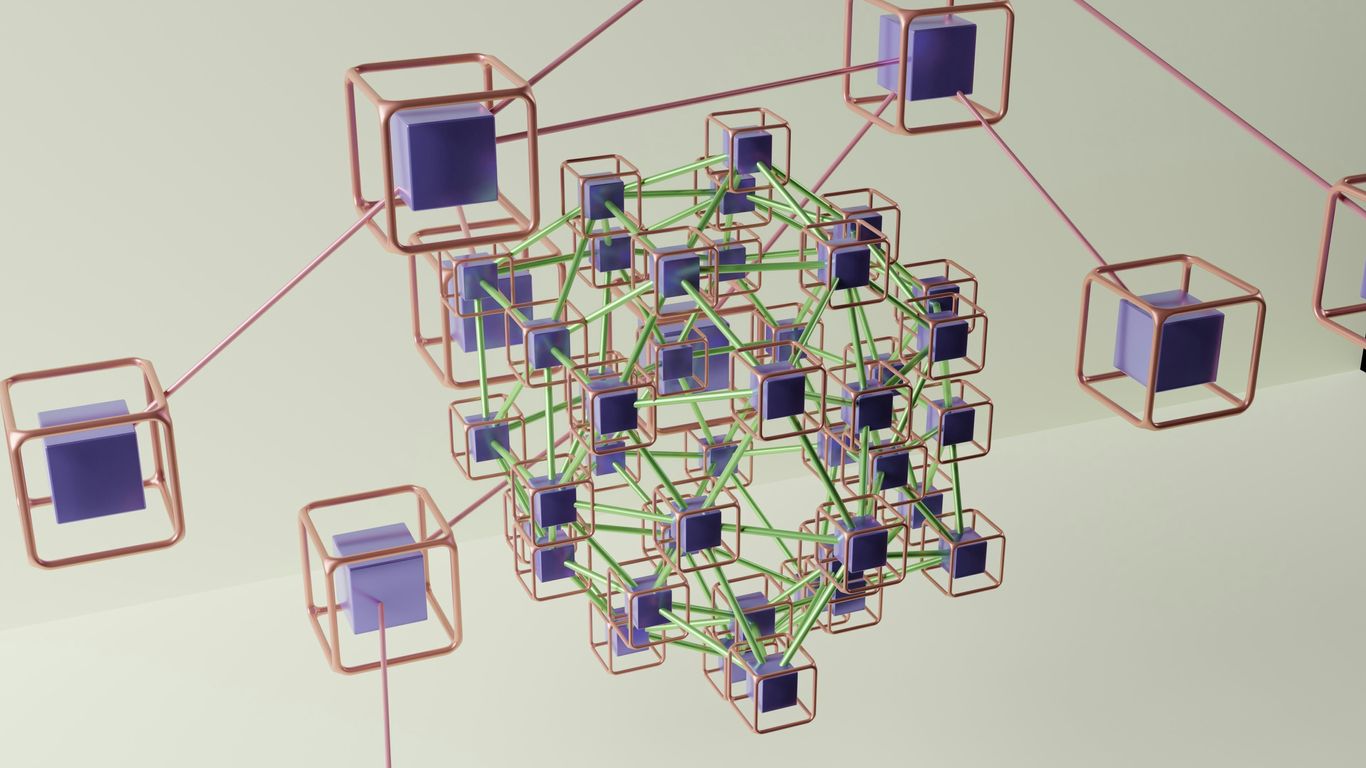
You know, it feels like just yesterday we were all talking about moving everything to the cloud. Now, the conversation is shifting again, and it’s all about bringing computing power closer to where the action actually happens. That’s edge computing, and by 2026, it’s going to be a pretty big deal for SaaS companies.
Think about it: instead of sending all your data way out to a central data center and waiting for a response, you process it right there, on the device or a local server. This means way less lag. For users, that translates to apps that just feel snappier and more responsive. It’s not a huge, sudden change, but as more companies start using these closer-to-the-user setups, people are noticing the difference.
Here’s why it’s gaining traction:
- Reduced Latency: Processing data locally means faster response times, which is a big win for real-time applications like gaming, IoT devices, or even just interactive web services.
- Bandwidth Savings: Sending less raw data back and forth to the cloud can significantly cut down on network traffic and associated costs.
- Improved Reliability: If the connection to the main cloud goes down, edge devices can often continue to operate, at least partially, using local processing power.
- Enhanced Data Privacy: Sensitive data can be processed and anonymized at the edge before being sent to the cloud, offering better control over privacy.
Many businesses are starting small, maybe with a pilot project to see how it works for them. It’s a smart way to get a feel for the technology and figure out how it can best improve their services without a massive overhaul. It’s less about a complete cloud exit and more about a smarter distribution of computing resources.
9. Hybrid and Multi-Cloud Strategies
It’s becoming pretty clear that putting all your eggs in one cloud basket just isn’t the smart move anymore. We’re seeing a big shift towards using a mix of different cloud environments – think private clouds, public clouds from various providers, and even on-premises setups. This isn’t just about having options; it’s about building a more resilient and flexible system.
The days of relying on a single cloud provider are fading fast. Recent hiccups with major cloud services have shown us that business continuity can’t be an afterthought. Companies are realizing that having a backup plan, often involving multiple cloud providers, is now a must-have, not a nice-to-have. This means making sure your data can sync up across these different places, because messy, inconsistent data is a recipe for disaster.
Here’s why this approach is gaining traction:
- Avoiding Vendor Lock-In: Spreading your resources means you’re not tied to one company’s pricing or technology roadmap. You get more say in how things are done.
- Boosting Resilience: If one cloud provider has an issue, your operations can keep running on another. It’s like having a spare tire for your business.
- Optimizing Costs and Performance: Different clouds are better suited for different tasks. You can pick the best tool for the job, whether it’s for heavy data processing or quick application responses.
- Meeting Specific Needs: Some data might need to stay on-premises for security or regulatory reasons, while other workloads can benefit from the scale of a public cloud. Hybrid models let you have both.
10. SaaS Agents and API Integration
It’s becoming pretty clear that how we interact with software is changing, and fast. We’re not just clicking around in apps anymore. Instead, we’re building these smart little helpers, called agents, that do the heavy lifting for us. These agents don’t usually talk to apps directly through a screen; they use something called APIs – think of them as digital messengers – to get information and get things done.
This shift means that even though the big SaaS applications are still running in the background, powering everything, we might not be opening them up as much. The real action is happening through these API connections. For example, instead of logging into your CRM to pull a report, you might just ask your agent to do it, and the agent uses the CRM’s API to fetch the data. This move towards API-driven interactions is making SaaS applications more like the invisible engine of our digital tools.
Here’s a look at how this is playing out:
- Programmatic Access is Key: Many AI models, even those used in internal company tools, are accessed via cloud APIs. For instance,
api.openai.comis a common endpoint for automated workflows, showing how much we rely on these direct connections rather than just web interfaces. - Agentic Workflows: These agents can perform complex tasks across different systems. They connect to various SaaS tools through their APIs to automate processes that used to take a lot of manual effort.
- Increased Data Flow: As agents become more common, they can send and receive data much faster than a person clicking around. This speeds things up but also means we need to be extra careful about security and who has access to what.
- Platform Integration: Companies are increasingly using enterprise-grade cloud platforms that offer secure AI services. These platforms provide better privacy controls and allow for deeper integration with existing systems, making it easier to build and deploy these agent-based solutions.
This trend isn’t just about convenience; it’s about making our software work smarter and more automatically. It’s a big change from how we’ve used software in the past, and it’s definitely something to watch as we move further into 2026.
Wrapping It Up
So, looking back at 2026, it’s clear the cloud landscape isn’t just changing, it’s really transforming. We’ve seen companies move beyond just storing data to making it work smarter, faster, and more securely. It’s less about the fancy tech and more about making things simple and reliable for everyone. The big players are the ones who figured out how to make the cloud feel intuitive, almost like it’s working for you without you even noticing. As we move forward, expect even more intelligence baked into everything, with security and privacy being top priorities. The companies that truly understand how to blend these elements will be the ones leading the pack.
Frequently Asked Questions
What does ‘AI-First Cloud Infrastructure’ mean for businesses?
It means that instead of building systems with regular software, businesses will create them around smart AI programs. Think of AI not just helping, but actually building and running the computer systems needed for your business, making things run faster and smoother.
How is ‘Cloud Native-AI’ changing how we use the cloud?
Cloud Native-AI means AI is built right into cloud services. It’s like having a super-smart assistant that automatically manages your cloud resources, keeps things secure, and helps your business run better without you having to do all the manual work.
What’s the difference between ‘Intelligence-Led Cloud Evolution’ and older cloud ideas?
Older cloud ideas were mostly about where your data is stored. Now, it’s about how smart and helpful the cloud is. The cloud will learn and predict what you need, making it feel personal, quick, and easy to use, all while keeping your information safe.
Why is ‘Autonomous Cloud Ecosystem’ becoming important?
This means the cloud will start managing itself more, thanks to AI. It can figure out the best way to run tasks, save energy, and keep costs down. It’s like having a cloud that knows what to do without needing constant human direction.
What does ‘Secure Automation and Governance-by-Design’ mean for cloud companies?
It means that making things secure and following rules isn’t an extra step, but something built into the cloud from the very beginning. Companies that do this well will be the leaders because they make sure their cloud services are safe and trustworthy automatically.
How will ‘SaaS Agents and API Integration’ change how we use software?
Instead of directly using software programs all the time, we’ll use small helper programs called agents. These agents will connect to software through special bridges (APIs) and do most of the work for you, making software feel like it’s working in the background without you needing to open the app.